Green Street Hooligans
"Loyalty is a contact sport."
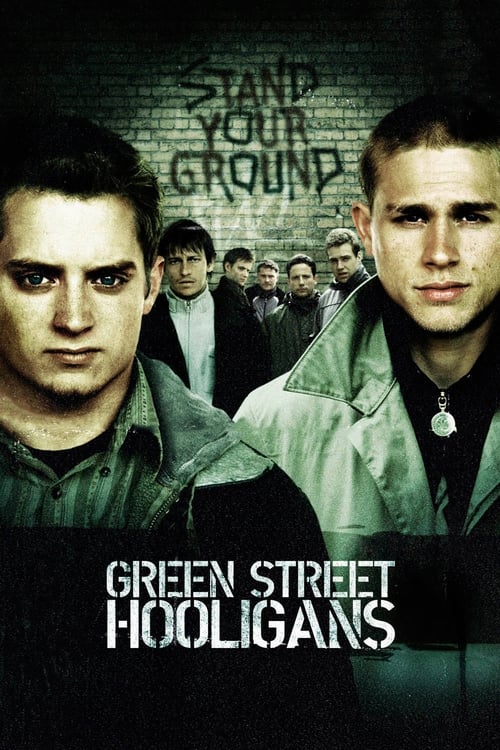
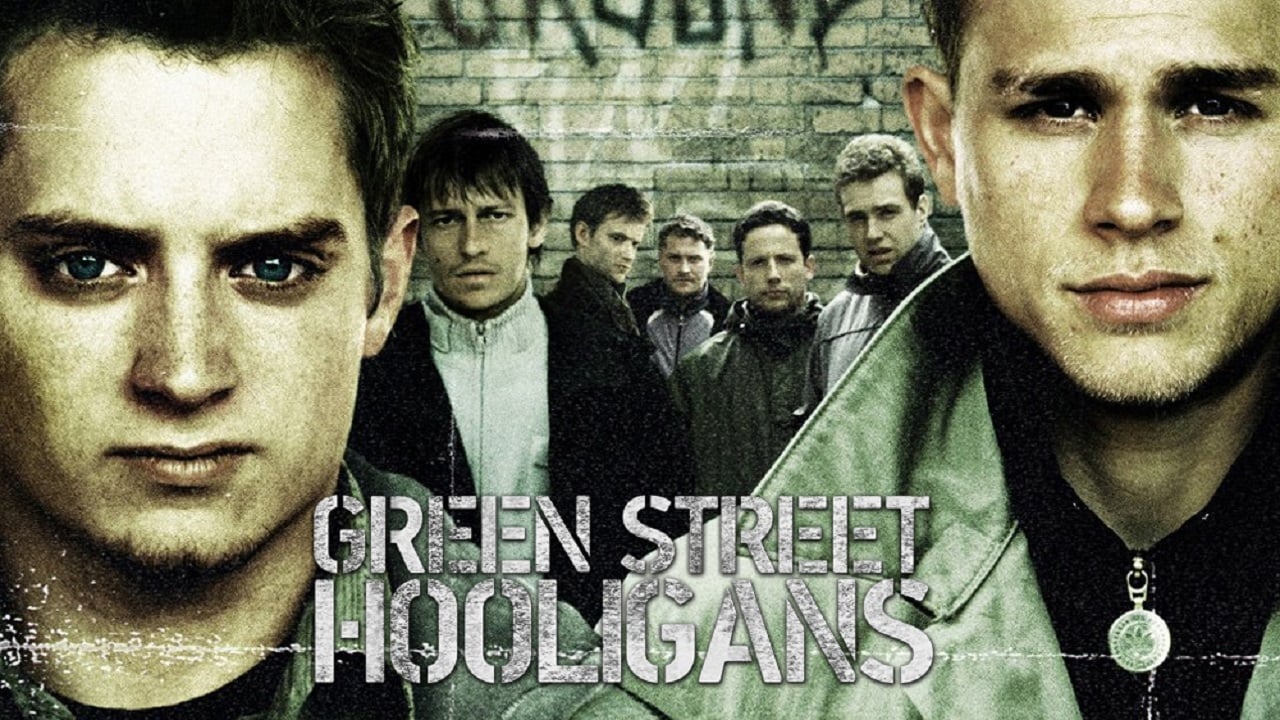
The first time I saw Elijah Wood’s face on the poster for Green Street Hooligans, I assumed it was a prank or some bizarre piece of counter-programming. This was 2005. The world was still cleaning the Shire’s dust off Wood’s boots, and here he was, tucked into a beige trench coat, looking like he was about to get his teeth kicked in by a Londoner twice his size. It felt like watching a lamb wander into a lion’s den—not for a fable, but for a mugging.
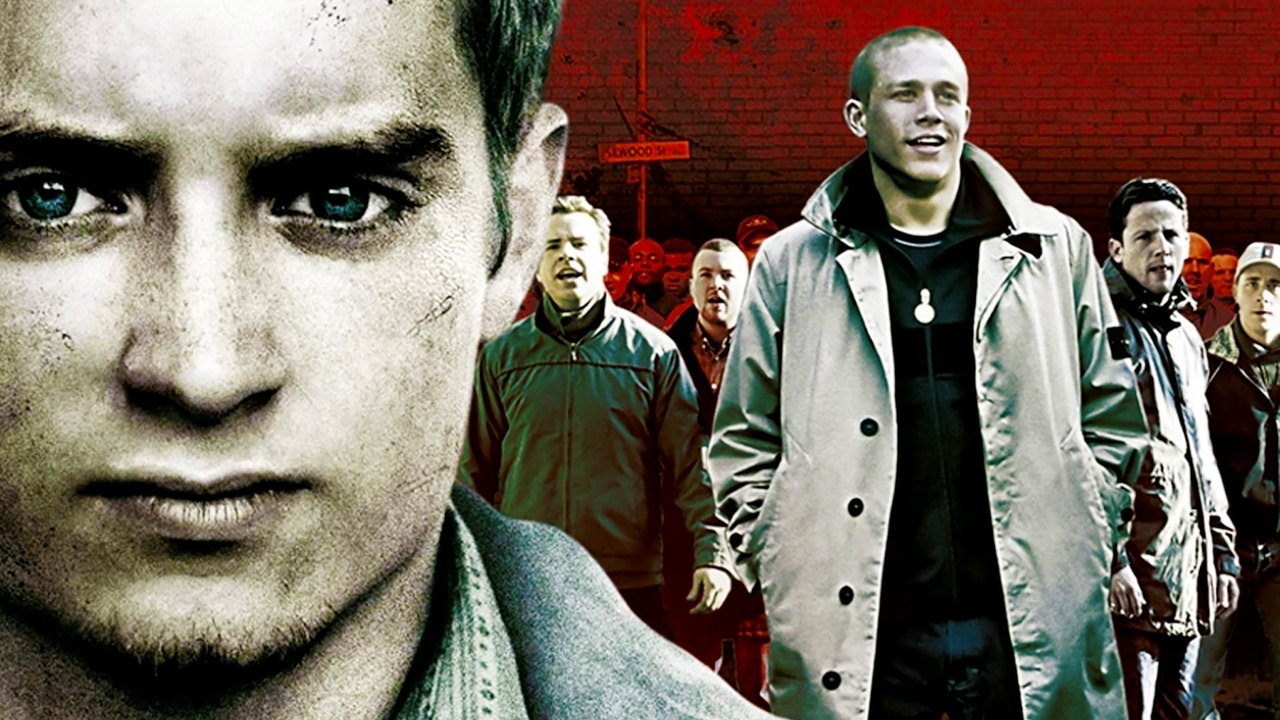
I watched this film for the first time on a portable DVD player during a rain-soaked camping trip where the only other entertainment was a soggy deck of cards. Somehow, the flickering 7-inch screen and the smell of damp canvas perfectly mirrored the gray, bruised atmosphere of Lexi Alexander’s London. It’s a film that shouldn’t work—a "fish-out-of-water" story about a Harvard journalism student joining a West Ham "firm"—yet it became a definitive cult staple of the mid-2000s DVD era.
The Hobbit and the Hardman
The heart of the movie isn't the violence, though there’s plenty of that; it’s the chemistry between Elijah Wood’s Matt Buckner and Charlie Hunnam’s Pete Dunham. Hunnam, long before he was leading a biker gang in Sons of Anarchy, radiates a terrifying, magnetic energy here. He plays Pete with a "geezer" swagger that feels like a coiled spring. I’ll be honest: Charlie Hunnam’s Cockney accent is an absolute hate-crime against linguistics, but he carries it with so much Alpha-male conviction that you eventually stop wincing and just buy into his world.
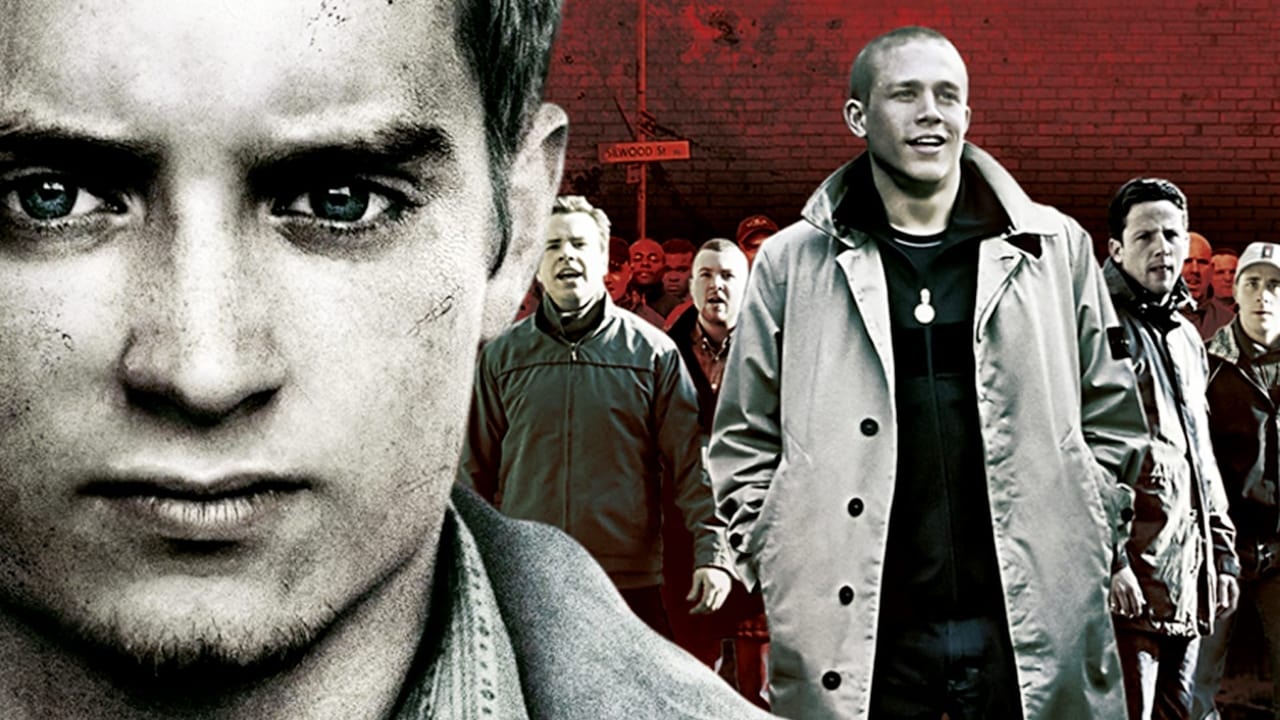
Matt arrives in England after being the fall guy for a roommate’s cocaine stash at Harvard. He’s spineless, drifting, and fundamentally "soft" by the standards of the Green Street Elite (GSE). When Pete takes him under his wing, the film shifts from a fish-out-of-water drama into a gritty exploration of tribalism. We see Matt find a sense of belonging not in a library, but in the adrenaline-soaked moments of a pre-match brawl. It’s a dark, seductive look at why men seek out violence to feel alive, reflecting a specific post-9/11 anxiety about masculinity and the need to "stand your ground."
Lexi Alexander’s Bruised Aesthetic
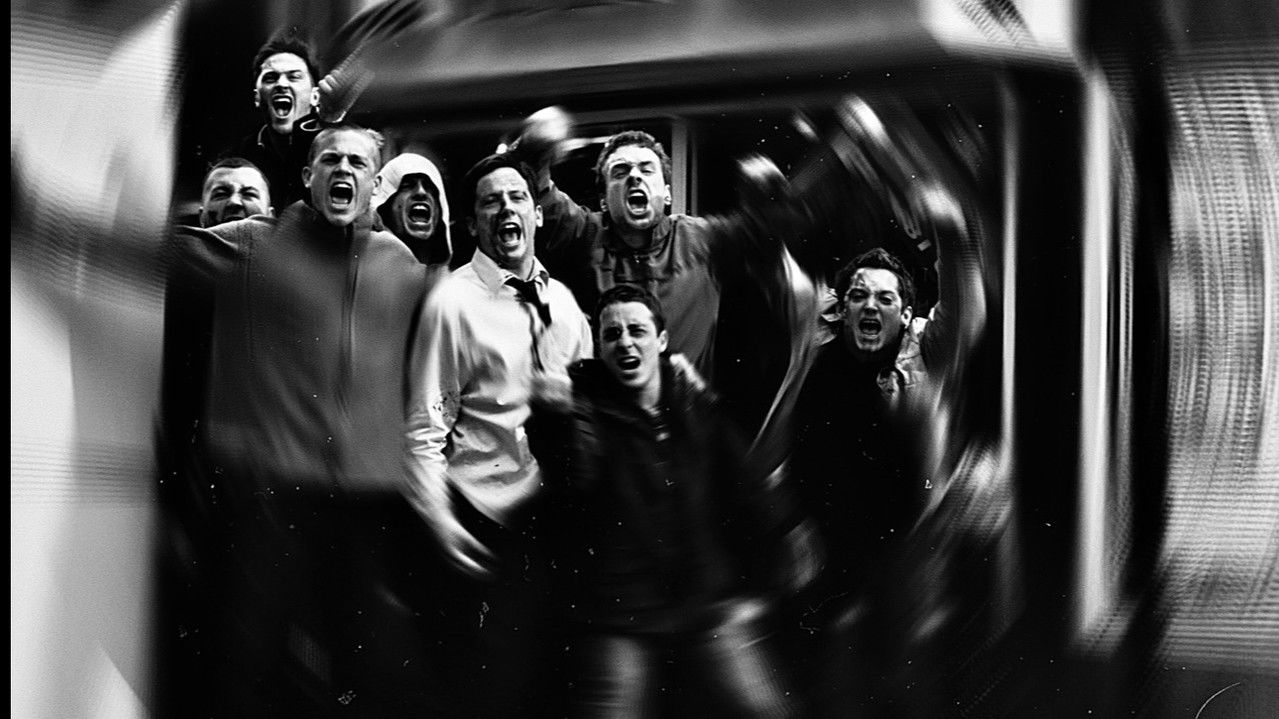
What sets this apart from other "hooligan" flicks like The Football Factory (2004) is the direction. Lexi Alexander wasn't just some studio hire; she was a former world kickboxing champion. She knows what a real punch looks like, and more importantly, she knows how it feels. The fight sequences in Green Street aren't choreographed like a Matrix-style ballet. They are messy, claustrophobic, and ugly.
The cinematography by Alexander Buono favors a handheld, shaky-cam style that was peak 2005. While that technique can sometimes feel like a cheap trick to hide bad stunts, here it captures the chaotic blur of a street fight where you can’t tell who is winning until someone stops getting up. It’s effective because it doesn't glorify the "firms" as heroes; it portrays them as addicts hooked on the high of the "run."
Behind the scenes, the production felt almost as intense as the film itself. To get the cast into the right headspace, Alexander reportedly sent them to real matches and encouraged them to drink and socialize with actual West Ham supporters. Leo Gregory, who plays the volatile and suspicious Bovver, apparently leaned so hard into the role that the tension on set between him and Wood felt genuine. It’s that raw friction that keeps the middle act from sagging into cliché.
A Cult Legacy of Stone Island and Scars
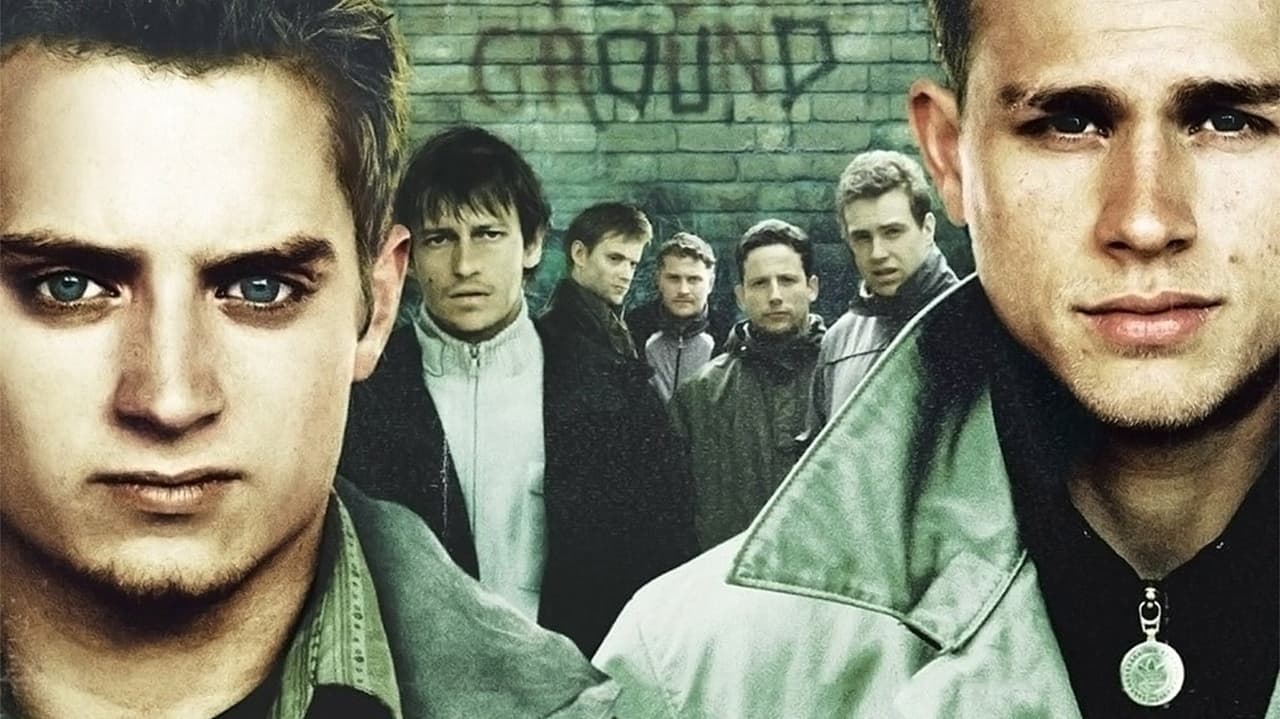
Looking back, Green Street Hooligans captures a very specific moment in the transition of "lad culture." This was the era of the Stone Island jacket and the Burberry cap being used as a uniform for a secret society. For an American audience, it was a window into a subculture that felt alien and Victorian in its brutality. For the UK audience, it was a divisive take on their own backyard, often criticized for "Yankee-fying" the terrace culture, yet it’s the film that everyone still quotes twenty years later.
The film's transition to a cult classic happened almost entirely through word-of-mouth and the DVD market. It was the kind of movie you’d find in a "3 for £10" bin at HMV and end up lending to three different friends who never returned it. It’s a story about the heavy cost of loyalty, culminating in a third act that hits like a gut-punch. The stakes stop being about "who is the harder firm" and start being about the wreckage left behind by cycle of vengeance—specifically involving Pete’s brother, played with a weary gravitas by Marc Warren.
The film isn't perfect; some of the dialogue is pure melodrama, and the portrayal of journalism as a "noble pursuit" feels a bit dated in the era of the 24-hour rage cycle. But as a character study of a man finding his spine in the worst possible place, it’s undeniably compelling. It’s a movie that understands that sometimes, the things we do to belong are the very things that end up destroying us. Whether you’re here for the gritty London scenery or just to see Frodo Baggins throw a haymaker, it’s a ride that earns its scars.
I still can't hear "I'm Forever Blowing Bubbles" without thinking of a rain-slicked street and the sound of Doc Martens hitting pavement. It’s a testament to the film’s power that it took a whimsical club anthem and turned it into something that feels like a war cry. If you can look past the questionable accents, you’ll find a drama that has a lot more heart—and a lot more teeth—than you’d expect.
Keep Exploring...
-
American Psycho
2000
-
Blow
2001
-
Training Day
2001
-
25th Hour
2002
-

Adaptation.
2002
-

Gangs of New York
2002
-

John Q
2002
-
Road to Perdition
2002
-

21 Grams
2003
-

Dogville
2003
-
Monster
2003
-

The Life of David Gale
2003
-

A History of Violence
2005
-

Batman Begins
2005
-

Lord of War
2005
-
Lucky Number Slevin
2006
-

Perfume: The Story of a Murderer
2006
-

American Gangster
2007
-
Elite Squad
2007
-

Freedom Writers
2007