Grizzly Man
"Nature doesn't love you back."
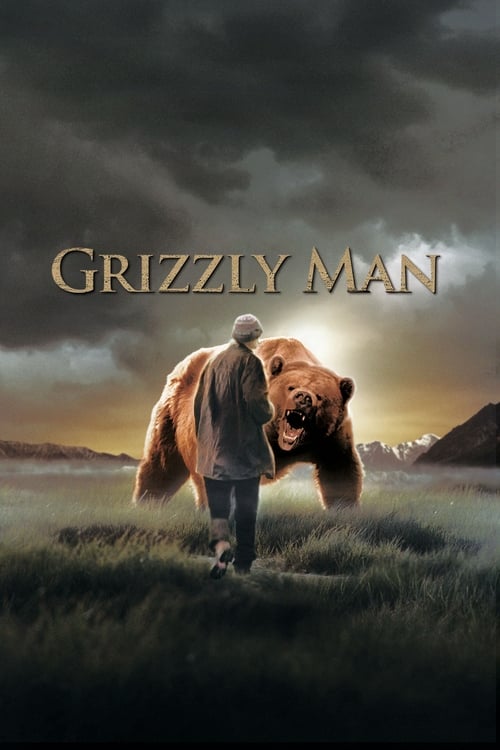
The first time I sat down with Grizzly Man, I was eating a lukewarm bowl of instant oatmeal that had the consistency of wet spackle. I mention this only because, by the time the credits rolled, I hadn't taken a second bite. My spoon was frozen halfway to my mouth, paralyzed by the sight of Timothy Treadwell—a man who looked like he’d been kicked out of a 1980s surf rock band for being "too much"—screaming at a pile of bear dung as if it were a holy relic.
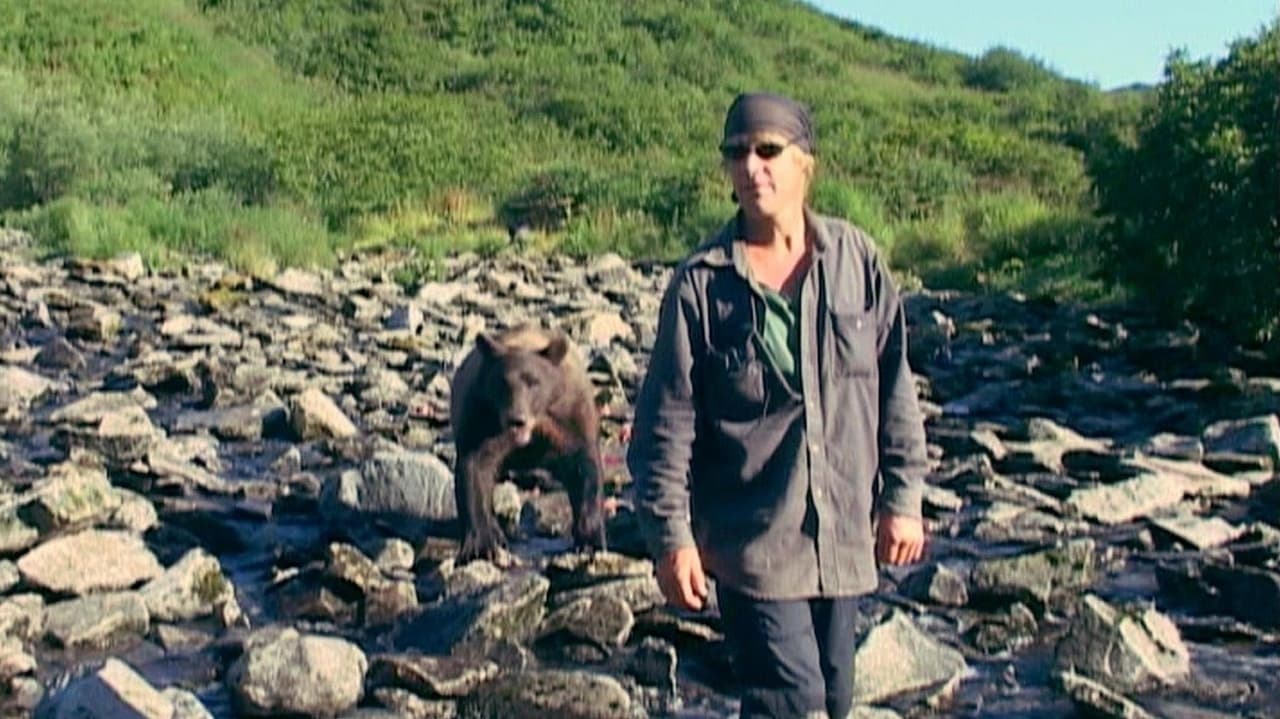
Released in 2005, Werner Herzog’s documentary arrived during that fascinating post-9/11 window where cinema was obsessed with the "truth" found in raw, digital footage. This was the era of the Discovery Docs boom, but Grizzly Man isn't a nature special. It’s a psychological autopsy of a man who decided that the boundary between "human" and "beast" was just a suggestion. It is one of the most haunting pieces of Modern Cinema because it captures a collision between two very different filmmakers: Treadwell, the amateur who shot the footage, and Herzog, the master who edited it into a tragedy.
A Tale of Two Directors
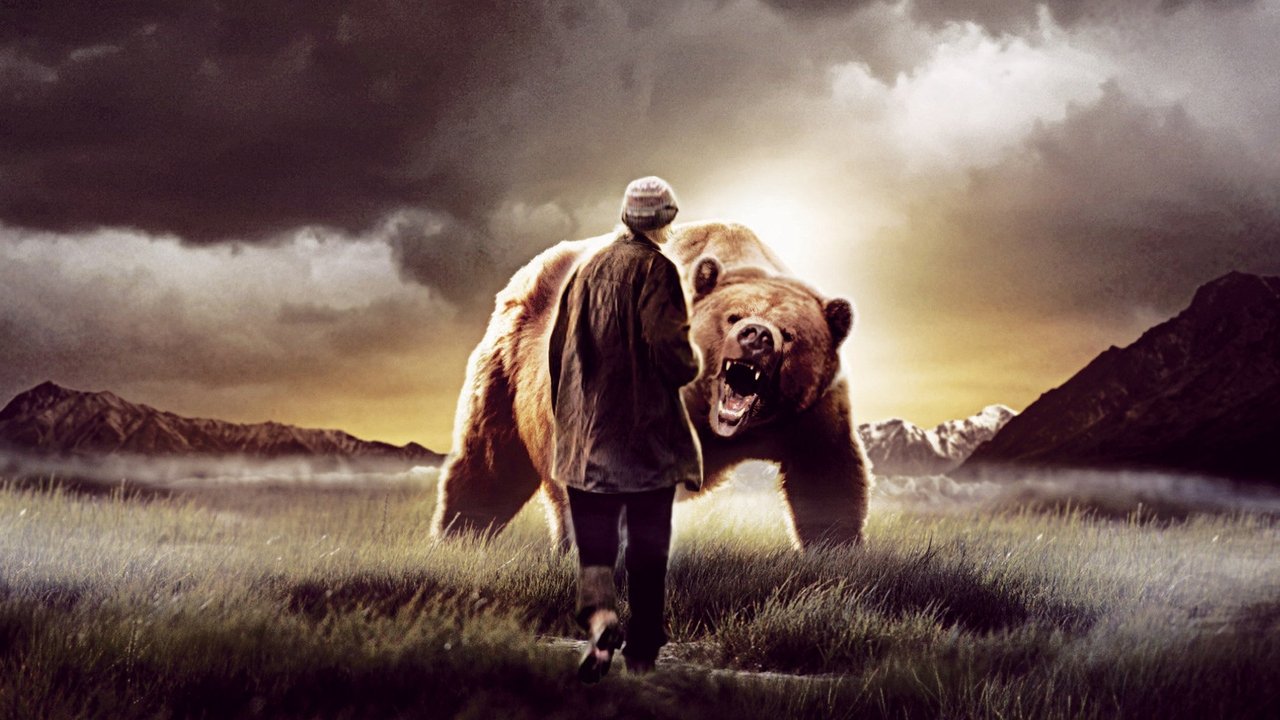
The film is built from the 100-plus hours of video Treadwell recorded during his final seasons in Alaska’s Katmai National Park. Watching it now, the footage feels remarkably prescient. Long before everyone was the protagonist of their own YouTube channel, Treadwell was out there "vlogging" his life with grizzlies. He frames himself like a hero in an action movie, often resetting his camera multiple times to get the perfect "candid" shot of himself running toward a 1,000-pound predator.
But the brilliance of the film lies in the friction between Treadwell’s footage and Werner Herzog’s narration. Treadwell sees a "secret world" of fluffy, misunderstood friends who need his protection. Herzog, speaking in that iconic, mournful Bavarian lilt, looks at the same bears and sees only "the overwhelming indifference of nature." Herzog essentially bullies the film into becoming a philosophical treatise, refusing to let Treadwell’s romanticism stand unchallenged. It’s a fascinating dynamic; the director is effectively arguing with his dead subject for 103 minutes.
The Performance of a Lifetime
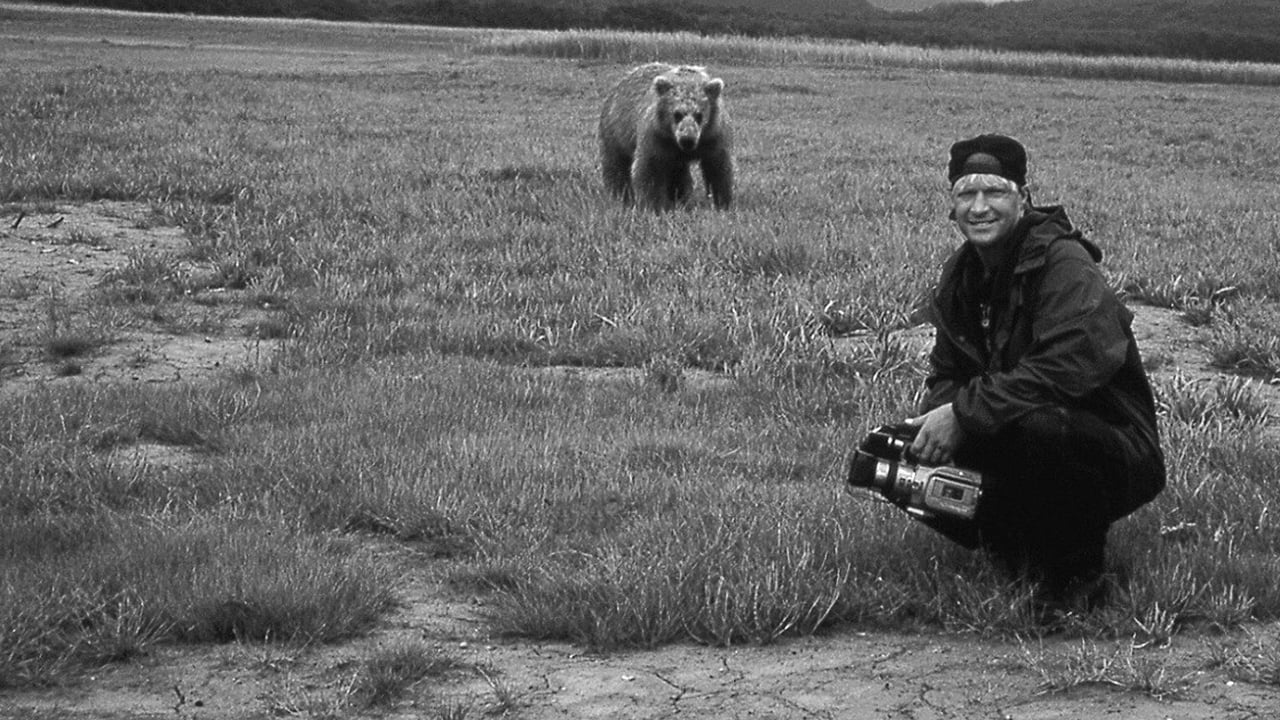
While the bears are the attraction, the movie is really a character study of a failed actor. Before he became the "Grizzly Man," Treadwell was a struggling performer in Los Angeles (he famously claimed he lost the role of Woody on Cheers to Woody Harrelson). You can see that desperation to be seen in every frame. He’s always "on." Whether he’s crying over a dead fox or cursing out the National Park Service in a paranoid, profanity-laced tirade, he is performing the role of the Eco-Warrior.
The interviews Herzog conducts with those left behind add a layer of grounded, almost Midwestern surrealism. Warren Queeney, an actor and close friend, speaks of Treadwell with a mix of love and bewilderment. Then there’s Willy Fulton, the pilot who eventually found what was left of Treadwell and his girlfriend, Amie Huguenard. These interviews don't feel like standard documentary talking heads; they feel like witnesses to a slow-motion car crash. They provide the "human" context to a man who was trying his best to stop being human.
One of the most talked-about moments—the "unheard" audio of the fatal attack—is handled with incredible directorial restraint. We see Herzog listening to the tape through headphones while Treadwell's former partner, Jewel Palovak, watches him. We don't hear a second of the screams. We only see the horror on Herzog’s face as he tells her, "You must never listen to this." It’s a masterclass in using the viewer's imagination as a cinematic tool, far more effective than any CGI-heavy gore-fest of the mid-2000s could ever be.
The Myth of the Gentle Giant
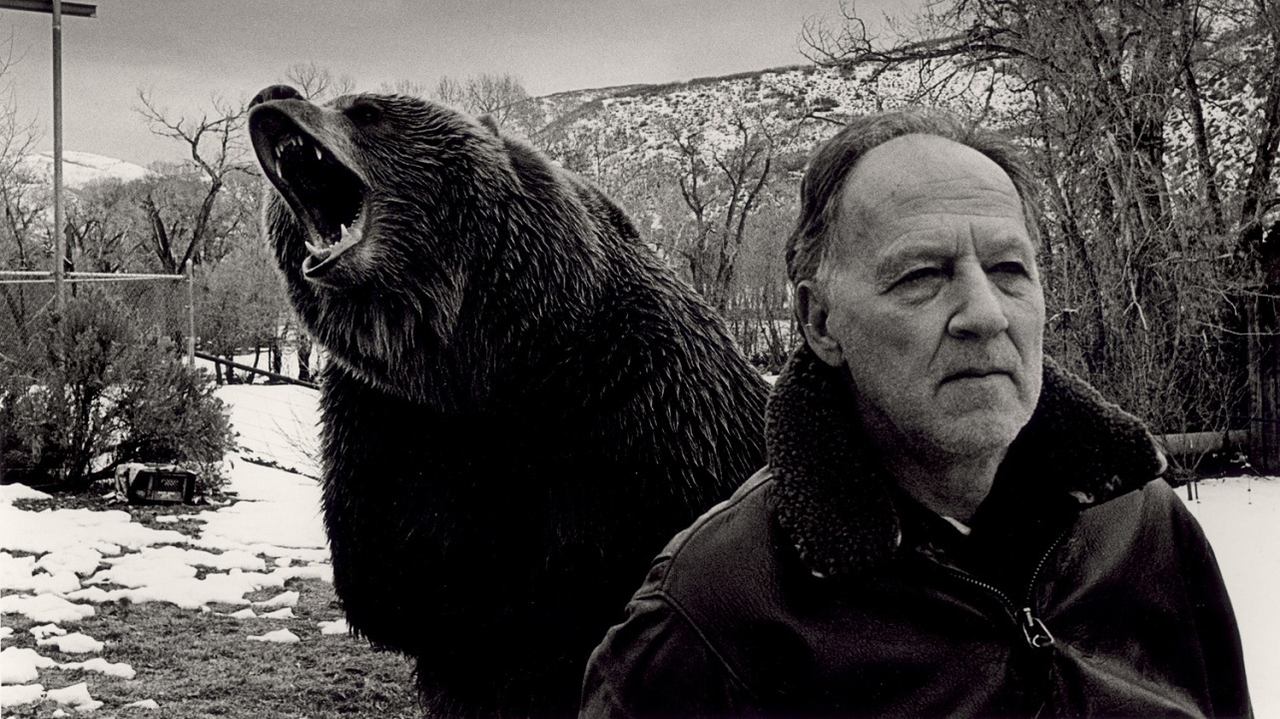
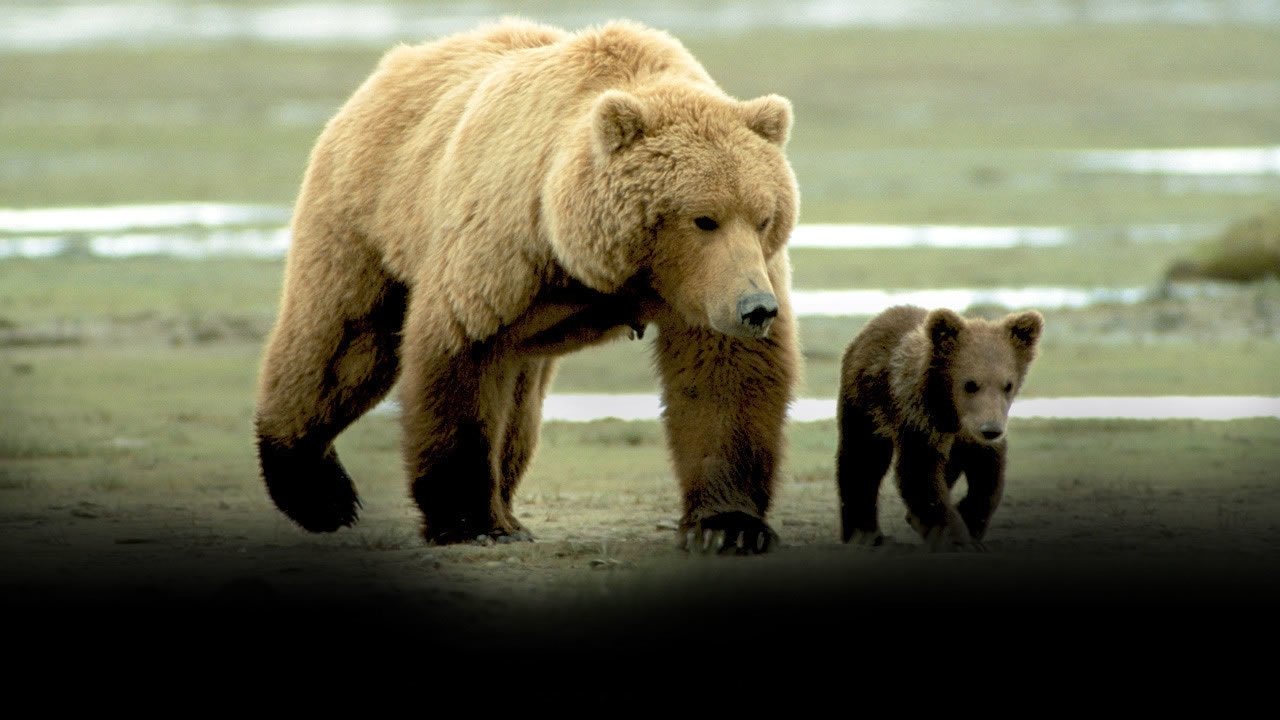
Looking back, Grizzly Man serves as a sharp critique of the "Disneyfication" of nature. Treadwell treated the wild like a petting zoo with high stakes, and the film serves as a grim reminder that the universe doesn't have a moral compass. The bears aren't villains; they're just bears. They are hungry, they are territorial, and they are utterly devoid of the "sentimental bond" Treadwell thought he had forged.
The cinematography by Peter Zeitlinger (who often works with Herzog) seamlessly blends with Treadwell’s own surprisingly beautiful digital shots. There are moments of staggering natural beauty—foxes playing on the roof of a tent, the shimmering Alaskan wind—that make you understand why someone would want to stay there forever. But Herzog never lets the beauty distract from the danger. He highlights the "blank stare" of the bear, suggesting that behind those eyes isn't a soul, but a void.
Grizzly Man is a rare documentary that gets richer as the technology it was filmed on gets older. In an age of curated social media personas, Treadwell’s self-mythologizing feels more relevant than ever. It’s a film that asks uncomfortable questions about where we fit in the natural world and what happens when our delusions finally catch up with us. It’s beautiful, it’s deeply uncomfortable, and it will make you want to stay exactly where you are: indoors, far away from anything with claws.
Keep Exploring...
-
Exit Through the Gift Shop
2010
-
Rescue Dawn
2007
-
Senna
2010
-
Blackfish
2013
-

One Direction: This Is Us
2013
-
Citizenfour
2014
-
Bowling for Columbine
2002
-
Man on Wire
2008
-

Inside Job
2010
-

The Fall
2006
-
Synecdoche, New York
2008
-
Bad Lieutenant: Port of Call - New Orleans
2009
-
Jackass Number Two
2006
-
A Dog's Will
2000
-
Ask Me If I'm Happy
2000
-

Cowboy Bebop: The Movie
2001
-

Millennium Actress
2002
-
Talk to Her
2002
-

Spring, Summer, Fall, Winter... and Spring
2003
-
The Sea Inside
2004