Harry Potter and the Goblet of Fire
"The moment the Wizarding World traded its childhood whimsy for blood, bone, and teenage angst."
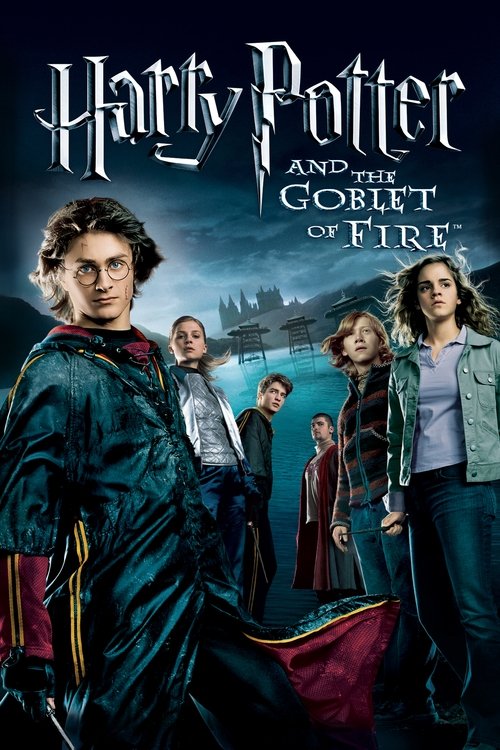
If you want to pinpoint the exact moment the millennial generation collectively realized that life wasn’t all chocolate frogs and flying broomsticks, look no further than the shaggy, unkempt mops of hair on Daniel Radcliffe and Rupert Grint in Harry Potter and the Goblet of Fire. I remember sitting in a sticky-floored theater in 2005, drinking a soda that was 90% ice, and thinking that the hair stylists had clearly gone on strike. But looking back, those overgrown manes were the perfect visual shorthand for the messiness of mid-franchise adolescence. This is the "awkward phase" movie, both for the characters and the series itself, as it transitioned from Chris Columbus’s cozy spectacles into something much more jagged, dangerous, and—dare I say—cool.
A Thriller in Wizard’s Clothing
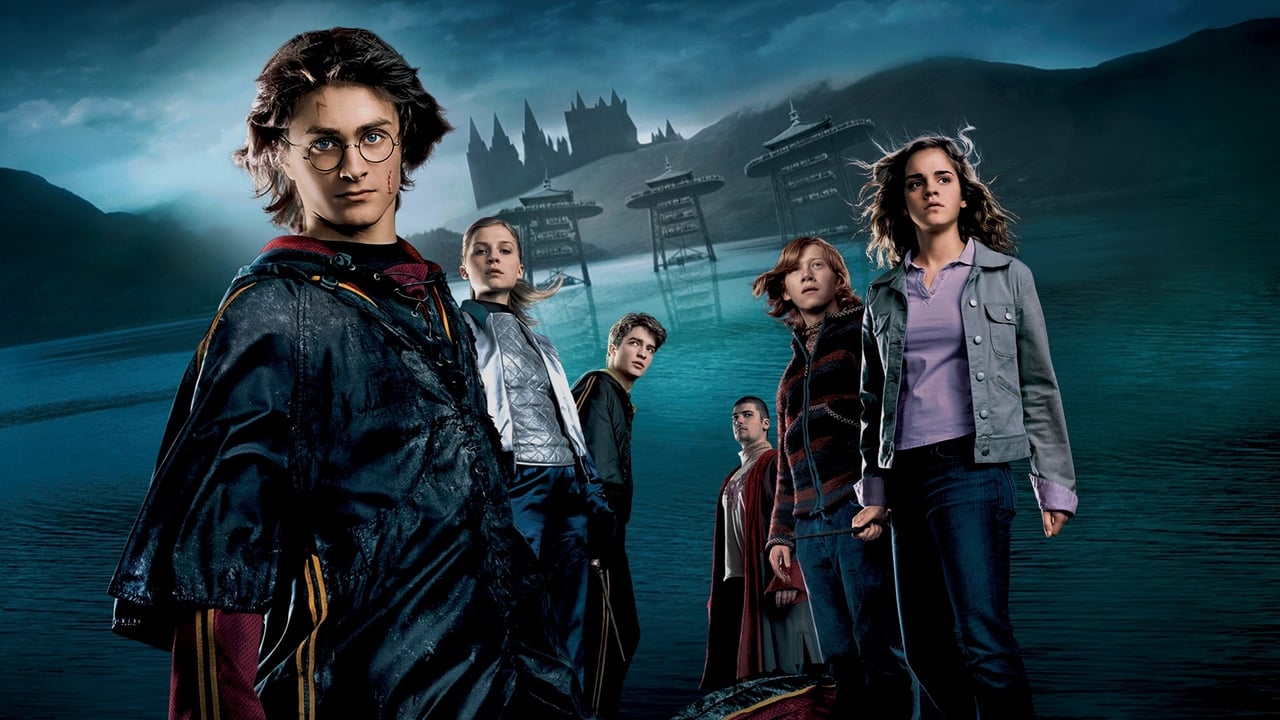
When Mike Newell took the reins, he brought a distinctly British, almost gritty energy that the previous films lacked. While Alfonso Cuarón gave us the artistic "vibe" shift in Prisoner of Azkaban, Newell (the man behind Four Weddings and a Funeral) treated the Triwizard Tournament like a high-stakes sports thriller. I love how this film feels like a series of escalating dares. It’s an adventure in the truest sense, moving from the bombastic, stadium-filling energy of the Quidditch World Cup to the claustrophobic, horror-tinged finale in a fog-drenched graveyard.
The Triwizard Tournament tasks are the engine here, and they still hold up remarkably well. The first task—the dragon chase—is a masterclass in 2005-era CGI. The Hungarian Horntail feels heavy and predatory, a far cry from the slightly rubbery creatures of the earlier entries. Apparently, the production team actually built a 40-foot animatronic dragon that could breathe real fire, and you can feel that physical presence on screen. It’s not just a digital asset; it’s a threat. My favorite bit of trivia is that Newell actually staged a mock-brawl with one of the Weasley twins during rehearsals to demonstrate how "boys should fight," and ended up cracking one of his own ribs. That’s the kind of chaotic "dad energy" this movie radiates.
Hormones and High Stakes
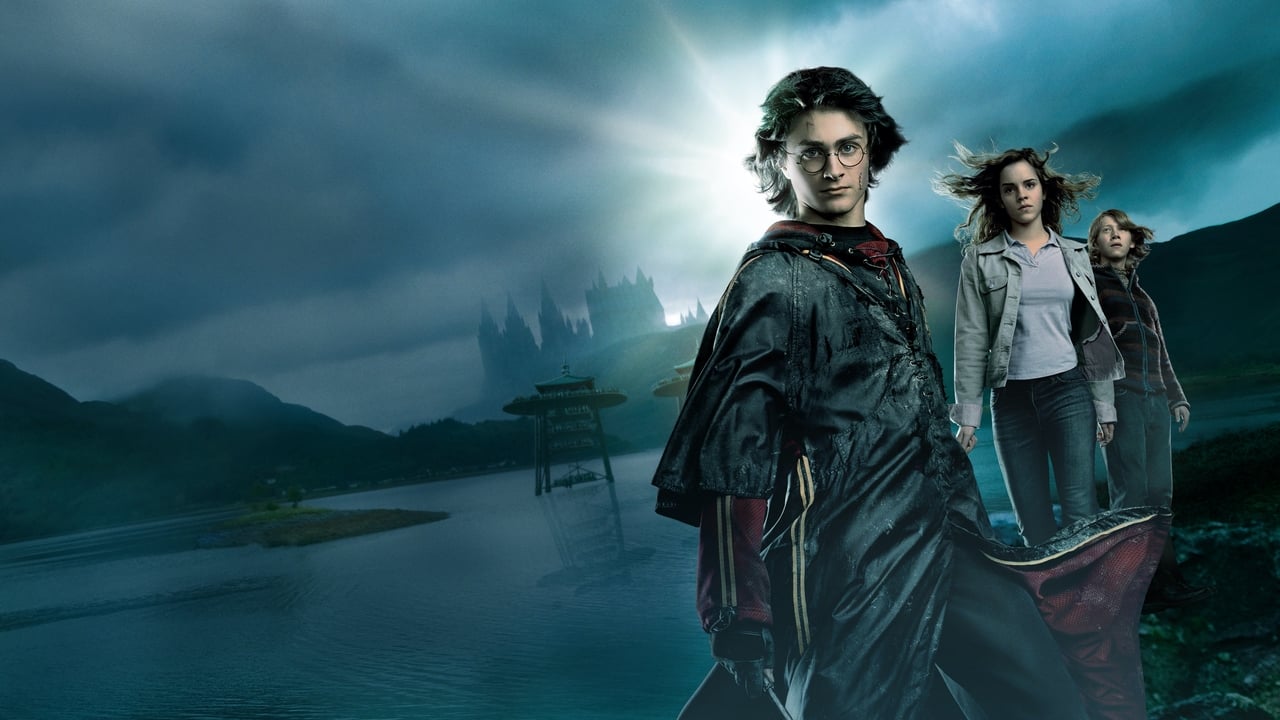
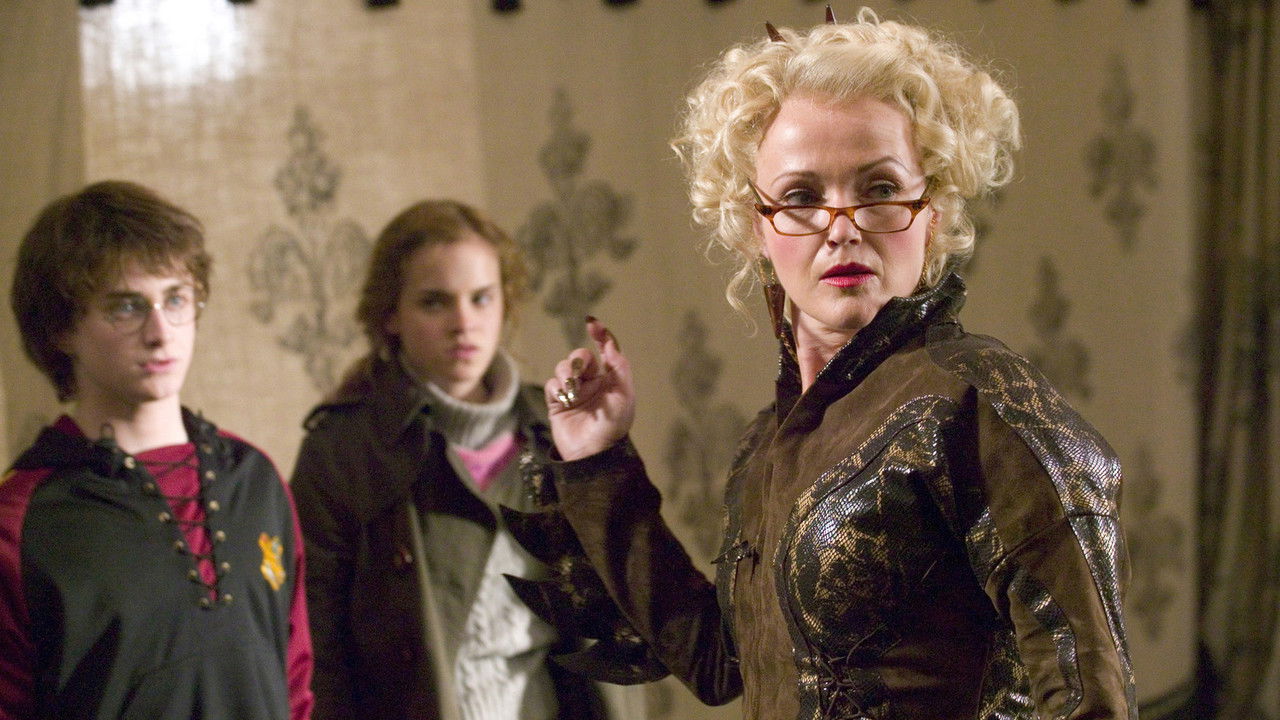
Before the Marvel Cinematic Universe perfected the "serialized blockbuster" formula, Goblet of Fire was out here juggling massive world-building with genuine character growth. This is the film where the trio stops being kids and starts being people I actually recognized from my own middle school nightmares. The Yule Ball sequence is a delightful detour into the horror of teenage social dynamics. Emma Watson delivers her first truly "grown-up" performance here; her descent down the stairs in that pleated pink dress is a cinematic core memory for an entire generation.
But the real MVP of the supporting cast is Brendan Gleeson (who was brilliant in The Banshees of Inisherin). His Alastor 'Mad-Eye' Moody is a wonderful piece of prosthetic-heavy acting. He’s twitchy, dangerous, and brings a sense of "war-veteran" trauma to a school setting. And then, of course, there’s Robert Pattinson as Cedric Diggory. Long before he was sparkling in the sun or brooding in a Bat-cave, he was the ultimate "golden boy." His presence is vital because for the adventure to feel real, there have to be stakes. Cedric’s fate is the "Welcome to the real world" slap in the face that the franchise needed to propel it toward its dark conclusion.
The Resurrection of Horror
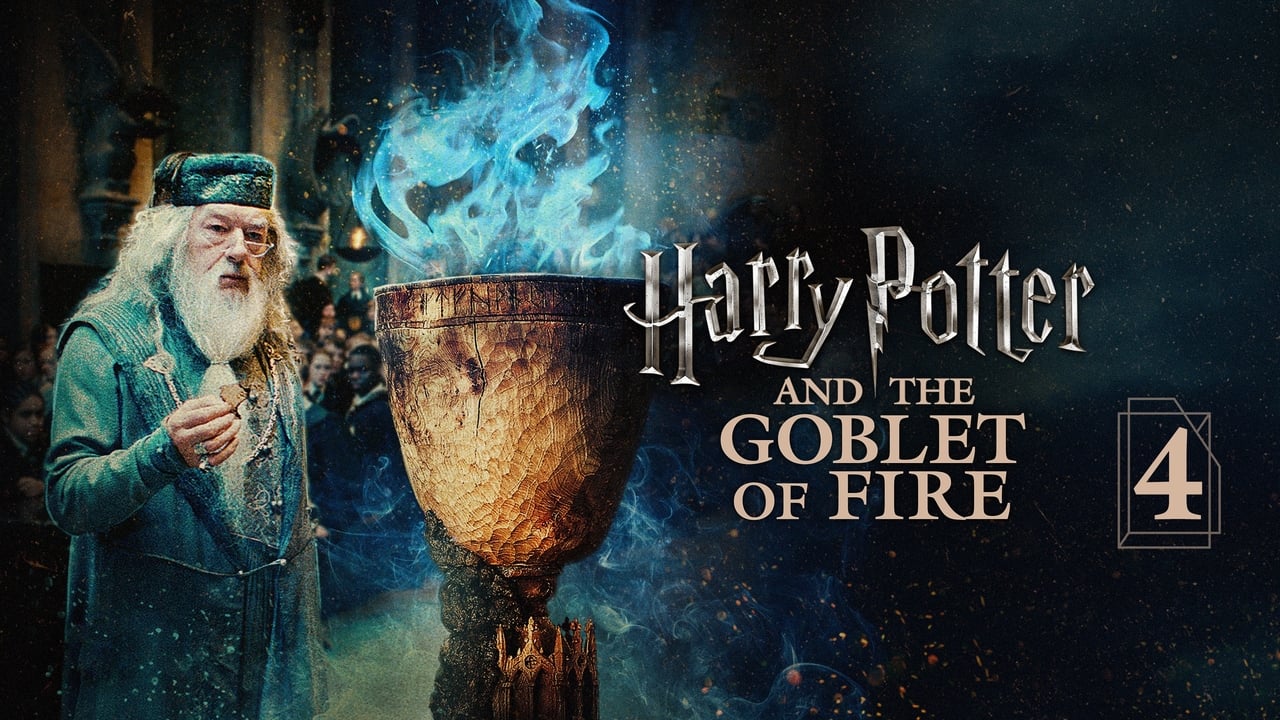
We have to talk about the ending. For a PG-13 film, the graveyard scene is a staggering shift in tone. This was the era where franchises were beginning to realize they could grow with their audience, and the introduction of Ralph Fiennes (the terrifying lead of Schindler's List) as Lord Voldemort remains one of the best villain reveals in cinema history. Voldemort looks like a very angry, skinless thumb, and Fiennes plays him with a high-pitched, serpentine unpredictability that is far scarier than a typical booming movie monster.
Looking back from a world dominated by "Volume" sets and green-screen stages, the scale of Goblet of Fire feels incredibly tactile. The underwater Second Task was filmed in a massive blue-screen tank, with Daniel Radcliffe logging something like 41 hours underwater over the course of the shoot. You can see the physical exhaustion on the actors’ faces, and it adds a layer of grit to the fantasy. This was the peak of the DVD era, too—I remember spending hours clicking through the special features on the two-disc set, marveling at how they built the maze. It was a time when film literacy was being taught to kids through these behind-the-scenes deep dives.
Harry Potter and the Goblet of Fire is the definitive "bridge" movie. It successfully navigates the transition from the whimsy of childhood to the cold, hard reality of adulthood, all while keeping the sense of wonder firmly intact. It’s loud, it’s shaggy, and it’s occasionally a bit bloated at 157 minutes, but it captures a specific "lightning in a bottle" moment in blockbuster history. It’s the film that proved this franchise wasn’t just a fad—it was an epic.

Keep Exploring...
-
Harry Potter and the Prisoner of Azkaban
2004
-
Harry Potter and the Philosopher's Stone
2001
-
Harry Potter and the Chamber of Secrets
2002
-
Harry Potter and the Order of the Phoenix
2007
-
Harry Potter and the Half-Blood Prince
2009
-
Harry Potter and the Deathly Hallows: Part 1
2010
-
Harry Potter and the Deathly Hallows: Part 2
2011
-
Prince of Persia: The Sands of Time
2010
-
Shrek
2001
-
The Lord of the Rings: The Fellowship of the Ring
2001
-
The Lord of the Rings: The Two Towers
2002
-
Pirates of the Caribbean: The Curse of the Black Pearl
2003
-

The Lord of the Rings: The Return of the King
2003
-
Shrek 2
2004
-
Charlie and the Chocolate Factory
2005
-
The Chronicles of Narnia: The Lion, the Witch and the Wardrobe
2005
-

Pirates of the Caribbean: Dead Man's Chest
2006
-
Pirates of the Caribbean: At World's End
2007
-
Avatar
2009
-
How to Train Your Dragon
2010