Herbie Fully Loaded
"Old bug. New tricks. Same soul."
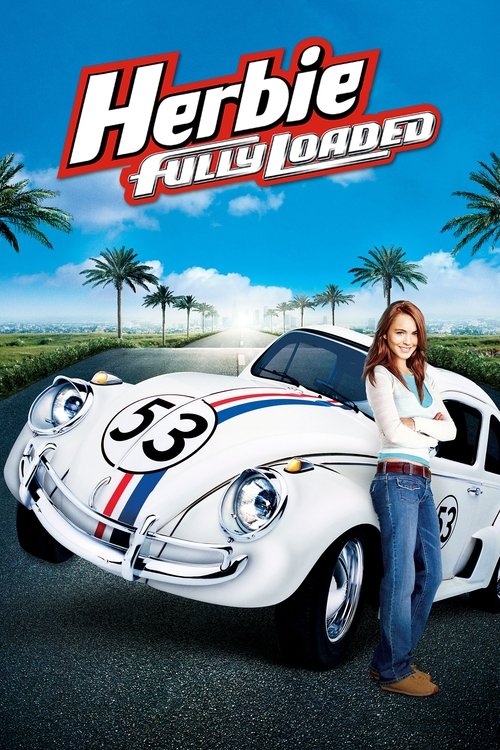
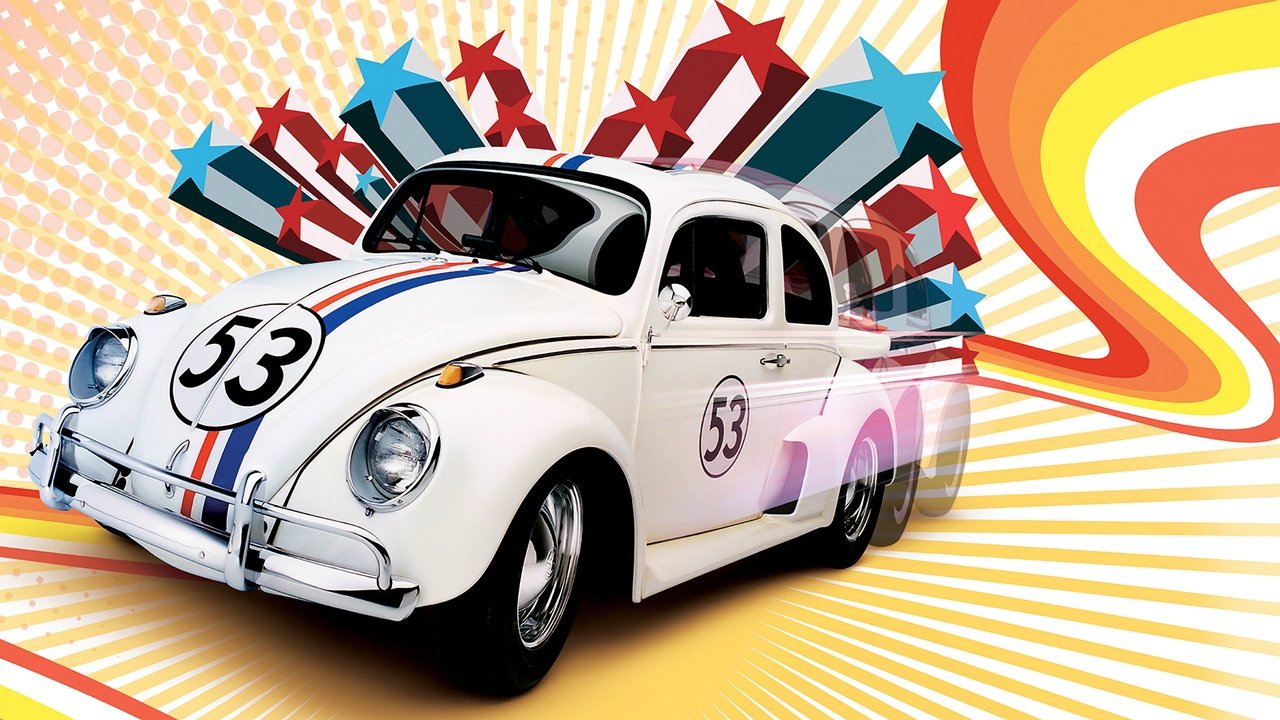
There was a specific kind of sun-drenched, bubblegum-scented optimism that only existed in mid-2000s Disney live-action cinema. It was the era of low-rise jeans, pop-punk soundtracks, and the absolute peak of Lindsay Lohan’s "America’s Sweetheart" phase. When Herbie Fully Loaded rolled into theaters in 2005, it wasn't just bringing back a dusty 1960s relic; it was trying to prove that a sentient Volkswagen Beetle could survive in the high-octane, sponsorship-heavy world of modern NASCAR. Looking back, it’s a fascinating time capsule of a studio system caught right in the middle of the transition from practical stunt work to the digital "fix it in post" mentality.
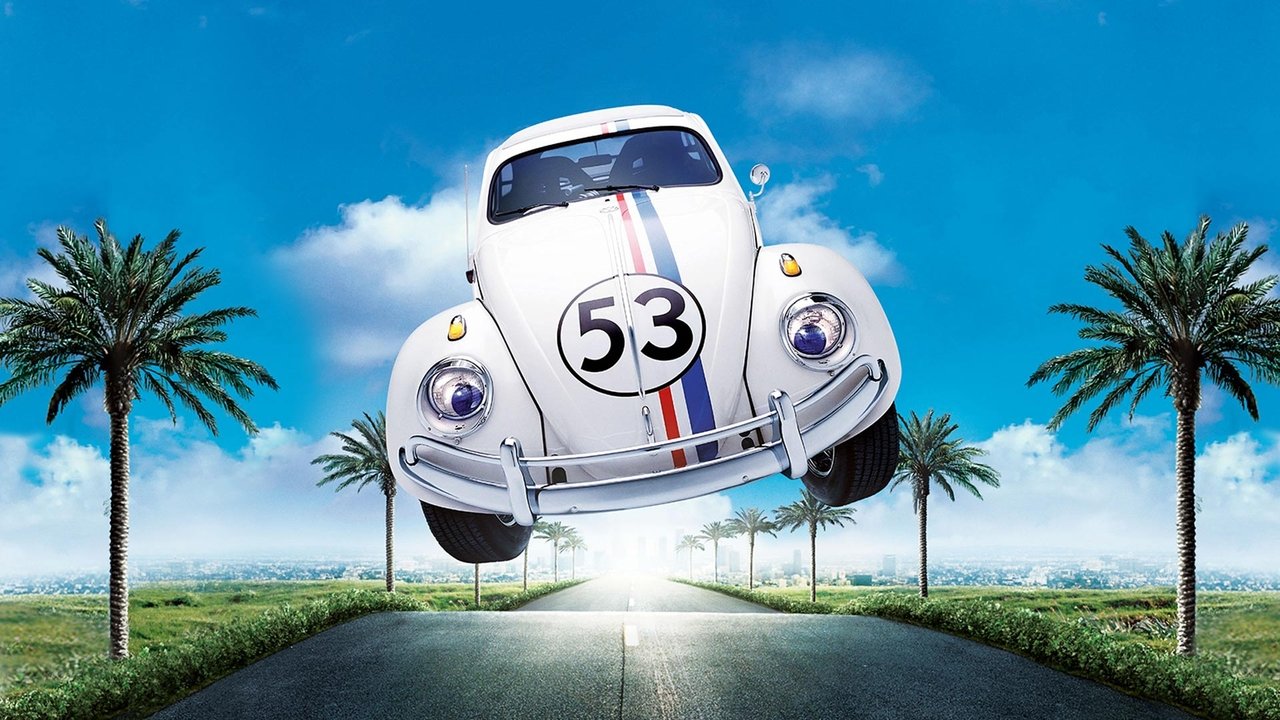
I watched this recently on a flight where the kid behind me kept kicking my seat rhythmically to the beat of a Kelly Clarkson song, and honestly, the sheer chaotic energy of that experience felt remarkably on-brand for a movie about a car that pees oil on its enemies.
A Junkyard Dawg in a NASCAR World
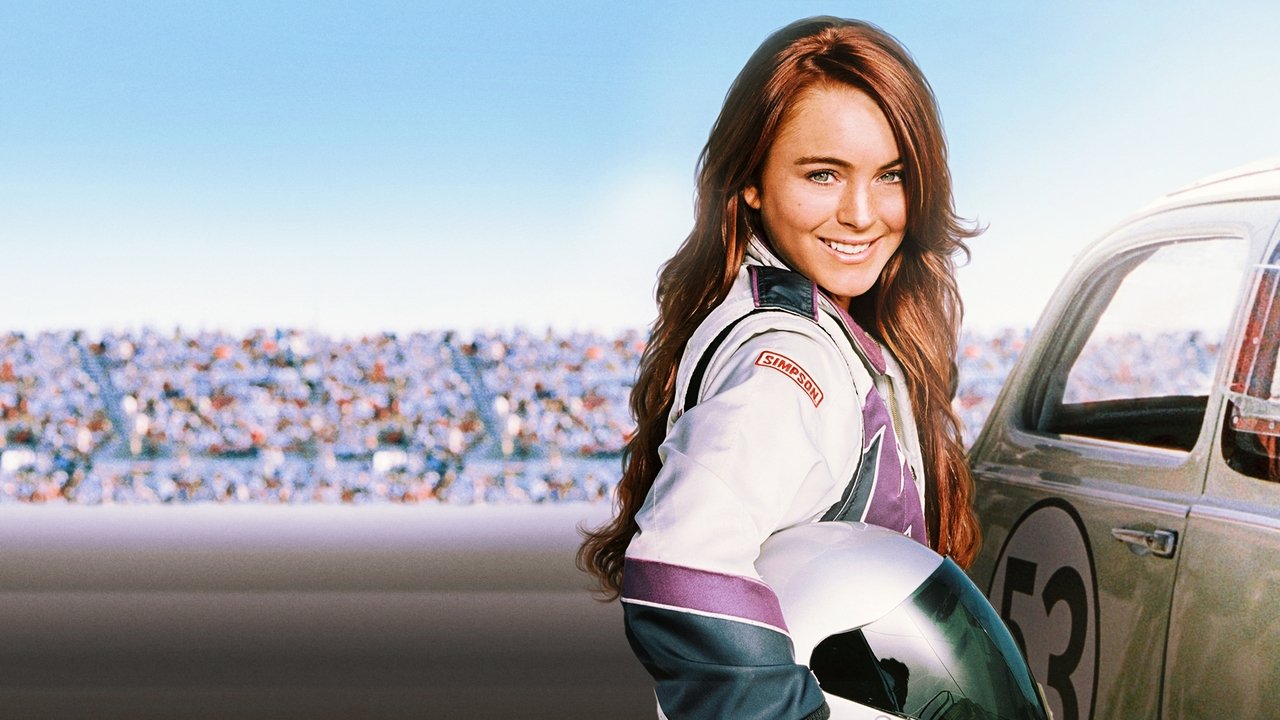
The adventure kicks off with Maggie Peyton (Lindsay Lohan), a recent college grad with racing in her blood but a protective father (Michael Keaton, doing the "worried dad" thing long before his Birdman career resurgence) who wants her far from the track. The journey structure here is classic Disney: the hero finds a discarded treasure (Herbie), discovers its secret power, and undergoes a series of escalating trials to prove their worth.
What makes the adventure work isn't the plot—which you can predict from the first frame—but the sense of personality infused into the car. Director Angela Robinson (who had just come off the indie cult hit D.E.B.S.) wisely treats Herbie as a silent film star. In an era where the CGI revolution was starting to make everything look a bit too smooth and weightless, Herbie Fully Loaded actually used 36 different Volkswagens to pull off its stunts. Seeing a real car do a "wheelie" or shimmy its fenders provides a tactile satisfaction that modern Marvel movies often lack. The logic of a car having a 'personality' is best left unquestioned unless you want a migraine, but within the world of the film, the camaraderie between Maggie and her bug feels surprisingly earned.
The Face of the Franchise
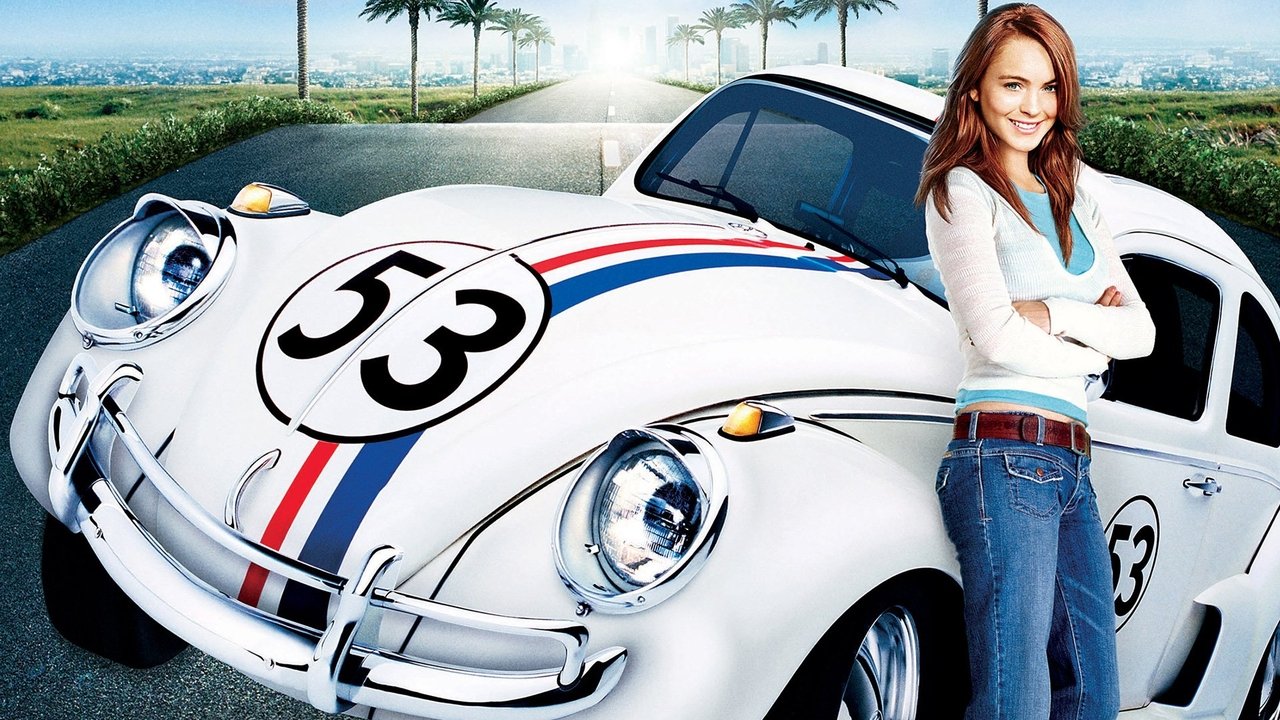
By 2005, the DVD culture was at its zenith, and you can feel the "special features" energy in the casting. We have Justin Long as Kevin, the quintessential 2000s nerdy-but-cute love interest, and Breckin Meyer (fresh off Road Trip and Garfield) as the brother who’s lost his racing mojo. But the real standout is Matt Dillon as Trip Murphy. Coming off more serious fare, Dillon leans into the villainy with the subtlety of a sledgehammer, playing a NASCAR superstar who is genuinely threatened by a car that looks like a boiled egg.
The film serves as a bridge between eras. You have the practical legacy of the original 1968 The Love Bug, but it’s overlaid with early-digital era flourishes. Herbie’s facial expressions—the shifting headlights and bumper "smiles"—were added digitally by the wizards at ILM. While some of the CGI winks and blinks feel a bit dated now, they captured that Y2K-era desire to make everything more "expressive" through tech. It’s also worth noting that Angela Robinson was the first Black woman to direct a film with a budget over $50 million for Disney, a milestone that often gets lost in the shuffle of it being "just a car movie."
Pit Crew Secrets and Cult Legacy
For a film that was largely dismissed by critics at the time as a "kids' flick," it has a surprisingly deep well of trivia that fans still obsess over. Apparently, the production crew was so dedicated to the car’s history that they tracked down one of the original Herbies from the 1960s films to use in the junkyard scene—specifically the one that looked the most "beat up" to establish the passage of time.
The racing sequences were also surprisingly legit. They filmed during actual NASCAR events, and if you look closely, you’ll see cameos from legends like Jeff Gordon and Jimmie Johnson. There’s a persistent rumor in fan circles about how much the studio had to digitally alter Lohan’s wardrobe in post-production to keep the film "family-friendly," which speaks to the weird intersection of her blossoming tabloid fame and her Disney obligations.
The "adventure" here isn't just about winning a trophy; it’s about the shift from the analog past to the digital future. Herbie represents the old-school soul of racing, while Matt Dillon’s character represents the corporate, tech-obsessed modern athlete. It’s a theme that resonates more now than it did in 2005, as we’ve moved even further into a world where everything feels manufactured.
Herbie Fully Loaded isn't a masterpiece of cinema, but it’s a remarkably pleasant way to spend 101 minutes. It captures a specific moment in time when Lindsay Lohan was a genuine movie star and the film industry was still figuring out how to blend the physical world with the digital one. It’s a movie that invites you to turn off your brain and just enjoy the sight of a small car outrunning a stock car. Sometimes, that’s exactly the kind of adventure you need.
Keep Exploring...
-
Night at the Museum: Battle of the Smithsonian
2009
-

Night at the Museum
2006
-
Bedtime Stories
2008
-
Freaky Friday
2003
-
Just My Luck
2006
-
Hercules
1997
-
Last Action Hero
1993
-
Stuart Little
1999
-
Mirror Mirror
2012
-
Night at the Museum: Secret of the Tomb
2014
-

The Ant Bully
2006
-
Shrek the Halls
2007
-
Shrek the Third
2007
-
Horton Hears a Who!
2008
-
Shrek Forever After
2010
-
The Road to El Dorado
2000
-

Sinbad: Legend of the Seven Seas
2003
-
Stardust
2007
-

Asterix and Obelix vs. Caesar
1999
-
Are We There Yet?
2005