Hostage
"High stakes, high glass, and a very bad day."
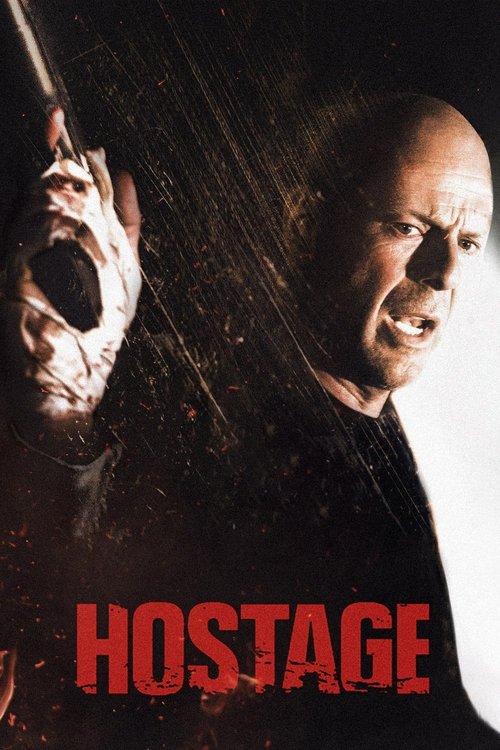
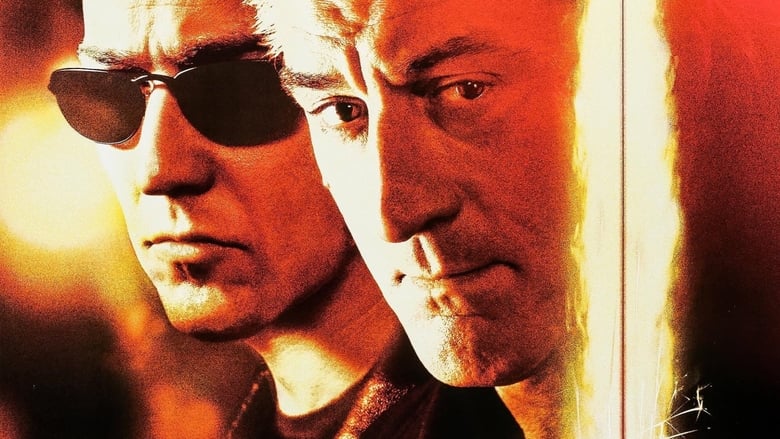
The opening credits of Hostage don’t look like a standard mid-2000s action flick; they look like a graphic novel bleeding onto the screen. It’s all high-contrast reds and blacks, set to a haunting, operatic score by Alexandre Desplat (who, at the time, hadn't yet become the Oscar-collecting machine we know today). It’s an immediate signal that while we’re here to see Bruce Willis do the "Bruce Willis thing," director Florent-Emilio Siri has no intention of making this a generic suburban shootout. I watched this recently on a scratched DVD I found in a thrift store—the kind where the case still smells faintly of a 2005 Blockbuster—and honestly, the grit of the physical disc felt right for a movie this sweaty and desperate.
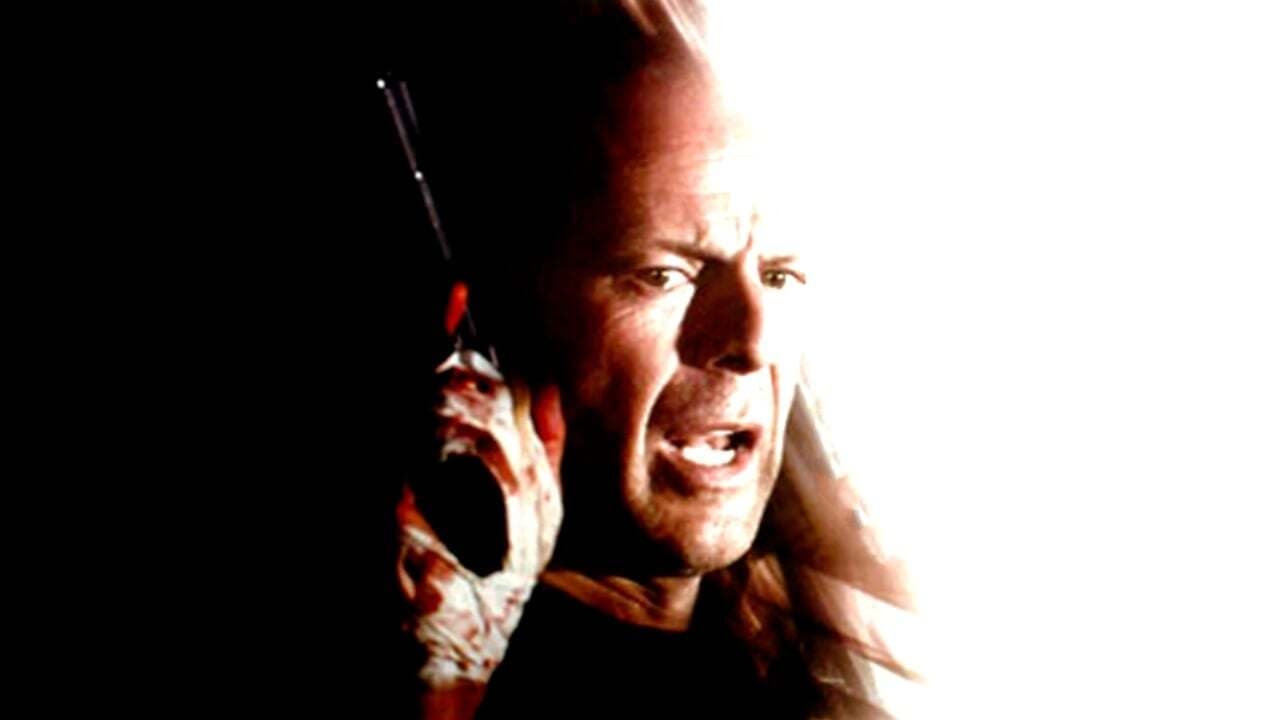
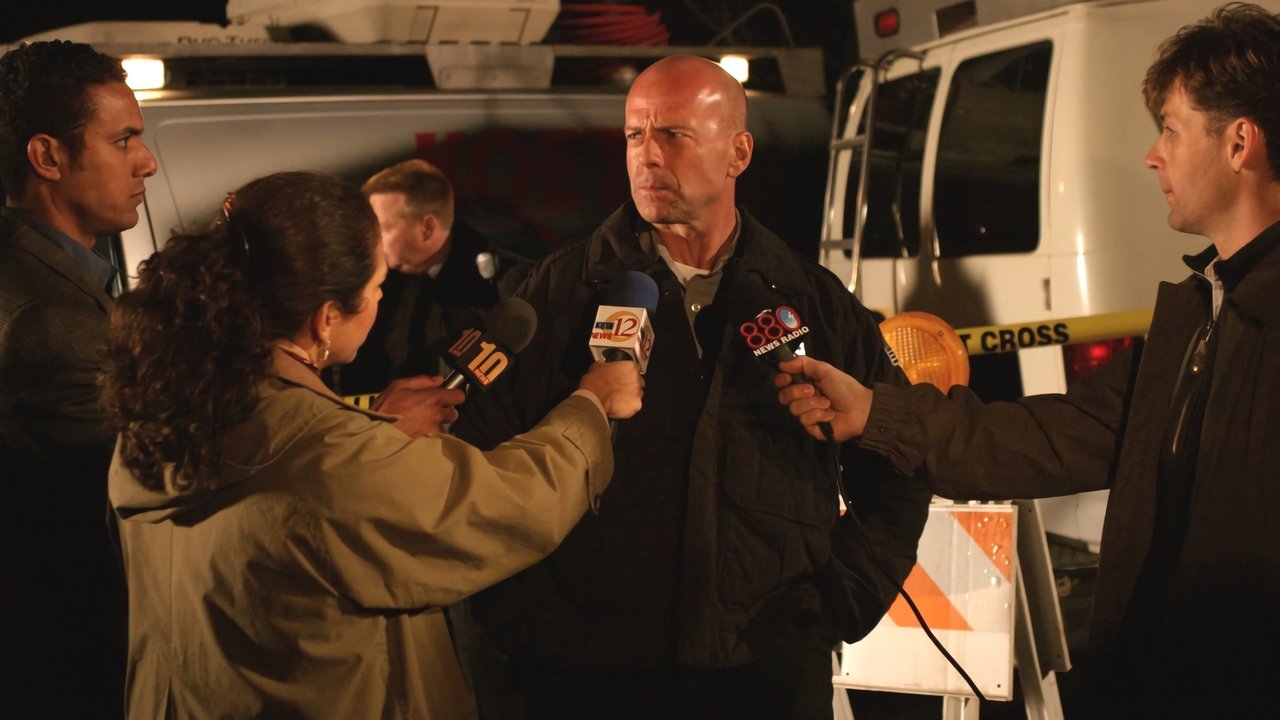
By 2005, the "Tired Bruce" archetype was in full swing. Following his genre-defining run in the 90s, Willis had shifted into playing men who weren't just physically beaten, but spiritually hollowed out. As Jeff Talley, a former LAPD hostage negotiator who retreated to a quiet suburban chief-of-police gig after a tragedy, Willis looks like he’s made of nothing but scar tissue and regret. It’s a performance that captures that specific post-9/11 cinematic anxiety—the fear that no matter how much tech or training you have, you might still fail to protect the people who matter most.
The McMansion from Hell
The plot kicks off when three young delinquents—led by a twitchy, terrifying Ben Foster—decide to carjack a family and end up trapped in a high-tech fortress of a house. This isn’t just any house; it belongs to a mob accountant played by Kevin Pollak (The Usual Suspects), who has a "sensitive" DVD that some very scary people want back. The stakes double-down when the mob kidnaps Talley’s own wife and daughter to ensure he "negotiates" the situation in their favor.
What follows is a wonderfully claustrophobic exercise in tension. The house itself, a brutalist concrete-and-glass monster perched on a California hillside, becomes a character in its own right. Florent-Emilio Siri, who gained notice for the French actioner The Nest (2002), brings a European eye to the staging. He loves reflections, long shadows, and the way fire looks when it’s licking against expensive furniture. The action isn't just about who shoots first; it’s about the geography of the space. It’s basically Die Hard if John McClane was a depressed middle-manager stuck on the outside of the building.
Mars and the Art of the Creepy Villain
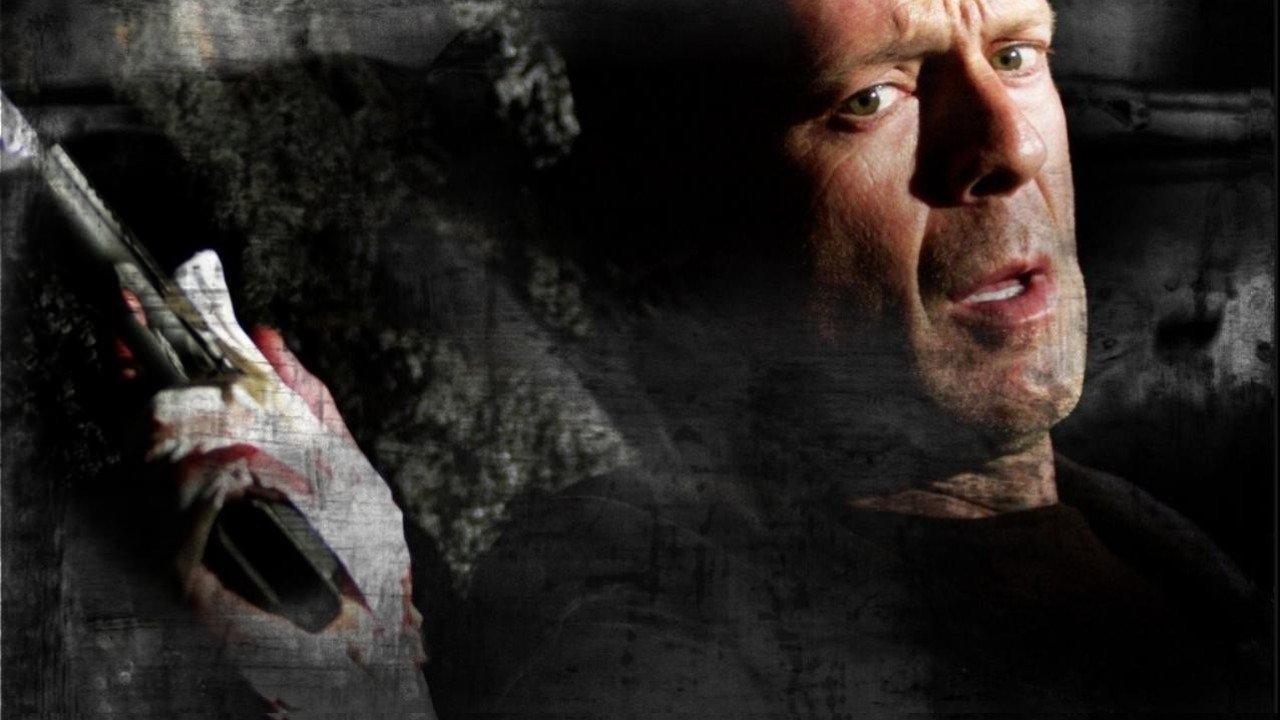
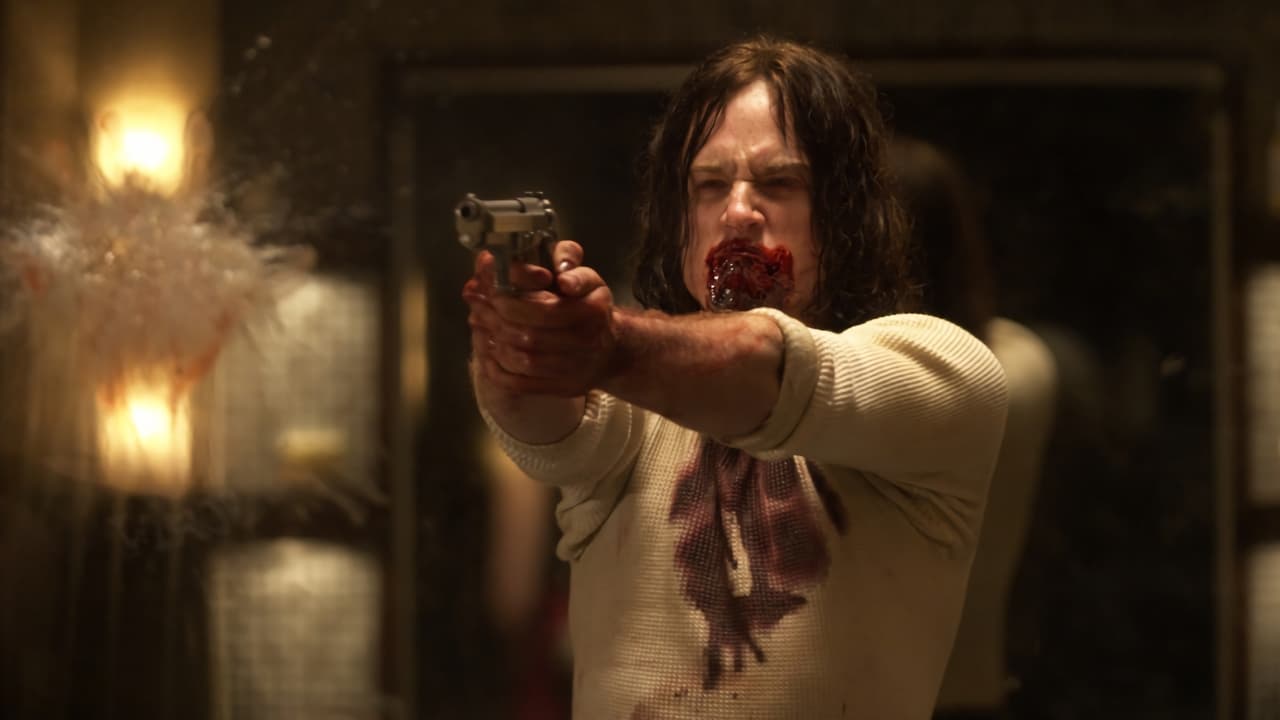
While Willis provides the emotional anchor, the movie is frequently hijacked—appropriately enough—by Ben Foster. As Mars Krupcheck, Foster delivers a performance that feels like it belongs in a slasher movie. He’s silent, pale, and possesses a gaze that suggests he’s seeing things the other characters can’t. There’s a scene involving him stalking through the house with Molotov cocktails that is genuinely more reminiscent of Halloween than Lethal Weapon.
Foster’s intensity is balanced by the vulnerability of the kids in the house, particularly Jimmy Bennett as the young Tommy Smith. Usually, kids in these movies are just MacGuffins with pigtails, but Bennett actually sells the terror of being hunted in your own home. The chemistry between the trapped family and their captors is a powder keg, and Siri keeps the fuse burning by constantly shifting the power dynamics. One minute the punks are in charge; the next, they’re realizing they’ve stumbled into a much larger, much deadlier game involving the syndicate.
Action with an Analog Heart
Despite being released during the "CGI everything" boom of the mid-2000s, Hostage feels remarkably tactile. When things explode, they look like they’re actually exploding. When Bruce Willis crawls through a ventilation shaft (a nice nod to his roots), you can practically feel the dust in his lungs. The cinematography by Giovanni Fiore Coltellacci avoids the shaky-cam "Bourne" tropes that were beginning to infect the genre at the time, opting instead for steady, deliberate shots that let the choreography breathe.
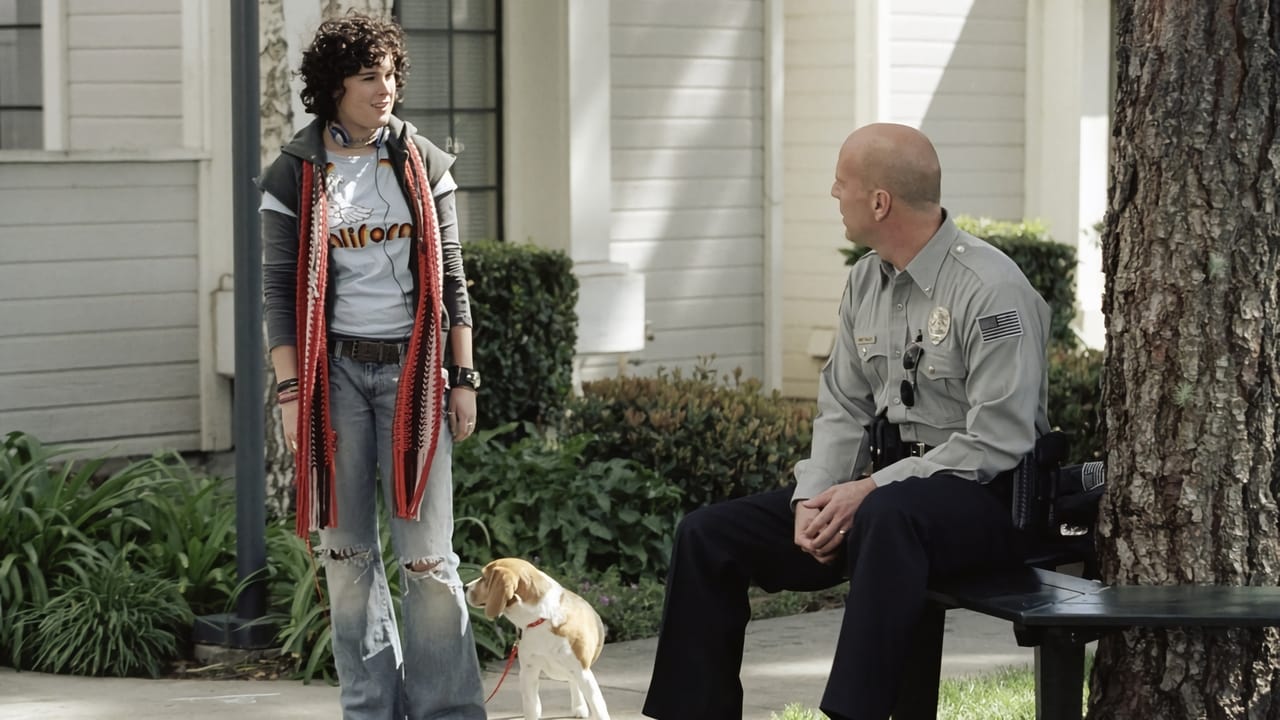
The film’s MacGuffin—an encrypted DVD—is a hilarious time capsule. There’s a sequence involving digital decryption that feels like a lifetime ago, reminding us of an era when "the data" had to be physically held in your hand rather than plucked from the cloud. It adds a layer of physical urgency that modern thrillers often lack. The stunt work is equally grounded; the falls look painful, and the gunfights have a deafening, percussive weight to them. The sound design for the suppressed pistols sounds less like a "pew" and more like a heavy industrial stapler, which is weirdly satisfying.
Hostage is a film that was perhaps too dark to be a massive summer blockbuster and too "Bruce Willis" to be taken seriously by the high-brow critics of its day. Looking back, however, it’s a masterclass in mid-budget tension. It’s a movie that understands that action is only as good as the stakes behind it. By putting Willis in a position where his professional failure and his personal life collide so violently, it manages to transcend its "B-movie" DNA.
If you haven't revisited this one since the days of the local video store, it’s worth a second look. It captures a specific moment in time when Hollywood was still figuring out how to balance the gritty realism of the 70s with the slick production values of the 2000s. It’s mean, it’s stylish, and it features Ben Foster being a total weirdo in a way that only he can. It’s a reminder that sometimes, the best seat in the house is the one where you’re watching someone else’s worst-case scenario unfold in 1080p.
Keep Exploring...
-
Striking Distance
1993
-

16 Blocks
2006
-

RED
2010
-
Firewall
2006
-
Along Came a Spider
2001
-
Blood Work
2002
-
Basic
2003
-
The Hunted
2003
-
Into the Blue
2005
-
Miami Vice
2006
-
The Sentinel
2006
-

The International
2009
-
Cop Out
2010
-
The Jackal
1997
-
Mercury Rising
1998
-

Romeo Must Die
2000
-
Shaft
2000
-
Kiss of the Dragon
2001
-
The Score
2001
-

Domino
2005