Jarhead
"War is hell, but boredom is worse."
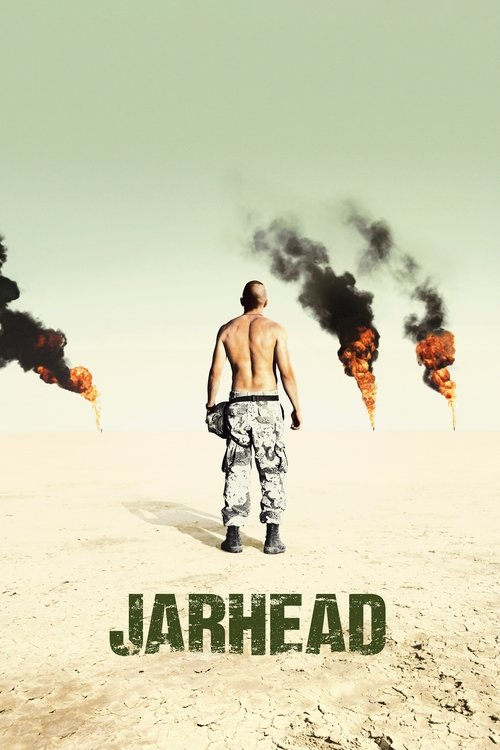
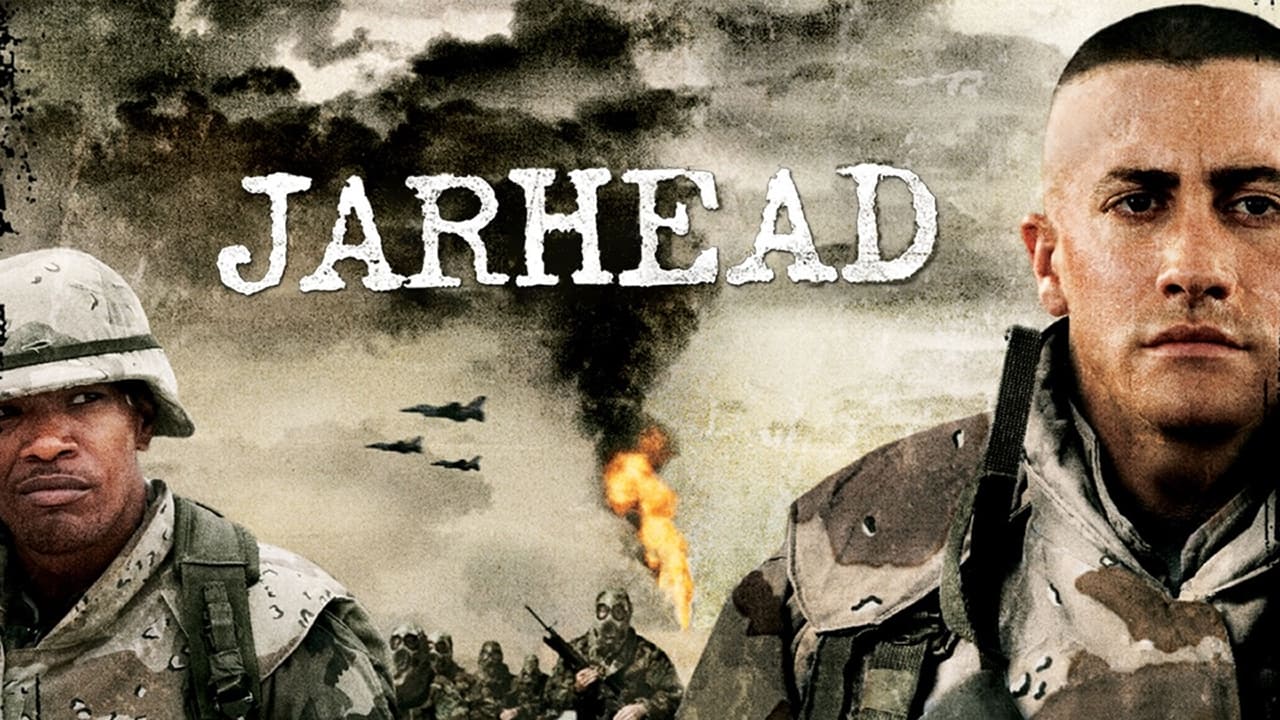
In the mid-2000s, the cinematic landscape was drowning in the high-octane grit of the "War on Terror." We were getting used to the shaky-cam chaos of Black Hawk Down and the burgeoning intensity of the Bourne era. So, when the trailer for Jarhead dropped featuring Kanye West’s "Jesus Walks" and shots of Marines sprinting through fire, we all braced ourselves for a testosterone-fueled epic. What Sam Mendes actually gave us was much more daring: a movie about the agonizing, soul-crushing experience of waiting for a war that refuses to start.
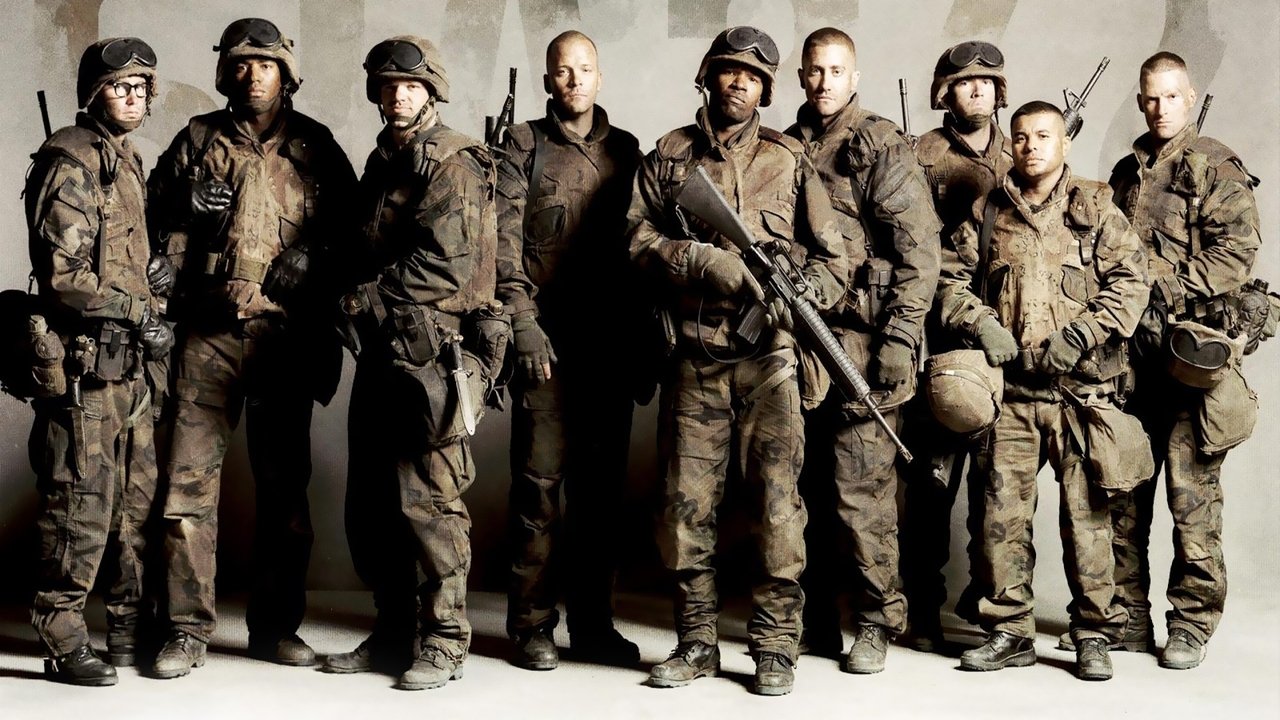
I watched this recently on a laptop screen so small I could barely see the snipers, while my roommate’s cat kept trying to eat my shoelaces, and honestly, the domestic distraction only highlighted how much this film is about the "white noise" of life. It’s a war movie that is all foreplay and no climax, and that’s exactly why it’s brilliant.
The Art of the Desert Grind
The film follows Anthony Swofford, played with a perfect mix of wide-eyed terror and simmering resentment by Jake Gyllenhaal. Swofford is a "jarhead"—a term for a Marine, based on the high-and-tight haircut that makes their heads look like Mason jars. We follow him from the brutal, almost cliché-defying boot camp led by Scott MacDonald’s D.I. Fitch, straight into the shimmering heat of the Persian Gulf.
But once they land in the sand, the expected "movie" action evaporates. Instead of firefights, we get "hydration discipline." Instead of heroism, we get Marines forced to play football in gas masks for a news crew. Mendes, reunited with legendary cinematographer Roger Deakins, captures the desert not as a battlefield, but as a surreal, golden purgatory. There’s a specific shot of a lone horse wandering through the oil-soaked darkness that feels more like a fever dream than a combat report. It’s the cinematic equivalent of a blue-light filter for your soul, draining the "glory" out of the genre until all that's left is sand and sweat.
Performances in a Pressure Cooker
The chemistry of the central trio is what keeps the engine humming when the plot intentionally stalls. Jake Gyllenhaal was in that mid-2000s sweet spot where he was transitioning from "indie kid" to "leading man," and he nails the psychological fragmentation of a guy who just wants to shoot his rifle so he can justify the last six months of his life.
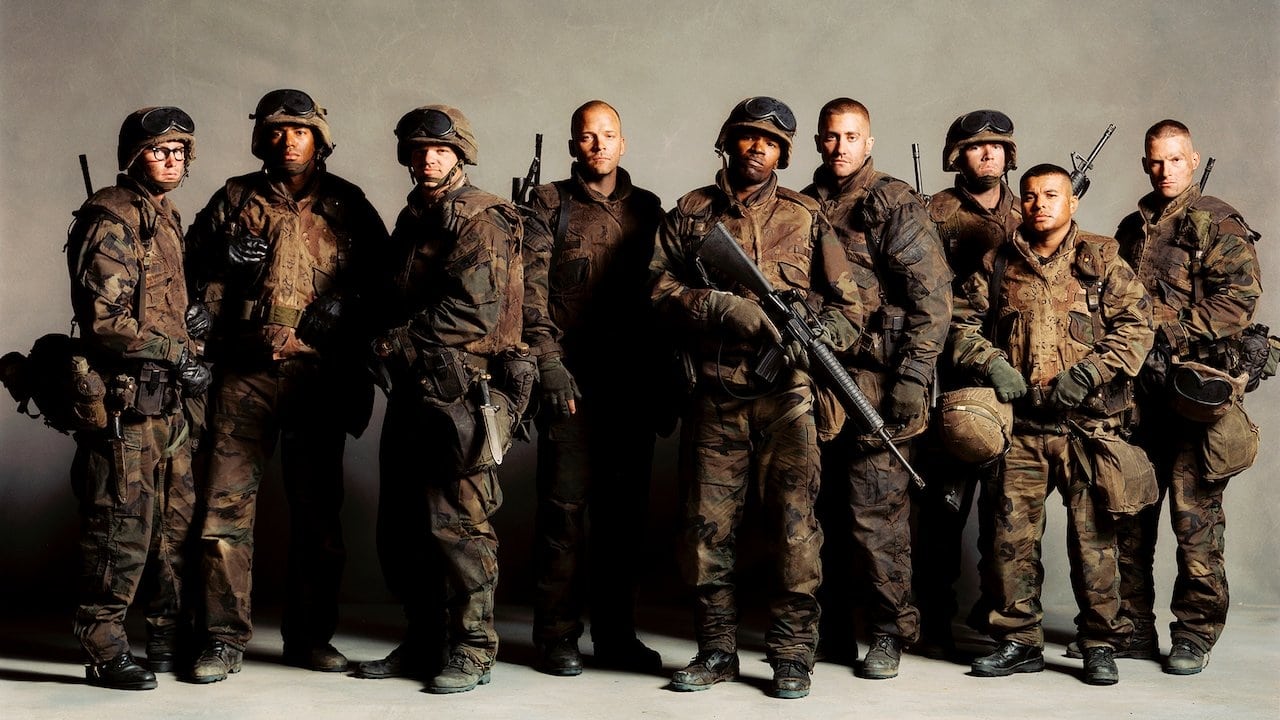
Beside him is Peter Sarsgaard as Alan Troy, Swofford’s spotter. Sarsgaard is the film’s secret weapon, bringing a quiet, desperate dignity to a man who has tied his entire identity to a war that is being fought by pilots ten thousand feet above him. Then there’s Jamie Foxx as Staff Sgt. Sykes. Coming off his Oscar win for Ray, Foxx could have easily chewed the scenery, but he plays Sykes with a chilling, professional zeal. He loves the Marine Corps with a fervor that is both admirable and terrifying. When he looks at the burning oil fields and says, "I love this job," you believe him, and it makes your skin crawl.
Why It Became a Cult Favorite
Upon release, Jarhead was a bit of a head-scratcher for general audiences. It didn’t have the flag-waving catharsis of a typical blockbuster, and it didn't have the clear-cut villainy of a traditional drama. But over the years, it has earned a massive following, particularly among actual veterans. Why? Because it captures the "suck"—the universal military experience of 99% boredom and 1% sheer panic.
The film is packed with the kind of weird details that feel too strange to be fiction:
The "branding" scene, where Marines get the USMC globe and anchor seared into their skin, was actually based on a real (though prohibited) ritual. The scene where the unit watches Apocalypse Now and cheers for the helicopter attack is a masterclass in showing how soldiers consume "anti-war" media as pure hype. To keep the actors in the right headspace, the production used real, functional tents in the desert, and the cast spent a significant amount of time "living" in the grime. Apparently, the real Anthony Swofford was initially hesitant about the adaptation, but the "Welcome to the suck" mantra became so synonymous with the film that it re-entered the military lexicon in a big way. * The "oil rain" was actually a mixture of molasses and ground-up charcoal, which Gyllenhaal and Sarsgaard had to endure for days on end.
The Legacy of the "Suck"
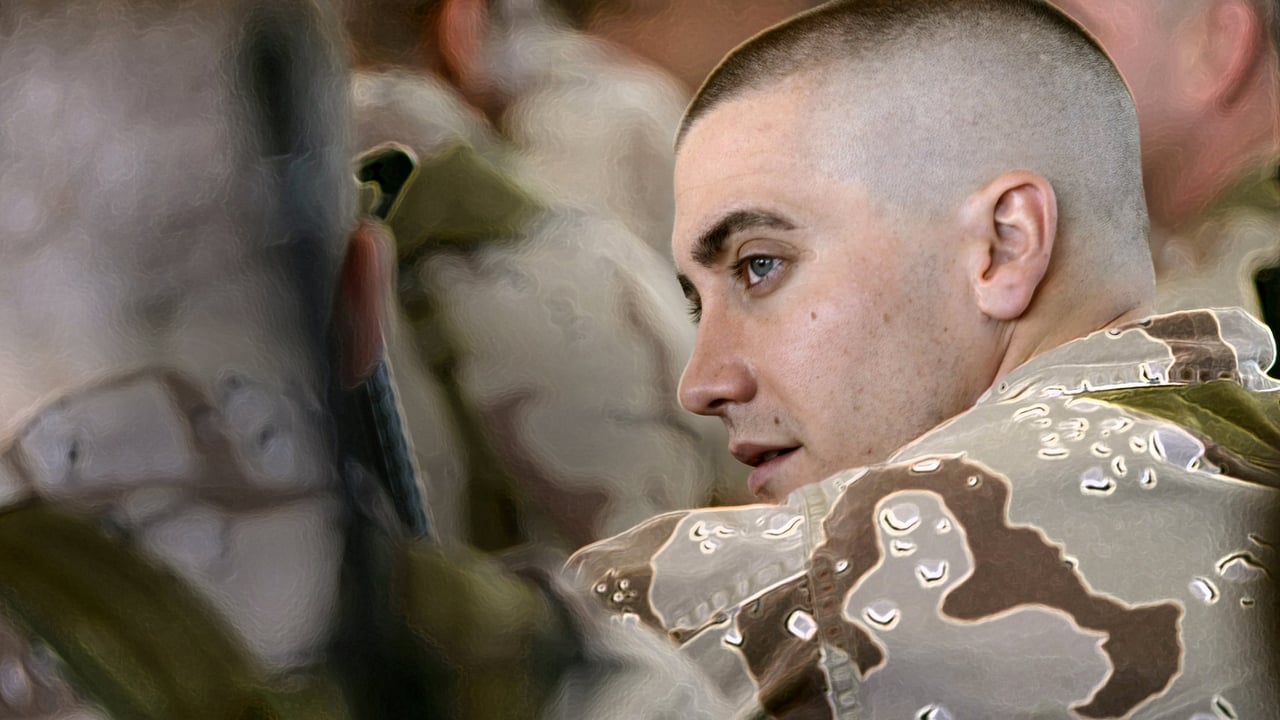
Looking back from the 2020s, Jarhead feels like a bridge between the analog war movies of the 20th century and the cynical, tech-heavy perspectives of today. It was shot on film but possesses a crispness that heralded the digital era. It also captures that post-9/11 anxiety perfectly—even though it’s set in 1990, the fear of an unseen enemy and the realization that technology has made the individual soldier almost obsolete feels incredibly prescient.
The film doesn't ask you to admire these men as heroes, nor does it ask you to judge them as monsters. It simply asks you to sit in the sand with them and wait. It’s a drama that understands that sometimes the greatest trauma isn't what happens to you, but the fact that nothing happened at all.
Jarhead is a rare breed: a war film that finds its tension in the absence of combat. While it might be too slow for those looking for a "G.I. Joe" experience, its commitment to the psychological reality of its characters makes it one of the most honest films of its decade. It’s beautifully shot, impeccably acted, and remains the definitive cinematic tribute to the grueling art of doing nothing in the middle of nowhere.

Keep Exploring...
-
Road to Perdition
2002
-

Revolutionary Road
2008
-
The Patriot
2000
-
The Hurt Locker
2008
-
Enemy at the Gates
2001
-
Master and Commander: The Far Side of the World
2003
-
Tears of the Sun
2003
-

Alexander
2004
-
King Arthur
2004
-
Kingdom of Heaven
2005
-
Flags of Our Fathers
2006
-
Valkyrie
2008
-
Green Zone
2010
-
Letters from Iwo Jima
2006
-

Brothers
2009
-
Jarhead: Law of Return
2019
-
The Thin Red Line
1998
-
The Monuments Men
2014
-
Unbroken
2014
-
K-19: The Widowmaker
2002