Joyeux Noel
"The night the war stood still."

I remember finding my copy of Joyeux Noel in a bargain bin at a defunct Blockbuster back in 2007, sandwiched between a cracked jewel case of Click and a dusty workout DVD. At the time, I was knee-deep in a phase of watching every World War I movie I could get my hands on, fueled by a strange obsession with the sheer, grinding futility of that particular conflict. I watched it on a Tuesday night while eating a bowl of cereal that had gone slightly soggy because I’d forgotten about it during the opening montage of schoolboys reciting nationalistic propaganda. That soggy Flahavan's felt oddly appropriate for a film set in the mud of Northern France.
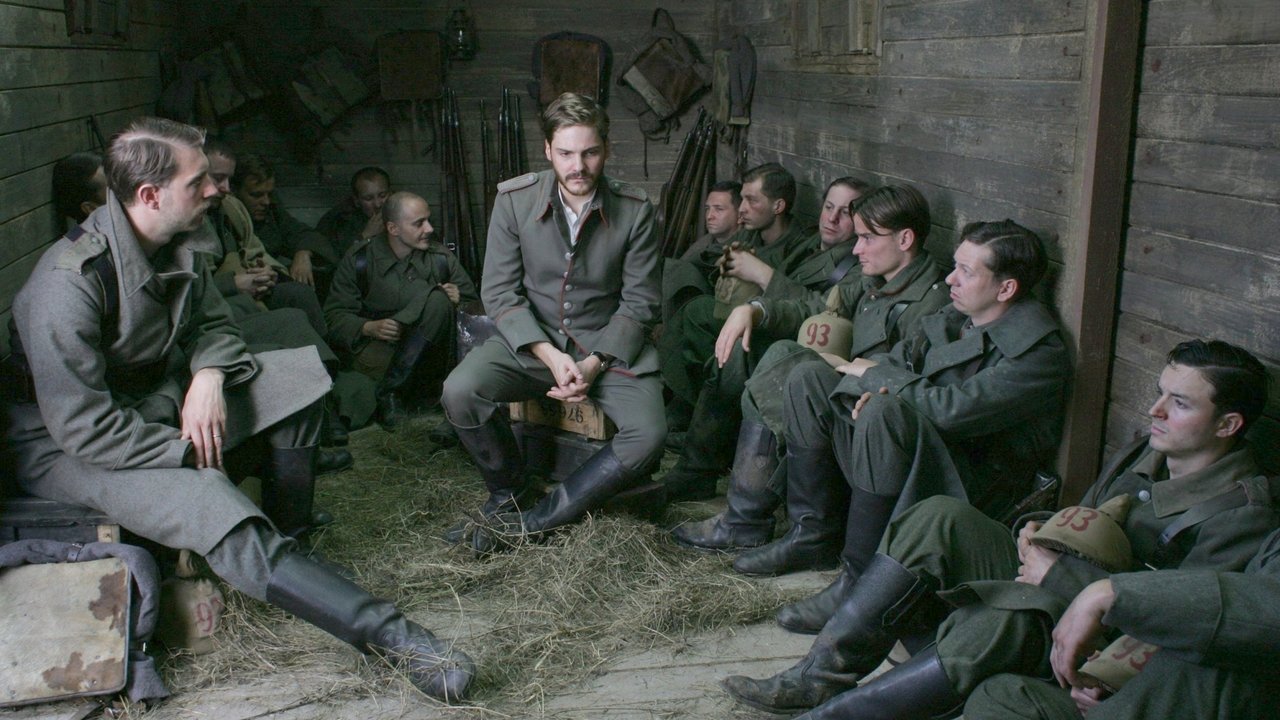
It’s a movie that feels like it belongs to a different era of filmmaking—one where we still believed that a mid-budget international co-production could change the way we viewed history. Released in 2005, right in the thick of the post-9/11 "prestige war film" boom, Joyeux Noel somehow slipped through the cracks. While Saving Private Ryan redefined the visceral gore of the 1940s and Black Hawk Down captured the kinetic chaos of modern urban combat, Christian Carion’s film went for something much more dangerous: sentimentality in the face of certain death.
The Silence of No Man's Land
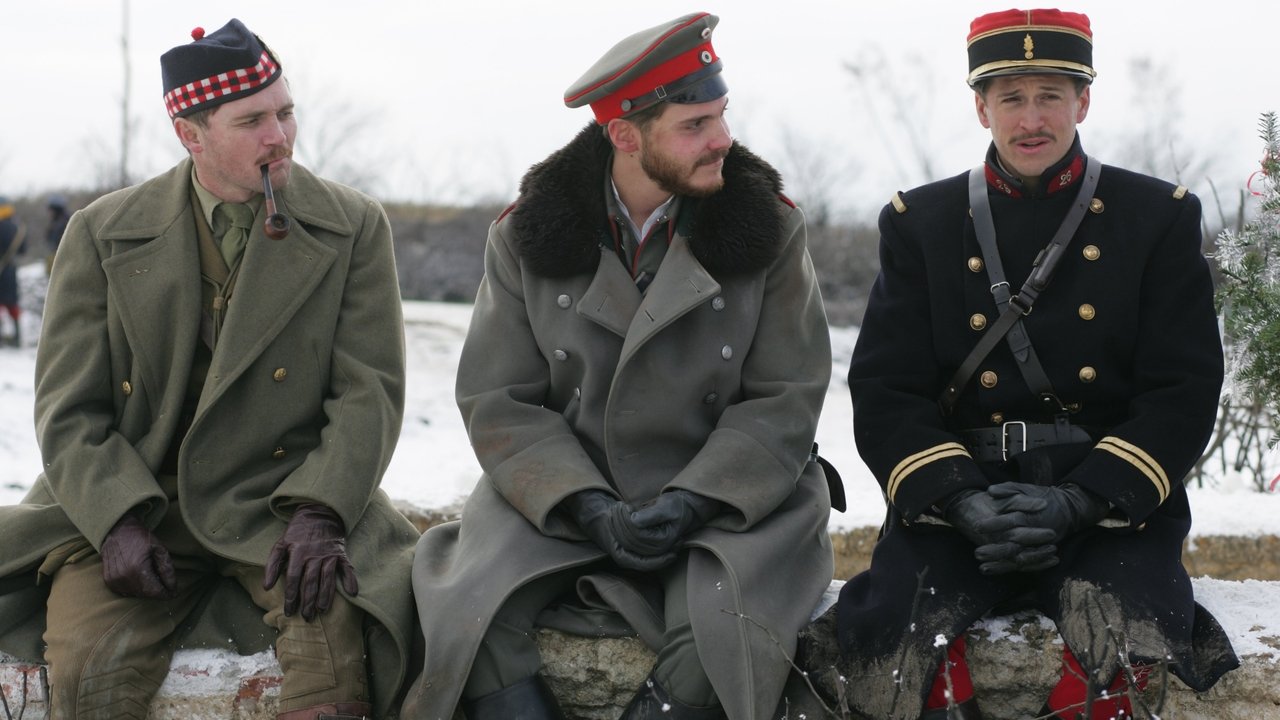
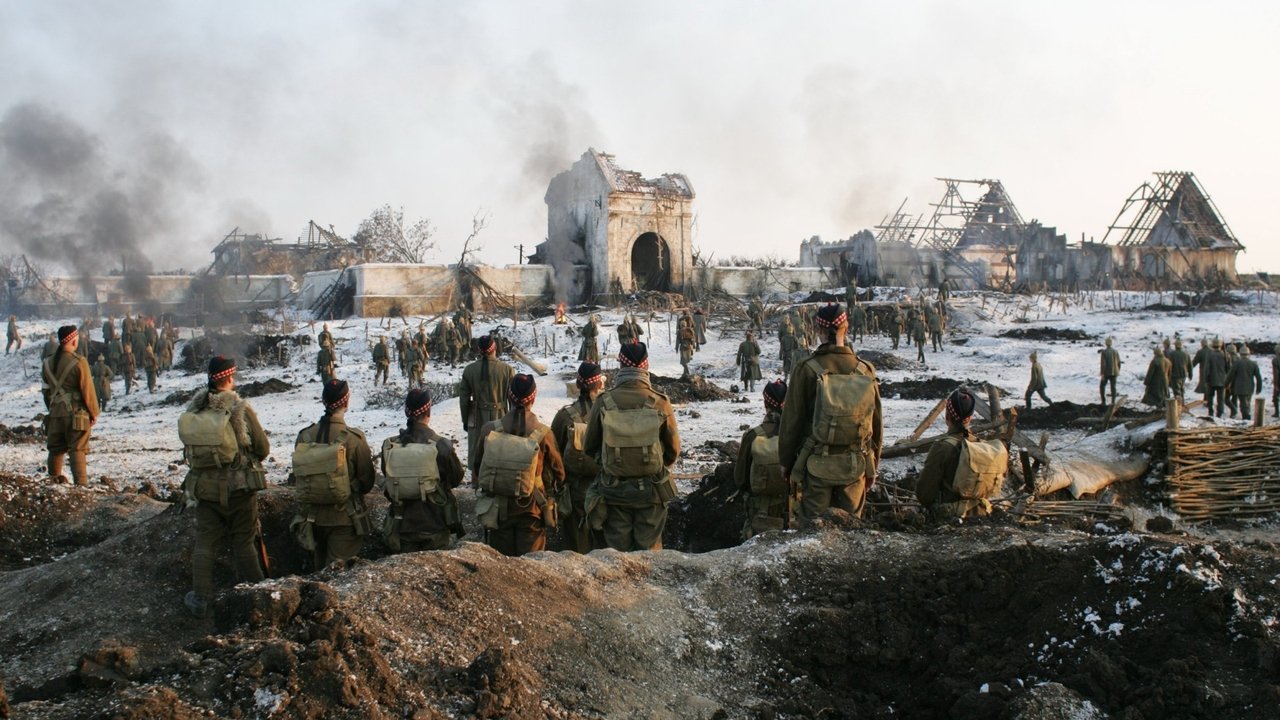
The premise is one of those historical footnotes that sounds like a screenwriter’s fever dream, but it actually happened. On Christmas Eve, 1914, across several sectors of the Western Front, the guns went silent. French, Scottish, and German soldiers climbed out of their trenches, not to charge with bayonets, but to shake hands, swap cigarettes, and bury their dead.
Carion handles this transition from carnage to carols with a deliberate, almost theatrical pace. He doesn't rush to the truce. He makes you sit in the cold for twenty minutes first. You feel the dampness of the French trenches through Guillaume Canet’s weary performance as Lieutenant Audebert, a man who is clearly too tired for the heroics his uniform demands. Across the way, Daniel Brühl (long before he was Zemo in the MCU or a Formula 1 legend in Rush) plays Horstmayer, a German officer who is Jewish, stern, and deeply reluctant to be there.
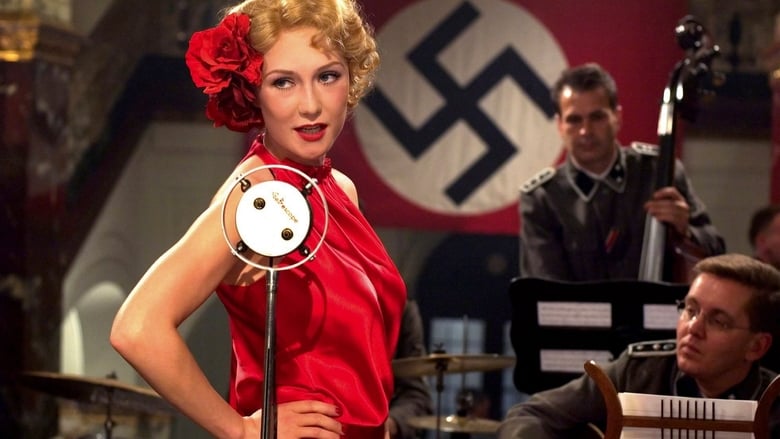
The catalyst for the truce is music. Benno Fürmann plays Nikolaus Sprink, a famous German tenor who has been drafted into the infantry. When his partner, Anna Sörensen (Diane Kruger), manages to arrange a performance for the officers near the front, Sprink takes his song to the edge of the parapet. It’s a moment that could have been incredibly cheesy—a literal operatic aria in a mud pit—but the film earns it by focusing on the faces of the men listening. The look on Gary Lewis’s face as the Scottish priest/stretcher-bearer Palmer is what anchors the scene; it’s the look of a man remembering he has a soul.
A Multilingual Waltz of War

What I find fascinating looking back is how the film handles its "indie renaissance" roots. This was a massive European collaboration—French, British, German, and Romanian money all swirling together—and you can see the care taken to ensure no single side is the "villain." The real antagonist here isn't the guy in the different colored coat; it’s the high-ranking officers and bishops back at headquarters who view this localized peace as a virus that needs to be eradicated.
The performances are remarkably nuanced for a film with such a high "fable" factor. Dany Boon, usually known for his comedic work in France, provides the film's beating heart as Ponchel. His character carries an alarm clock around to remind him of the time his mother drinks her coffee back in their occupied village just a few miles away. It’s a small, devastating piece of character work that reminds me why I love these mid-2000s dramas: they weren't afraid to be small and human in the middle of a big historical canvas.
Interestingly, while Benno Fürmann looks the part of a soaring tenor, the voice you’re actually hearing belongs to the legendary Rolando Villazón. The production actually filmed in Romania because they couldn't find a suitable stretch of French countryside that hadn't been built over or wasn't still littered with unexploded ordnance from the real war. There’s a gritty, practical feel to the sets that CGI just hasn't quite replicated in more recent war epics. The mud looks heavy. The breath of the actors is real.
The Ghost of Christmas Past
Why has Joyeux Noel faded into the "hidden gem" category? Part of it might be its sincerity. In a cynical, post-ironic world, a movie about soldiers playing soccer in No Man's Land feels almost too hopeful. But looking back at it now, it feels more like a warning. The final act of the film isn't a celebration; it's a cold shower. We see the consequences of the truce—the units being broken up, the letters home being censored, the soldiers being sent to the harshest fronts as punishment for their "treason."
There’s a bit of trivia that always sticks with me: a cat appears in the film, wandering between the trenches. In real life, during these truces, there were accounts of a cat that the soldiers on both sides fed. When the high command found out, the cat was officially "arrested" for espionage and executed by a firing squad. Carion leaves that specific horror out, but the spirit of that absurdity haunts the final frames.
If you can find it—and it’s getting harder to track down on physical media without paying a premium—I highly recommend giving it those two hours. It’s a film that asks us what we lose when we stop seeing the person on the other side of the fence. It’s a drama that doesn't just show us the war; it shows us the people who briefly decided they were done with it.
It’s a rare thing for a movie to be both a harrowing war drama and a genuinely moving holiday film, but Joyeux Noel pulls it off without slipping on the ice. It reminds me that sometimes the most radical thing you can do is share a drink with your enemy. Grab a blanket, ignore the soggy cereal of your own life for a bit, and watch this one with the lights low. Just keep an eye on the cat.

Keep Exploring...
-
Enemy at the Gates
2001
-

A Very Long Engagement
2004
-
The Round Up
2010
-
The Wind Rises
2013
-
The Boy in the Striped Pyjamas
2008
-

The Duchess
2008
-
Downfall
2004
-
Hotel Rwanda
2004
-
The Flowers of War
2011
-
Confessions of a Dangerous Mind
2002
-
Cold Mountain
2003
-
The New World
2005
-
Defiance
2008
-
The Young Victoria
2009
-
The Patriot
2000
-
Kingdom of Heaven
2005
-
Red Cliff
2008
-
The Count of Monte Cristo
2002
-
The Phantom of the Opera
2004
-
Black Book
2006