Just Friends
"He survived the friend zone. Barely."
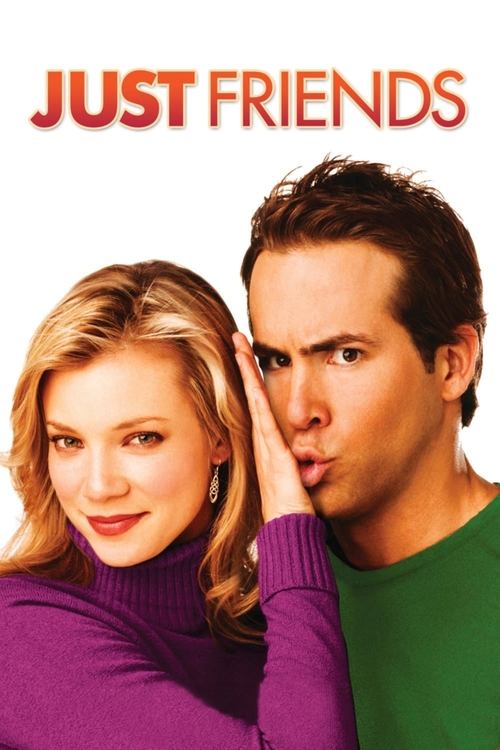
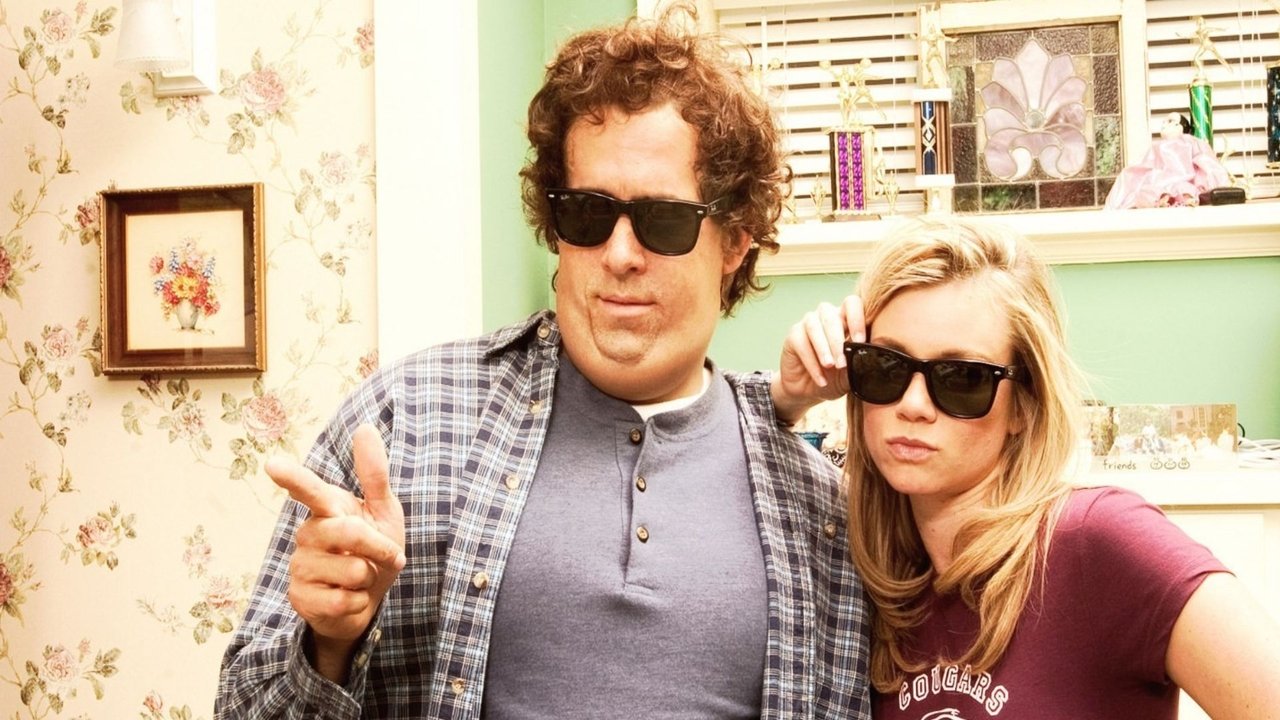
Before he was the Merc with a Mouth or the guy selling you Gin and cell phone plans, Ryan Reynolds was a man in a very large, very sweaty prosthetic chin. Looking back at 2005’s Just Friends, it’s easy to see the exact moment the "Reynolds Persona" was forged in the fires of mid-budget slapstick. It’s a movie that sits comfortably in that weird, post-9/11 bubble of comedy where the jokes were meaner, the pratfalls were harder, and every romantic lead was apparently one bad haircut away from a villain origin story.
I rewatched this last Tuesday while eating a bowl of cereal so stale it had the structural integrity of drywall, and honestly, the crunching only added to the experience. It reminded me of a time when the "DVD Extra" was the peak of cinematic literacy. I remember buying the disc for this at a Circuit City and spending more time on the gag reel than the actual feature. That’s the DNA of Just Friends: it’s a movie that feels like one long, improvised riff that somehow found a plot.
The Reynolds Prototype
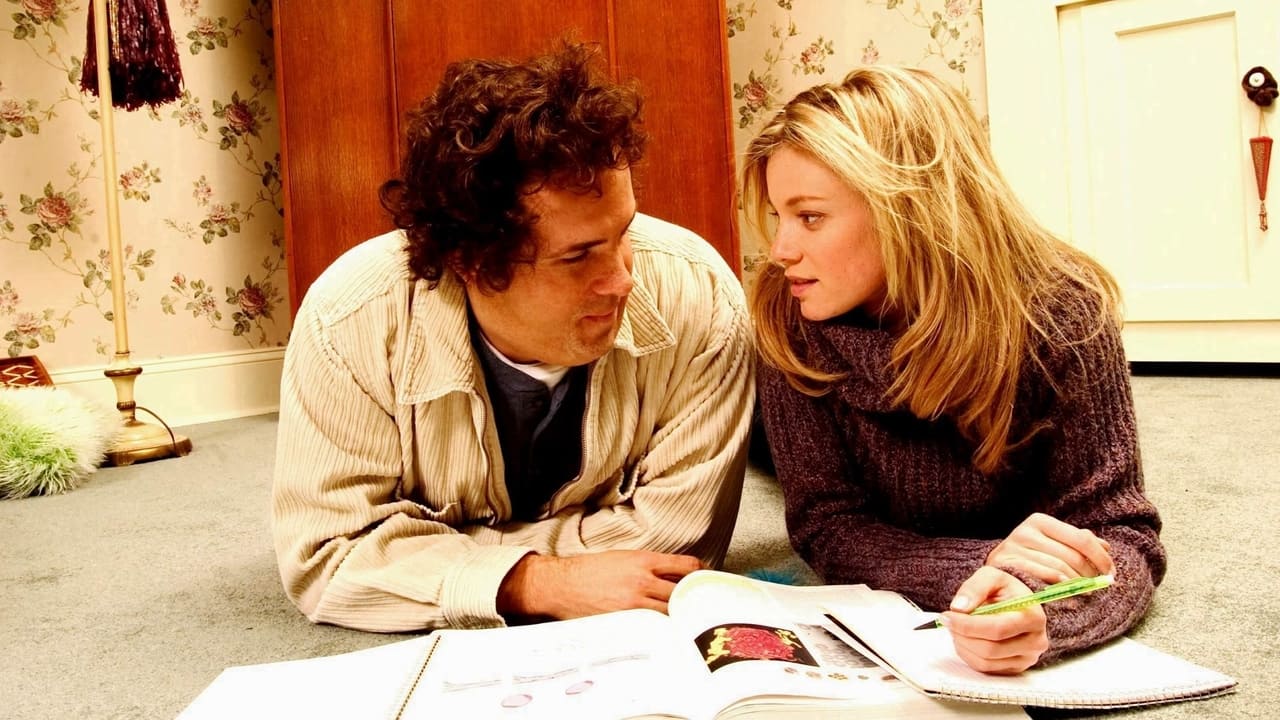
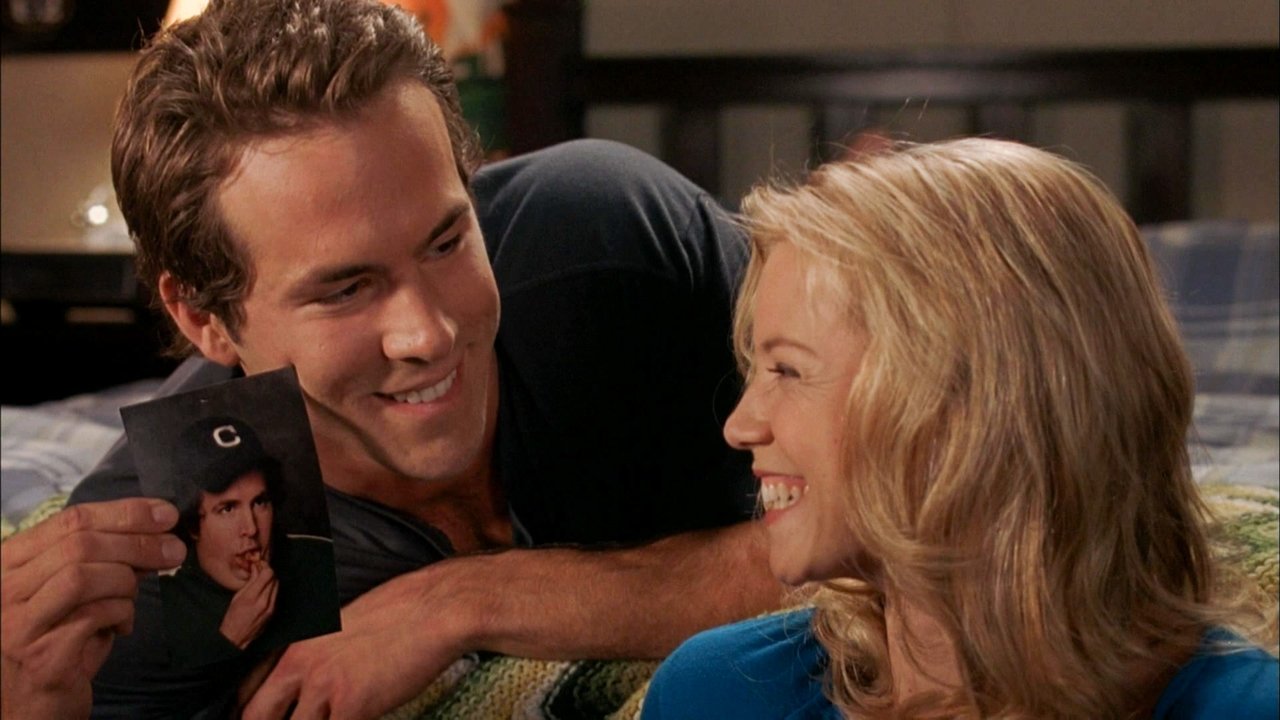
The premise is a classic of the era: Chris Brander (Ryan Reynolds) is a sensitive, overweight high schooler who confesses his love to his best friend Jamie Palamino (Amy Smart) via a yearbook note, only to be brutally "friend-zoned" in front of the entire graduating class. Flash forward ten years, and Chris is a slick, high-powered music exec in Los Angeles who has traded his emotions for a six-pack and a cynical attitude toward women. When a private jet emergency strands him in his snowy New Jersey hometown for Christmas, he decides to "win" the one girl he couldn't have.
This was the era of the "transformation" comedy, but unlike the "girl takes off her glasses" trope, Reynolds plays Chris as a man who is still fundamentally the same vibrating ball of anxiety he was at seventeen. It’s a physical performance. Ryan Reynolds treats his own body like a crash test dummy. Whether he’s getting his tongue stuck to a frozen metal pole or engaging in a truly feral backyard brawl with his younger brother Mike (Christopher Rodriguez Marquette), he is 100% committed to the bit. He plays Chris Brander like a man who is allergic to his own skin, and that frantic energy is what saves the movie from being a standard, forgettable rom-com.
The Hurricane Named Samantha James
While the romance with Amy Smart (who does an admirable job playing the "straight man" to the surrounding insanity) is the engine, the high-octane fuel is Anna Faris. If you haven't revisited her performance as Samantha James—a hyper-possessive, borderline-sociopathic pop star—you are missing one of the great comedic turns of the 2000s.
Faris is a whirlwind of "Me Decade" narcissism. Her character is a parody of the mid-2000s pop princess (think Ashlee Simpson meets Britney Spears at her most chaotic). Her song "Forgiveness"—which consists mostly of her screaming the word "forgiveness" into a microphone while attacking a guitar—is a masterpiece of cringe comedy. She is the chaotic neutral force that prevents the movie from getting too sentimental. In a modern landscape where comedies often feel over-polished and safe, Faris’s performance is a reminder that being genuinely weird is a lost art.
The "Nice Guy" Subversion
What's surprisingly prescient about Just Friends is how it handles the "Nice Guy" trope. Enter Dusty Dinkleman, played by Chris Klein with a dead-eyed, acoustic-guitar-strumming intensity that is genuinely unsettling. At the time, Dusty was just the "other guy," but watching it now, Dusty Dinkleman is the actual villain of a horror movie masquerading as a rom-com.
The film captures that specific Y2K-era anxiety about social hierarchy. Chris thinks he’s "fixed" himself by becoming successful and attractive, only to find that in his hometown, he’s still just the kid who got his heart broken. The movie doesn't quite have the guts to deconstruct the "friend zone" with 2024 sensibilities—it still treats the concept as a legitimate trap—but it does lean heavily into the idea that trying to "win" a person is a recipe for a mental breakdown.
The film looks like its era, too. There’s a certain flat, bright lighting common in 2000s comedies that screams "we shot this in a suburb of Vancouver pretending it’s New Jersey." It lacks the visual flair of director Roger Kumble’s previous work, Cruel Intentions, but it makes up for it with a soundtrack that is essentially a time capsule of 2005 radio: The All-American Rejects, Rogue Wave, and Ben Folds.
Just Friends isn't a masterpiece of the genre, but it’s a high-tier "comfort watch" that earns its keep through sheer effort. It’s a movie that knows exactly what it is—a vehicle for Ryan Reynolds to be a human cartoon and for Anna Faris to destroy every set she walks onto. It captures a specific transitional moment in Hollywood comedy, where the heart was starting to peek through the mean-spiritedness of the 90s, but before the Judd Apatow "improv-till-it-hurts" style took over the industry. If you’re looking for a holiday movie that swaps the sentiment for a few well-placed hockey pucks to the face, this is the one to dig out of the digital bargain bin.
---
Keep Exploring...
-
The Sweetest Thing
2002
-
National Lampoon's Van Wilder
2002
-
Waiting...
2005
-

Definitely, Maybe
2008
-
America's Sweethearts
2001
-

Heartbreakers
2001
-
Kate & Leopold
2001
-
The Mexican
2001
-

The Wedding Planner
2001
-
Confessions of a Dangerous Mind
2002
-
S1m0ne
2002
-
Intolerable Cruelty
2003
-
Legally Blonde 2: Red, White & Blonde
2003
-

Under the Tuscan Sun
2003
-

What a Girl Wants
2003
-

Alfie
2004
-
First Daughter
2004
-
Jersey Girl
2004
-

A Lot Like Love
2005
-
Are We There Yet?
2005