King Kong
"A giant’s heart, a director’s obsession."
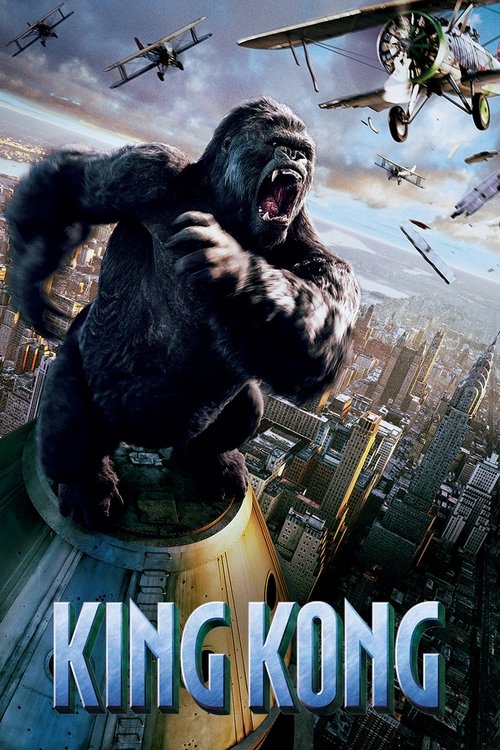
In 2005, Peter Jackson was the undisputed King of the World. He had just finished hauling a dozen Oscars home for The Lord of the Rings, and Universal Pictures essentially handed him a blank check and a jungle machete to remake the movie that made him want to be a filmmaker in the first place. The result is a three-hour, $207 million epic that feels less like a traditional studio blockbuster and more like the world’s most expensive fan film. It is sprawling, self-indulgent, and breathtakingly sincere.
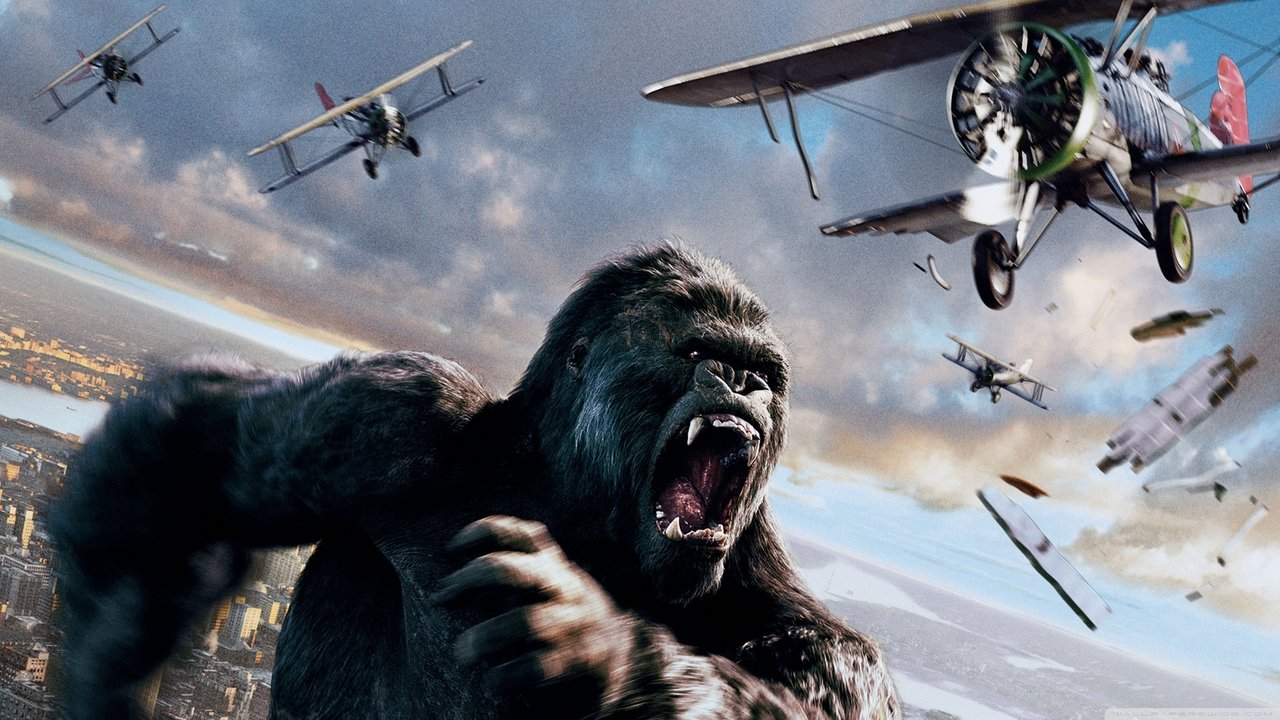
I recently rewatched my old "Limited Three-Disc Edition" DVD—the one with the silver packaging that looked great on a shelf but always managed to pinch your thumb when you opened it—and I was struck by how much this film represents the absolute peak of the "Big Digital" era. This was the moment where CGI stopped being a gimmick and started trying to convey genuine soul.
The Ape with a Soul
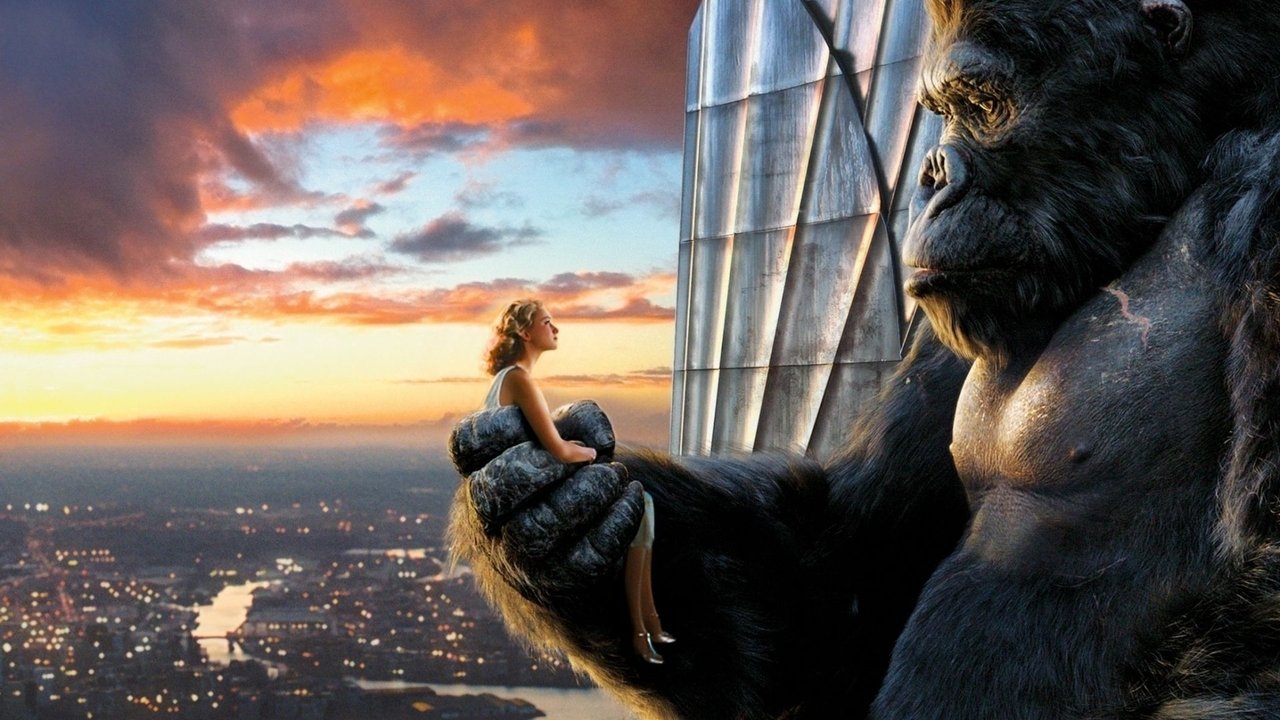
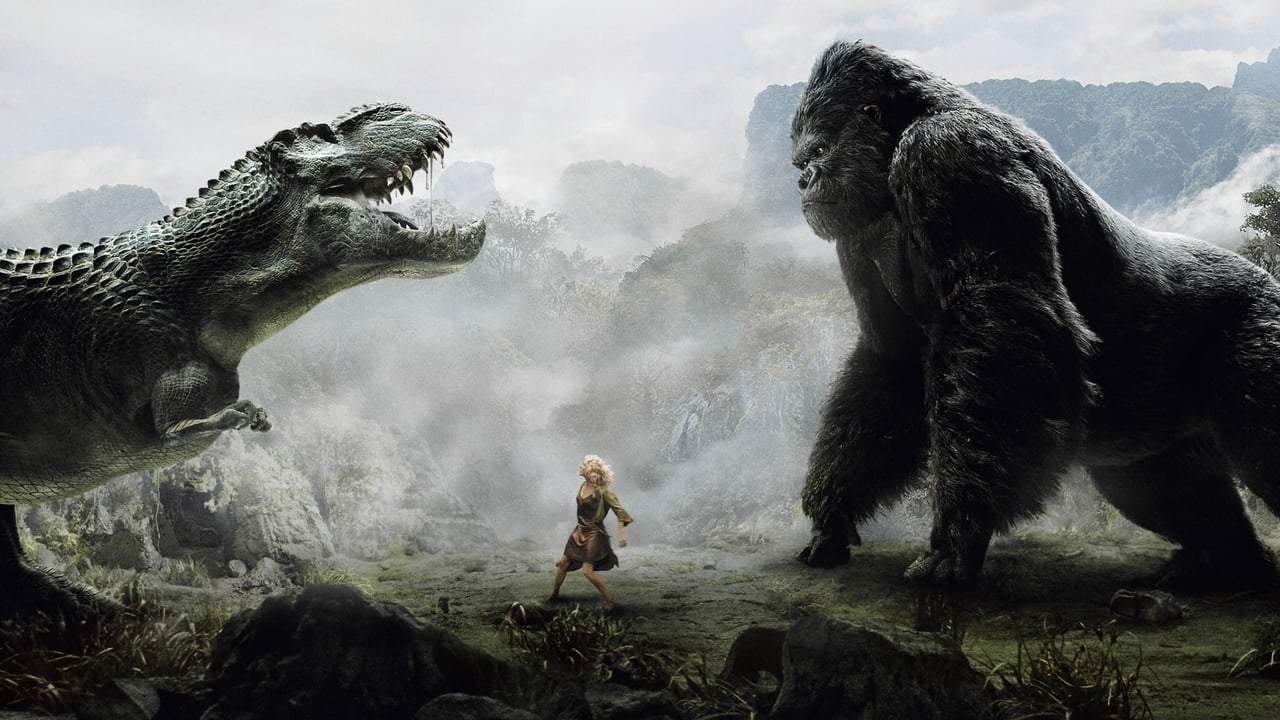
The heavy lifting here isn't done by the massive sets or the dizzying camera moves; it’s done by Andy Serkis. Fresh off his turn as Gollum, Serkis spent months studying gorillas in Rwanda to bring Kong to life. Looking back, the motion-capture technology of 2005 has aged surprisingly well. Sure, there are moments where the lighting on the fur feels a bit "early-millennium shiny," but the eyes are perfect. When Kong looks at Naomi Watts (playing Ann Darrow), there is a crushing loneliness there that makes you forget you’re looking at a mountain of ones and zeros.
Naomi Watts deserves a retroactive trophy for her performance here. She spent a significant portion of the shoot screaming at a green tennis ball on a stick, yet she manages to sell the bizarre, tragic bond between a vaudeville dancer and a twenty-five-foot primate. Her chemistry with Kong is, frankly, much more convincing than her romance with Adrien Brody, who plays the playwright-turned-action-hero Jack Driscoll. Brody is fine, but he looks like he’s constantly apologizing for not being a giant gorilla.
Then there’s Jack Black. Casting the guy from School of Rock as the obsessive, borderline-sociopathic Carl Denham was a massive gamble that paid off. He plays Denham not as a mustache-twirling villain, but as a man whose ambition has completely blinded him to human (or simian) cost. Black brings a frantic, sweaty energy to the role that anchors the New York segments.
A Masterclass in "Too Much"

If there is a flaw in King Kong, it’s that Peter Jackson clearly didn't want to leave a single frame on the cutting room floor. We don’t even see the island until nearly an hour into the runtime. For a modern audience used to the lean pacing of the MCU, this might feel like a slog, but I find the slow build-up charming. It’s a love letter to the 1930s, filled with beautiful, grit-covered recreations of Depression-era Manhattan.
Once we hit Skull Island, the movie shifts into a relentless action gear. The center-piece—a three-way brawl between Kong and several V-Rexes—is still one of the most creatively choreographed fights in cinema history. They use vines as bungee cords; they bite, they tumble, they swing. It has a physical weight that many modern, weightless CGI battles lack.
However, the bug pit scene is basically a specialized form of therapy for people who think their lives are too easy. It’s a horrifying, claustrophobic sequence involving giant crickets and slimy "slug-pede" things that still makes my skin crawl. It’s a classic Jackson move, nodding back to his "splat-stick" roots in films like Dead Alive. Apparently, the crew actually built many of those giant bugs as practical props, and you can feel that tactile grossness on screen.
The Legacy of the Eighth Wonder
This film was a massive bridge between the analog past and the digital future. It was one of the last great "event" movies before everything became a serialized franchise. It’s also a treasure trove for trivia nerds. For instance, the legendary Fay Wray (the original 1933 Ann Darrow) was supposed to have a cameo, but she passed away shortly before filming. In a touching tribute, the final line of the film—"It was beauty killed the beast"—is delivered by Jack Black in the same cadence as the original.
I watched this most recent time while eating a bowl of lukewarm cereal at 11 PM on a Tuesday, and despite the domestic setting, the film still managed to make my living room feel like a grand movie palace. That’s the magic of this era of filmmaking; it wasn't just about "content," it was about the spectacle.
Does it hold up? Mostly. Some of the green-screen work during the brontosaurus stampede looks a bit like a video game cutscene now, but the emotional core is ironclad. Peter Jackson took a B-movie premise and treated it with the reverence of a Shakespearean tragedy. It’s loud, it’s long, and it’s heart-wrenching.
Ultimately, King Kong is a reminder of what happens when a visionary director gets to play with the biggest toys in the world. It’s a film that demands your attention and earns its massive runtime through sheer bravura. It’s not just a monster movie; it’s a tragic romance about the cost of curiosity and the cruelty of the "civilized" world. If you haven't visited Skull Island in a few years, it's time to go back. Just bring some bug spray and a very large box of tissues.
Keep Exploring...
-

The Lovely Bones
2009
-
The Hobbit: An Unexpected Journey
2012
-

The Hobbit: The Desolation of Smaug
2013
-
The Hobbit: The Battle of the Five Armies
2014
-
The Lord of the Rings: The Two Towers
2002
-

The Lord of the Rings: The Return of the King
2003
-

The Perfect Storm
2000
-
A Knight's Tale
2001
-

Alexander
2004
-
King Arthur
2004
-
Kingdom of Heaven
2005
-
Green Zone
2010
-
The Lord of the Rings: The Fellowship of the Ring
2001
-
DragonHeart
1996
-
Dante's Peak
1997
-
xXx
2002
-

Sahara
2005
-
Jumper
2008
-
The Grey
2012
-
The Scorpion King
2002