Kingdom of Heaven
"Finding God in the dust of a broken world."
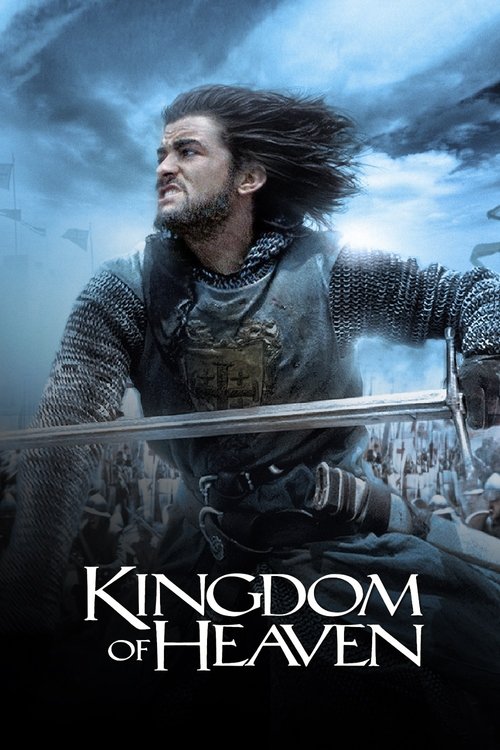
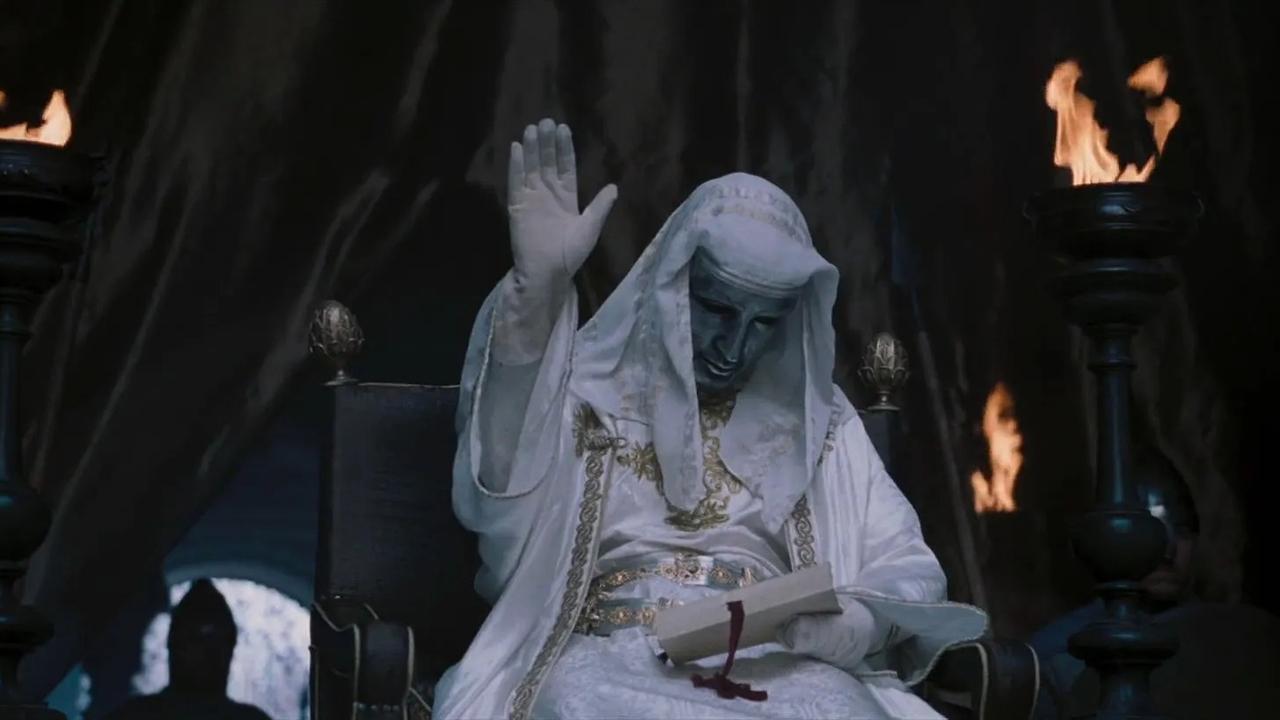
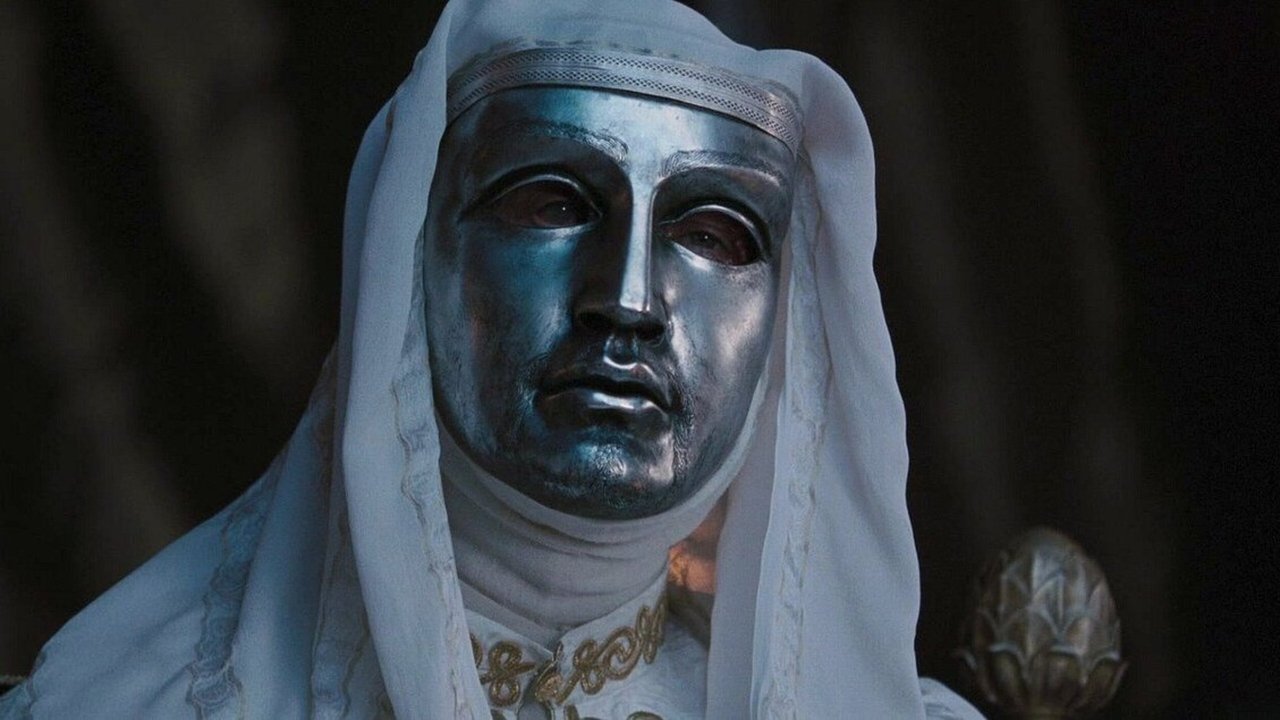
The first time I saw King Baldwin IV on screen—the "Leper King" of Jerusalem—I didn't know I was looking at Edward Norton. Hidden behind a silver mask that never shifts, his voice a fragile, melodic rasp, he remains one of the most haunting figures in 2000s cinema. He sits there, a dying boy-king trying to hold back the tide of fanaticism with nothing but sheer willpower and a rotting body. It’s a perfect metaphor for the film itself: a beautiful, silver-clad exterior desperately trying to hide the decay of an empire.
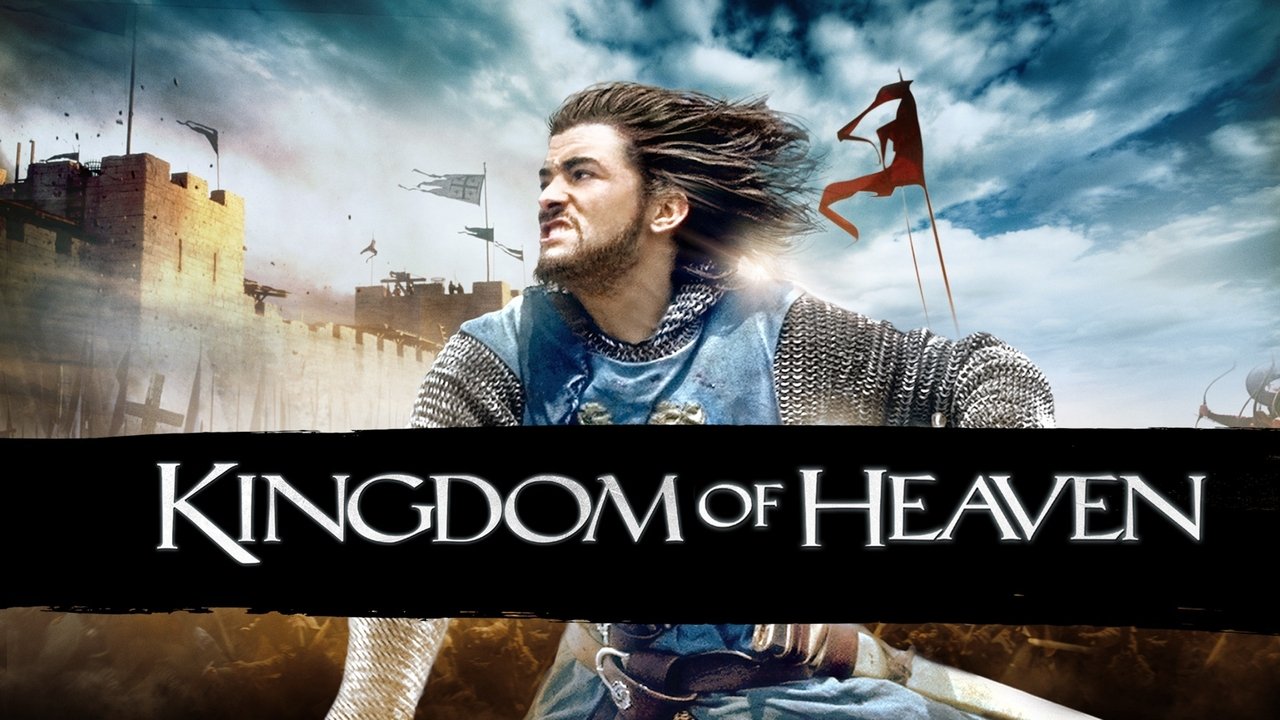
I’ll be honest: if you saw Kingdom of Heaven in a theater back in 2005, you probably walked out feeling like you’d eaten a sandwich that was missing the meat. The studio, terrified by the nearly four-hour runtime of Ridley Scott’s original vision, hacked 45 minutes out of it to make it a "faster" action movie. They turned a sprawling, theological epic into a confusing story about a blacksmith who’s weirdly good at sword fighting. It was a commercial dud that felt like a Gladiator wannabe.
But then came the DVD. Oh, the glory of the four-disc Director’s Cut. I remember watching it for the first time while nursing a mild fever and eating a bowl of lukewarm canned chicken soup—the extra hour of footage didn't just add scenes; it added a soul. It turned a C-grade action flick into what I genuinely believe is the last great historical epic of the analog era.
The DVD That Saved a Kingdom
The "Cult of the Director’s Cut" is a real thing, and this film is its high priest. Looking back from our current age of "content" and streaming, the 2005 DVD release feels like a relic of a time when we actually cared about the craft of a movie. The added footage restores the entire subplot of Eva Green’s character, Sibylla, and her son—a heartbreaking arc that explains why she eventually loses her mind. Without it, she’s just a "love interest"; with it, she’s the film’s tragic center.
What Ridley Scott achieved here, especially in the transition period where CGI was starting to take over, is staggering. He built massive, tangible sets in Ouarzazate, Morocco. When you see 15,000 soldiers marching, a huge chunk of them are actual humans in actual wool and steel. Apparently, the production was so massive that the King of Morocco actually provided hundreds of real soldiers as extras. You can feel that weight. When a trebuchet flings a fireball into a stone wall, it doesn't look like a video game; it looks like the end of the world.
Steel, Dust, and Moral Gray
The action choreography in the Siege of Jerusalem is some of the most stressful cinema I’ve ever experienced. It’s not "fun" action. It’s "Oh god, please stop" action. John Mathieson’s cinematography captures the blinding heat of the desert so well that I found myself reaching for a glass of water every twenty minutes. The blue-tinted frost of the opening scenes in France provides a stark, cold contrast to the golden, suffocating dust of the Holy Land.
I have a bit of a hot take regarding the lead: Orlando Bloom’s Balian is less a warrior and more a sentient piece of driftwood, and that actually works. People complained at the time that he wasn't "alpha" enough compared to Russell Crowe, but Balian is a man who has lost his wife, his child, and his faith. He’s a hollowed-out shell. Watching him get thrust into the political meat-grinder of Jerusalem—caught between the wisdom of Jeremy Irons (playing Tiberias with a world-weary gravel) and the fanaticism of the Templars—is supposed to feel overwhelming.
Then there is Ghassan Massoud as Saladin. In a post-9/11 world, this film was remarkably brave for its time. Instead of a cartoon villain, Massoud gives us a leader who is sophisticated, tired, and deeply respectful of his enemies. There’s a scene where he enters a conquered church and picks up a fallen cross to place it back on an altar. It’s a small gesture, but it’s the heart of the movie. It’s a plea for decency in a landscape defined by blood.
The King Behind the Mask
The "Cool Details" list for this movie is a mile long. For instance, Liam Neeson is only in the first act, but he casts a shadow over the whole film; he actually spent weeks training with a professional swordsman to ensure his "Godfrey" felt like a man who had lived by the blade. And that silver mask Edward Norton wears? He refused to have his name in the credits because he wanted the audience to focus on the character, not the movie star. It worked—I spent the whole movie wondering who this incredible actor was.
Looking back, Kingdom of Heaven feels like the end of an era. It was made right before the MCU formula changed the DNA of blockbusters. It’s a movie that takes itself incredibly seriously, refuses to crack jokes while people are dying of thirst, and asks whether "Jerusalem" is a city of stone or a state of mind. The theatrical cut is a lobotomized action movie; the Director’s Cut is a soul-crushing masterpiece. If you’ve only seen the short version, you haven't seen the movie.
In an age of digital crowds and green-screen landscapes, Kingdom of Heaven (the long version!) stands as a towering achievement of physical filmmaking. It is a grim, beautiful, and deeply moving exploration of what it means to be a "good man" when everyone around you is screaming for war. It’s a film that demands your patience and rewards you with one of the most immersive historical experiences ever put to film. Just make sure you have three hours and a large glass of water handy.


Keep Exploring...
-
Black Hawk Down
2001
-
Red Cliff
2008
-
The Patriot
2000
-
King Arthur
2004
-
Green Zone
2010
-
Troy
2004
-

Braveheart
1995
-
Body of Lies
2008
-
Robin Hood
2010
-
The Count of Monte Cristo
2002
-
Thelma & Louise
1991
-
Enemy at the Gates
2001
-
We Were Soldiers
2002
-
Master and Commander: The Far Side of the World
2003
-
Munich
2005
-
Letters from Iwo Jima
2006
-
Gangs of New York
2002
-

Alexander
2004
-

American Gangster
2007
-

War Horse
2011