Kiss Kiss Bang Bang
"The smartest, meanest, funniest murder mystery you’ve never seen."
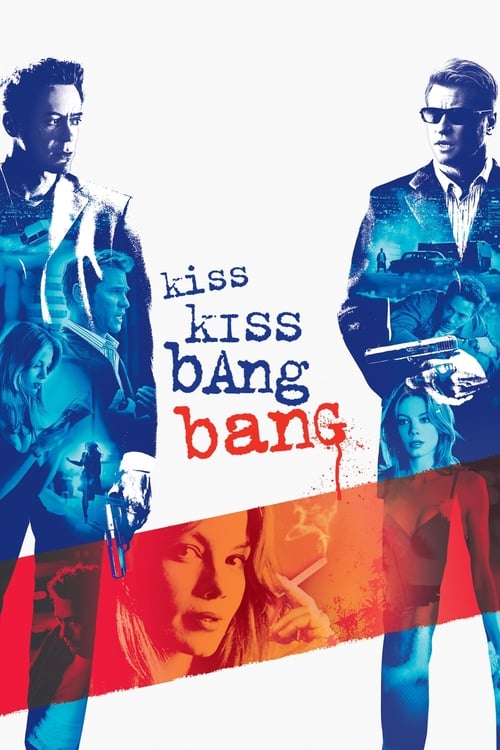
If you want to understand why Robert Downey Jr. became the biggest star on the planet, you don't look at the billion-dollar Marvel sequels. You look at 2005. Specifically, you look at a box-office "failure" that arrived with a shrug from the general public and a thunderous round of applause from anyone lucky enough to catch it in a half-empty theater. Kiss Kiss Bang Bang isn't just a movie; it’s a 102-minute rhythmic pulse of insults, accidental gunshots, and the kind of narrative gymnastics that only Shane Black—the guy who basically invented the modern buddy-cop genre with Lethal Weapon—could stick the landing on.
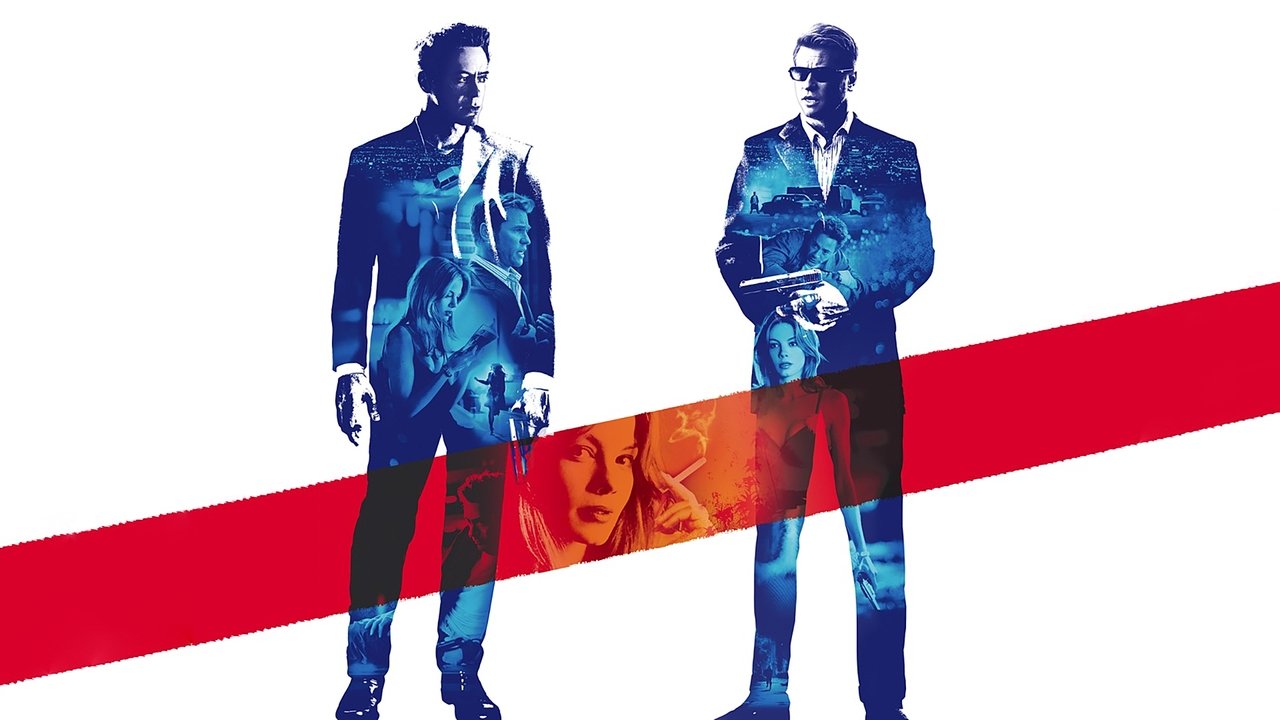
A Masterclass in Meta-Mayhem
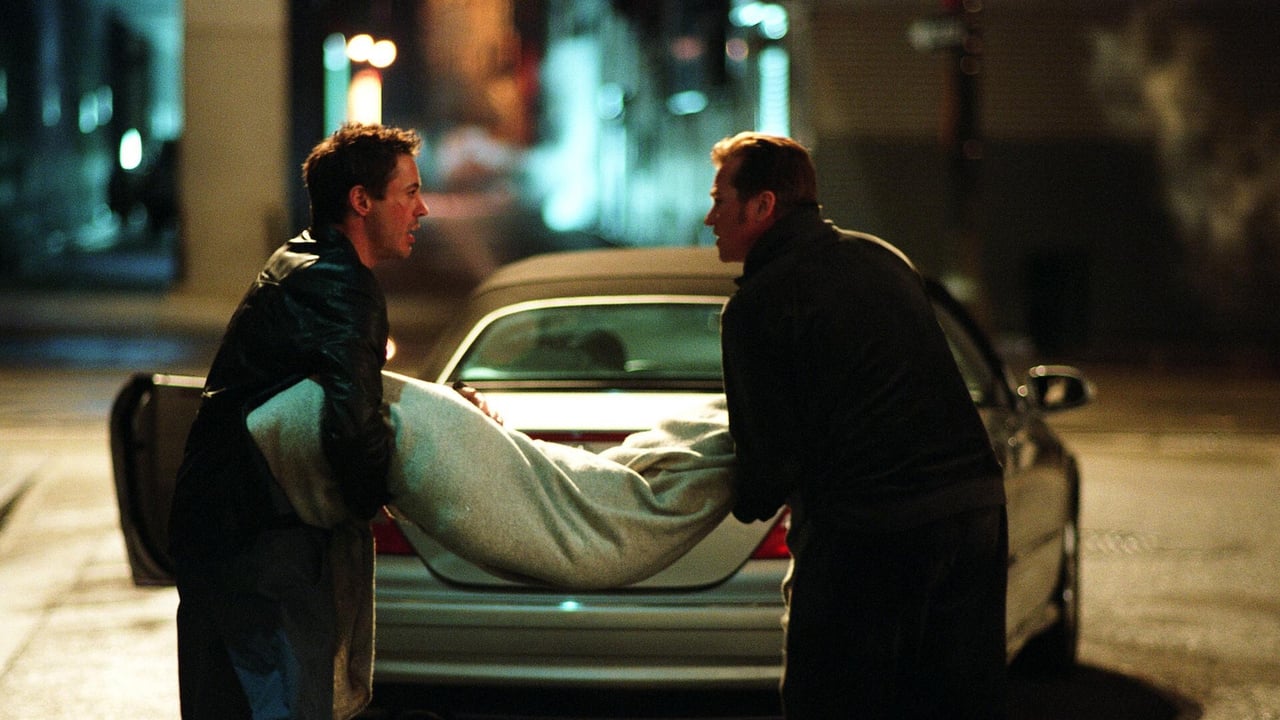
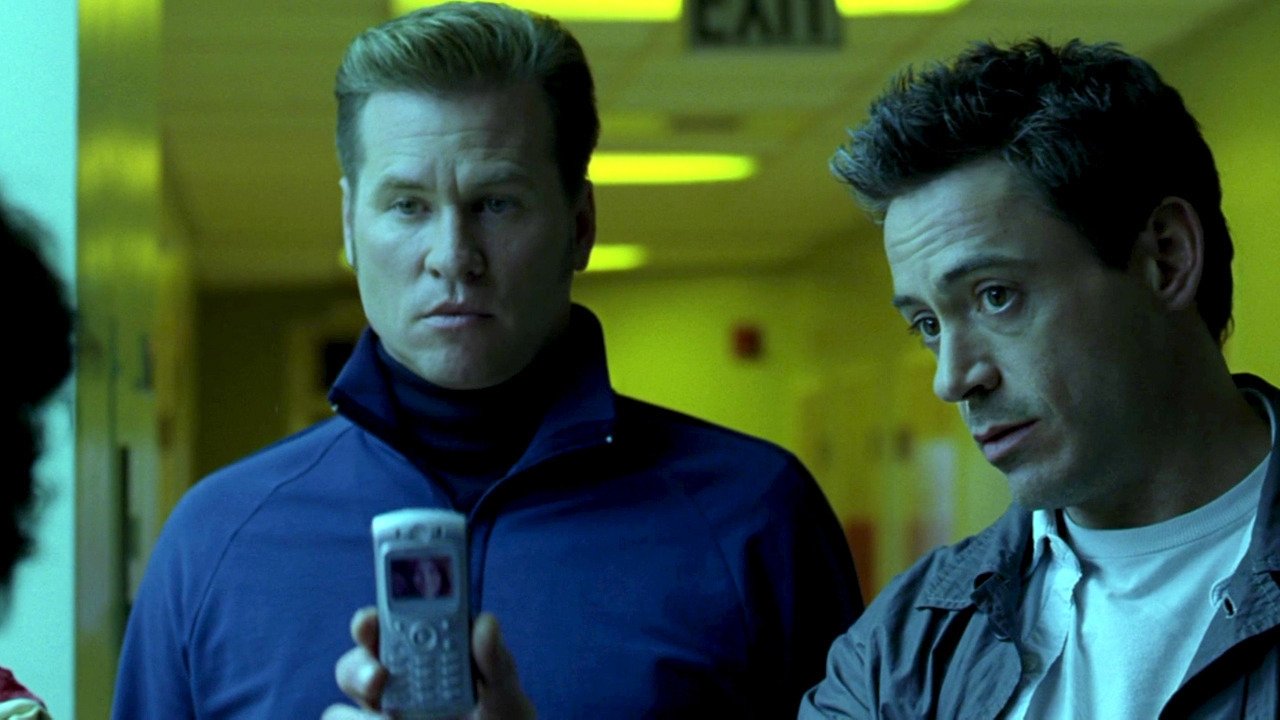
The plot is a glorious, intentional mess. Robert Downey Jr. plays Harry Lockhart, a petty thief who stumbles into an acting audition while running from the cops, wins the part because he’s actually hysterical with grief, and gets shipped to L.A. There, he’s paired with "Gay" Perry van Shrike, played with lethal, dry perfection by Val Kilmer. Perry is a private investigator hired to teach Harry the ropes for his upcoming role, but they quickly find themselves embroiled in a real-life murder mystery involving Harry's childhood crush, Harmony Faith Lane (Michelle Monaghan).
What makes this work isn't the mystery itself—though it’s a solid nod to the hardboiled tradition of Raymond Chandler—it’s the way the film treats the concept of a movie. Harry narrates the film like a man who has seen too many films but forgot the endings. He breaks the fourth wall, pauses the frame to berate the audience for noticing a plot hole, and actively apologizes when the story gets too convoluted. Kiss Kiss Bang Bang is essentially a Christmas movie for people who find Hallmark films physically painful.
I remember watching this on a scratched DVD where the menu screen played that jaunty, brassy John Ottman theme song for forty-five minutes because I fell asleep on the couch after a double shift at a bookstore. When I finally woke up and hit "Play," the frantic energy of the opening credits felt like a shot of adrenaline to the neck.
The Chemistry of Chaos
The "Modern Cinema" era of the mid-2000s was a strange time. We were moving away from the earnestness of the 90s and into a more cynical, self-aware space. While the industry was busy trying to figure out if digital was better than film (this was shot on beautiful, grainy 35mm by Michael Barrett), Shane Black was busy proving that a script could be both a weapon and a love letter.
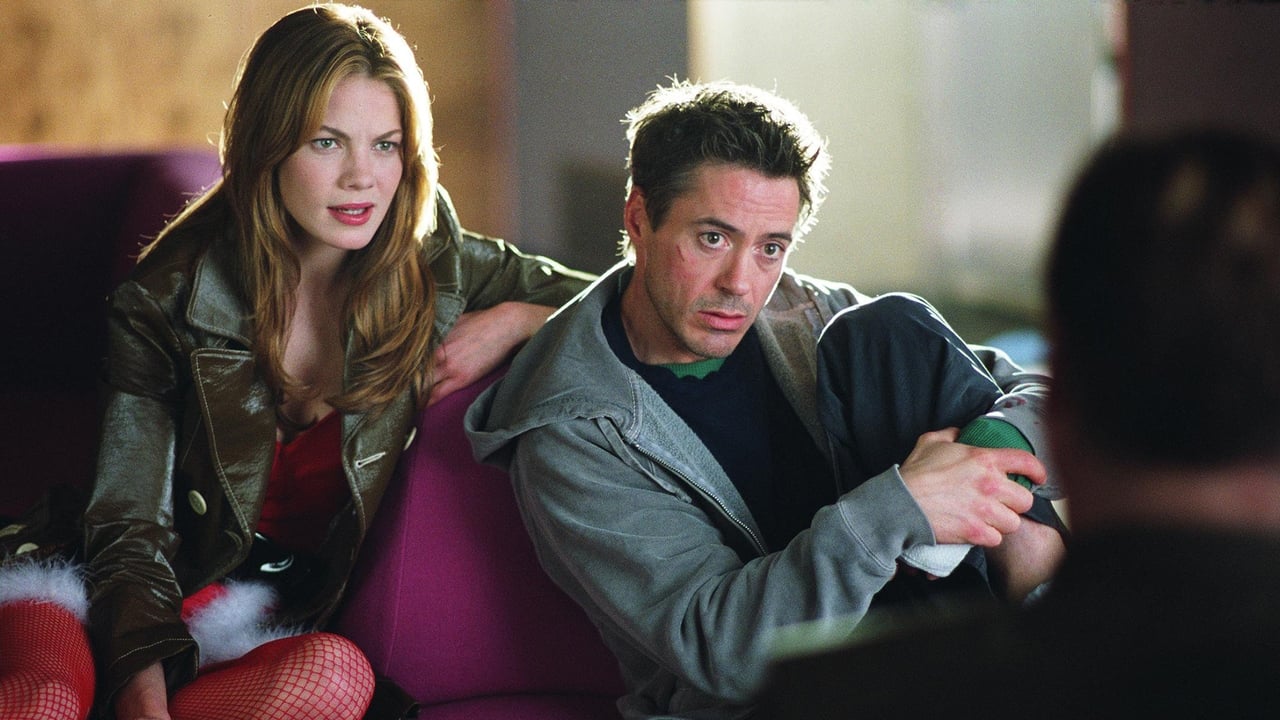
The interplay between Robert Downey Jr. and Val Kilmer is the gold standard for screen chemistry. It’s not just "buddy cop" banter; it’s a collision of two wildly different comedic frequencies. Harry is high-strung, frantic, and perpetually confused; Perry is the smartest person in any room and has absolutely no patience for Harry’s nonsense. Val Kilmer is the only actor in history who can make a tiny, pink, two-shot pistol look genuinely intimidating through sheer force of personality.
Then there’s Michelle Monaghan. In any other noir, she’d be the "femme fatale," a two-dimensional plot device. Here, she’s the heart of the film—equally cynical, desperately searching for a breakthrough, and capable of delivering a line like "I think I peed a little" with more gravitas than most Oscar-nominated monologues.
Stuff You Didn't Notice
One of the best things about this film's cult legacy is its "discovery" story. It made a measly $15 million at the box office, barely recouping its budget. It lived and breathed in the DVD era, passed from friend to friend like a secret handshake. Apparently, Jon Favreau credits this specific performance for his decision to cast RDJ in Iron Man. He saw the vulnerability buried under the snark and realized he’d found his Tony Stark.
The film is littered with these weird, brilliant details. For instance, the chapter titles in the film are all titles of stories by hardboiled author Brett Halliday. Also, look closely at the scene where Harry and Perry are in the car; the "fictional" movie posters in the background are mostly references to Shane Black’s own career or his friends' projects. Even the casting of Corbin Bernsen as a sleazy Hollywood mogul feels like a pointed commentary on the industry's obsession with its own past.
There’s a scene involving a severed finger and a very hungry dog that remains one of the most stressful and hilarious sequences in modern comedy. It perfectly encapsulates the "Dark/Intense" treatment: the stakes are real, the blood is messy, and the consequences are permanent, but the characters' reactions are so humanly absurd that you can't help but laugh through the winces.
Kiss Kiss Bang Bang is a reminder that movies used to have a voice. It’s loud, it’s rude, and it’s remarkably clever. It captures that 2005 transition perfectly—too smart for the mainstream machine of its time, but too well-crafted to ever truly disappear. It’s a film that demands your attention and rewards you with a script that feels like it was written with a fountain pen dipped in acid.
The credits roll, the mystery is solved (sort of), and you’re left with the feeling that you’ve just spent a night in a dive bar with the most interesting, dangerous people in Los Angeles. It doesn't offer a clean, happy Hollywood ending, but it offers something better: a sense that even in a world of murder and corruption, having a quick wit and a loyal (if annoyed) friend is enough to get you through the night. It’s the kind of film that makes you want to immediately restart it just to see the jokes you missed while you were busy laughing at the last one.
---
Keep Exploring...
-
Lucky Number Slevin
2006
-

Zodiac
2007
-
Eastern Promises
2007
-
The Nice Guys
2016
-
Mystic River
2003
-
Gone Baby Gone
2007
-

The Girl with the Dragon Tattoo
2011
-

Sherlock Holmes: A Game of Shadows
2011
-
Infernal Affairs
2002
-
Matchstick Men
2003
-
Tell No One
2006
-
The Girl with the Dragon Tattoo
2009
-
American Psycho
2000
-

Adaptation.
2002
-
John Q
2002
-
21 Grams
2003
-
Identity
2003
-
The Next Three Days
2010
-
Primal Fear
1996
-
L.A. Confidential
1997