Kronk's New Groove
"More spinach puffs, less plot, all Kronk."
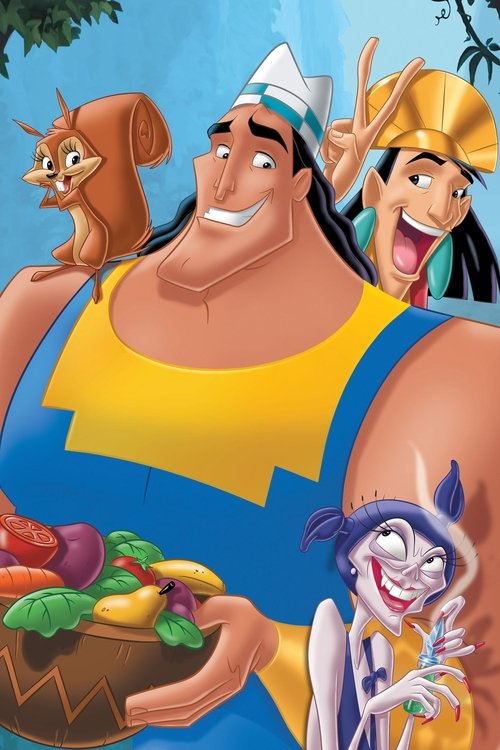
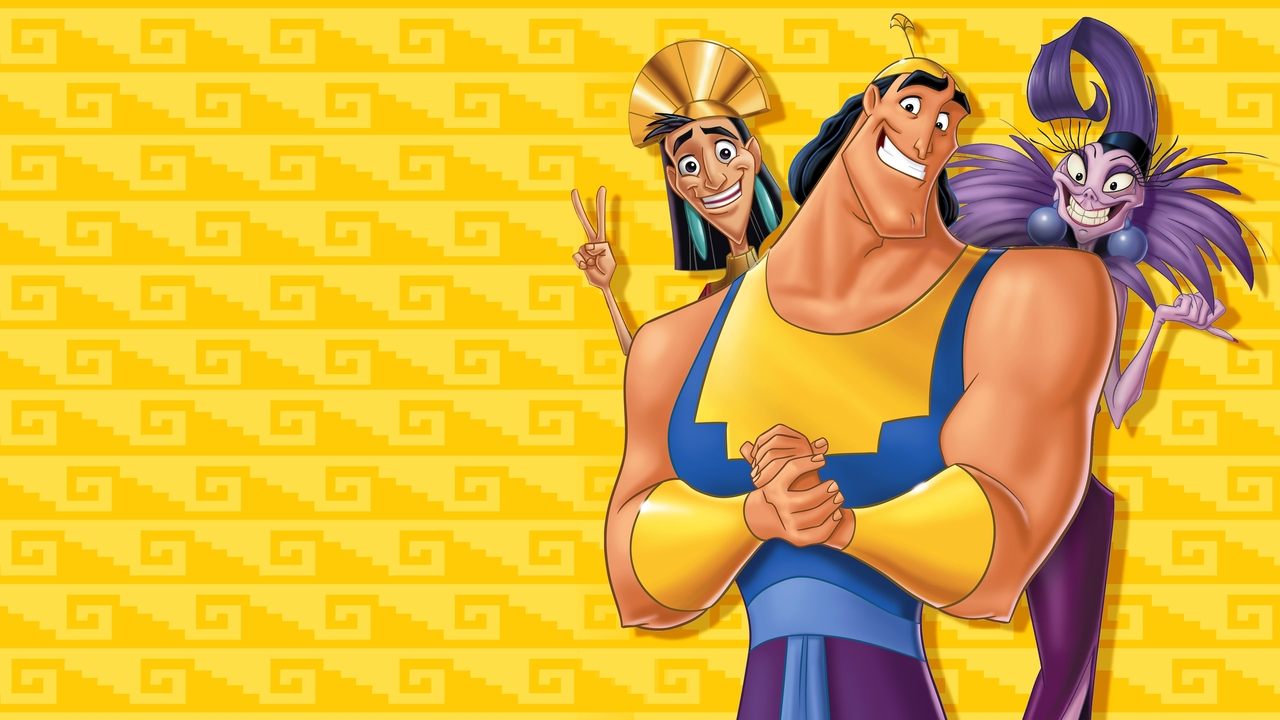
There was a specific kind of corporate fever dream that gripped Disney’s home video department around 2005. It was the era of the "Cheapquel"—those direct-to-DVD follow-ups that flooded the shelves of Blockbuster, usually featuring slightly off-model animation and stories that felt like rejected TV pilots. Most of them, like Cinderella II: Dreams Come True, were crimes against cinema. But then there’s Kronk's New Groove. It shouldn't work. It’s essentially a glorified collection of sitcom B-plots held together by spinach puffs and pure charisma, yet it manages to capture just enough of that chaotic, Fourth-Wall-breaking magic that made its predecessor a cult classic.
I revisited this one on a rainy Tuesday while wearing mismatched wool socks and nursing a lukewarm cup of peppermint tea, and honestly, the low-stakes energy was exactly what the doctor ordered. While it lacks the sharp, relentless pacing of The Emperor's New Groove (2000), it doubles down on the one thing everyone actually wanted: more Patrick Warburton.
The Golden Age of the 'Cheapquel'
Looking back, the mid-2000s were the peak of the DVD transition. We were moving away from the grainy reliability of VHS, and Disney was capitalising on the digital boom by churning out sequels at a dizzying rate. These films occupy a strange space in our collective memory—too high-budget to be "bad," but too restricted to reach the heights of the theatrical Renaissance.
Kronk's New Groove is a fascinating artifact of this period. It was produced by DisneyToon Studios, the division responsible for the "quantity over quality" mandate, yet it managed to reunite almost the entire A-list voice cast. Getting Eartha Kitt, John Goodman, and David Spade back in the recording booth for a DVD release was no small feat. It shows in the performances; even when the animation feels a bit stiff compared to the fluid, high-energy work of the first film, the vocal delivery remains top-tier. Eartha Kitt in particular seems to be having the time of her life, returning as the villainous Yzma with a series of increasingly absurd transformations that acknowledge the character's "how is she still alive?" status.
Deadpan Delivery in a High-Energy World
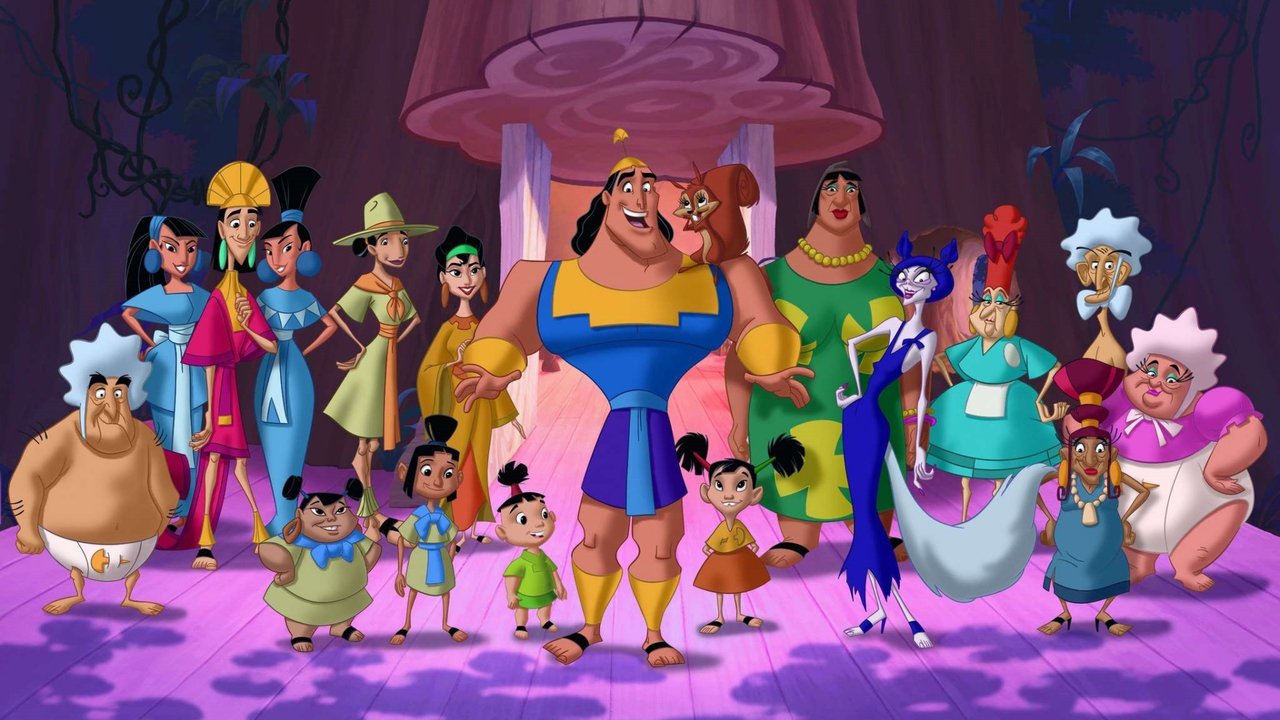
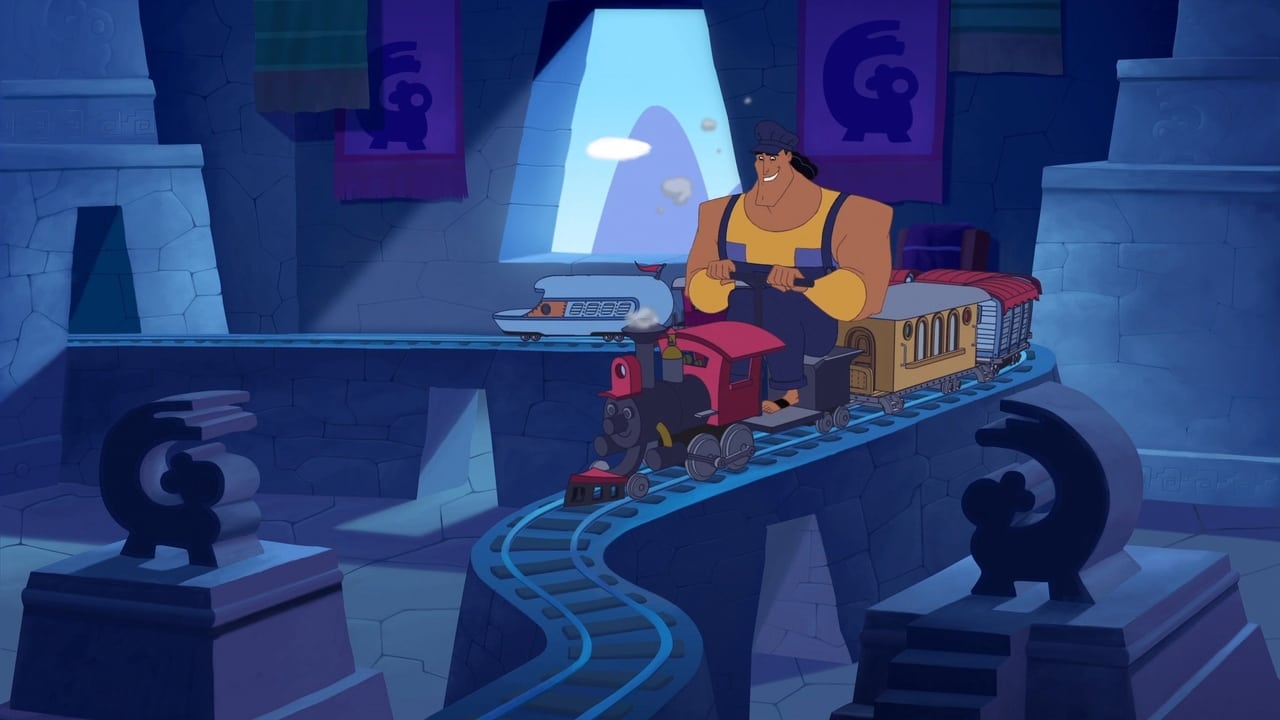
The movie is structured as a series of flashbacks narrated by Kronk as he prepares for a visit from his judgmental father, Papi. Patrick Warburton is the engine that keeps this ship afloat. His ability to deliver lines with a mix of earnest dim-wittedness and suburban dad energy is a singular gift. Whether he’s speaking "Squirrel" or agonizing over a failed cheese souffle, he makes Kronk one of the most likable henchmen in the history of the medium.
The addition of Tracey Ullman as Ms. Birdwell, Kronk’s romantic interest and fellow scout leader, provides a surprisingly sweet anchor for the film’s second act. Their "Bread Toast" dance sequence is the kind of bizarre, rhythmic comedy that feels like a leftover from the original film’s storyboard sessions. It’s absurd, it’s unnecessary, and it’s the best part of the movie.
However, the film does struggle with the absence of the central dynamic from the first movie. While David Spade returns as Kuzco, he’s relegated to a meta-narrator role, occasionally popping into the frame to remind us that he’s the real star. It’s a clever way to mask the fact that Pacha (John Goodman) and Kuzco have almost nothing to do with the actual plot, but it highlights that this is basically a sitcom pilot with a bloated ego.
A Script of Three Halves
If you look closely, you can see the seams where the writers were trying to stretch a thin premise into a 75-minute runtime. The film is divided into two major vignettes: a scam involving "youth potion" with Yzma, and a summer camp romance. These feel like episodes of The Emperor's New School (the TV series that followed) stitched together.
The humor relies heavily on the "Groove" brand of self-awareness. It’s a movie that knows it’s a sequel and knows it’s a cartoon. There are jokes about the budget, jokes about the plot holes, and a general sense that the animators were just happy to be back in this world. This meta-approach was groundbreaking when the first film did it in 2000, influenced by the Looney Tunes sensibilities of Joe Dante or Chuck Jones. By 2005, it felt a little more like a safety net, but it still lands more often than it misses.
Interestingly, the film’s focus on Kronk’s desire for paternal approval reflects a common theme in mid-2000s animation—the "daddy issues" trope that seemed to permeate everything from Finding Nemo (2003) to Chicken Little (2005). It’s a bit of a cliché, but Patrick Warburton’s sincerity sells the emotional beats just enough to keep the ending from feeling completely hollow.
It’s hard to be mad at a movie that features a musical number about a "Scuttlebutt" and a cat-transformed Eartha Kitt being sold as a prize. Kronk's New Groove is the definition of a "serviceable" sequel—it won't change your life, and it won't replace the original in your heart, but it's a pleasant way to kill an hour. If you're a fan of the deadpan comedic timing that defined early 2000s Disney, it’s a nostalgia trip worth taking. Just don't expect it to find its own groove quite as well as the first one did.
Keep Exploring...
-

The Emperor's New Groove
2000
-
101 Dalmatians II: Patch's London Adventure
2003
-
Looney Tunes: Back in Action
2003
-
Mickey, Donald, Goofy: The Three Musketeers
2004
-
The Little Mermaid II: Return to the Sea
2000
-
Jimmy Neutron: Boy Genius
2001
-
Osmosis Jones
2001
-
The Lion King 1½
2004
-
Lilo & Stitch 2: Stitch Has a Glitch
2005
-
Barnyard
2006
-

The Ant Bully
2006
-
Shrek the Halls
2007
-
TMNT
2007
-
Open Season 2
2008
-
Valiant
2005
-

Bee Movie
2007
-
DuckTales: The Movie - Treasure of the Lost Lamp
1990
-

The Swan Princess
1994
-

Hop
2011
-

Tangled Ever After
2012