Lady Vengeance
"Redemption is white, but revenge is blood red."
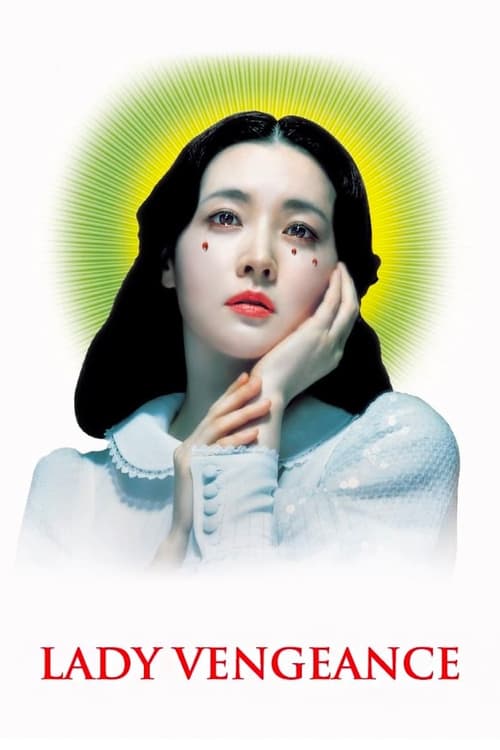
I first encountered Lady Vengeance on a scratched DVD I salvaged from a bargain bin during the great Blockbuster liquidation of the late 2000s. I watched it in a sweltering apartment where the AC had given up the ghost, and honestly, the oppressive heat only made the film’s icy, clinical aesthetics feel more like a necessary cold shower. While everyone else was busy obsessing over the hallway fight in Oldboy, I found myself haunted by a woman in red eyeshadow and a very specific, very shiny silver pistol.

Directed by Park Chan-wook, this 2005 release serves as the closing chapter of his "Vengeance Trilogy." If Sympathy for Mr. Vengeance (2002) was a gut-punch of nihilism and Oldboy (2003) was a Shakespearean tragedy fueled by an octopus diet, Lady Vengeance is something else entirely. It’s the sophisticated, cold-blooded sister of the group—the one who doesn't just want to kill you, but wants to make sure the table is set perfectly before she does.
The Face of an Angel, The Plan of a Demon
The film follows Lee Geum-ja, played with terrifying restraint by Lee Young-ae. In Korea at the time, Lee Young-ae was the "National Sister," known for her wholesome, ethereal beauty. Casting her as a convicted child-murderer who spent thirteen years in prison becoming a literal "angel" to her fellow inmates—all while plotting a massacre—was a stroke of genius. It’s the ultimate subversion of celebrity image, and it works because she carries a stillness that feels heavy, like a storm that’s decided to just hover over your house indefinitely.
When Geum-ja is released, she rejects the traditional "white tofu" (a Korean symbol of purity for ex-cons) and begins activating the network of women she helped while behind bars. Her target? Mr. Baek, played by the legendary Choi Min-sik. Seeing Choi Min-sik shift from the victimized protagonist of Oldboy to the truly repulsive, pathetic villain here is a reminder of why mid-2000s Korean cinema felt like it was operating on a different level than the rest of the world. He plays a man so irredeemable that you start to wonder if a single bullet is actually too merciful.
A Masterclass in Stylized Grief

Looking back at 2005, we were in the thick of the "Asia Extreme" marketing craze. Western distributors were dumping anything with a drop of blood into a bucket and calling it a "shocker." But Lady Vengeance refuses that label. It’s a gorgeous, almost operatic drama. The cinematography by Chung Chung-hoon is breathless—baroque, colorful, and occasionally surreal.
One of the most fascinating bits of trivia involves the "Fade to Black and White" version of the film. Park Chan-wook originally wanted the film to gradually lose its color as Geum-ja’s revenge progressed, ending in stark monochrome to reflect her loss of soul. The studio balked, so the theatrical version remained in full color, but the DVD special features (the holy grail of 2000s film literacy) allowed us to see his original vision. It turns a vibrant thriller into a ghostly, Victorian funeral procession.
The film’s middle act shifts gears in a way that I suspect would be hard to pull off today. It stops being a solo "John Wick" style hunt and becomes a communal drama. Without spoiling the turn, it involves a group of parents, a rainy schoolhouse, and a collective choice. It’s here that the film earns its "Drama" tag. It moves away from the thrill of the hunt and into the messy, pathetic, and deeply sad reality of what "closure" actually looks like. Revenge isn't a dish best served cold; here, it’s a soggy, lukewarm cake that nobody actually wants to eat.
Why It Lingers
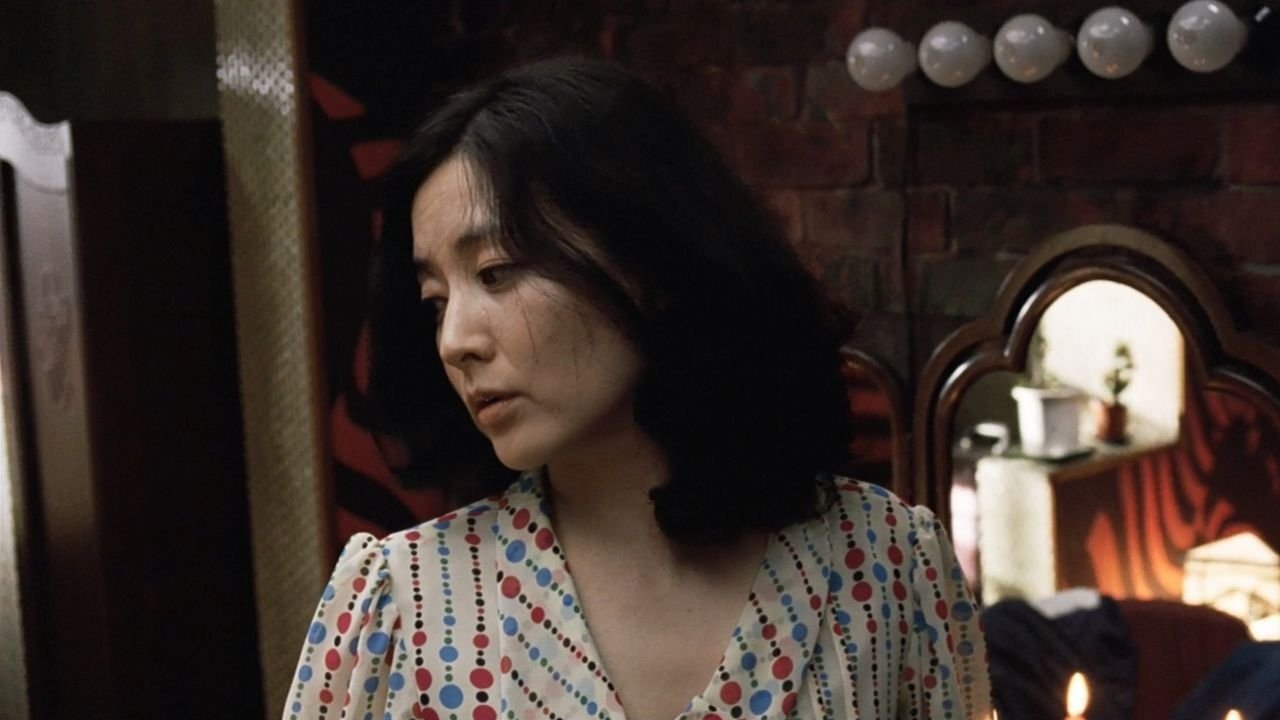
In the era of the MCU and franchise blueprints, Lady Vengeance feels like a relic from a time when "trilogies" were connected by theme and soul rather than post-credit scenes and contractual obligations. It’s a movie that asks if you can ever truly "go home" after you’ve spent a decade dreaming of murder.
The score by Choi Seung-hyun uses Vivaldi-esque strings that make the violence feel like a religious ceremony. It’s a stark contrast to the gritty, handheld aesthetic that dominated Western action movies post-9/11. Park Chan-wook wasn't looking for realism; he was looking for a fable.
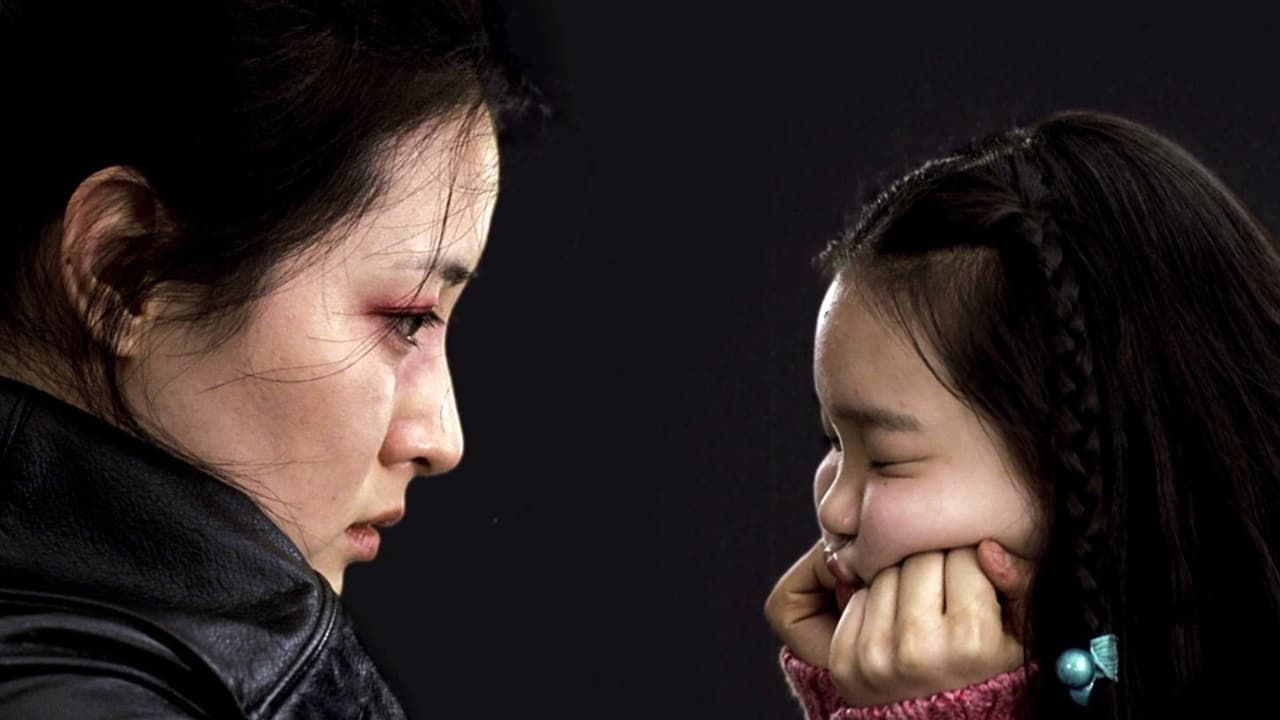
I’ve revisited this film several times over the years, and it’s aged remarkably well. While some of the early 2000s digital effects in the dream sequences look a bit "DVD menu-core" now, the emotional core is ironclad. It’s a story about a mother trying to reconnect with a daughter (Kwon Yea-young) who doesn't know her, while carrying a secret that would destroy them both.
Lady Vengeance is the rarest of things: a sequel (of sorts) that manages to be more thoughtful than its predecessor. It’s a brutal, beautiful, and deeply moving exploration of why we hurt the people who hurt us. It might not have the "cool" factor of a hammer fight in a hallway, but it has a soul that's much harder to shake. If you’ve only ever seen Oldboy, you’re only holding half the map. Seek this out, put on some red eyeshadow, and enjoy the coldest redemption arc ever filmed.

Keep Exploring...
-
Oldboy
2003
-
Thirst
2009
-
Sympathy for Mr. Vengeance
2002
-
The Handmaiden
2016
-
The Experiment
2001
-
Infernal Affairs
2002
-
The Count of Monte Cristo
2002
-
I'm Not Scared
2003
-
Matchstick Men
2003
-
The Consequences of Love
2004
-
Caché
2005
-
The Protector
2005
-
Black Book
2006
-
Inland Empire
2006
-
Tell No One
2006
-
Undisputed II: Last Man Standing
2006
-
United 93
2006
-
Before the Devil Knows You're Dead
2007
-
Mesrine: Killer Instinct
2008
-
Mesrine: Public Enemy #1
2008