Land of the Dead
"The rich eat steak, the dead eat the rich."
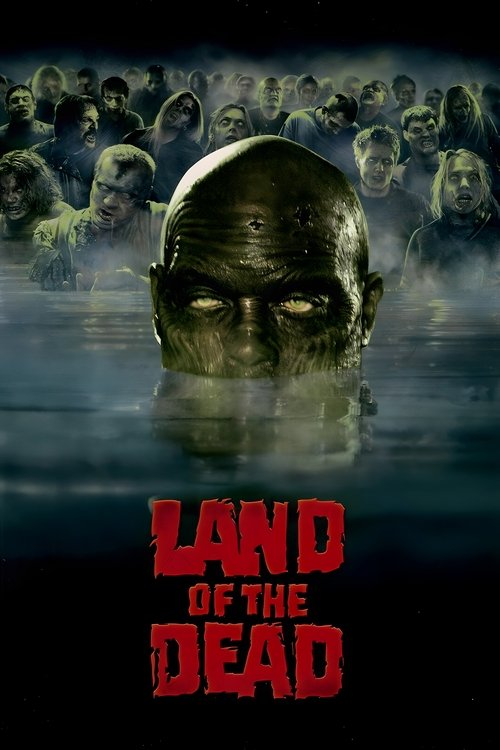
By 2005, the zombie genre was having a massive, blood-soaked identity crisis. Zack Snyder’s Dawn of the Dead remake had just introduced us to sprinting ghouls, and Danny Boyle’s 28 Days Later had turned the undead into rage-fueled Olympic athletes. Everyone was moving fast, but George A. Romero, the man who literally invented the modern zombie rules, decided it was time to return to the sandbox he built and remind us that slow and steady still wins the race—mostly because slow and steady has more time to think about class warfare.
I first watched this on a scratched DVD I’d scavenged from a Blockbuster that was literally shutting its doors for good. I was sitting on a beanbag chair eating a bowl of lukewarm spaghetti that I’m 90% sure had expired sauce, but the tension on screen made me forget I was flirting with food poisoning. There was something about seeing that iconic Universal globe turn into a rotting, grey sphere that told me Romero was back with a budget, and he wasn't happy with the state of the world.
The View from the Penthouse
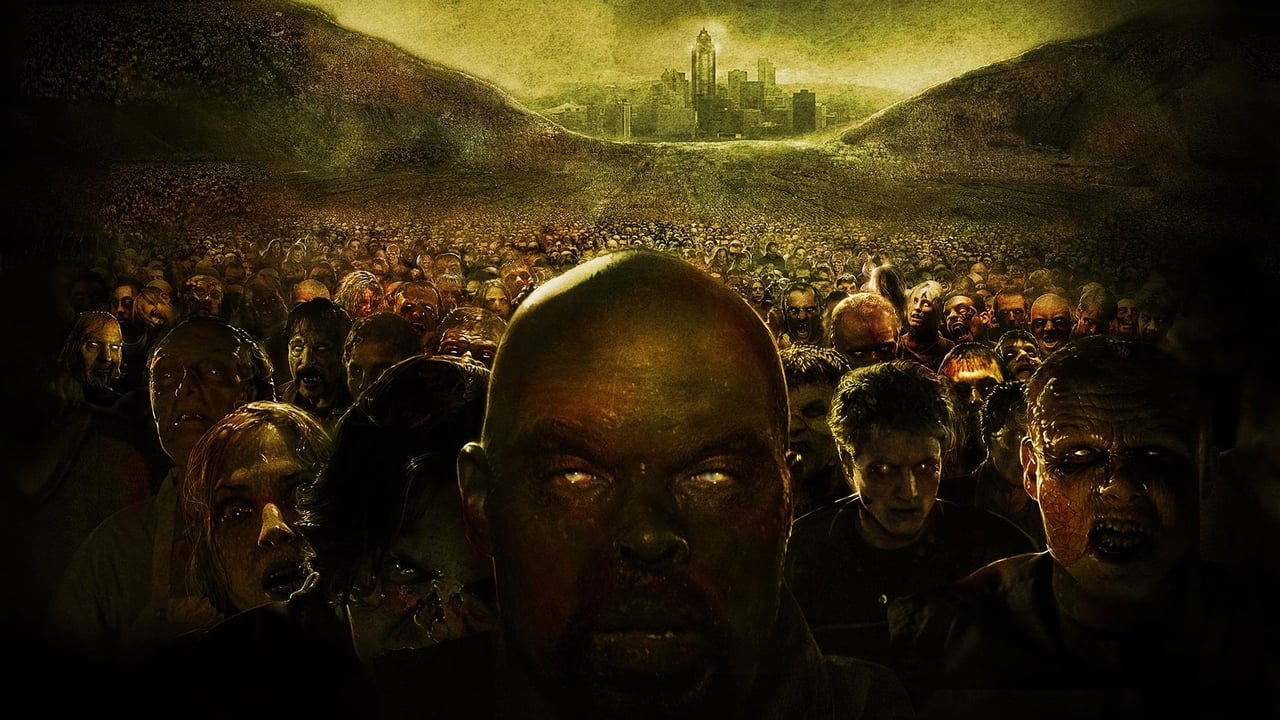
Land of the Dead picks up where Day of the Dead (1985) left off, but the scale has exploded. Humans have retreated into a walled city—Pittsburgh, though it’s never explicitly named—where the social divide is literal. The ultra-wealthy live in Fiddler’s Green, a luxury high-rise where they pretend the apocalypse isn't happening, while the rest of the survivors rot in the muddy streets below. Dennis Hopper plays Kaufman, the corporate overlord of the tower, and he plays the role with the subtle grace of a chainsaw in a library. Kaufman is essentially a post-9/11 avatar for corrupt leadership, more worried about his bottom line than the fact that the "stenches" (the film’s term for zombies) are starting to remember how to use tools.
Our "hero" is Riley, played by Simon Baker, a man who just wants to escape to the North. Baker does fine, but he’s remarkably bland compared to the supporting cast. The real heart of the human side is John Leguizamo as Cholo, a mercenary who realizes he’ll never be "refined" enough for the Green, and Robert Joy as Charlie, a burn victim with a heart of gold and a deadly aim. Cholo’s betrayal of Kaufman provides the movie’s heist-gone-wrong energy, as he steals "Dead Reckoning"—a massive, armored tactical truck that looks like it was designed by a kid who played too much Twisted Metal.
The Evolution of the "Stench"

What makes Land of the Dead fascinating in retrospect is Romero’s insistence on the zombies being the protagonists. We spend a significant amount of time following Big Daddy, played with incredible physical nuance by Eugene Clark. Big Daddy is a former gas station attendant who starts to feel grief and anger. When he sees his fellow zombies being used as target practice for "sky flowers" (fireworks used to distract the dead), he doesn't just moan; he organizes.
Watching Big Daddy lead an army of the dead across a river is one of the most striking images in 2000s horror. It’s a subversion of everything we expect. Usually, we're rooting for the walls to hold; here, you’re almost begging for Big Daddy to tear the Green down. The fireworks are the cleverest metaphor for distraction in modern horror history, reminding us how easily a population can be pacified by a bright light and a loud noise while the world burns around them.
Practical Magic in a Digital Dawn
Produced at the height of the CGI revolution, Land of the Dead feels like a stubborn, glorious relic. While there is some digital blood (which, admittedly, has aged like milk), the majority of the gore was handled by Greg Nicotero and his team at KNB EFX. It’s a masterclass in "wet" horror. Necks are ripped, limbs are torn, and one poor soul gets their navel jewelry yanked out in a way that still makes me wince.
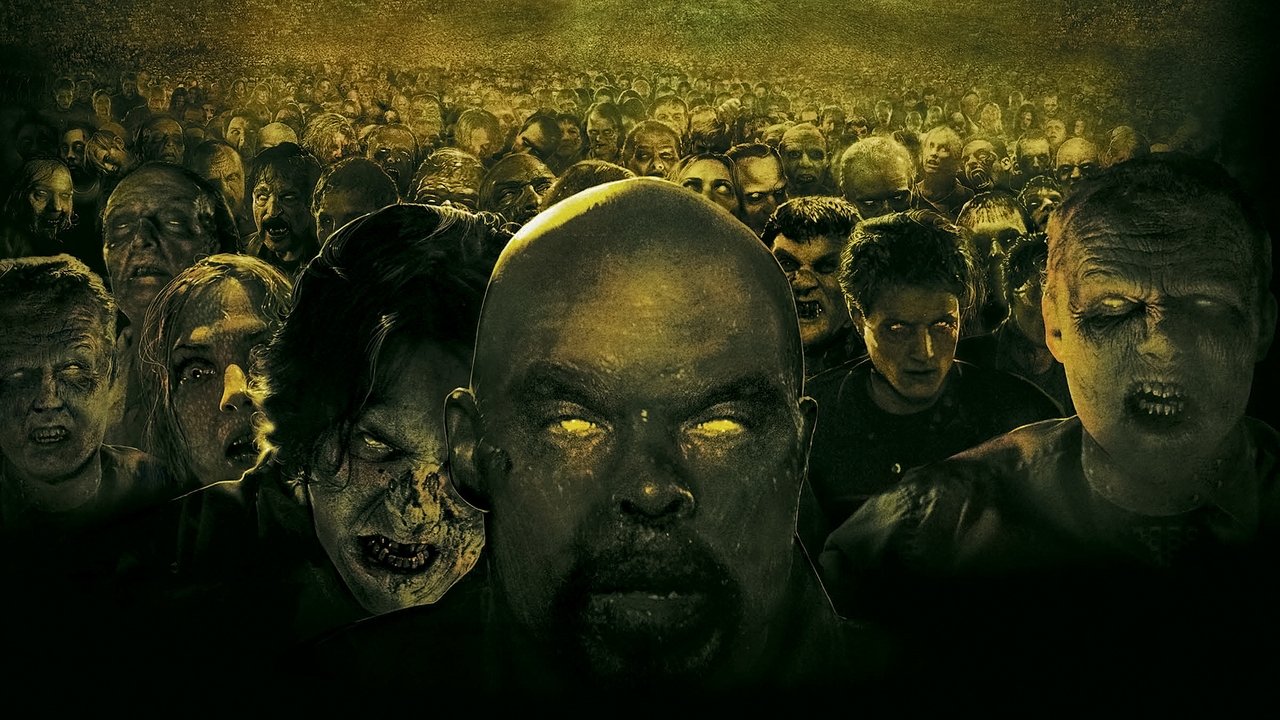
Romero also filled the film with love for his fans. If you look closely at the "photo booth" scene where zombies are tethered for pictures, you’ll spot Simon Pegg and Edgar Wright as featured ghouls—a thank-you for their work on Shaun of the Dead. Even Tom Savini returns for a brief, wordless cameo as a zombified version of his "Blade" character from the 1978 Dawn of the Dead. These details make the film feel like a homecoming, even if the studio polish of Universal Pictures occasionally threatens to buff away the grittiness that made the original trilogy so haunting.
Looking back, Land of the Dead is the last time the franchise felt like it had something vital to say. It lacks the claustrophobic dread of Night or the shopping-mall satire of Dawn, but it replaces them with a grand, cynical vision of a society that would rather go extinct than share its wealth. It’s a movie where the monsters have more dignity than the billionaires, and in the landscape of 2005’s "torture porn" and rapid-fire editing, Romero’s steady, deliberate pacing feels like a gift. If you missed this one because you were too busy watching fast zombies, it’s time to pay your respects to the master.
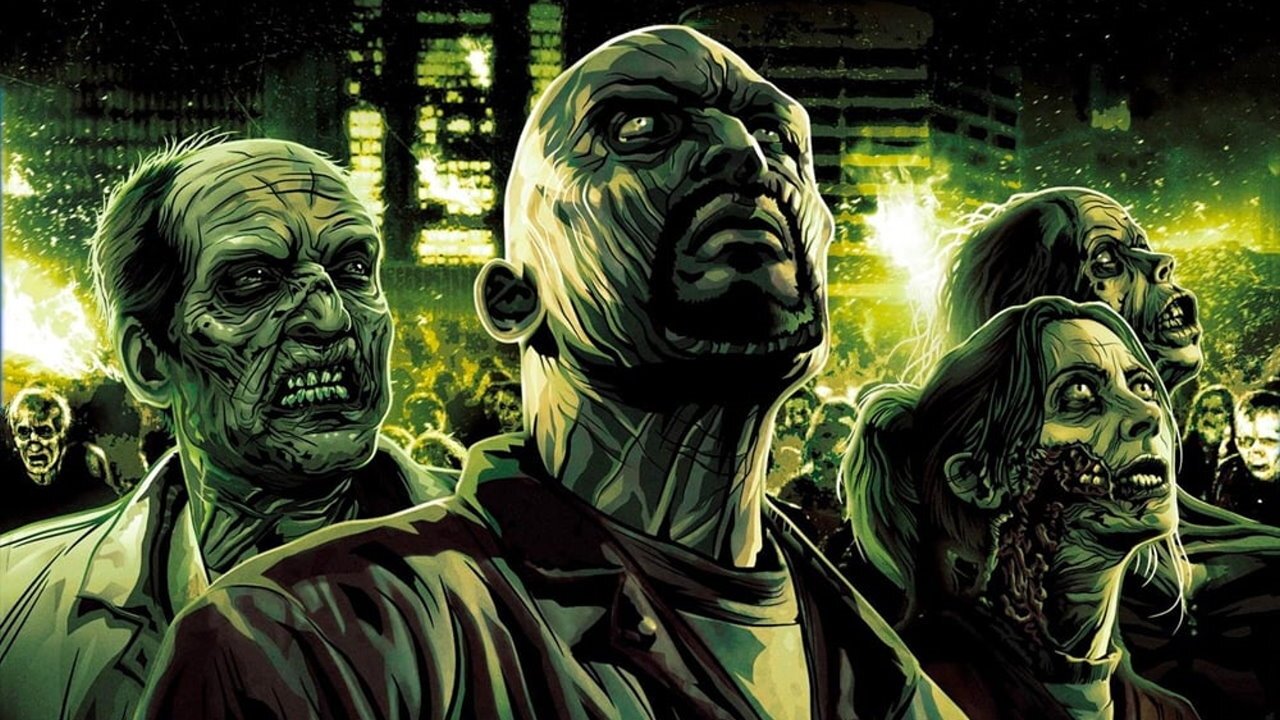
Keep Exploring...
-
Night of the Living Dead
1968
-
Dawn of the Dead
1978
-

Day of the Dead
1985
-

Dreamcatcher
2003
-
Quarantine
2008
-

The Invasion
2007
-
Carriers
2009
-

Village of the Damned
1995
-
Lake Placid
1999
-
The Cell
2000
-

28 Weeks Later
2007
-

The Mist
2007
-
Pandorum
2009
-

Time Lapse
2014
-

Ginger Snaps
2001
-

Slither
2006
-
Blindness
2008
-

The Gift
2000
-
The One
2001
-
Eight Legged Freaks
2002