Lilo & Stitch 2: Stitch Has a Glitch
"Family is worth fixing, even when you’re glitching."
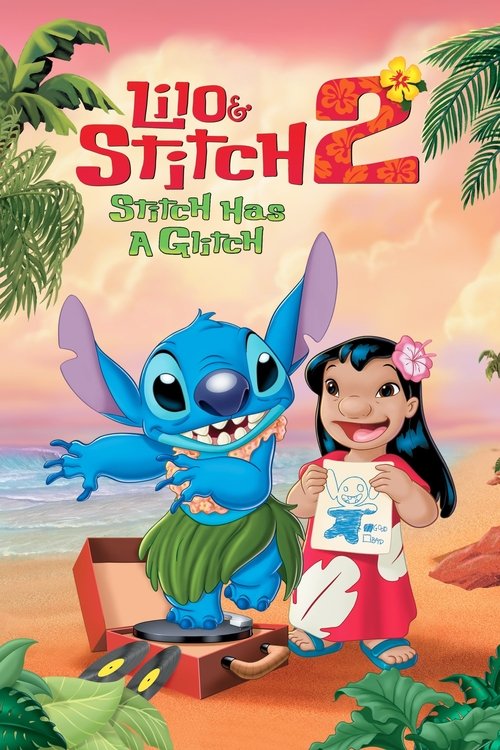
I remember finding my copy of Lilo & Stitch 2: Stitch Has a Glitch in a bargain bin at a dying Circuit City, tucked between a dusty copy of Shark Tale and a set of jumper cables. At the time, I was nursing a lukewarm Diet Pepsi and a healthy skepticism for the "Disney Direct-to-Video Sequel" machine. We all remember that era: the early 2000s were a wild west of "cheapquels" where beloved classics like Cinderella or The Hunchback of Notre Dame were given rushed, aesthetically displeasing second chapters that looked like they were animated on a graphing calculator.
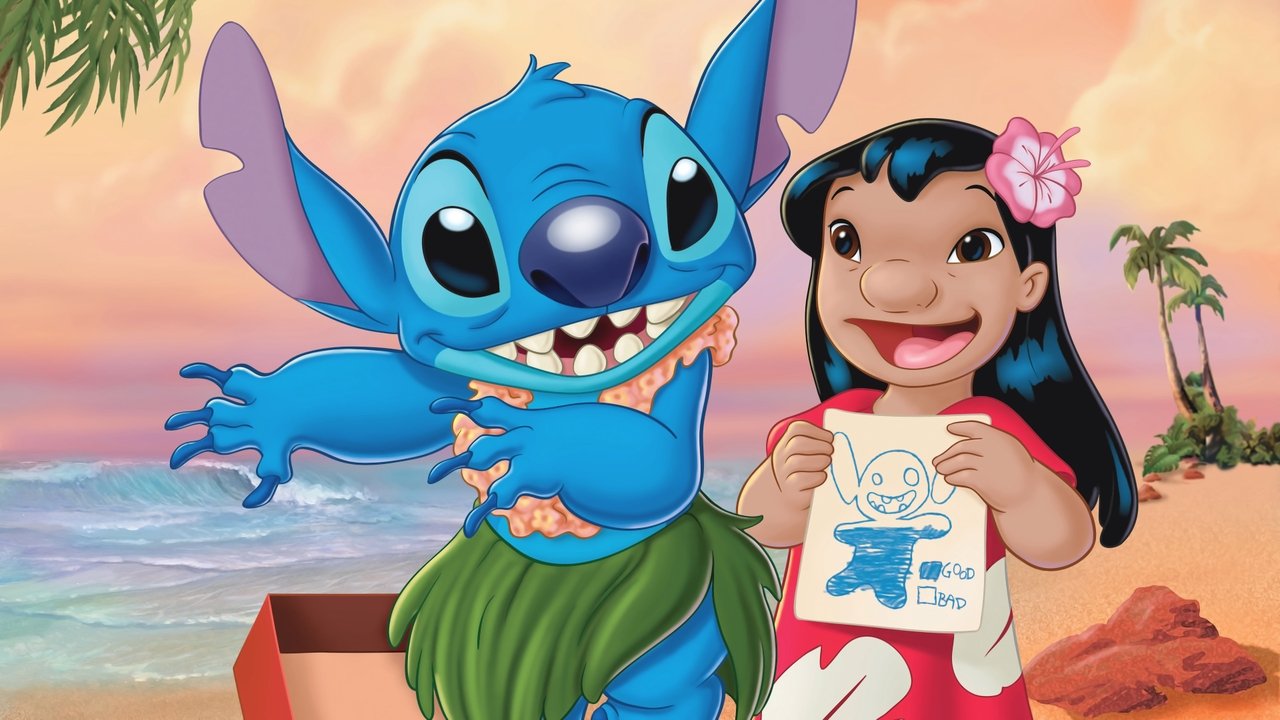
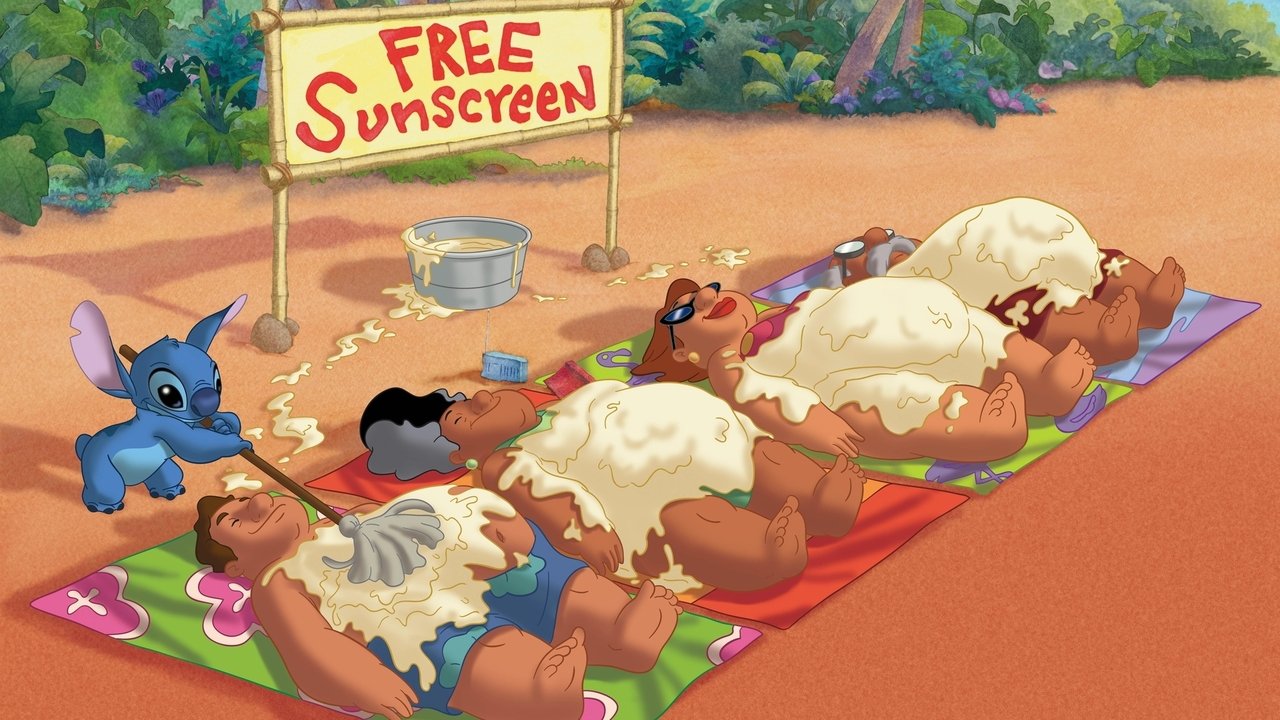
But here’s the thing—Stitch Has a Glitch is the exception that proves the rule. While most of these sequels were outsourced to secondary studios with a fraction of the budget, this 2005 release actually tried to capture the watercolor-wash soul of the 2002 original. It’s a science fiction domestic drama that feels less like a cash-grab and more like a lost episode of a very high-budget television show, or perhaps the second act that the original film never quite had space for.
Molecular Malfunctions and Hula Dreams
The plot picks up shortly after the first film, with our favorite blue "dog," Chris Sanders' Stitch, fully integrated into the Pelekai household. The sci-fi hook is surprisingly high-concept: it turns out that during his initial creation, David Ogden Stiers’ Dr. Jumba Jookiba (the galaxy's most lovable "evil" scientist) was interrupted by the galactic police. This left Stitch’s molecules incompletely charged. Now, years later, his "goodness" is literally being overridden by a system crash. He’s glitching—turning back into the chaotic, destructive Experiment 626 against his will.
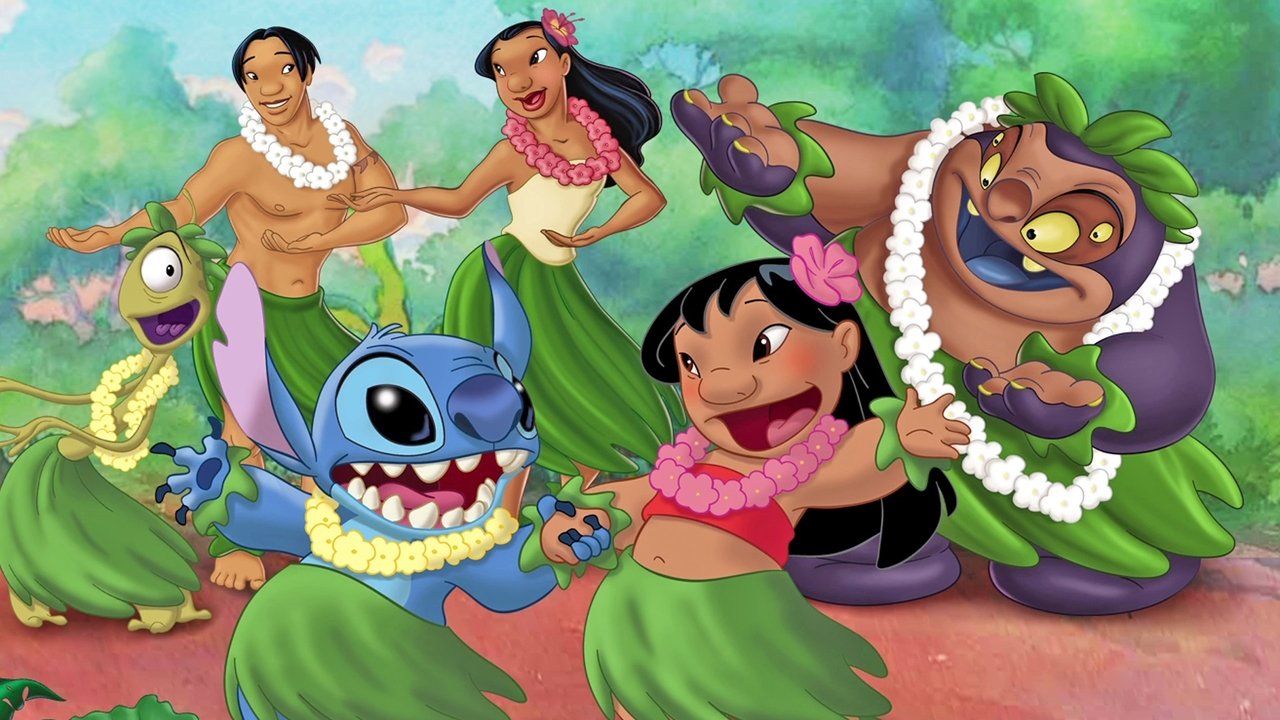
It’s a clever metaphor for puberty or perhaps even a sudden onset of behavioral disorders, but within the sci-fi framework, it’s treated like a terminal hardware failure. While Stitch is fighting his own biology, Lilo—voiced here by Dakota Fanning, who stepped in for Daveigh Chase—is preparing for a hula competition. She’s trying to follow in the footsteps of her late mother, adding a layer of grounded, human grief to the extraterrestrial malfunctions. I’ll go out on a limb and say Dakota Fanning is actually a more grounded, nuanced Lilo than the original voice actor, bringing a certain weary maturity to a kid who has already seen too much loss.
A Masterclass in Direct-to-DVD Craft
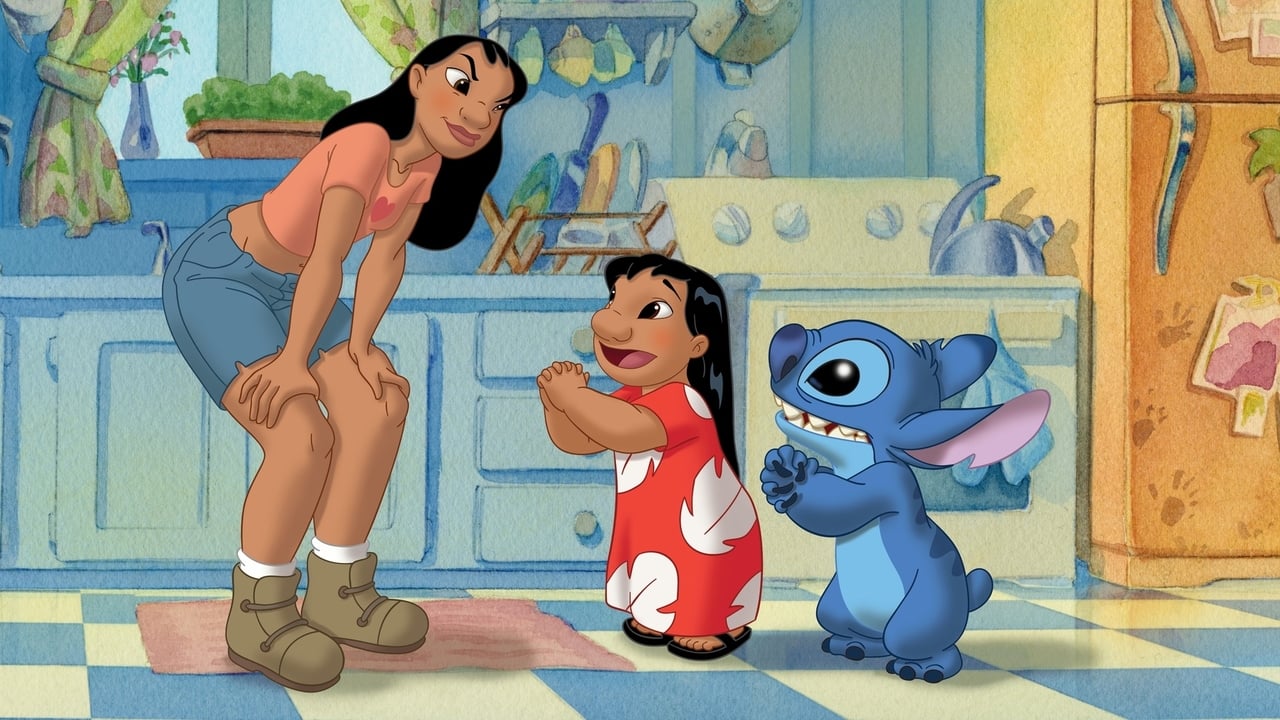
What struck me most while revisiting this on a rainy Tuesday afternoon is how well the production design holds up. The film eschews the flat, digital sheen of 2005’s burgeoning CGI movement and sticks to the rounded, soft aesthetics of the first movie. The backgrounds are lush, mimicking the watercolor style that made the original Hawaii setting feel so lived-in and organic.
The sci-fi elements aren't just window dressing, either. The design of Jumba’s "fusion chamber"—a makeshift laboratory built out of household appliances and alien tech—is a perfect example of the "low-fi sci-fi" aesthetic that defined the era. It feels tactile. When Stitch starts glowing green and losing control of his motor functions, there’s a genuine sense of body horror that is surprisingly dark for a movie marketed to toddlers alongside a line of plush toys.
The comedic timing remains sharp, largely thanks to Kevin McDonald as Pleakley. His obsession with Earth domesticity—specifically his "women’s helper" magazines—provides the levity needed when the film starts leaning into the "Stitch might actually die" territory. It’s a delicate balance that many big-budget theatrical releases miss: making the stakes feel cosmic while the setting remains a messy, small-town bedroom.
The Weird History of the "Glitch"
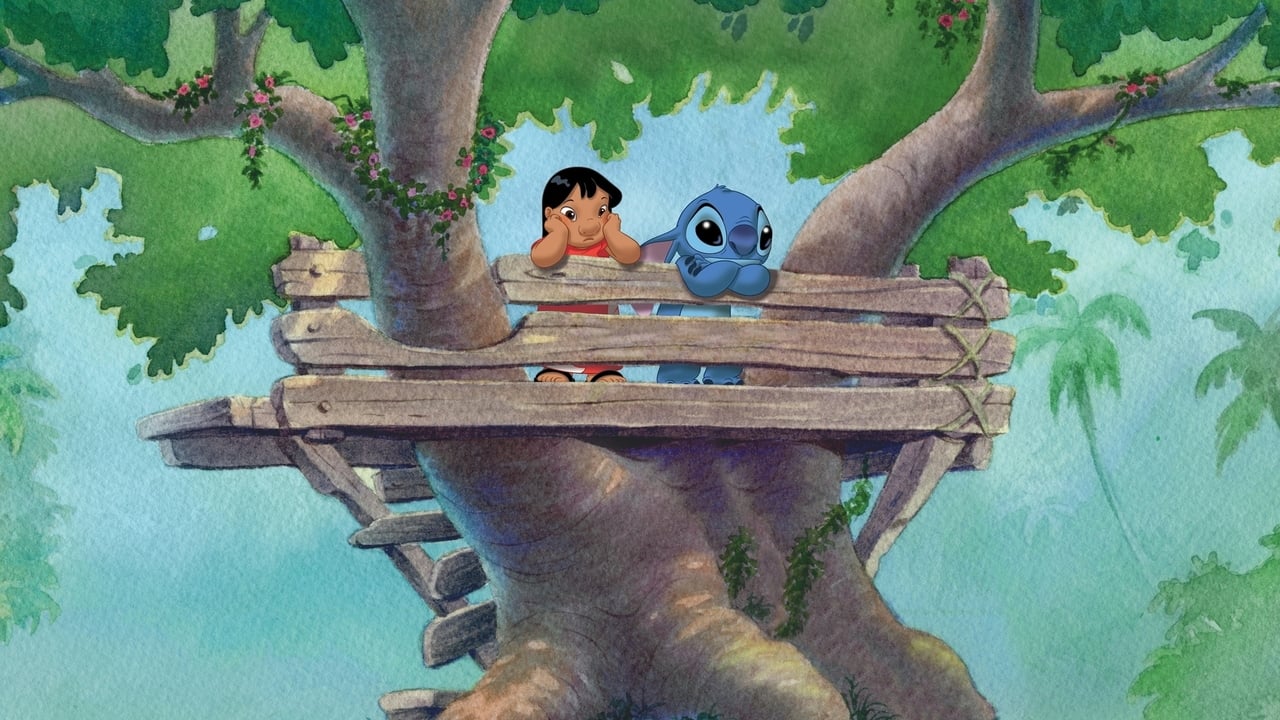
Turns out, the "glitch" concept wasn't just a convenient plot device. Apparently, the filmmakers originally toyed with the idea of Stitch having a "malfunction" in the first film, but it was cut to focus more on the relationship between Lilo and Nani (Tia Carrere). By the time 2005 rolled around, DisneyToon Studios was looking for a way to differentiate this from Stitch! The Movie (the 2003 pilot for the TV series). They decided to make this a direct chronological sequel to the 2002 original, effectively ignoring the events of the series to tell a more intimate story.
This film also serves as a weird time capsule for the DVD culture of the mid-2000s. I remember the original disc had a short film called The Origin of Stitch, which used a different animation style and offered a more "hard sci-fi" look at Jumba’s lab. It was an era where the "special features" were often as ambitious as the movies themselves, a testament to a time when we still bought physical media and cared about the "making-of" process.
Lilo & Stitch 2: Stitch Has a Glitch is a forgotten gem that deserves a spot on your shelf—or at least a spot in your streaming queue—next to the original. It manages to treat its sci-fi premise with enough respect to create real tension, while never losing sight of the "Ohana" that made us fall in love with these characters in the first place. Direct-to-video sequels were the fast food of the 2000s, but this was the occasional gourmet burger that actually used real ingredients. It’s short, punchy, and packs an emotional wallop that most theatrical sequels would envy.
Keep Exploring...
-

Lilo & Stitch
2002
-
Jimmy Neutron: Boy Genius
2001
-
Osmosis Jones
2001
-
Robots
2005
-
Meet the Robinsons
2007
-
Despicable Me
2010
-
Megamind
2010
-
Planet 51
2009
-

For the Birds
2000
-
The Little Mermaid II: Return to the Sea
2000
-
101 Dalmatians II: Patch's London Adventure
2003
-
Looney Tunes: Back in Action
2003
-
Kronk's New Groove
2005
-
Barnyard
2006
-

The Ant Bully
2006
-
Shrek the Halls
2007
-
TMNT
2007
-
Open Season 2
2008
-
Aliens in the Attic
2009
-
Mr. Peabody & Sherman
2014