Madagascar
"Five-star service. Zero-star wilderness skills."
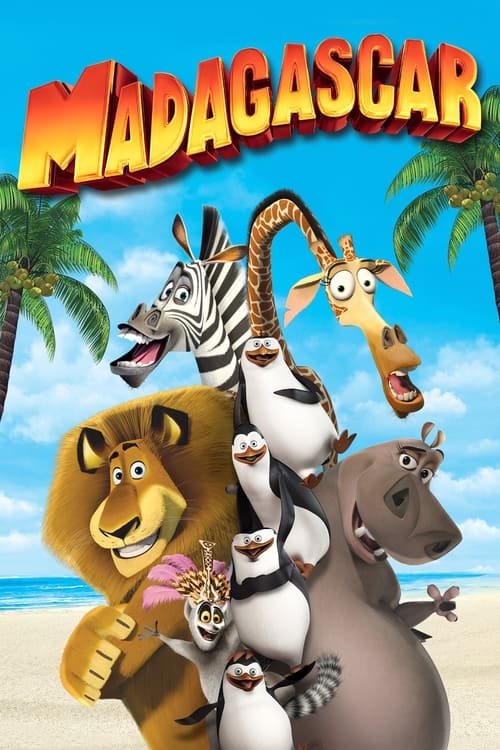
If you squint at the mid-2000s animation landscape, you’ll notice a very specific fork in the road. On one side, Pixar was busy trying to render individual hairs and perfect the physics of water. On the other, DreamWorks was leaning into a chaotic, sharp-edged, and wonderfully cynical vibe that felt more like a Looney Tunes short on a sugar high than a prestige film. Madagascar arrived in 2005 right at the peak of this "attitude era," and looking back, it’s a fascinating time capsule of when CGI finally stopped trying to look real and started trying to look funny.
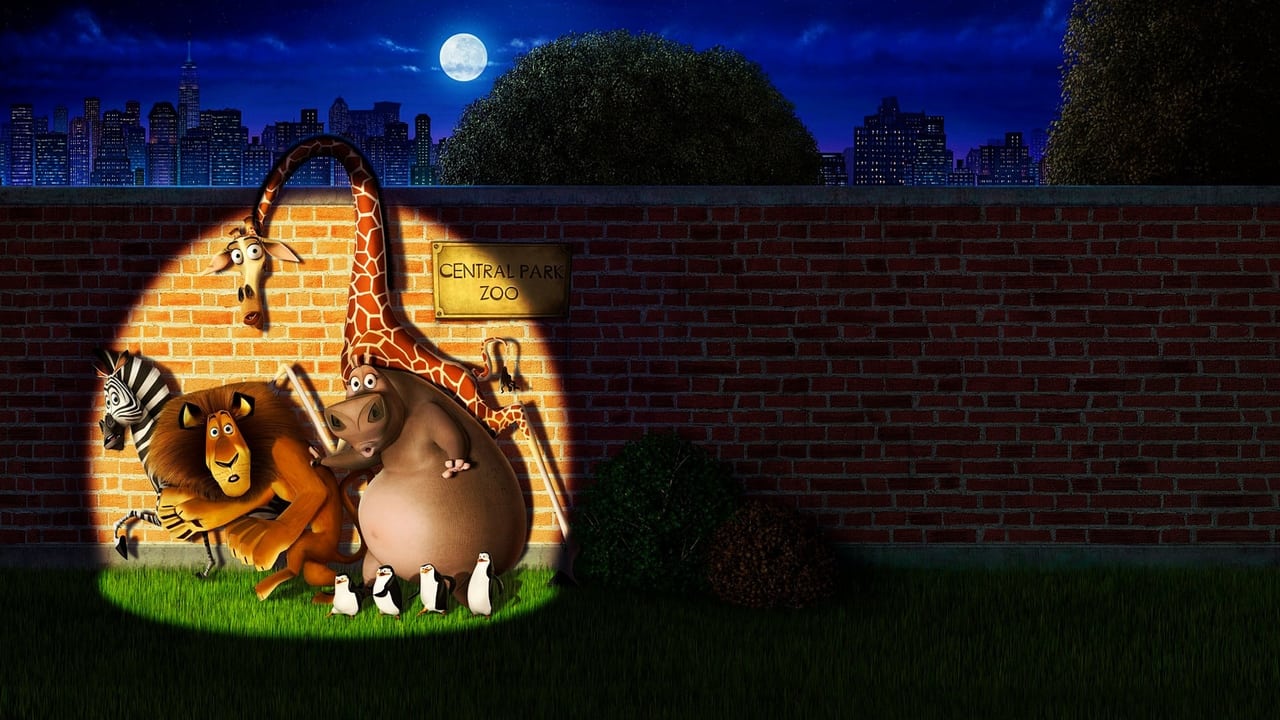
I recently re-watched this on a laptop with a screen so smudged I thought David Schwimmer’s giraffe character had developed a new skin condition, and honestly, the grit somehow suited the "New Yorkers out of water" aesthetic perfectly.
The Great Central Park Breakout
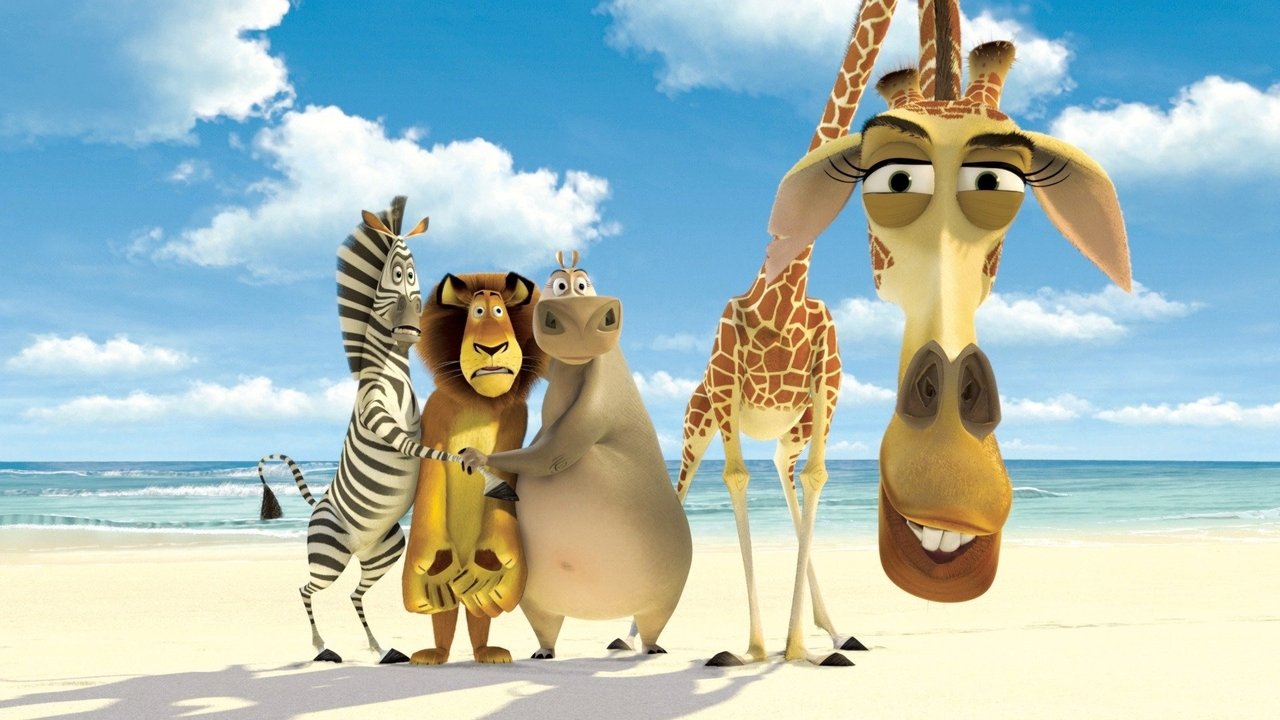
The premise is the ultimate "first-world problems" setup for the animal kingdom. You’ve got Ben Stiller as Alex the Lion, a "king" who is essentially a pampered Broadway star whose only real skill is posing for photos. His best friend Marty (Chris Rock) is having a mid-life crisis because he’s a zebra who realized he looks exactly like every other zebra. Rounding out the crew are Gloria (Jada Pinkett Smith), the only one with a functioning brain, and Melman (David Schwimmer), a giraffe who I am convinced was the primary inspiration for the rise of health-anxiety TikTok.
What I love about the setup is how it mirrors the neuroticism of early 2000s New York. These aren't wild animals; they are consumers. When they eventually wash up on the shores of Madagascar after a botched rescue attempt by some militant penguins, the joke isn't just that they’re in the wild—it’s that they are catastrophically unqualified for their own biology. Watching a lion try to be "civilized" while his predator instincts start screaming for a steak remains one of the more daring plot points for a family film. It’s a comedy about the thin veneer of civilization, wrapped in a bright, rubbery package.
Stealing the Show in Monochrome
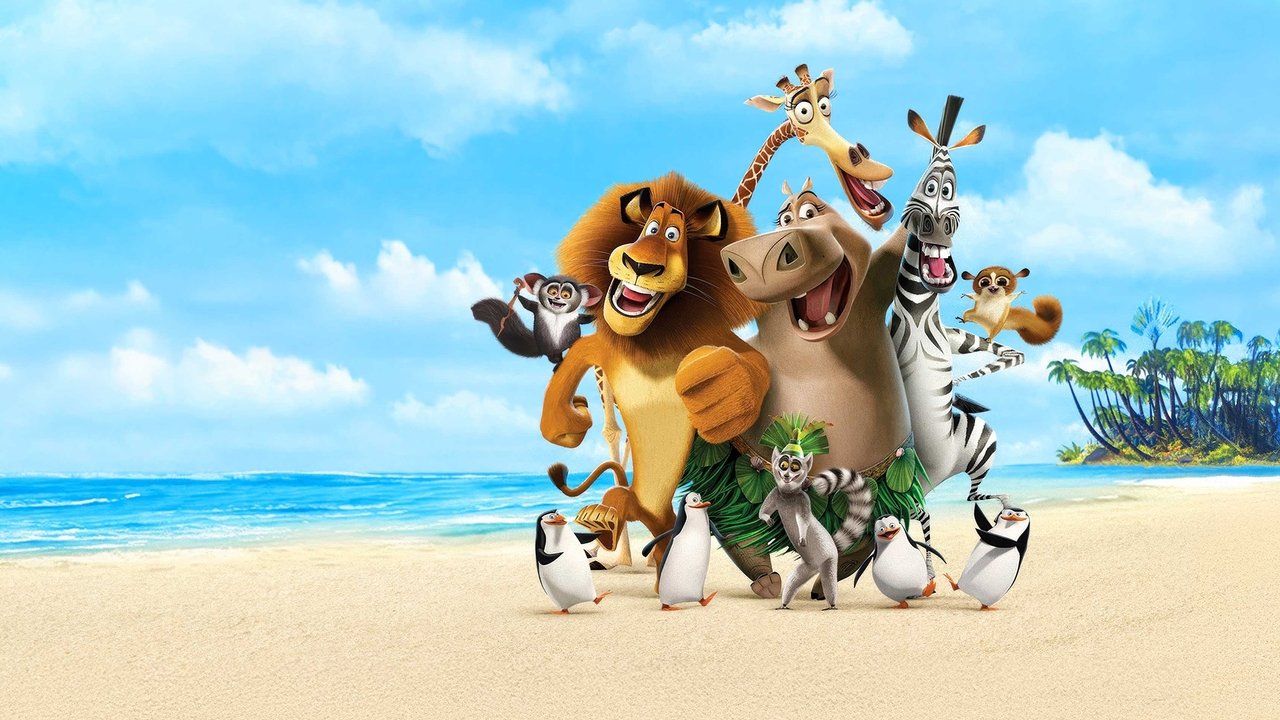
While the main four are solid, we have to talk about the tactical geniuses in the room. The Penguins—Skipper, Kowalski, Rico, and Private—are arguably the most successful supporting characters in modern animation history. It turns out they weren't even supposed to be in this movie; directors Tom McGrath and Eric Darnell originally had them as a peripheral gag in a different project about a rock band of penguins. Thank goodness for studio pivots, because their deadpan, military-industrial-complex energy is the high-octane fuel this movie runs on.
Then there’s the King Julien factor. Sacha Baron Cohen was originally given a tiny role with maybe two lines of dialogue. Instead, he went into the booth and improvised an eight-minute rant in an indeterminate accent that completely reshaped the second half of the film. He turned Julien from a background extra into a chaotic neutral icon. It’s a reminder of the "Indie Film Renaissance" energy mentioned in the Popcornizer mission—that even in a $75 million blockbuster, a single weird performance can hijack the ship and make it something legendary.
The $542 Million Squash and Stretch
From a technical standpoint, Madagascar was a bit of a rebel. Most CGI at the time was obsessed with realistic textures. DreamWorks went the other way, using a "squash and stretch" style that allowed the characters to deform and snap back like 2D drawings. This was groundbreaking for its time because it prioritized comic timing over technical accuracy. Looking back from 2024, the backgrounds might look a little sparse, but the character movements have aged far better than the hyper-realistic attempts of the same era.
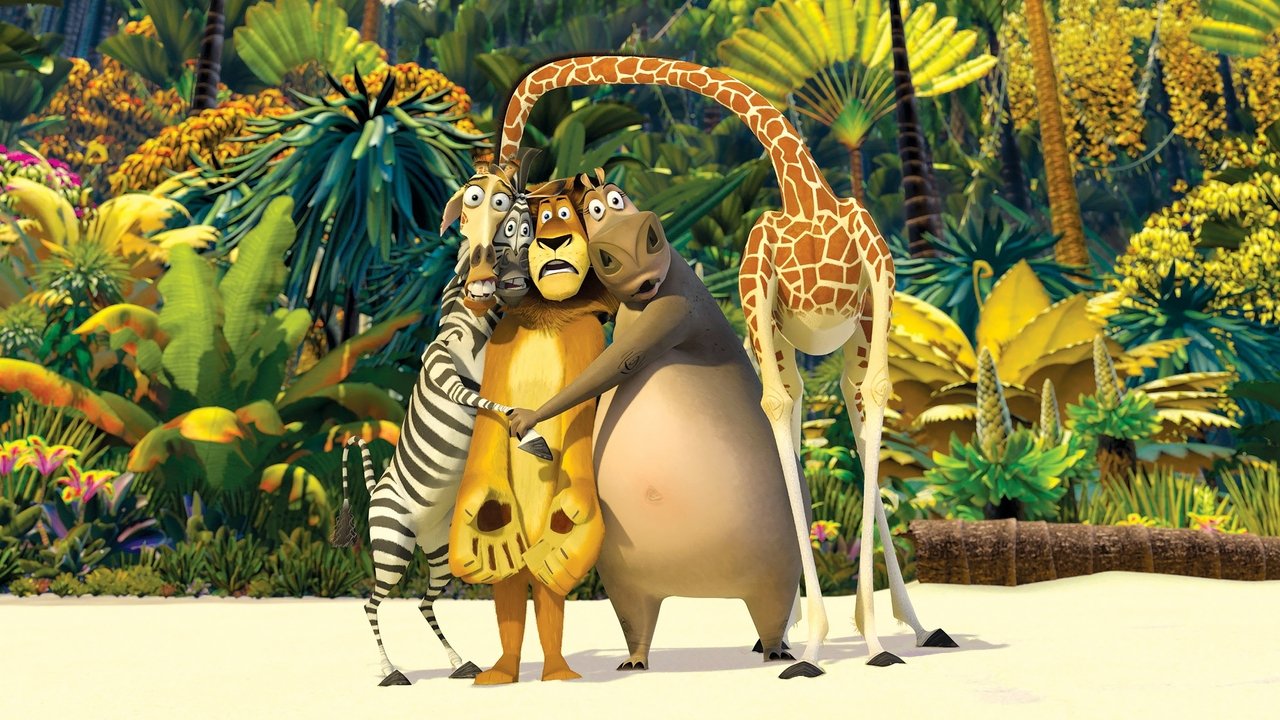
The financial impact of this movie cannot be overstated. With a $75 million budget, it clawed its way to a $542,064,525 global box office. That’s an insane return on investment that basically green-lit the next decade of DreamWorks’ "Celebrity Ensemble" strategy. It dominated the cultural conversation so thoroughly that "I Like to Move It" became a mandatory requirement for every middle school dance for the next five years—a feat of marketing that Hans Zimmer, who provided the surprisingly epic score, probably didn't see coming when he signed on.
Ultimately, Madagascar is 86 minutes of pure, unadulterated momentum. It doesn’t have the emotional gut-punch of Toy Story or the world-building depth of Shrek, but it has something equally valuable: a relentless commitment to the bit. It’s a film that understands exactly what it is—a manic adventure about four idiots who realize the "wild" is a lot less fun when there’s no one there to hand-feed you a ribeye.
Whether you're watching it for the nostalgia or introducing it to a new generation, the comedic timing still hits like a crate to the face. It’s a bright, loud, and surprisingly clever look at the difference between who we are and who we’re "supposed" to be. Just make sure you have some snacks nearby, or you might start looking at your friends the way Alex looks at Marty’s hindquarters.

Keep Exploring...
-
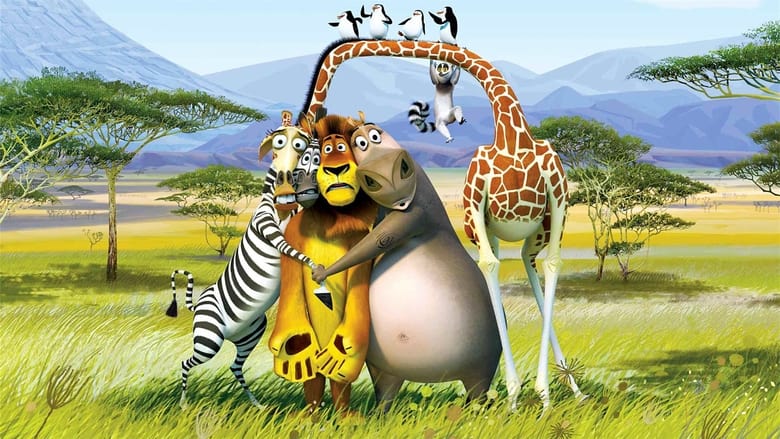
Madagascar: Escape 2 Africa
2008
-
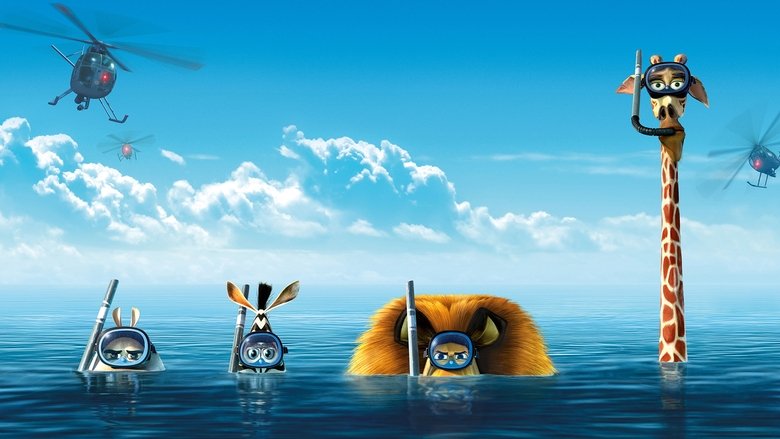
Madagascar 3: Europe's Most Wanted
2012
-
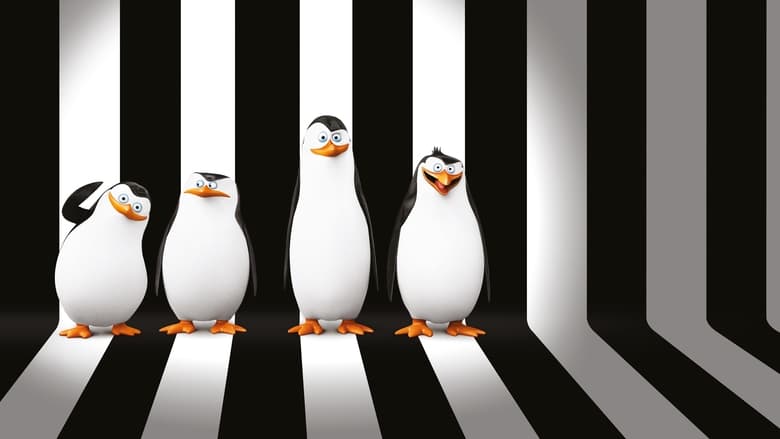
Penguins of Madagascar
2014
-
Antz
1998
-

Wallace & Gromit: The Curse of the Were-Rabbit
2005
-
Shrek
2001
-

Ice Age
2002
-
Megamind
2010
-
Shrek 2
2004
-
Cars
2006
-

Ice Age: The Meltdown
2006
-
Shrek the Third
2007
-
Horton Hears a Who!
2008
-
Kung Fu Panda
2008
-

Ice Age: Dawn of the Dinosaurs
2009
-

Night at the Museum
2006
-

The SpongeBob SquarePants Movie
2004
-

Bee Movie
2007
-
Shrek the Halls
2007
-

A Bug's Life
1998