March of the Penguins
"Survival is the ultimate long-distance relationship."

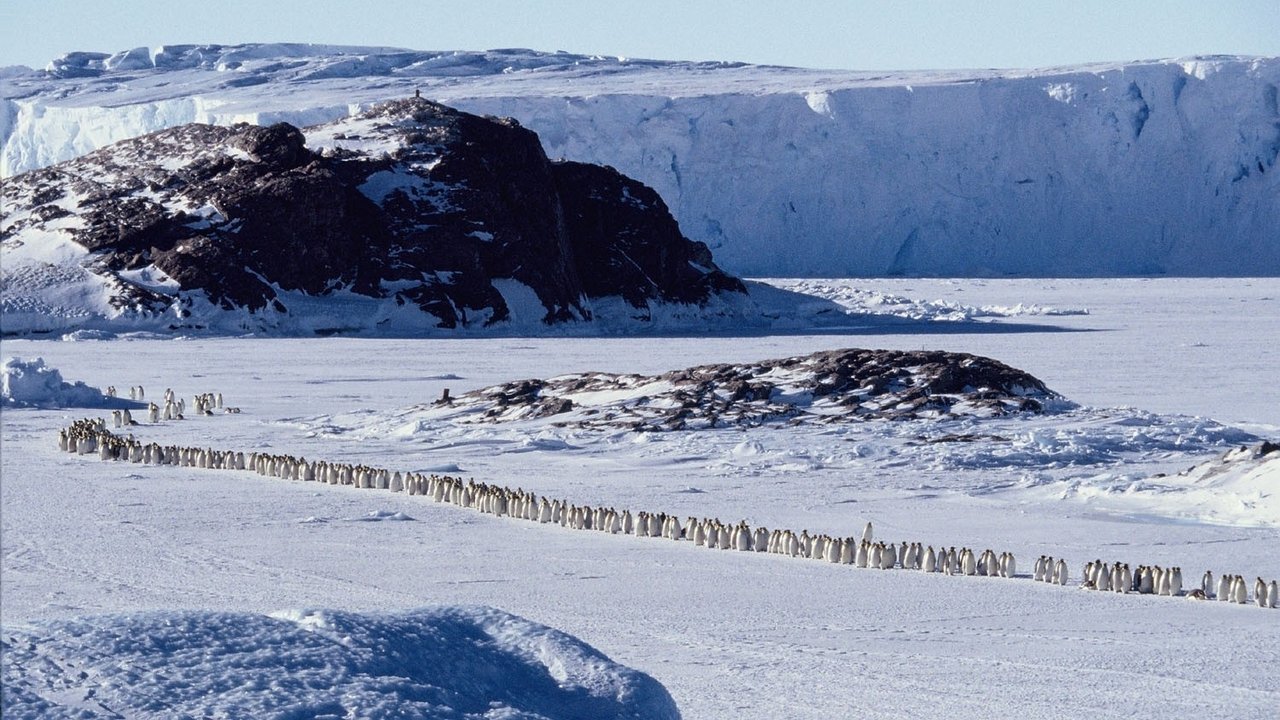
Imagine a commute so long that by the time you arrive, your partner has potentially forgotten your face and your child is a literal egg. That is the baseline existence for the Emperor penguin, a creature that seems designed by a committee tasked with finding the most difficult way to exist on planet Earth. When Luc Jacquet released March of the Penguins in 2005, he didn't just give us a nature documentary; he gave us the most grueling, heart-wrenching, and improbable soap opera of the decade.
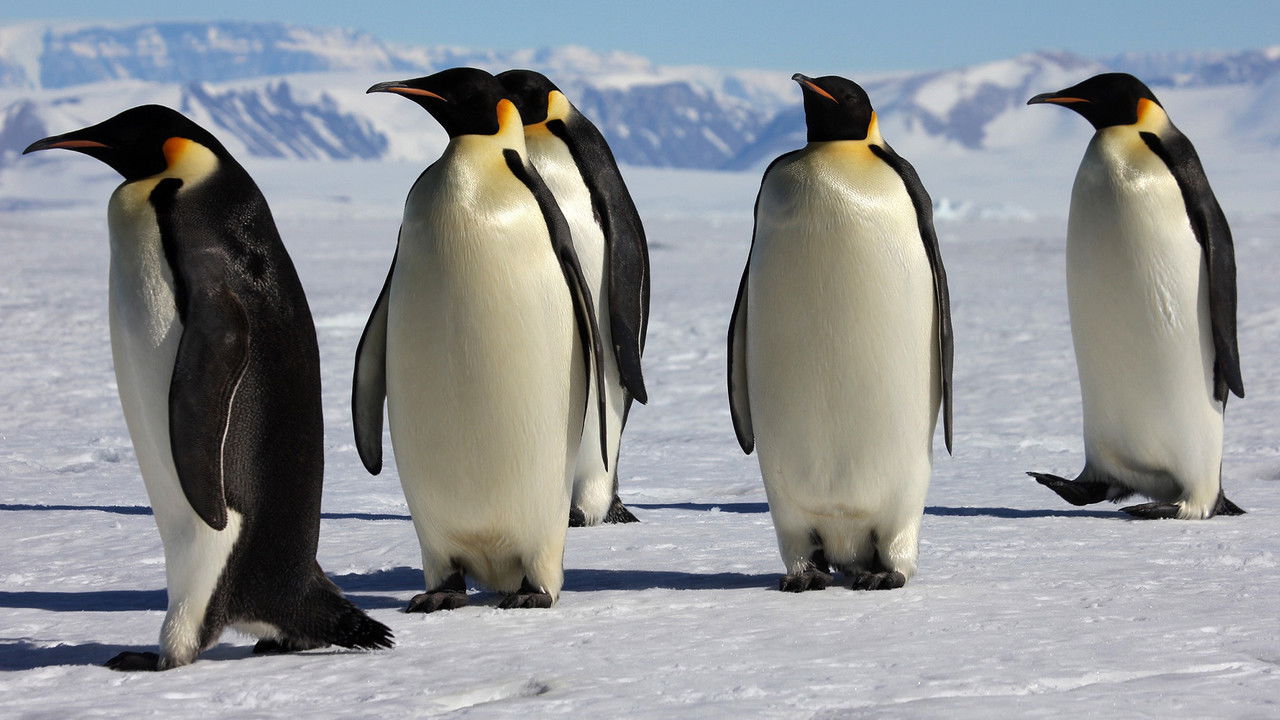
I watched this film again recently while wearing three layers of wool socks despite my thermostat being set to a perfectly reasonable 72 degrees. There is something about the sheer, unrelenting whiteness of the Antarctic landscape that makes your bones ache in sympathy. It’s a testament to the cinematography of Jérôme Maison that even through a screen, the wind feels like it’s scraping the skin off your face.
The Voice of God and the Arctic Grind
In the American release, the "characters" are grounded by the narration of Morgan Freeman. It was a masterstroke of casting. In the original French version, actors like Charles Berling and Romane Bohringer actually voiced the penguins in the first person, which, frankly, sounds like a fever dream I’d rather not have. Morgan Freeman’s voice could make a grocery list sound like a divine revelation, and here, he provides a steady, soulful anchor to a story that would otherwise feel like a nihilistic exercise in endurance.
The film arrived right in the sweet spot of the mid-2000s documentary boom. We were in an era where films like Bowling for Columbine and Super Size Me proved that non-fiction could move tickets just as well as mid-budget thrillers. But March of the Penguins was different. It wasn't trying to sell a political point (though, famously, several groups tried to co-opt it as a manifesto for "traditional family values"). Instead, it was a drama in the purest sense. It’s about the stakes of life and death, the tragedy of a dropped egg, and the triumph of a first step.
A Blockbuster Built on Ice
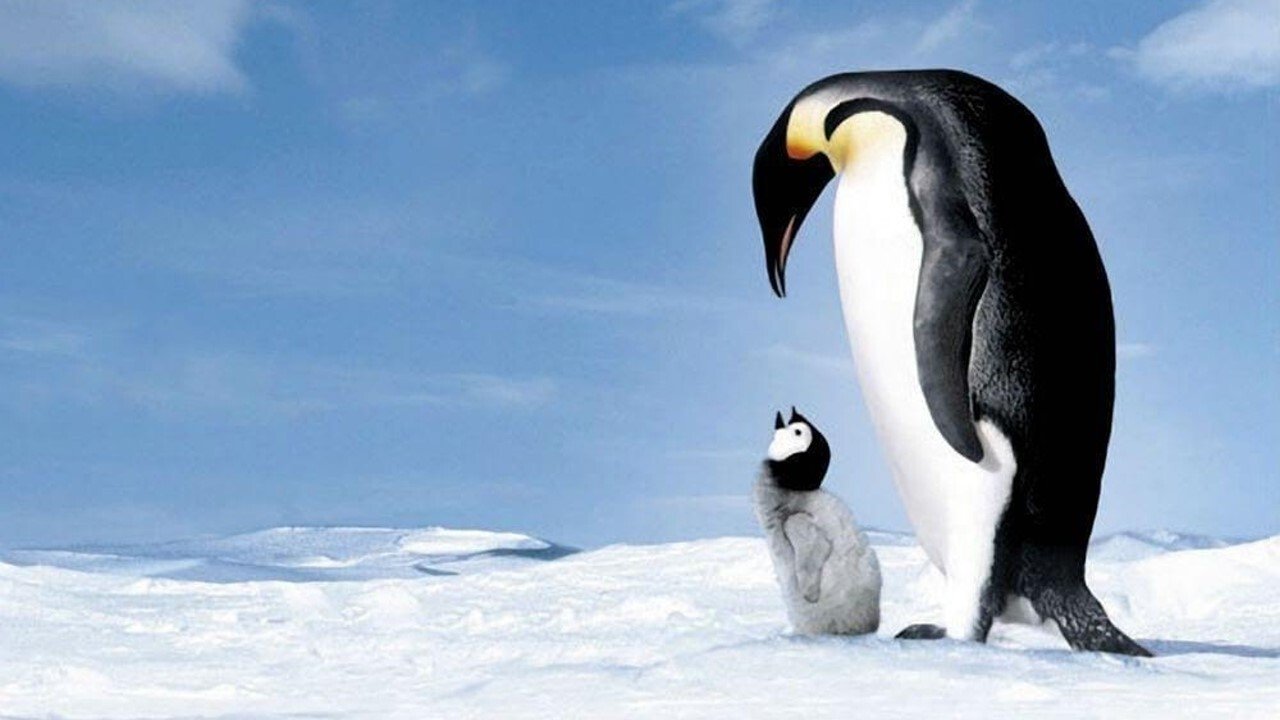
The financial footprint of this film is still staggering to look back on. Produced for a relatively modest $8 million, it raked in over $127 million worldwide. In 2005, it was the second-highest-grossing documentary of all time. It wasn't just a "nice nature movie"; it was a genuine cultural phenomenon. You couldn't walk into a Target or a Best Buy without seeing the DVD endcap—this was the peak of the "DVD as a gift" era, where every grandmother in the country owned a copy of this film.
Behind the scenes, the production was a nightmare of logistical proportions. The crew spent 13 months at the Dumont d'Urville station. Because they were shooting on 16mm film rather than digital—a choice that gives the movie its rich, textured, almost tactile quality—they couldn't even see their footage for months. They were flying blind in -40 degree weather, hauling heavy equipment across a landscape that actively wants to kill humans. If humans had to put in half this much effort for a date, the species would have gone extinct during the Bronze Age.
That effort translates into every frame. When you see the penguins huddling in a massive, rotating circle to share body heat, there is no CGI involved. In an era where Star Wars: Revenge of the Sith was pushing the limits of digital artifice, March of the Penguins offered a visceral, analog counterpoint. It reminded us that the real world is often more spectacular—and more terrifying—than anything a rendering farm can produce.
The Drama of the Huddle
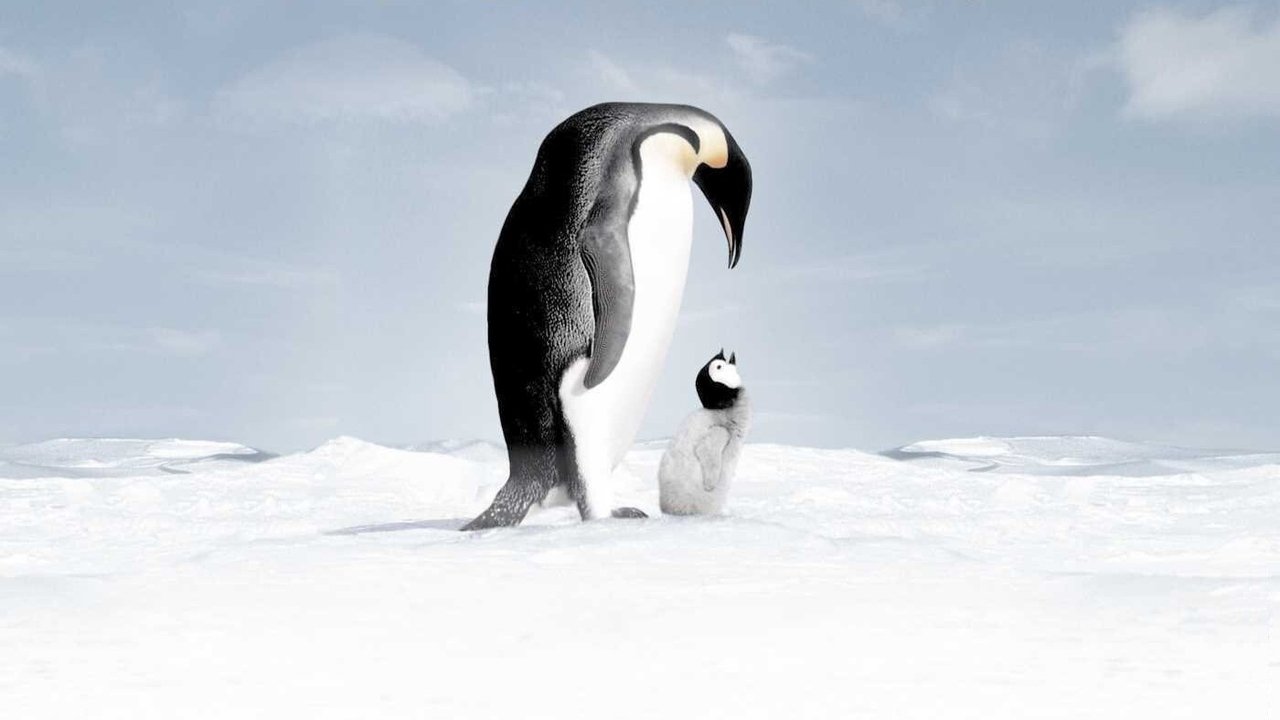
What makes this a "drama" rather than just a lecture is the way Luc Jacquet frames the penguins' choices. We see the "Mother Penguin" (Romane Bohringer) having to leave her egg with the father and trek 70 miles back to the ocean. The sequence where the transfer of the egg happens is more tense than most heist movies. If the egg touches the ice for more than a few seconds, it freezes. It’s over. The stakes are crystalline and absolute.
The score by Émilie Simon (in the French version) and the reworked soundscape for the US release emphasize this emotional weight. It isn't just a biological cycle; it's a narrative arc. We root for these flightless, tuxedo-wearing birds because their struggle is so relatable: they are just trying to keep their kids alive in a world that is fundamentally indifferent to them. Looking back, this film remains the gold standard for nature filmmaking because it never feels like it's looking down on its subjects. It meets them on the ice, at eye level.
March of the Penguins is a rare bird—a documentary that earns its blockbuster status through sheer, unadorned beauty and narrative tension. It’s a film that demands you turn off your phone, wrap yourself in a blanket, and appreciate the fact that you don't have to walk 70 miles for a seafood dinner. It’s a quiet, cold masterpiece that still burns with a surprising amount of heart.
Keep Exploring...
-
Chicken Run
2000
-
Save the Last Dance
2001
-
The Princess Diaries
2001
-
Return to Never Land
2002
-

Cheaper by the Dozen
2003
-
Elf
2003
-
Freaky Friday
2003
-

Fahrenheit 9/11
2004
-
The Princess Diaries 2: Royal Engagement
2004
-

The SpongeBob SquarePants Movie
2004
-
Hoodwinked!
2005
-
Nanny McPhee
2005
-

Wallace & Gromit: The Curse of the Were-Rabbit
2005
-

Eight Below
2006
-
Mr. Bean's Holiday
2007
-

The Game Plan
2007
-

High School Musical 3: Senior Year
2008
-
Ponyo
2008
-

Hannah Montana: The Movie
2009
-
Jackass 3D
2010