Memoirs of a Geisha
"A world where every look is a language."
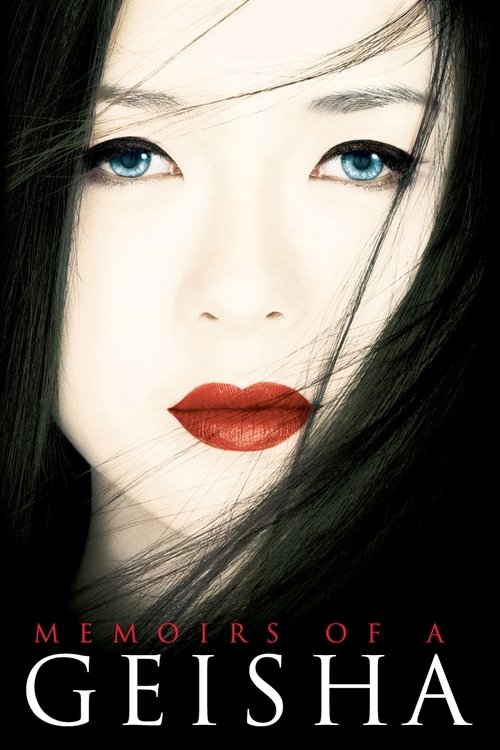
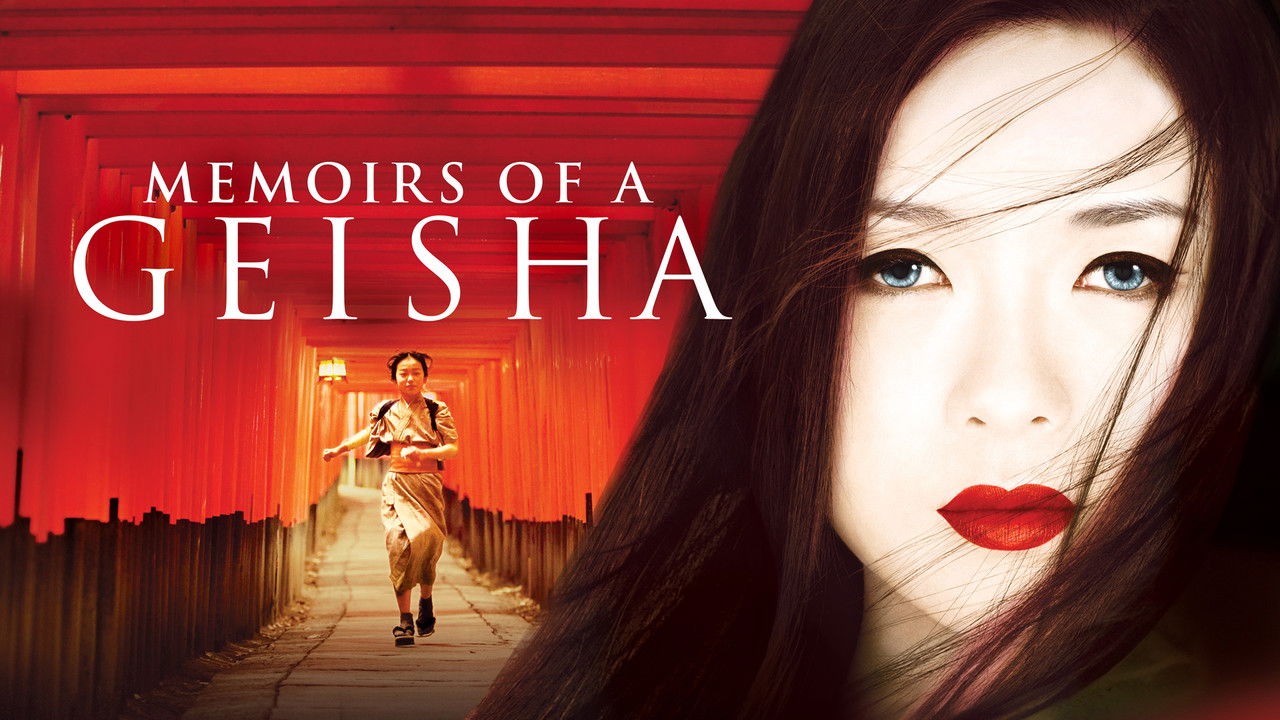
I remember first seeing the teaser poster for Memoirs of a Geisha in a theater lobby back in 2005. It was just Zhang Ziyi’s face, porcelain-pale, with those startling, translucent blue-grey eyes looking right through the viewer. At the time, I thought it was the most beautiful thing I’d ever seen. Re-watching it recently—while sitting in a chair that’s lost about 40% of its lumbar support and nursing a lukewarm cup of oolong tea—I realized that the film itself functions exactly like that poster. It is an exquisite, haunting surface that occasionally forgets there’s a human being underneath the silk.

The Hollywood-Kyoto Connection
There is an strange, specific energy to mid-2000s prestige cinema. This was the era of the "global blockbuster," where Hollywood finally realized it could sell lavish, culturally specific stories to a worldwide audience, provided they polished them to a high-gloss finish. Director Rob Marshall, fresh off the success of Chicago, treated the Gion district of Kyoto not so much as a historical location, but as a stage for a grand, tragic ballet.
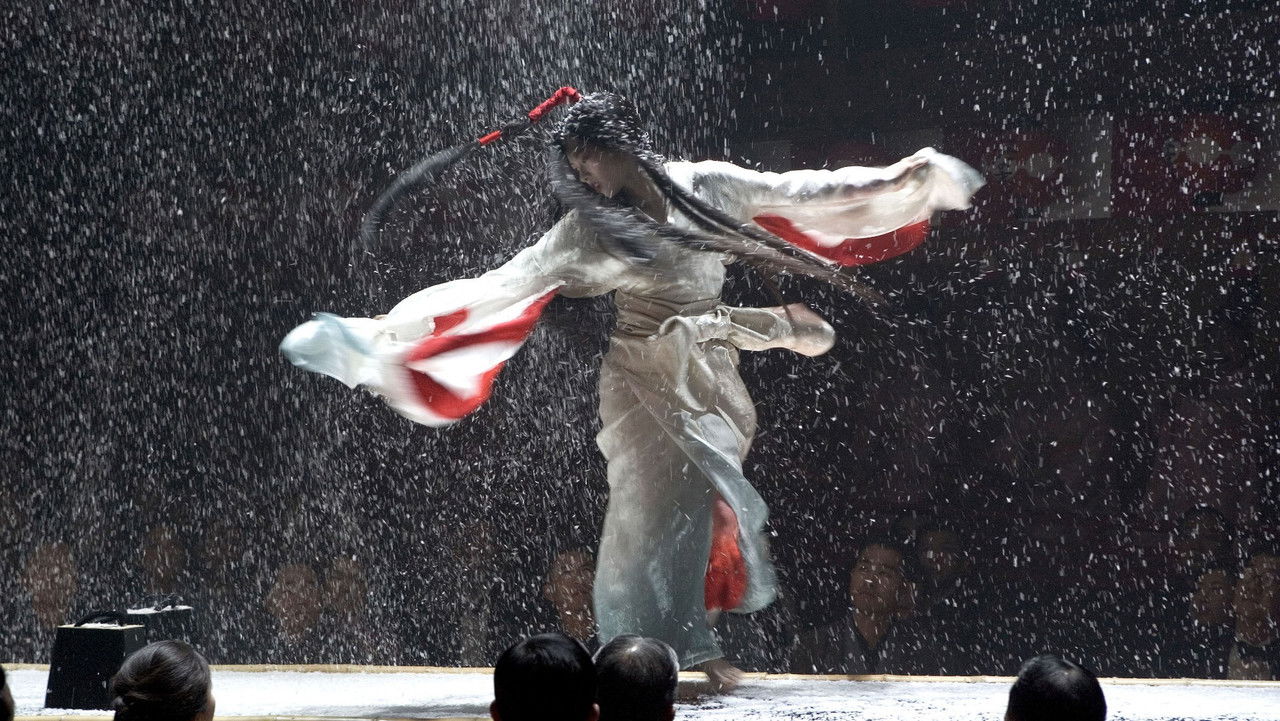
Interestingly, the "Kyoto" we see on screen was actually built on a ranch in Ventura County, California. Looking back, that’s such a peak 2005 move. We were right on the cusp of the digital revolution where everything would eventually be a green screen, but here, they actually built a massive, breathable city out of wood and tile. When the "snow" falls on Zhang Ziyi during her climactic solo dance, it’s not CGI—it’s shredded paper and felt. There’s a weight to the world that feels tangible, even if the history itself is filtered through a heavy Western lens. This movie is basically a gorgeous museum exhibit that’s been hit with a high-intensity Hollywood spotlight.
The Elephant in the Kimono
You can’t talk about this film without hitting the casting controversy. At the time, the decision to cast Chinese superstars Zhang Ziyi, Gong Li, and Michelle Yeoh as Japanese geisha sparked a massive international debate. Looking back from our current vantage point of "representation matters," it’s a fascinating relic of an era where Hollywood’s logic was: "Just get the biggest stars in Asia and hope nobody checks their passports."
If you can move past the cultural homogenization, the performances are actually where the "drama" earns its keep. Gong Li as the villainous, fading Hatsumomo is, quite frankly, the best part of the movie. She doesn't just chew the scenery; she burns it down and lights a cigarette with the embers. While Zhang Ziyi’s Sayuri is the "water" of the story—fluid, adaptable, and a bit passive—Gong Li is the fire. Apparently, she practiced her signature fan-toss trick for five hours a day for months just to get that one flick of the wrist right. That’s the kind of dedication that makes these 146 minutes fly by. Honestly, Hatsumomo was right to be angry; she was the only one in that house with a personality.
A Philosophical Trap of Silk
Beneath the romance with Ken Watanabe’s Chairman—which, let’s be real, feels a bit like a girl falling in love with a very kind ATM—the film wrestles with a much deeper, more existential question: What happens when a person is transformed into a piece of art?
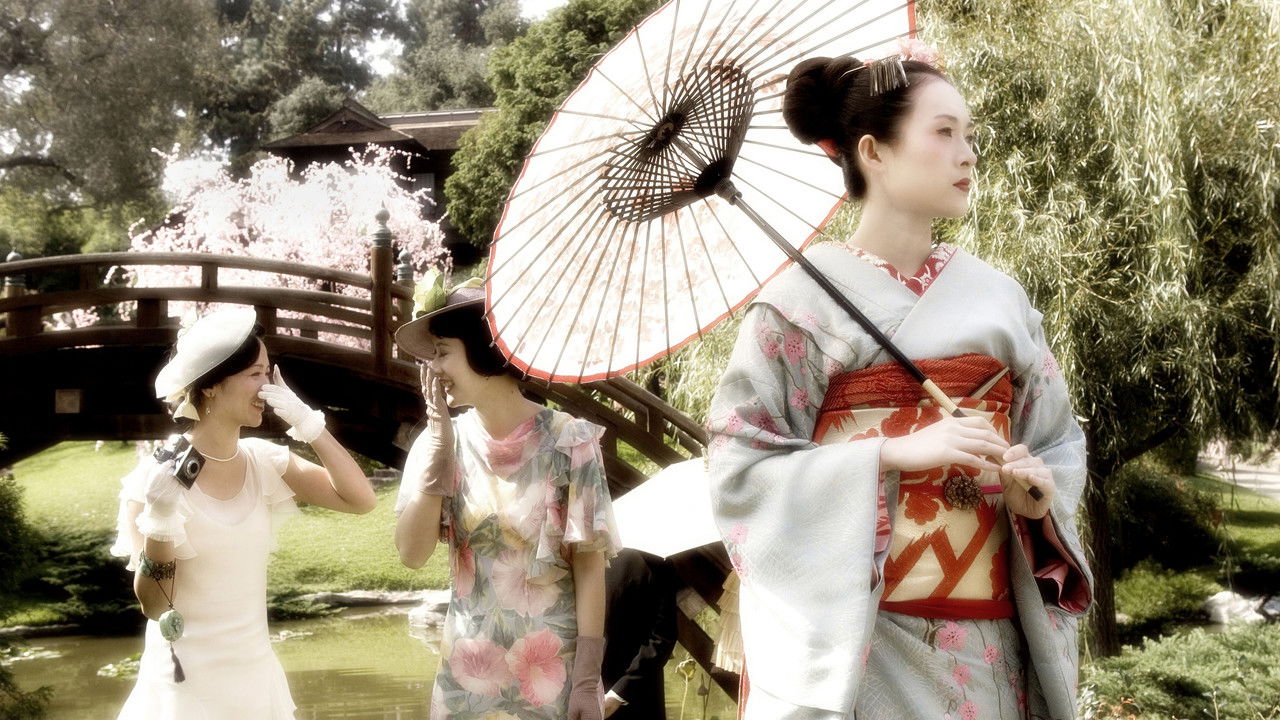
The "cerebral" pull of the story isn't the plot; it's the ritual. We see the binding of the feet, the layers of kimono that weigh up to 40 pounds, and the white lead paint that turns a face into a mask. It’s a film about the erasure of the self. Sayuri isn't allowed to have a life; she is a "living work of art" designed to reflect the desires of men. There’s a scene where Michelle Yeoh (playing the mentor Mameha with her trademark effortless grace) explains that geisha are not wives, but "the wives of nightfall." It’s a poetic way of saying they are professional ghosts.
The film is at its best when it stops trying to be a sweeping romance and leans into this melancholy. The score by John Williams, featuring solos by Yo-Yo Ma and Itzhak Perlman, is doing a lot of the heavy lifting here. It’s a weeping, cello-heavy masterpiece that makes even a scene of someone walking across a bridge feel like a soul-shattering event.
The DVD Era Legacy
I miss the era when a movie like this came with a second disc full of "the making of" featurettes. I remember watching a segment on how the costume designer, Colleen Atwood, intentionally used colors and patterns that weren't strictly "accurate" to the 1930s because they wanted to capture the feeling of the era for a modern audience. That’s the film in a nutshell: it’s a vibe. It’s a mood. It’s a $85 million dream of a Japan that existed mostly in the imagination of novelist Arthur Golden.
Is it a bit long? Yeah. Is the dialogue occasionally a bit "fortune cookie" for my taste? Definitely. But in an age of Marvel movies where every set looks like a parking lot in Atlanta, there is something deeply refreshing about the sheer, unadulterated craft on display here. It’s a film you don't just watch; you sort of sink into it, like a warm bath that's just a few degrees too hot.
Memoirs of a Geisha is a stunning achievement in production design that occasionally forgets to check its own pulse. It’s a film that asks us to look at the beauty of a bird in a cage, while making sure the cage is plated in 24-karat gold. If you’re looking for a historical documentary, keep moving, but if you want to lose yourself in a dream of silk, snow, and Gong Li being delightfully terrifying, this is your ticket. It remains one of the most visually intoxicating films of the 2000s, even if the "water" eyes are a little too blue to be true.
Keep Exploring...
-

Cinderella Man
2005
-
Enemy at the Gates
2001
-

The Other Boleyn Girl
2008
-
Coach Carter
2005
-
The Wrestler
2008
-
Mona Lisa Smile
2003
-
Ip Man
2008
-

Three Steps Above Heaven
2010
-

What's Eating Gilbert Grape
1993
-
10 Things I Hate About You
1999
-
Moulin Rouge!
2001
-

Alexander
2004
-
Moonrise Kingdom
2012
-
Confessions of a Dangerous Mind
2002
-
Elizabeth: The Golden Age
2007
-
The Young Victoria
2009
-
Anna Karenina
2012
-
The Family Man
2000
-
The Patriot
2000
-
A Knight's Tale
2001