Munich
"Vengeance is a cycle that never stops spinning."
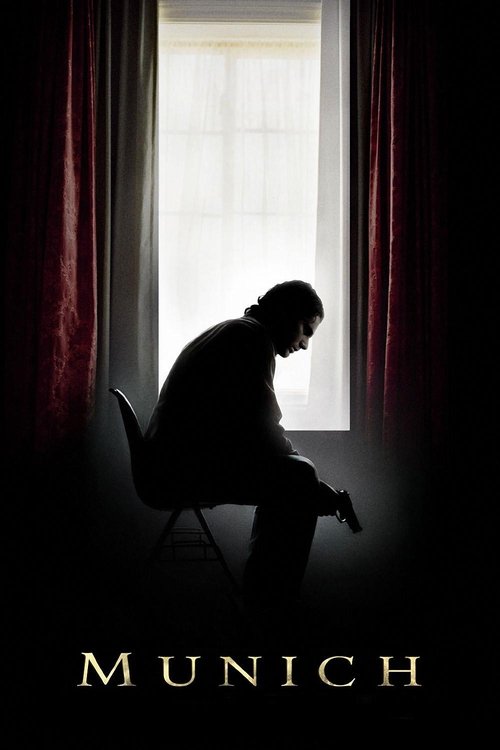
I first watched Munich on a scratched DVD I’d rented from a Blockbuster that was literally three days away from closing its doors forever. I sat on my floor eating a bowl of slightly stale Life cereal because I was too broke for pizza, and honestly, that crunchy, unfulfilling meal felt weirdly appropriate. Steven Spielberg doesn’t give you a "satisfying" meal here. He gives you a three-hour anxiety attack that leaves you feeling like you need a shower and a new moral compass.
Coming out in 2005, Munich felt like a massive pivot. We were deep into the post-9/11 era, a time when Hollywood was trying to figure out how to talk about "the war on terror" without getting cancelled or sounding like a recruitment poster. Spielberg, the man who gave us the clear-cut heroism of Saving Private Ryan, decided to look back at the 1972 Olympics massacre to tell a story about the messy, soul-eroding reality of state-sponsored revenge.
The Sweat and the Static
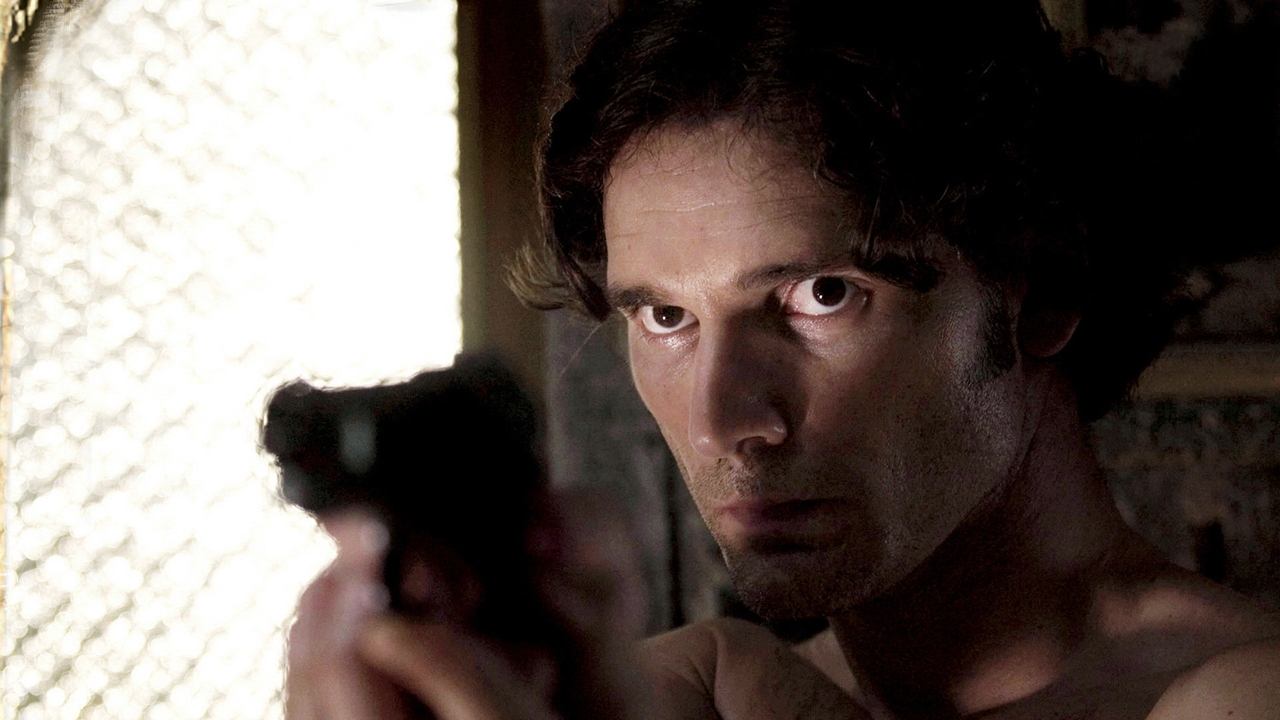
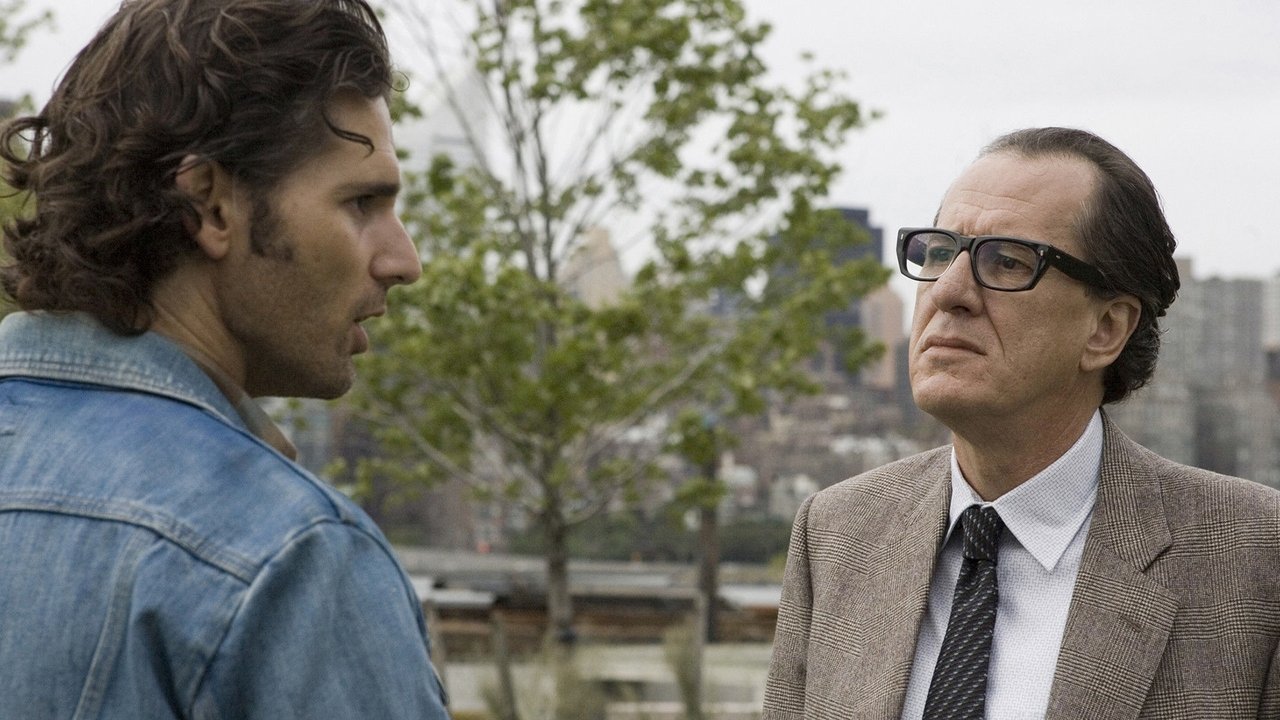
This isn't an action movie in the "cool guys walking away from explosions" sense. It’s a thriller where the heroes are constantly sweating through their polyester shirts and fumbling with rotary phones. The "action" is awkward, terrifying, and profoundly un-cinematic in the best way possible. When Eric Bana (as Avner) and his team are trying to bomb a target in a hotel, the tension doesn't come from a ticking clock—it comes from the terrifying possibility of collateral damage and the sheer mechanical failure of 1970s tech.
Spielberg and his long-time cinematographer Janusz Kamiński shot this with a gritty, grainy texture that makes it look like a lost artifact from the decade of paranoia. They used these frantic, jarring zoom lenses that feel like a paparazzi camera catching something it shouldn't. It’s a masterpiece of "Modern Cinema" pretending to be "Old Cinema," capturing that transition from the analog world to the digital one. Everything feels heavy—the suitcases, the guns, the secrets. It is effectively the most "un-Spielberg" movie Spielberg has ever made, stripping away the "magic" in favor of cold, hard pavement.
A Masterclass in Bungled Brutality
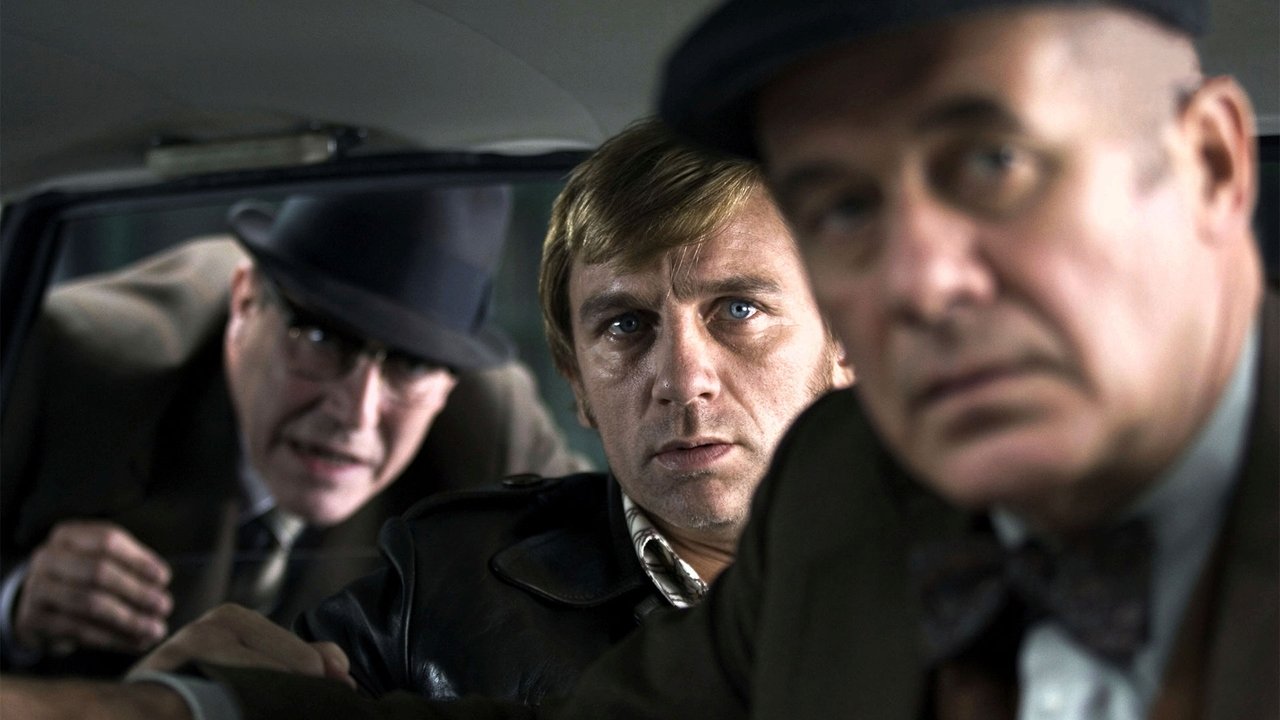
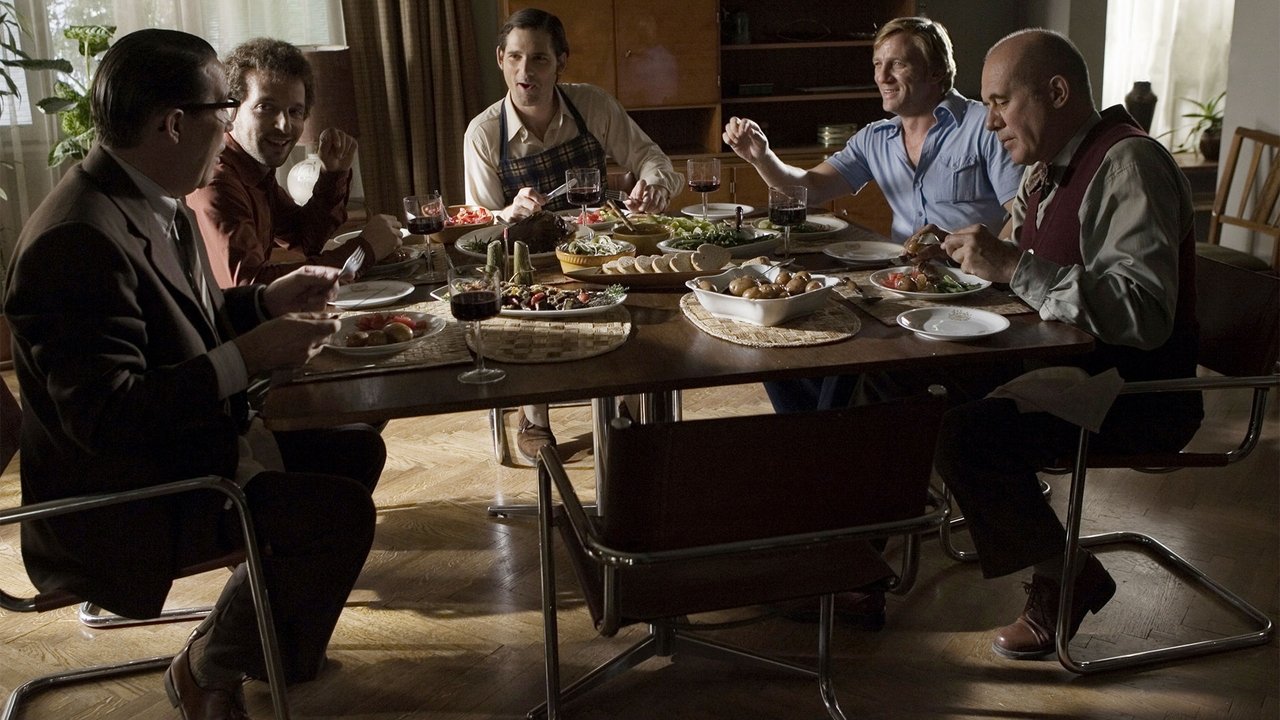
The cast is a "who’s who" of guys you’d want in your corner but wouldn't necessarily trust with your life. Before he was 007, Daniel Craig was Steve, a South African driver who is the most eager to pull the trigger. Watching him here, you can see the blueprint for his gritty take on Bond—he’s blunt, dangerous, and a little too comfortable with violence. Then you have Ciarán Hinds, Mathieu Kassovitz, and Hanns Zischler, who fill out the team not as elite super-soldiers, but as an accountant, a toy maker, and a document forger.
They are amateurs at murder, and the film makes you feel every bit of their incompetence. One of the most harrowing sequences involves a hit on a target that goes sideways because a young girl enters the room at the wrong time. The way Eric Bana plays that moment—the frantic, silent realization of what they're about to do—is heartbreaking. Bana's performance is a slow-motion car crash of the human soul, and it's a crime he didn't get more awards-season love for it.
The Stuff You Didn't Notice
While the movie was a critical darling and snagged five Oscar nods, it’s gained a bit of a cult following among history buffs and thriller nerds for its obsessive attention to detail.
The production actually used the real Olympic Village in Munich for some shots, which added a haunting layer of reality to the opening recreation. The "Black September" terrorists were played by actors of Arab descent, and Spielberg famously encouraged them to bond separately from the Israeli "hit squad" actors to maintain a genuine tension on set. Look closely at the final shot of the film. As Avner walks away in New York City, you can see the Twin Towers in the background. It wasn't a mistake; it was a deliberate, gut-punching reminder that the cycle of violence depicted in 1972 leads directly to 2001. John Williams ditched his usual soaring trumpets for a score that sounds like a mourning cry, utilizing a haunting vocal performance by Lisbeth Scott. * The film was shot in just 68 days—a blistering pace for a production of this scale—which probably contributed to that feeling of breathless, frantic energy.
Munich is a difficult, beautiful, and deeply cynical film that asks a question most blockbusters are too scared to touch: If we kill our enemies, do we actually win, or do we just create a vacancy for a more dangerous replacement? It’s a movie that sits in your gut like that stale cereal I ate—a bit uncomfortable, totally unsweetened, but something you won't forget anytime soon. If you’ve only ever seen Spielberg’s dinosaurs and aliens, you owe it to yourself to see what happens when he turns his camera toward the darkest corners of human history.
As the credits rolled, I remember staring at my TV screen, feeling entirely drained, realizing that the only thing more dangerous than a man with a gun is a man with a "righteous" cause. This is top-tier filmmaking that hasn't aged a day because, unfortunately, the world hasn't changed much since it was released.
Keep Exploring...
-
The Count of Monte Cristo
2002
-
United 93
2006
-
The Patriot
2000
-
Minority Report
2002
-
Man on Fire
2004
-
Kingdom of Heaven
2005
-
Blood Diamond
2006
-
Shooter
2007
-
Children of Men
2006
-
Road to Perdition
2002
-

Enemy of the State
1998
-

The Negotiator
1998
-
Lincoln
2012
-
The Bourne Identity
2002
-
The Bourne Supremacy
2004
-
The Bourne Ultimatum
2007
-
13 Hours: The Secret Soldiers of Benghazi
2016
-

The Fast and the Furious: Tokyo Drift
2006
-
The Good Shepherd
2006
-
Mesrine: Public Enemy #1
2008