Nanny McPhee
"She’s the magical medicine you didn’t know you needed."
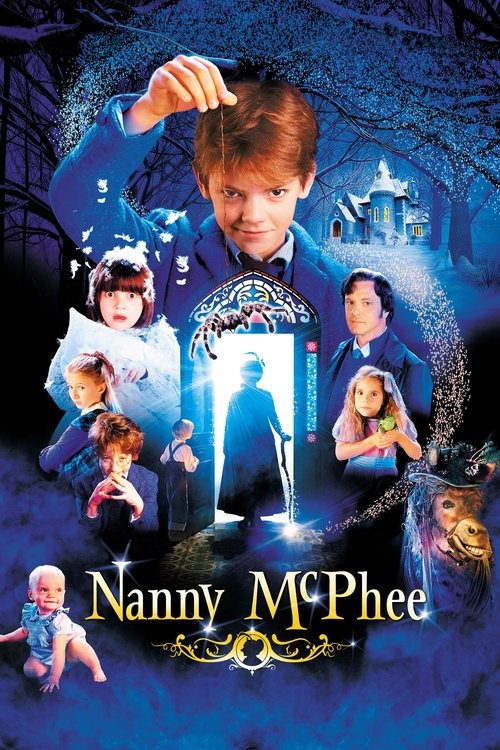
The first time I saw Emma Thompson as Nanny McPhee, I was genuinely unsettled. This wasn't the "practically perfect" silhouette of Julie Andrews floating over London. This was a woman who looked like she’d been dragged through a hedge backwards and then poked with the ugly stick for good measure. Between the unibrow, the bulbous nose, and that singular, protruding tooth, she looked more like a Grimm’s Fairy Tale nightmare than a child-minder. But that’s the genius of the 2005 sleeper hit Nanny McPhee—it understands that real discipline isn’t about being pretty; it’s about being present.
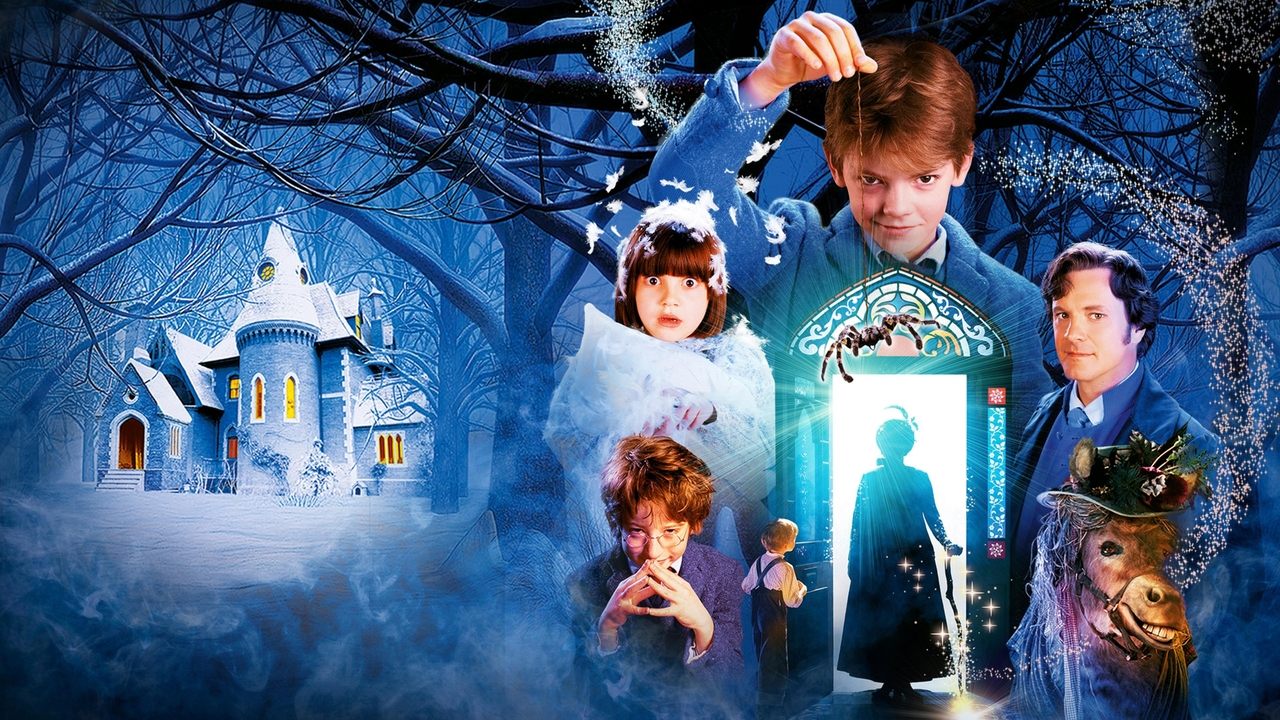
I recently revisited this one on a rainy Tuesday while nursing a lukewarm cup of Earl Grey that had a suspicious film on top, and I was struck by how well it has aged compared to other mid-2000s family fare. While many films of that era were tripping over themselves to include "hip" Shrek-style pop culture references that now feel painfully dated, Nanny McPhee exists in a candy-colored, hyper-saturated Edwardian vacuum. It’s a film that knows exactly what it is: a Victorian morality play disguised as a chaotic, custard-pie-throwing comedy.
The Antidote to Saccharine Sweetness
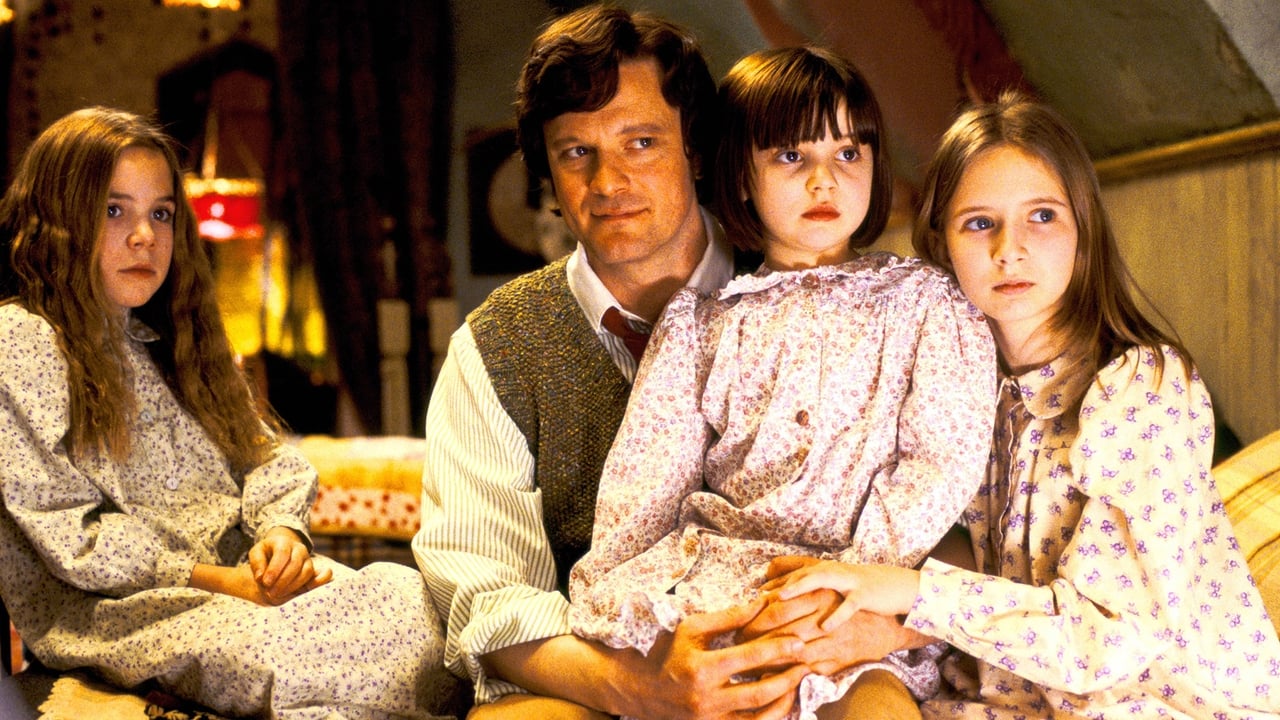
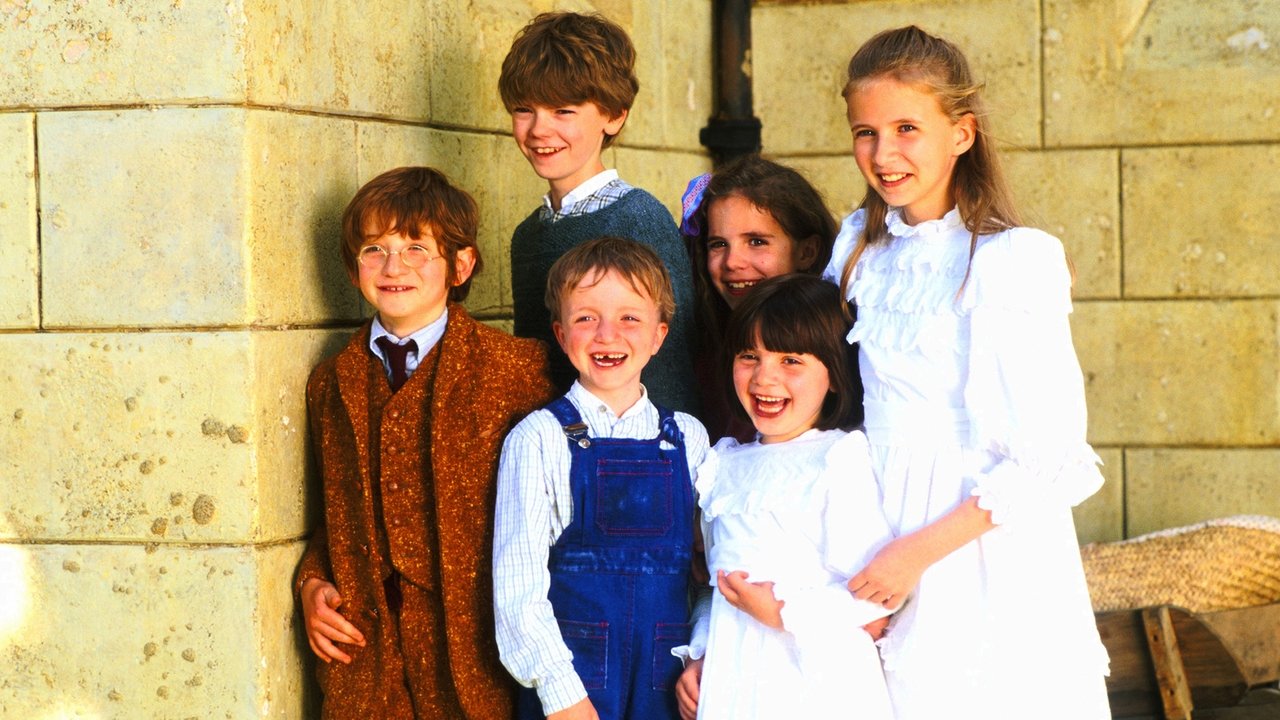
At the heart of the film is Colin Firth as Cedric Brown, a widower who is essentially drowning on dry land. He’s got seven children who aren't just "energetic"—they are miniature domestic terrorists who have successfully weaponized their grief. They’ve driven away seventeen nannies, and the film opens with the delightful revelation that they’ve led the most recent victim to believe they’ve literally eaten the baby.
Enter Nanny McPhee. Unlike Mary Poppins, who arrives when the wind changes, McPhee arrives because she is needed. Emma Thompson, who also wrote the screenplay, plays the role with a magnificent, stony stillness. While the kids are screaming and the kitchen is exploding, she just stands there, banging her gnarled black staff. It’s a masterclass in "less is more." Thompson spent nine years developing this script—adapting it from Christianna Brand's Nurse Matilda books—and that dedication shows in the dialogue. It’s sharp, unsentimental, and avoids the "kids are always right" trope that plagues modern family cinema.
A Labor of Love (and Warts)
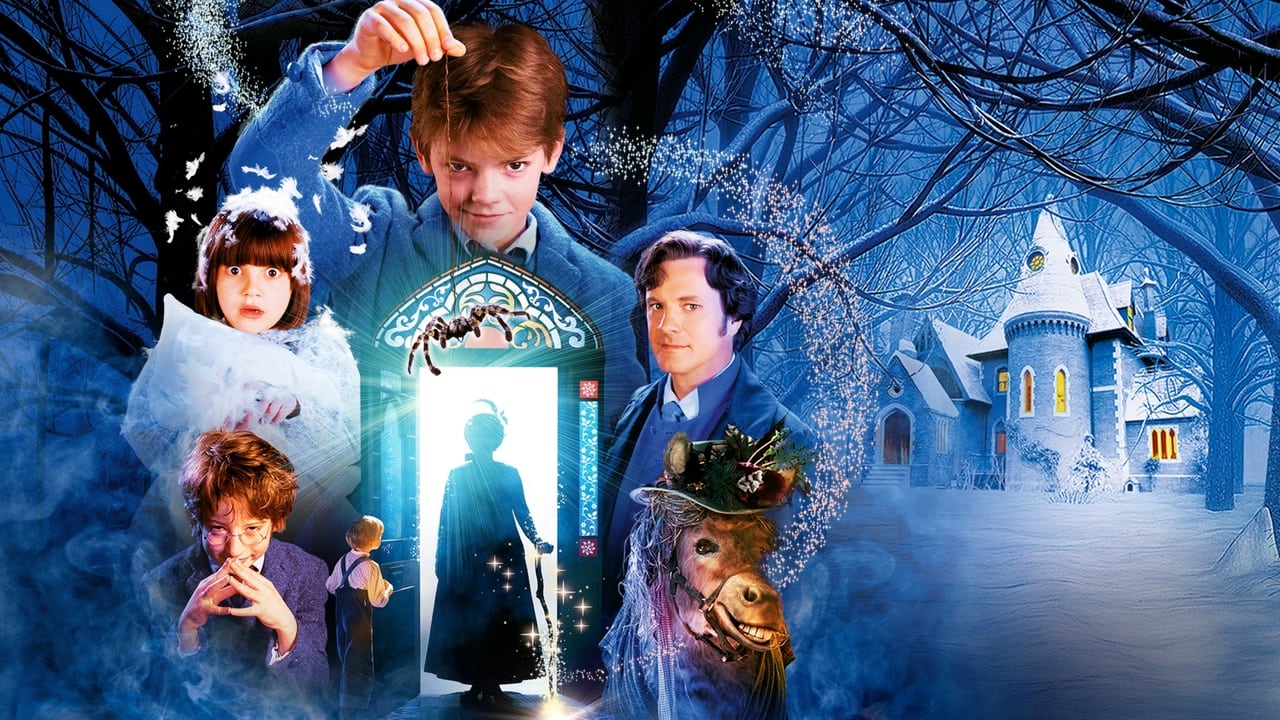
Looking back at the mid-2000s, we were right at the inflection point where CGI was starting to take over everything. Yet, Nanny McPhee leans heavily into a tactile, theatrical aesthetic. The Brown household looks like a Victorian dollhouse that’s been hit by a localized hurricane. The colors are so bright they practically vibrate—vivid purples, acid greens, and deep crimson. It’s a feast for the eyes that feels "analog" in the best way.
The "magic" in the film is handled with a charming restraint. When McPhee uses her staff to force the children to stay in bed or jump through hoops, the effects don't try to look photorealistic; they look magical. It’s a subtle distinction, but it works. And then there’s the central conceit: as the children learn their lessons, McPhee’s "ugly" features—the warts, the tooth, the brow—disappear one by one. It’s a bit on the nose, sure, but Thompson’s performance ensures it never feels like a cheap gimmick. She doesn't become "beautiful" because of a makeover; she becomes clear because the children are finally seeing her for who she is.
Slapstick with a Soul
The film’s commercial success was no fluke. With a modest $25 million budget, it raked in over $123 million worldwide, proving there was a massive appetite for family films that didn't rely on talking animals or fart jokes (though we do get a very dignified donkey in a bonnet). The ensemble cast is top-tier. A young Thomas Brodie-Sangster (long before his Queen’s Gambit days) is the perfect pint-sized revolutionary, while Kelly Macdonald provides the film’s emotional anchor as Evangeline, the scullery maid who is clearly the only person in the house with a functioning brain.
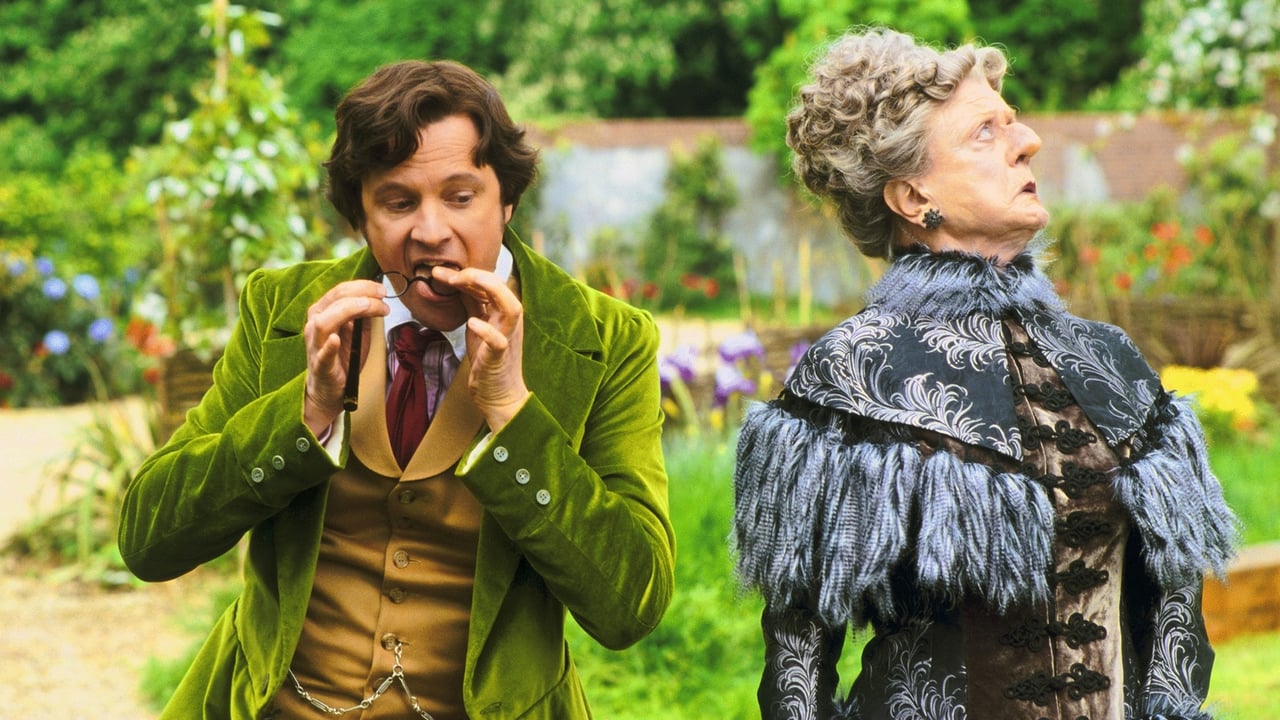
Even the villainy is top-notch. Angela Lansbury as Aunt Adelaide is a riot, sporting a prosthetic nose that gives Thompson’s a run for its money and acting with the kind of grand, theatrical disdain only a legend can pull off. The climax—a wedding that devolves into a massive food fight—could have been mindless filler, but it’s choreographed with such glee that you can’t help but grin. It reminded me of the time I tried to recreate the "banging the staff" move with a heavy broomstick as a kid and ended up shattering a ceramic floor lamp. Some things are best left to the professionals.
In the landscape of the 2000s, Nanny McPhee stands out as a bridge between the old-world craftsmanship of the 1960s musicals and the high-production values of the modern era. It’s a film that respects its audience's intelligence while still making sure someone gets a face full of pink icing.
Ultimately, Nanny McPhee works because it understands the fundamental truth of parenting and mentorship: the goal is to become unnecessary. The film’s recurring mantra—"When you need me, but do not want me, then I must stay. When you want me, but no longer need me, then I must go"—is surprisingly profound for a movie that features a dancing donkey. It’s a colorful, slightly weird, and thoroughly heartwarming gem that reminds us that sometimes, the best way to fix a broken family is with a little bit of magic and a whole lot of firm boundaries. Even twenty years later, it’s still the perfect spoonful of sugar—warts and all.
Keep Exploring...
-
Nanny McPhee and the Big Bang
2010
-
Freaky Friday
2003
-

The SpongeBob SquarePants Movie
2004
-
Shrek 2
2004
-
Charlie and the Chocolate Factory
2005
-

Night at the Museum
2006
-
Horton Hears a Who!
2008
-

The Santa Clause
1994
-

Babe
1995
-
Hook
1991
-
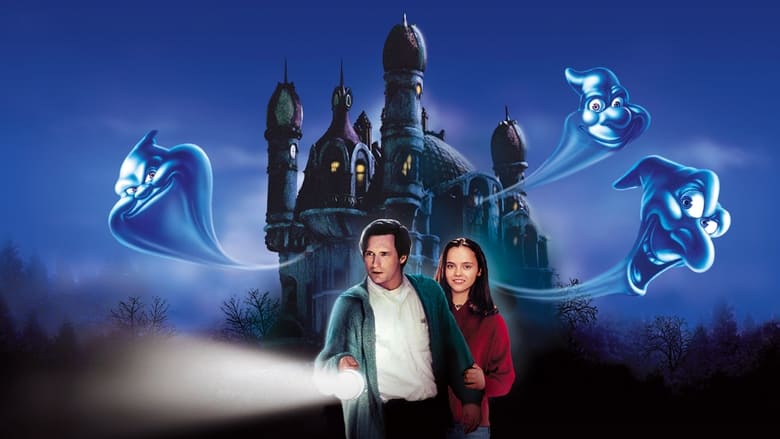
Casper
1995
-
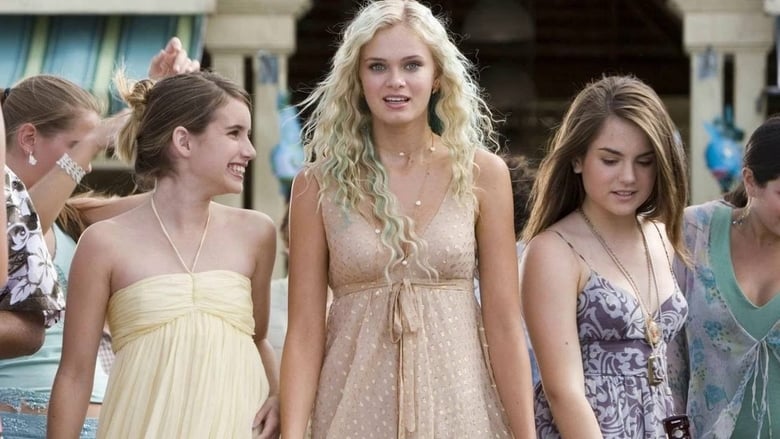
Aquamarine
2006
-
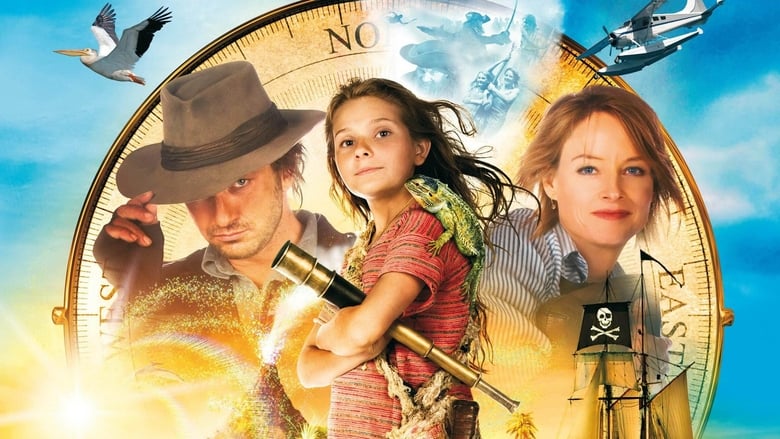
Nim's Island
2008
-

Puss in Boots
2011
-
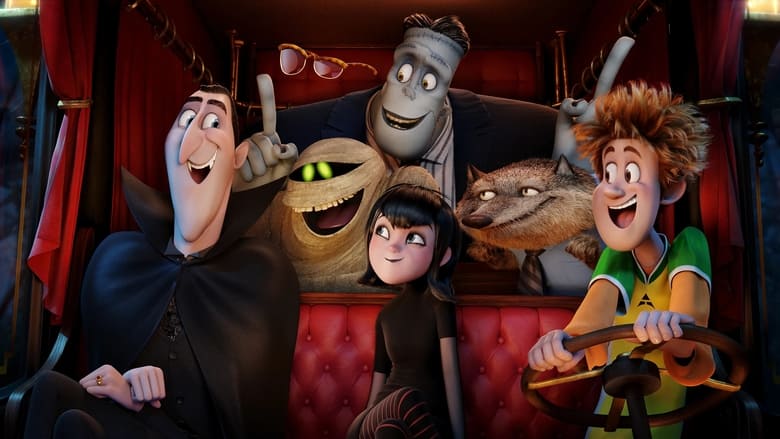
Hotel Transylvania
2012
-
How to Train Your Dragon 2
2014
-
The Lego Movie
2014
-
Elf
2003
-

How the Grinch Stole Christmas
2000
-

The Emperor's New Groove
2000