Oliver Twist
"No songs. Just soot and the art of the steal."
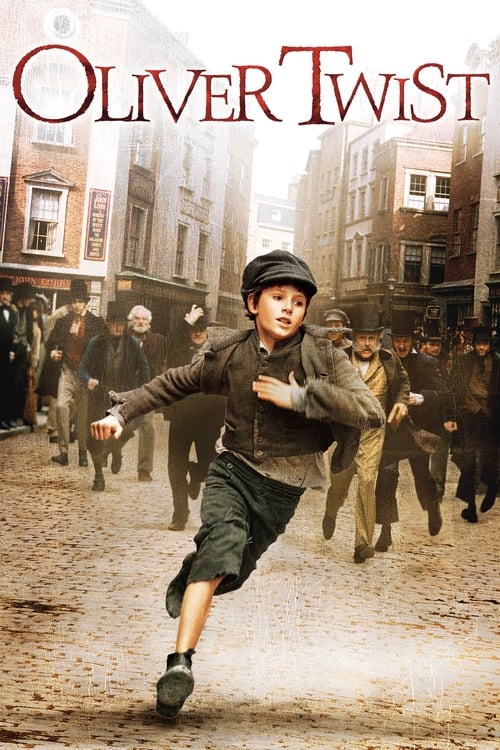
Victorian London, as envisioned by Roman Polanski, isn't the charming, chimney-sweep-dancing wonderland we usually get in Dickens adaptations. It’s a sprawling, muddy heap of damp bricks and desperation. When this version of Oliver Twist landed in 2005, it felt like a bit of a cinematic orphan itself. Coming off the massive success of The Pianist, Polanski chose to steer clear of the singing and dancing of the 1968 classic Oliver! and instead gave us something that feels more like a survival horror film for kids. I watched my copy on a DVD I’d salvaged from a bargain bin at a local pharmacy, and the plastic case still smelled faintly of generic lavender soap—an ironically clean scent for a movie this spectacularly filthy.

A Masterclass in Victorian Grime
While the mid-2000s were busy being dominated by the polished, digital wizardry of Harry Potter and The Lord of the Rings, Polanski took a more tactile, old-school approach. The film was largely shot on massive sets in Prague, and you can practically feel the dampness of the walls. There’s a distinct lack of early-CGI sheen here; the production design feels heavy and real. It’s a transition-era film where the technology was available to make a "perfect" London, but the filmmakers chose to build it by hand instead. Paweł Edelman, the cinematographer who worked on The Pianist and later The Ghost Writer, uses a palette of sickly yellows and bruised blues that makes the city look like a rotting tooth.
The story follows the beats we all know from middle school English class: young Oliver (Barney Clark) asks for more gruel, gets sold to an undertaker, runs away to London, and gets recruited by a gang of juvenile pickpockets. But because it's the 2000s, the pacing is snappier than the 1940s versions, even if it lacks the heart of the musical. The movie treats the Artful Dodger’s lifestyle not as a jaunty adventure, but as a high-stakes internship in a workplace with zero safety regulations.
Kingsley’s Vulture and the Sikes Problem
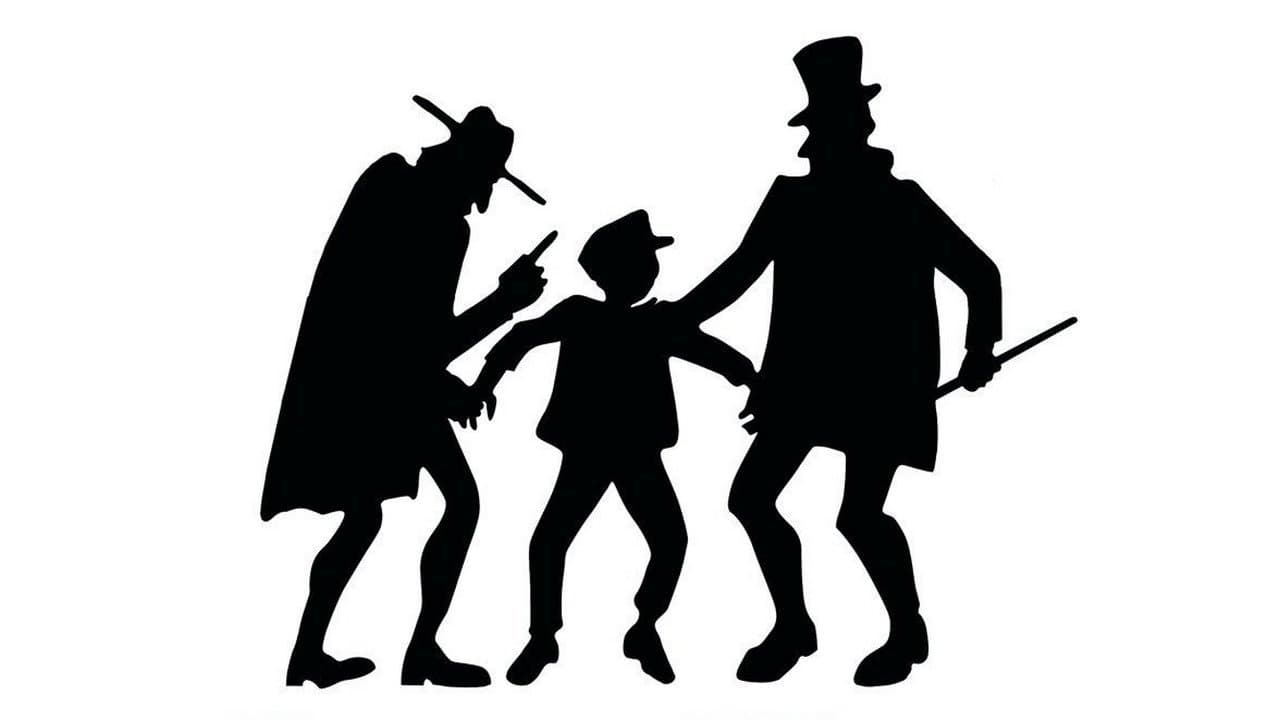
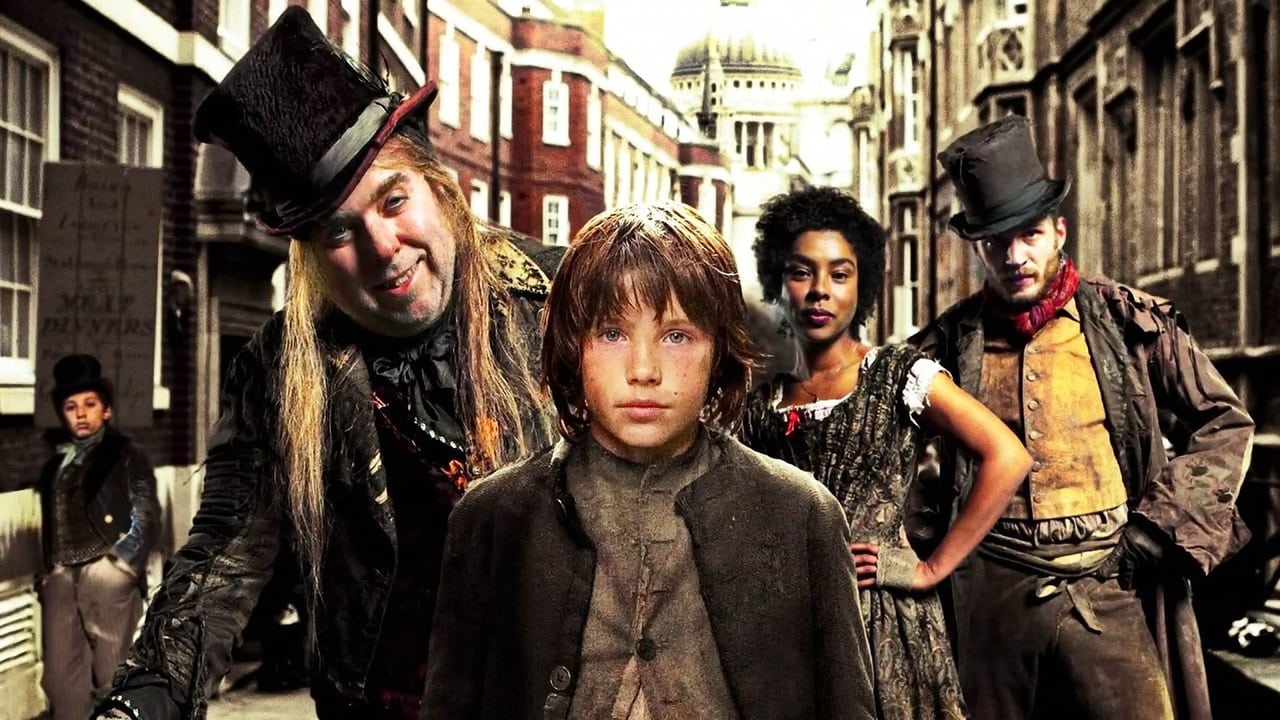
The real reason to revisit this version is Ben Kingsley. Taking on the role of Fagin is a tightrope walk—you have to balance the character’s predatory nature with a weird, paternal warmth, all while avoiding the antisemitic caricatures that have plagued past iterations. Kingsley is unrecognizable. Under layers of prosthetics and a hunched posture, he looks less like a man and more like a sentient, balding vulture. He brings a frantic, jittery energy to the role that makes you realize Fagin is just as much a victim of the system as the boys he exploits. He’s a scavenger, not a kingpin.
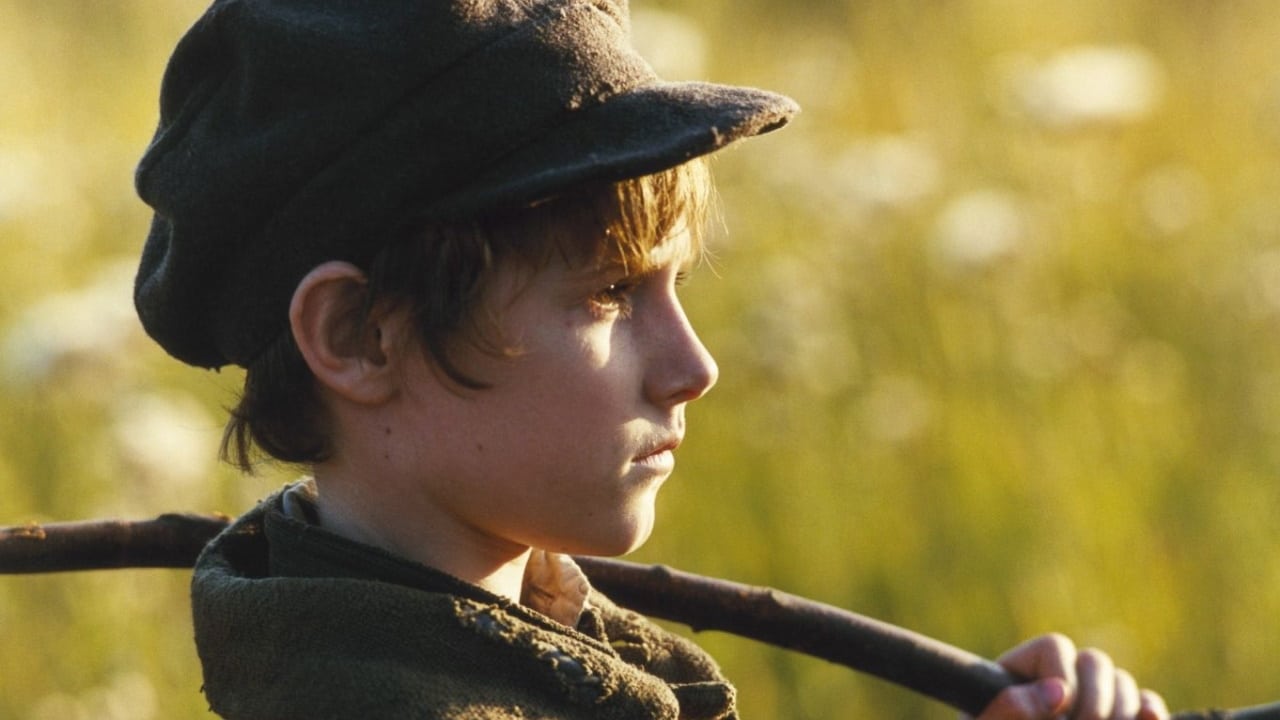
On the other side of the criminal coin is Jamie Foreman as Bill Sikes. If Kingsley is the film’s jittery soul, Foreman is its blunt-force trauma. In a post-9/11 landscape, where movie villains were becoming increasingly complex or "misunderstood," this Sikes is a refreshing jolt of pure, unadulterated nastiness. There’s no tragic backstory here; he’s just a violent man in a violent world. My one gripe? Barney Clark as Oliver is almost too passive. I know Oliver is supposed to be a blank slate for the audience, but at times he feels less like a character and more like a piece of luggage that everyone keeps fighting over.
The Mystery of the Missing Audience
Looking back, it’s a bit of a mystery why this film disappeared so quickly from the cultural conversation. It had a $50 million budget—huge for a period drama at the time—and it barely clawed back $42 million. Maybe the world wasn't ready for a "Family" film that features a man accidentally hanging himself in front of a mob, or maybe the "prestige literary adaptation" fatigue had already set in. It was released during that brief window when studios thought every classic novel needed a gritty, big-budget reboot before the MCU turned everything into a franchise.
Apparently, Polanski made the film because his children asked why he never made anything they could actually watch. It’s a sweet sentiment, though I imagine his kids might have had a few nightmares after seeing the scene where Sikes tries to drown his own dog. It’s a film that sits in a weird middle ground: too dark for the toddlers who love Disney, but perhaps too "assigned reading" for the teenagers who were flocking to Sin City that same year.
Oliver Twist is a sturdy, well-acted piece of craftsmanship that deserves more than its current status as a forgotten DVD. It doesn’t reinvent the wheel, but it greases it with enough Victorian sludge to make the ride interesting. If you can get past the somewhat bland lead performance, the supporting cast and the incredible production design offer a tangible, smog-filled world that feels miles away from the digital playgrounds of modern cinema. It’s a reminder that sometimes, the best way to tell an old story is to just get down in the mud with it.
Keep Exploring...
-
The Score
2001
-
Murder by Numbers
2002
-
Basic
2003
-
Matchstick Men
2003
-

Out of Time
2003
-
The Hunted
2003
-

Domino
2005
-

The Brave One
2007
-
Harry Brown
2009
-

Where the Wild Things Are
2009
-
Edge of Darkness
2010
-
Wall Street: Money Never Sleeps
2010
-
Frantic
1988
-
Frequency
2000
-
The Pledge
2001
-
Confessions of a Dangerous Mind
2002
-
Frailty
2002
-
Joseph: King of Dreams
2002
-
A Man Apart
2003
-
Cradle 2 the Grave
2003