Pride & Prejudice
"First impressions are rarely the final word."

I remember watching this for the first time on a scratched DVD I’d borrowed from a library, sitting on a beanbag chair while eating a bowl of cereal that had gone dangerously soggy. I expected another stiff, starched-collar British drama where people drink tea with their pinkies out and speak in hushed, polite tones. Instead, Joe Wright (who later gave us Atonement) opens the movie with the sound of a literal pig squealing and a shot of Keira Knightley’s Elizabeth Bennet walking through a field with her hem dragging through actual, honest-to-god mud.

It was the first time a Jane Austen adaptation felt like it was filmed in a place where people actually lived, breathed, and occasionally smelled like a farm. Looking back from the vantage point of nearly two decades, this 2005 version of Pride & Prejudice stands as a pivot point in modern cinema—the moment the "heritage film" stopped being a museum exhibit and started being a movie.
The Tactile Reality of Longbourn
There’s a restless, nervous energy to this film that I find intoxicating. Joe Wright and cinematographer Roman Osin (who also shot The Warrior) decided to treat the camera like a participant in the Bennet family’s chaos rather than a distant observer. The Bennet household is a masterpiece of production design; it’s cramped, messy, and loud. Brenda Blethyn is a whirlwind of maternal anxiety, and you can practically feel the dampness of the English air through the screen.
The film leans into a sort of "dirty realism" that was becoming popular in the mid-2000s, but it applies it to a genre usually reserved for pristine lace. I love that Elizabeth’s hair is always slightly windblown and that the Netherfield ball feels sweaty and crowded. This tactile approach makes the stakes feel real. When the Bennet sisters' future depends on marriage, it’s not just a plot point—you see the peeling paint on the walls and realize that poverty in 1797 was just a bad inheritance away.
Macfadyen, Knightley, and the Famous Hand Flex
We have to talk about Matthew Macfadyen. Long before he was playing the bumbling, tragic Tom Wambsgans in Succession, he gave us a Mr. Darcy who was less a "haughty aristocrat" and more a "socially anxious disaster." Compared to the iconic 1995 Colin Firth version, Macfadyen’s Darcy feels painfully human. He doesn’t know where to put his hands. He’s awkward. He’s overwhelmed by Elizabeth.

Keira Knightley was only 20 when this came out, and she brings a sharp, modern intelligence to Elizabeth that avoids being anachronistic. The chemistry between her and Macfadyen isn't built on grand speeches, but on the spaces between them. Take the moment Darcy hands Elizabeth into her carriage—a brief, gloveless touch that leads to the now-legendary "hand flex" as he walks away. It’s a tiny bit of body language that communicates more longing than a ten-minute monologue. Honestly, the hand flex deserves its own billing in the end credits.
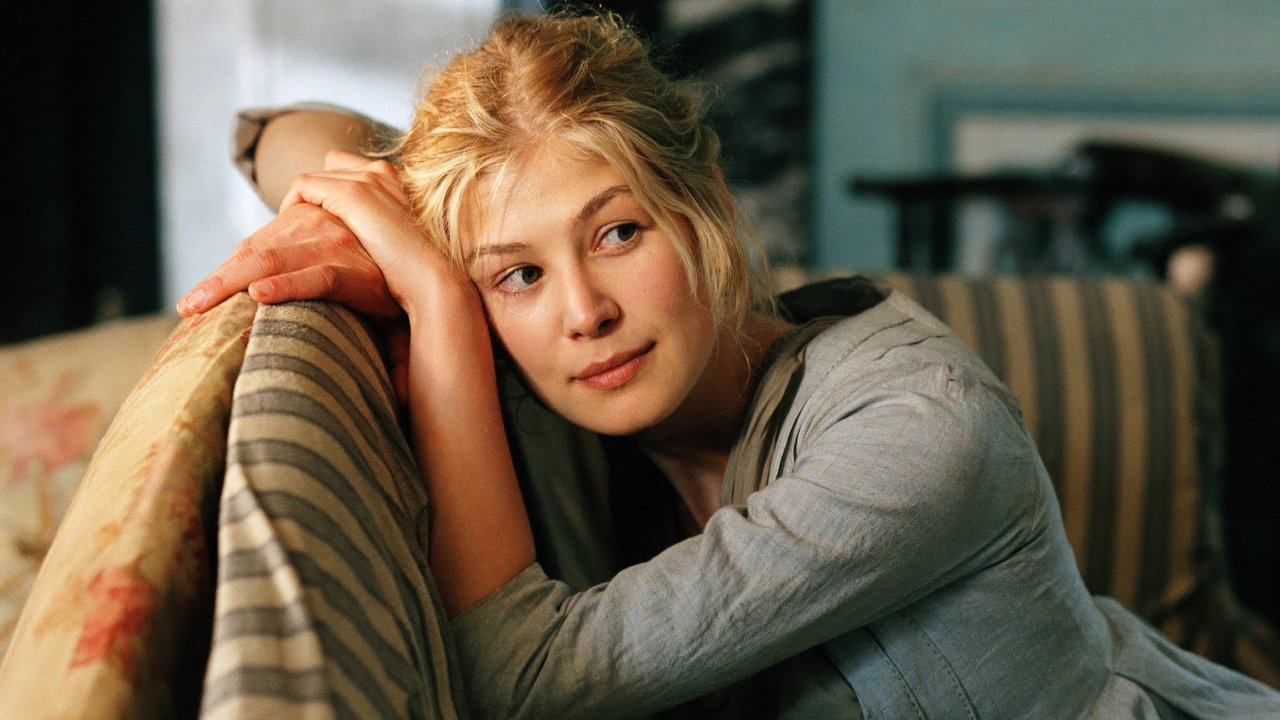
The film also benefits from a supporting cast that was essentially a "who's who" of future prestige talent. Seeing a young Carey Mulligan (in her film debut!) and Jena Malone as the wilder sisters is a trip. And Rosamund Pike as Jane provides the perfect, ethereal anchor to Elizabeth’s grounded cynicism.
A Score That Lives in the Room
One of the most brilliant choices Joe Wright made was how he handled Dario Marianelli’s Oscar-nominated score. Much of the music is "diegetic"—meaning the characters are actually playing it on pianos in the scenes. It creates this seamless transition between the world of the film and the emotional landscape of the characters. When Elizabeth is sitting alone, the music feels like her internal monologue.
The film’s climax—the "walking through the mist" scene—is often criticized by Austen purists for being too "Hollywood," but I’ve always found it earned. It leans into the Romanticism of the era (think Wordsworth or Turner paintings) rather than just the Regency manners. It asks a philosophical question: Is love an act of social negotiation, or is it an elemental force? Wright clearly believes it's the latter.
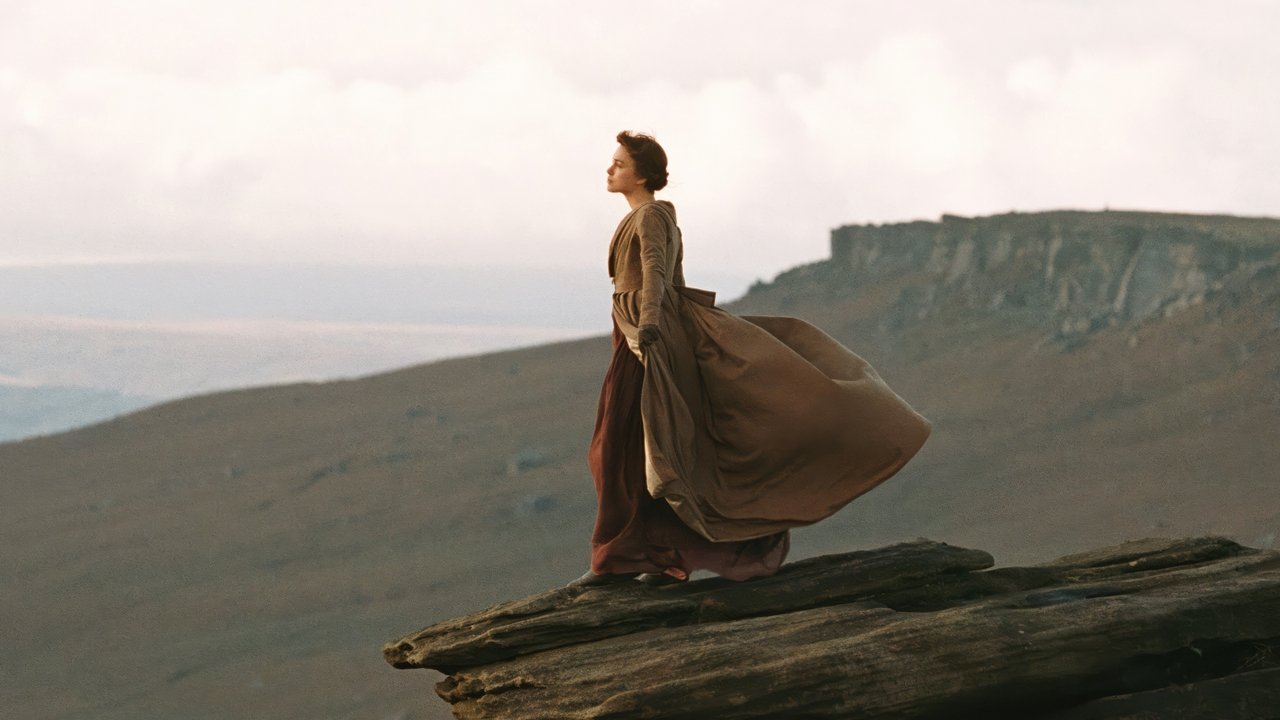
Interestingly, if you bought the DVD in the UK back then, you missed out on the "sentimental" US ending at the fountain. I remember the heated internet forum debates about which ending was superior. Personally, I prefer the UK cut's more restrained finish with Mr. Bennet, but I can't deny that the 2005 era was all about that big, cinematic emotional payoff.
While it received four Academy Award nominations (including Best Actress for Knightley), I think the film’s real legacy is how it democratized Austen. It took the author off the pedestal and put her in the dirt, making the 19th century feel as urgent and messy as the 21st. It’s a film that respects its source material enough to breathe new life into it, rather than just reciting it.
I’ve watched this movie at least a dozen times, and every time I find something new—a look shared between sisters, a clever bit of framing in a crowded room, or just the way the light hits the peaks of the Peak District. It’s a gorgeous, thoughtful, and deeply felt piece of filmmaking that remains the gold standard for how to adapt a classic. Go watch it again, if only to see Darcy walk through that mist one more time. It’s worth the 5 minutes, and then some.
Keep Exploring...
-
Atonement
2007
-
Anna Karenina
2012
-
A Walk to Remember
2002
-

Mr. Nobody
2009
-

Flipped
2010
-
About Time
2013
-
In the Mood for Love
2000
-
Before Sunset
2004
-

Dilwale Dulhania Le Jayenge
1995
-
Before Sunrise
1995
-
Talk to Her
2002
-
Brokeback Mountain
2005
-
Into the Wild
2007
-
The Reader
2008
-
The Wrestler
2008
-

My Name Is Khan
2010
-

Hachi: A Dog's Tale
2009
-
Eternal Sunshine of the Spotless Mind
2004
-
The Notebook
2004
-
A Dog's Will
2000