Revolver
"The greatest con is the one you play on yourself."
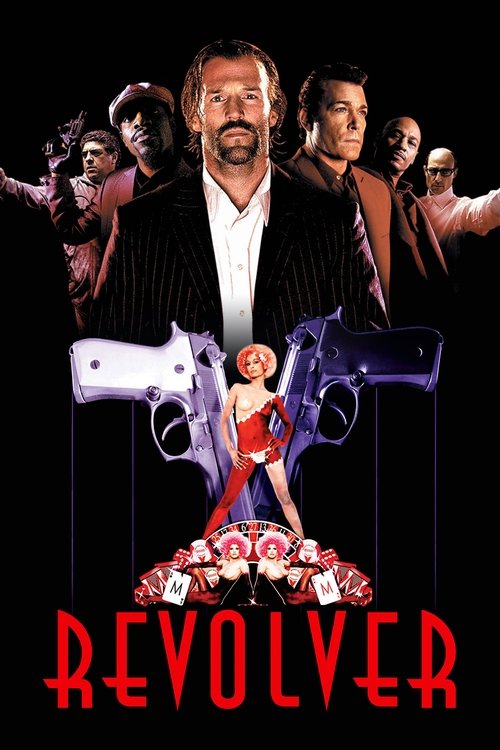
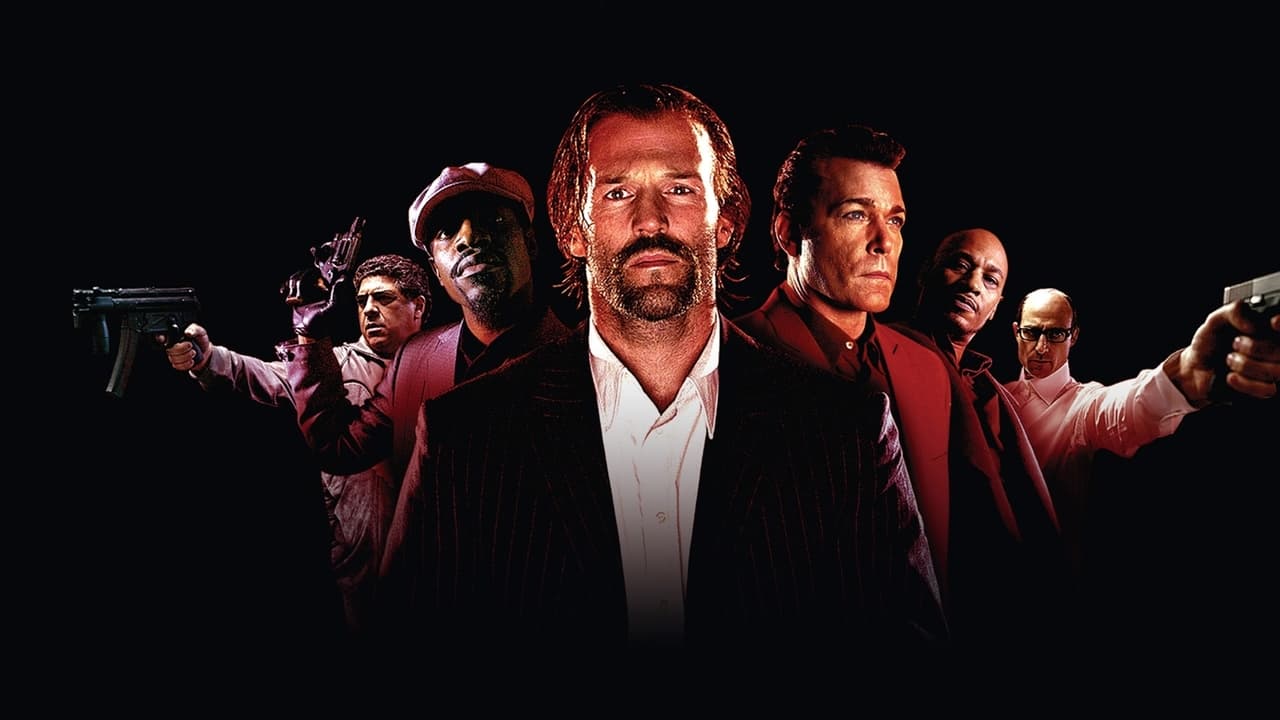
I distinctly remember the first time I saw the poster for Revolver. It was 2005, and the high-octane high of Snatch and Lock, Stock and Two Smoking Barrels hadn't quite worn off, despite the massive crater in Guy Ritchie’s career known as Swept Away. We all thought we were getting a return to form—a gritty, fast-talking, London-underworld romp. Instead, we got a movie where Jason Statham has long, flowing hair and spends half the runtime trapped in an elevator having a screaming match with his own subconscious.
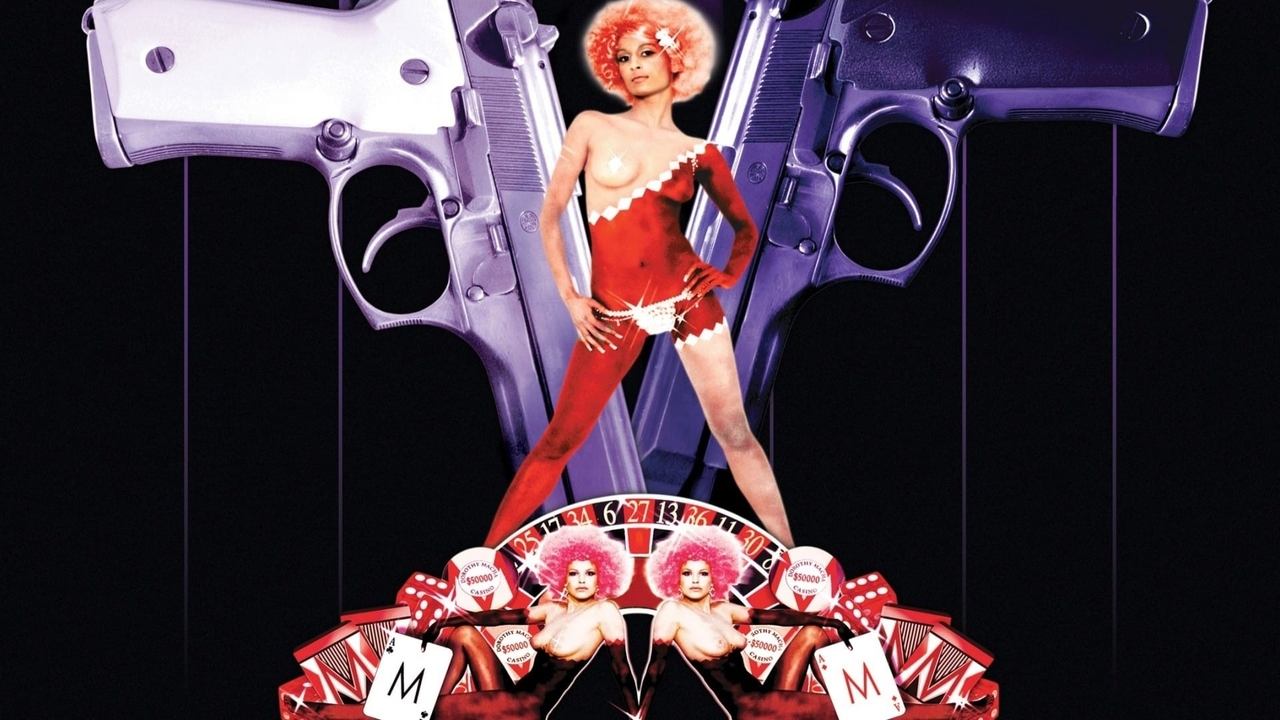
I watched it again recently on a Tuesday night while trying to ignore a neighbor’s leaf blower, and I realized that Revolver is one of the most fascinating "failed" films of the mid-2000s. It’s a movie that tried to do everything at once: be a heist flick, a philosophical treatise, and a psychological horror. It didn't quite land, but man, watching it try is a hell of a lot more interesting than watching a "perfect" movie that takes no risks.
The Statham With Hair Paradox
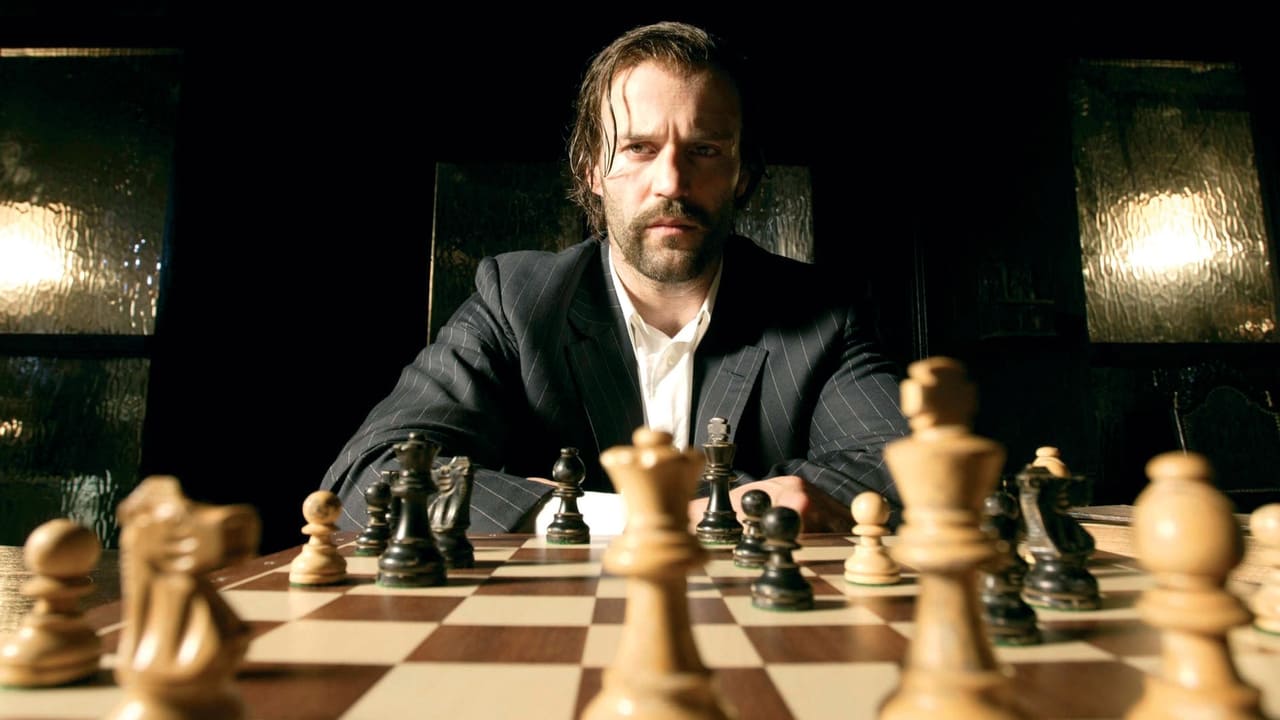
The first thing you have to wrap your head around is Jason Statham as Jake Green. This was the era where Statham was cementing himself as the heir to the 80s action throne with The Transporter and Crank. But in Revolver, Ritchie asks him to do something he’s rarely done since: actually act like a man losing his mind. Jake is a gambler who has spent seven years in solitary confinement, learning a "universal formula" for winning every game from two mysterious cellmates.
When he gets out, he takes a massive chunk of change off a crime boss named Macha, played by Ray Liotta. Now, Ray Liotta in this movie is something else entirely. He spends a significant portion of his screentime in a tanning bed or wearing nothing but a pair of speedos, looking like a piece of over-toasted sourdough. It’s a performance that is beautifully, aggressively unhinged.
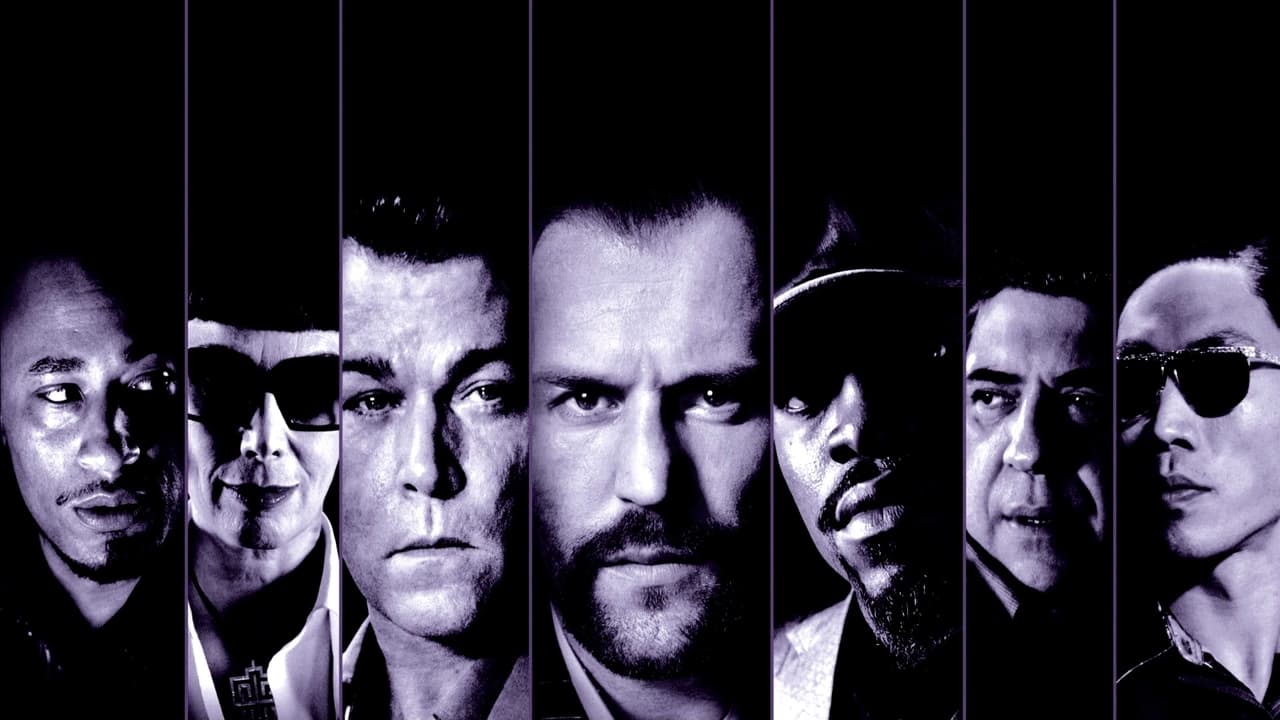
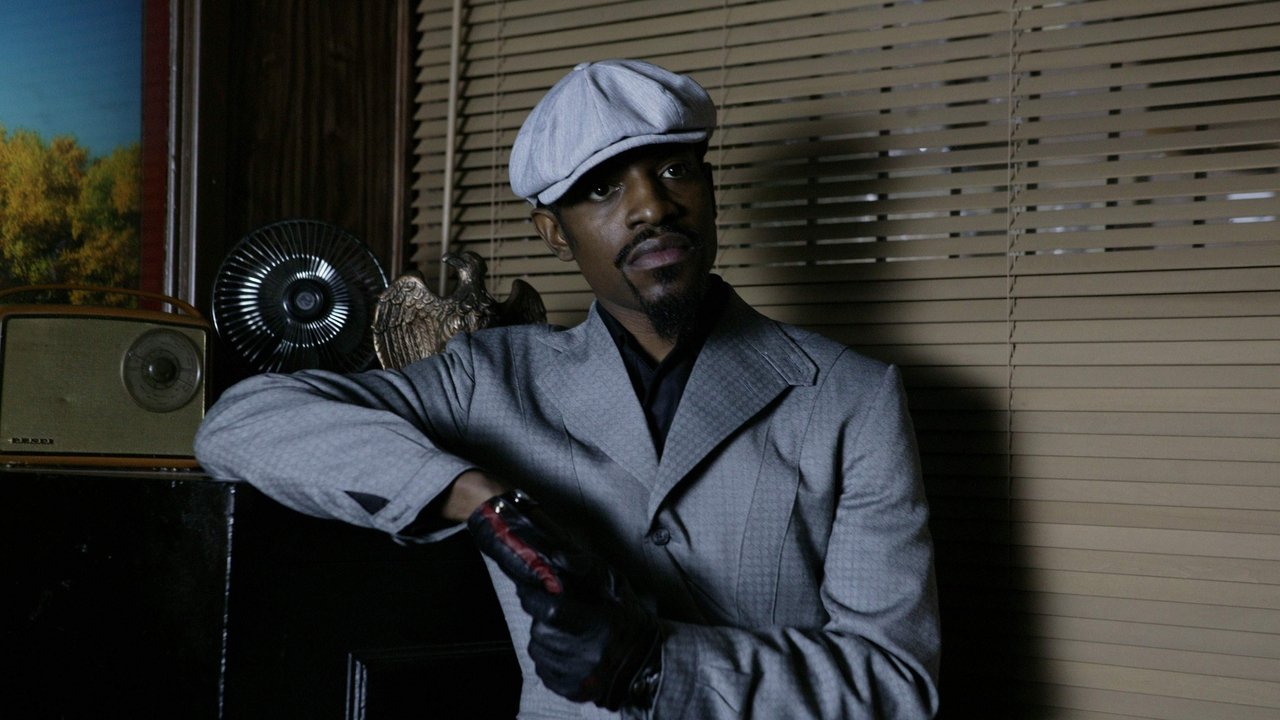
The supporting cast is equally eclectic. You have Vincent Pastore (Big Pussy from The Sopranos) and André 3000 as Zach and Avi, two loan sharks who take Jake under their wing. André 3000 is effortlessly cool here; he brings a calm, chess-master energy that balances out the frantic editing. It’s a shame he didn't do more of these kinds of roles during his mid-2000s peak.
A Con Within a Con Within a Therapy Session
In 2005, we were in the thick of a "puzzle box" movie trend. The Matrix had happened, Memento had blown our minds, and directors were obsessed with the idea that the audience needed to be outsmarted. Ritchie took this to the extreme. The plot is ostensibly about revenge, but it’s actually about the concept of the "Ego."
Ritchie was deep into his study of Kabbalah at the time, and the film is dripping with that influence. He uses color-coded sets, anime sequences, and enough voice-over narration to fill three audiobooks. It’s essentially a self-help book wrapped in a tracksuit. The movie posits that your greatest enemy is your own internal voice—the one that tells you you’re the best, or the one that tells you to be afraid.
Looking back, the CGI-enhanced visuals and the frantic, "kinetic" (oops, almost used a banned word) jump-cuts feel very of their time. It’s that post-9/11 anxiety where even a crime movie couldn't just be about money; it had to be about the soul. The cinematography by Tim Maurice-Jones is gorgeous, though, capturing a neon-soaked, nameless city that feels like it exists in a parallel dimension where everyone plays chess and wears velvet blazers.
Why Did It Vanish?
Revolver basically died on arrival. It was slaughtered by critics at the Toronto International Film Festival, and by the time it hit the US, it had been chopped up by Virginie Besson-Silla and the production team to try and make it more "accessible." It didn't work. The movie was caught in a no-man’s land: too intellectual for the action fans who wanted Statham to kick someone through a wall, and too flashy for the arthouse crowd.
But that’s exactly why you should seek it out now. In an era of assembly-line franchise filmmaking, there’s something genuinely refreshing about a director taking $27 million of a studio’s money to make a movie about the metaphysical nature of greed. It’s a spectacular mess, a "what-if" from a time when Guy Ritchie was trying to evolve into something beyond a purveyor of "geezer-noir."
There’s a legendary bit of trivia that Ritchie was so convinced of the film’s complexity that he included a "Director’s Cut" on the DVD that actually added more philosophical quotes and cut the ending credits to include interviews with psychologists. He wasn't just making a movie; he was trying to start a movement. It failed, obviously, but the ambition is infectious.
Revolver isn't the masterpiece Guy Ritchie thought it was, but it’s a fascinating artifact of 2005 cinema. It’s got a weird, haunting score by Nathaniel Méchaly and a version of Jason Statham you’ll never see again. If you can get past the heavy-handed metaphors, you’re left with a stylish, bizarre, and occasionally brilliant psychological thriller that deserves to be pulled out of the "obscurity" bin. Just don't expect it to make sense on the first watch—or the third.
Keep Exploring...
-
The Pledge
2001
-
In the Valley of Elah
2007
-

Pride and Glory
2008
-
RocknRolla
2008
-
Untraceable
2008
-
Kill the Messenger
2014
-
The Score
2001
-
Basic
2003
-
I'm Not Scared
2003
-
Edge of Darkness
2010
-
The Client
1994
-
Breakdown
1997
-
Kiss the Girls
1997
-
Arlington Road
1999
-
Tell No One
2006
-

22 Bullets
2010
-
The Bank Job
2008
-
Sherlock Holmes
2009
-

The Girl Who Played with Fire
2009
-

The Gift
2000