Robots
"Shiny new parts, same old soul."

I remember watching Robots for the first time on a humid Tuesday afternoon while wearing a pair of socks with a massive hole in the big toe. I felt an odd, localized guilt as the movie began its sermon on "fixing what you have." It’s a film that manages to make you feel sentimental about a rusted-out teapot, and looking back nearly twenty years later, it remains one of the most visually distinct relics of the mid-2000s animation boom.
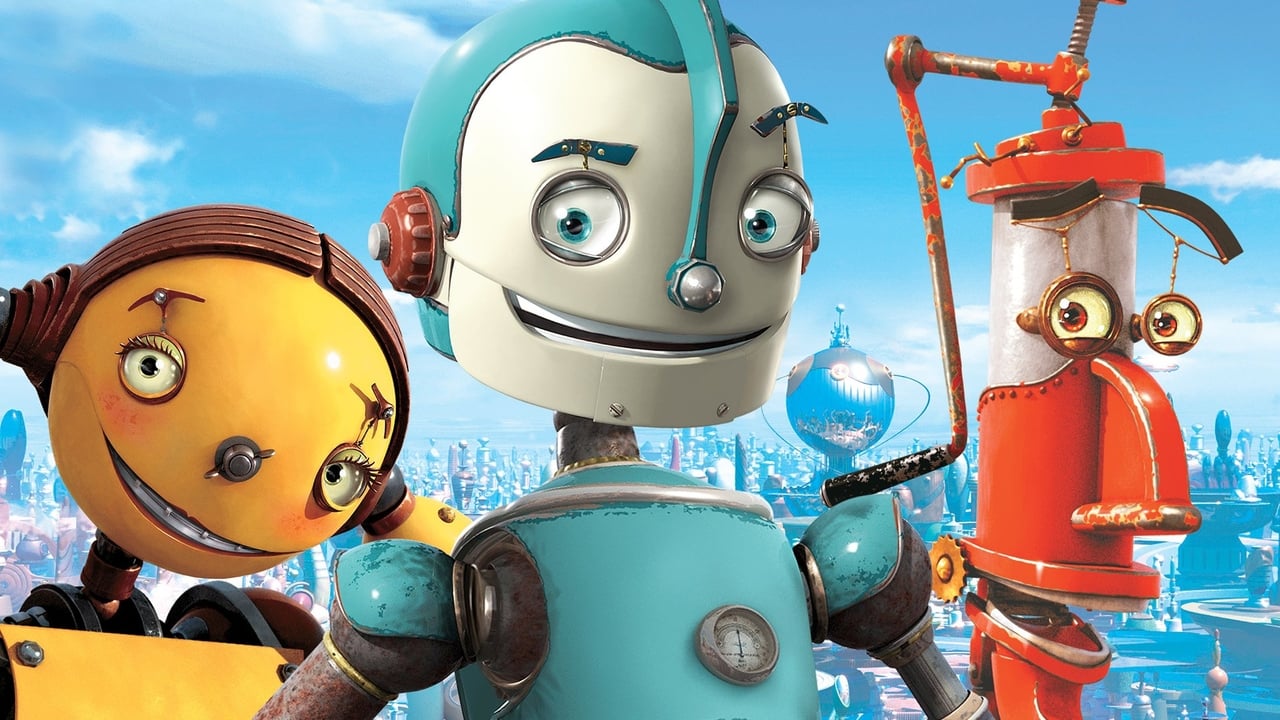
Coming off the massive success of Ice Age, Blue Sky Studios was in a position to take a big swing. They moved away from the prehistoric tundra and dove headfirst into a world that looks like a Rube Goldberg machine designed by a 1950s appliance salesman. It was a fascinating time for the industry; Pixar was the undisputed king, and Dreamworks was leaning hard into pop-culture snark. Robots found its own lane by being a vibrant, clanking tribute to industrial design and the "can-do" spirit of old-school Americana, even if that spirit was housed in a chassis of polished chrome and brass.
A World of Gears and Grease
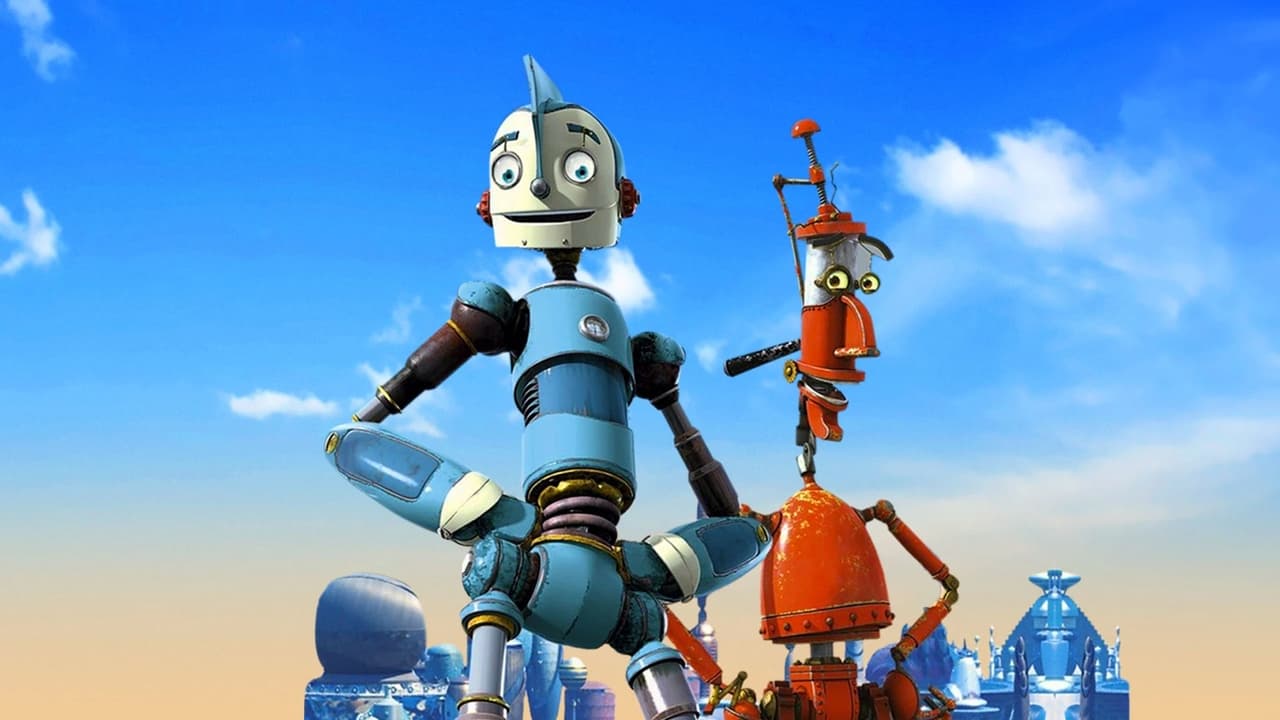
The first thing that hits you about Robots isn't the story—it’s the texture. In 2005, CGI was hitting a stride where "shiny" was easy, but "worn-in" was hard. Director Chris Wedge and the team at Blue Sky clearly spent an ungodly amount of time thinking about how light bounces off a dented fender. The sheer scale of Robot City is breathtaking, particularly during the famous "crosstown express" sequence. It’s a literal roller coaster of a scene that feels like the animators were just showing off their physics engines. The transport sequence is the only time I’ve actually felt motion sickness from a cartoon, and I mean that as a compliment.
The design philosophy, heavily influenced by the legendary William Joyce, gives the film a timeless quality. It’s "retro-futurism" at its peak—all rounded edges, vacuum tubes, and rivets. While some 2005-era CGI can feel flat or "plastic-y" by today’s standards, the metallic surfaces here have aged surprisingly well. There’s a weight to the characters; you can almost smell the 3-in-One oil and hear the squeak of ungreased joints. It captures that transition era where studios were moving away from just trying to make things look "real" and instead focused on making them look "tangible."
The "Newness" Trap
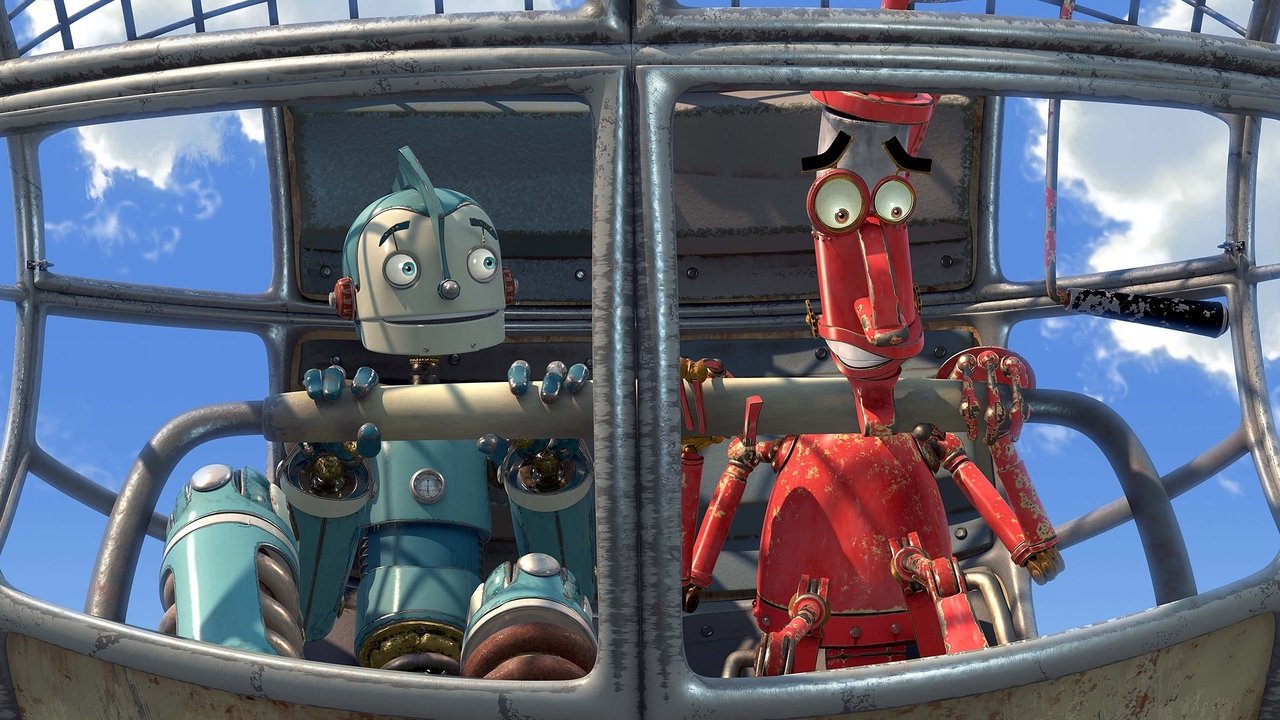
The plot follows Rodney Copperbottom, voiced with a charming, wide-eyed earnestness by Ewan McGregor. Rodney is a small-town dreamer who heads to the big city to meet his idol, Bigweld (Mel Brooks), only to find that the corporation has been hijacked by Phineas T. Ratchet. Greg Kinnear plays Ratchet as a corporate sycophant with a high-gloss finish and a motherboard running on pure, unadulterated narcissism.
The central conflict—Ratchet’s "Upgrades" vs. Bigweld’s "Fix-it" philosophy—was actually a pretty ballsy critique of planned obsolescence and consumerism for a "family" movie. Ratchet wants to stop making spare parts, forcing every robot to buy expensive upgrades or be sent to the "Chop Shop." It’s a theme that feels even more relevant in our era of non-user-replaceable smartphone batteries.
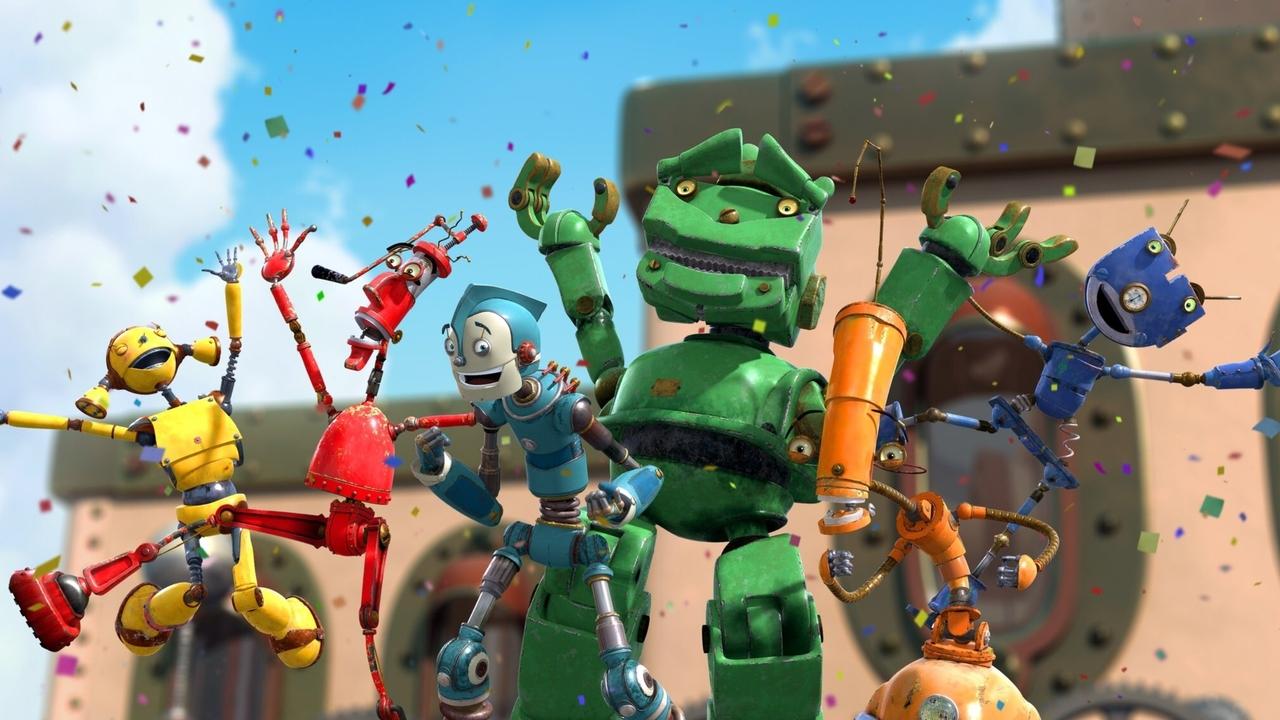
The movie manages to ground these heavy ideas with a frantic, almost Vaudevillian sense of humor. The "Rusties"—a group of outmoded robots Rodney befriends—are led by Drew Carey’s Crank and Amanda Bynes' Piper. They provide the chaotic energy that keeps the film from feeling like a lecture on engineering ethics. Halle Berry rounds out the cast as Cappy, a high-ranking executive who provides the necessary bridge between the shiny elite and the scrap-metal underground.
A High-Octane Time Capsule
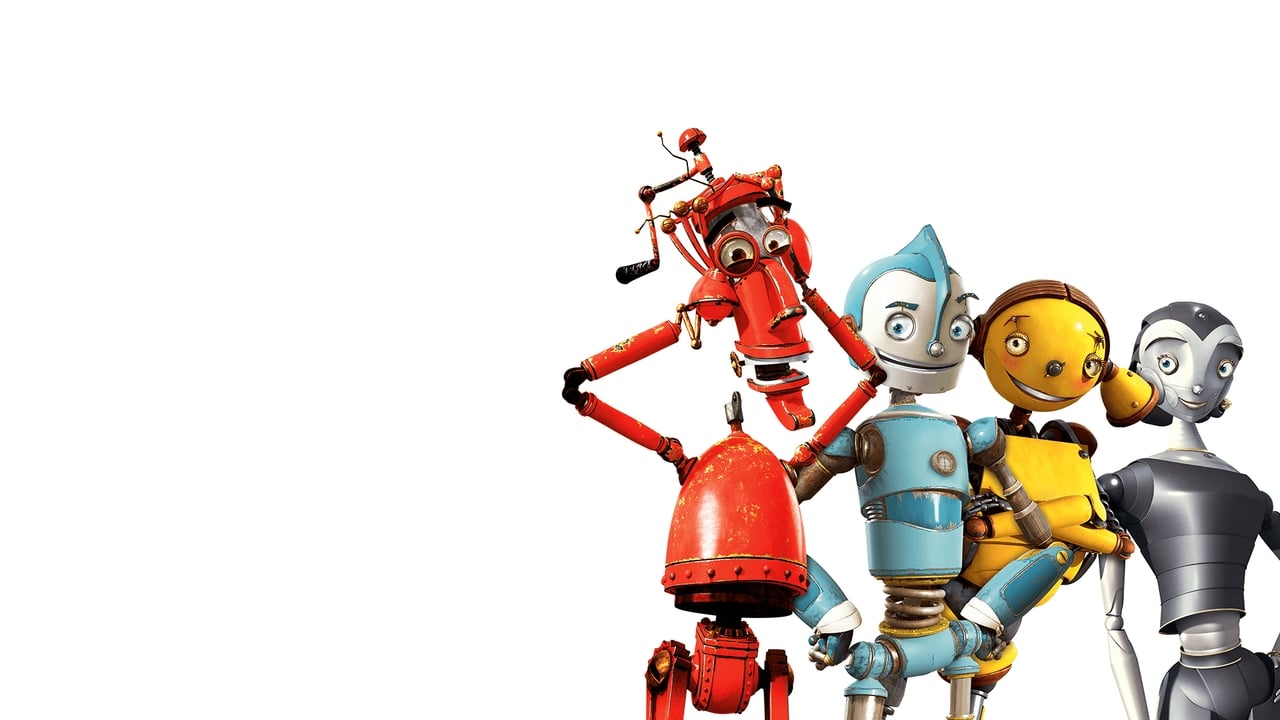
From a production standpoint, Robots was a massive undertaking. With a $75 million budget, it was a high-stakes play for Blue Sky, but it paid off handsomely, raking in over $262 million worldwide. It wasn't just a financial hit; it was a cultural one. I remember the toys being everywhere—interchangeable plastic limbs that mimicked the movie's "parts" gimmick.
The film also captures the 2005 zeitgeist through its soundtrack and "celebrity ensemble" casting. This was the peak of the "let's put every A-lister in a recording booth" strategy. While that can sometimes feel cynical, here it works because the characters are so stylized that the voices feel like an extension of their mechanical designs. Even the soundtrack, featuring a mix of James Brown and Tom Waits, feels like it was curated by someone who genuinely loves the sound of clanging metal and soul music.
Looking back, Robots is a reminder of a time when big-budget animation was still finding its voice. It’s loud, it’s fast, and it’s occasionally messy, but it has a massive heart. It celebrates the tinkerers, the fixers, and the people (or bots) who aren't afraid to get a little grease under their fingernails.
Robots is a delightful, high-energy spectacle that manages to be more than just a visual showcase for 2005’s rendering power. It’s a film about the dignity of being "old" in a world obsessed with the "new," delivered with enough wit and physical comedy to keep both kids and tech-cynics entertained. It might not have the emotional gut-punch of a Pixar classic, but it has enough charm and creative design to keep it from ever becoming obsolete.
Keep Exploring...
-

Ice Age
2002
-
Despicable Me
2010
-
Osmosis Jones
2001
-
Happy Feet
2006
-
Meet the Robinsons
2007
-
Megamind
2010
-
Mr. Peabody & Sherman
2014
-
Jimmy Neutron: Boy Genius
2001
-
Lilo & Stitch 2: Stitch Has a Glitch
2005
-
Planet 51
2009
-
Shark Tale
2004
-
Shrek 2
2004
-

Madagascar
2005
-

Valiant
2005
-
Cars
2006
-

Ice Age: The Meltdown
2006
-
Over the Hedge
2006
-
Shrek the Third
2007
-

The Simpsons Movie
2007
-

Horton Hears a Who!
2008