Serenity
"The signal cannot be stopped."
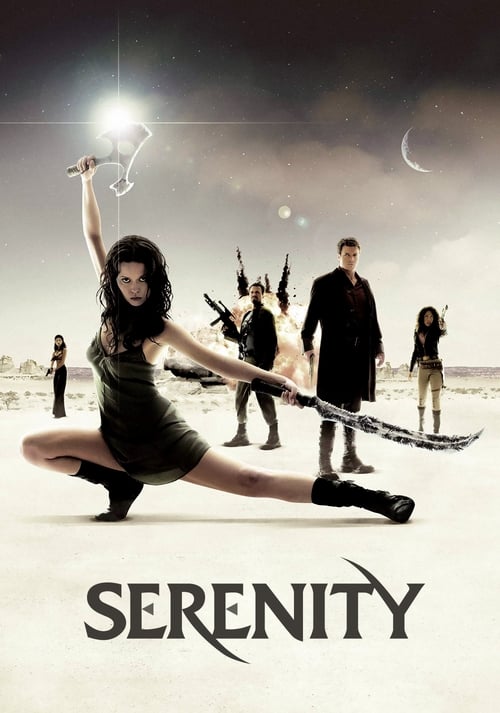
There is a specific kind of miracle in cinema that usually only happens when a studio executive loses a bet or a fanbase becomes loud enough to move mountains. In 2005, that miracle was a sleek, firefly-shaped transport ship. After the tragic, premature cancellation of the television series Firefly, the fact that Nathan Fillion and his band of space outlaws ever made it to the big screen remains one of the great "against all odds" stories of the early digital era. I recently revisited this on a flight where the person next to me was intensely focused on a crossword puzzle, and I couldn't help but feel they were missing out on the superior puzzle: how a film with this much heart managed to bomb so spectacularly at the box office.

The Weight of the Signal
Serenity isn’t just a victory lap for fans; it’s a remarkably dark pivot from the "cowboys in space" levity of the show. Joss Whedon (who also directed The Avengers) takes the inherent trauma of his characters and dials it up until the atmosphere is thick with dread. The film moves away from the episodic "heist of the week" and plunges into the moral abyss of a totalitarian regime—The Alliance—and the biological horror of the Reavers.
The stakes here feel heavy. This isn't the sanitised action of the modern era where heroes walk away from explosions with perfectly coiffed hair. In Serenity, when people get hit, they stay down. There’s an unglamorous, gritty texture to the violence that reflects the post-9/11 anxieties of the time—the fear of an all-seeing government and the terrible things done in the name of "making a better world." The antagonist, a nameless Operative who believes he is a monster so that others don't have to be, is one of the most chillingly logical villains of the 2000s. He doesn't want to rule the world; he wants to "clean" it, which is far more terrifying.
Choreography of Chaos
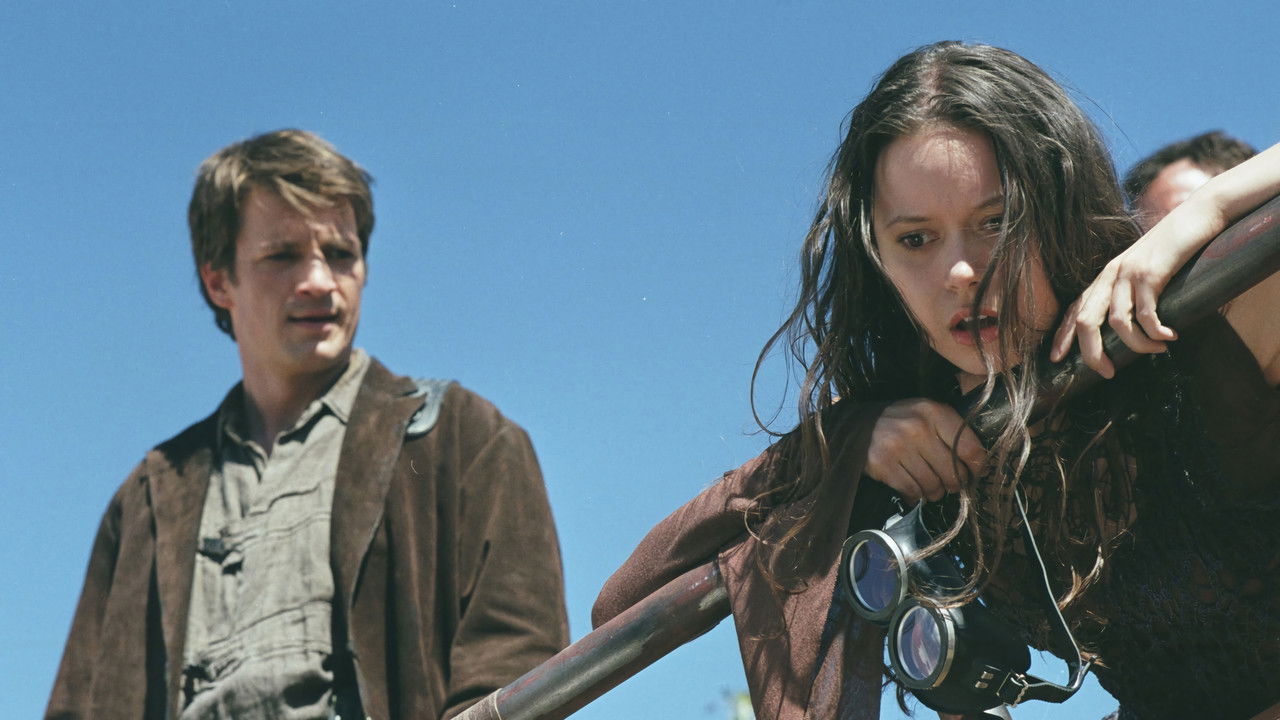
From an action standpoint, the film is a master of momentum. The opening sequence—a nested series of "fake" starts that eventually settles into an unbroken tracking shot through the ship—is a bravura piece of staging. It introduces the geography of the ship and the frantic energy of the crew in one fluid motion. Nathan Fillion as Mal Reynolds carries a weary, jagged edge here that was only hinted at on TV. He’s a man who has lost everything and is now being asked to lose his soul to protect Summer Glau’s River Tam.
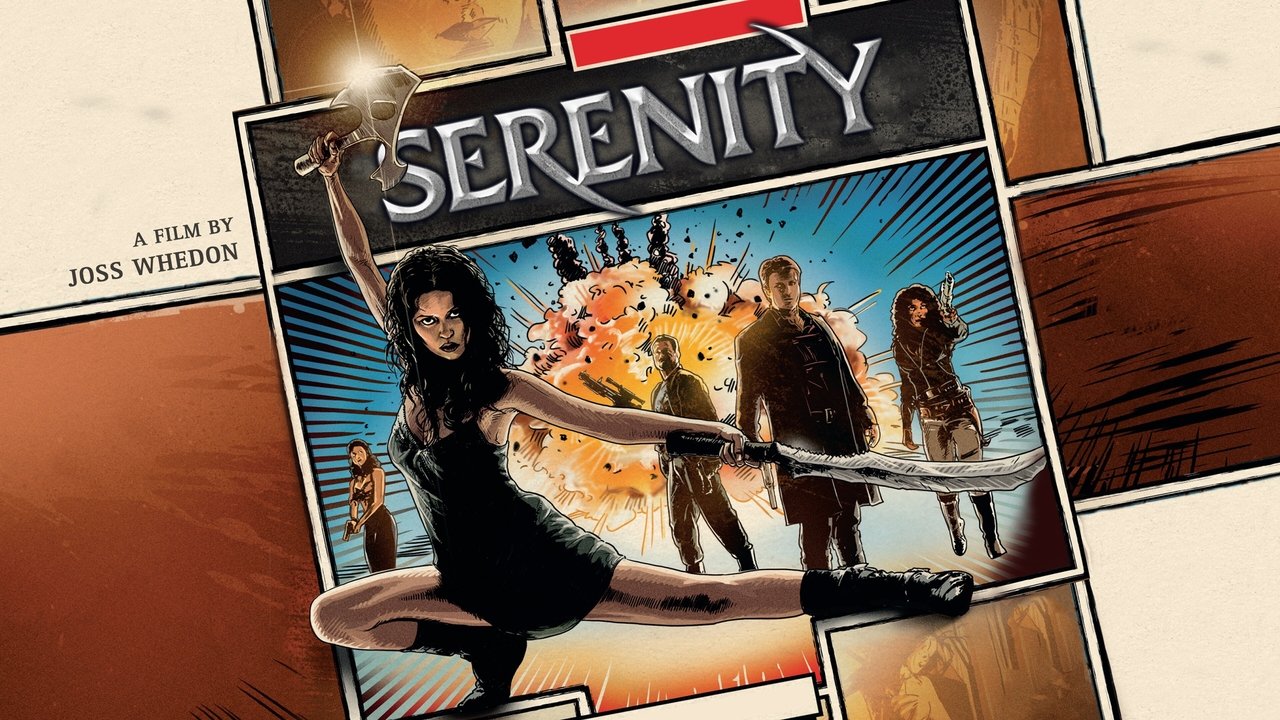
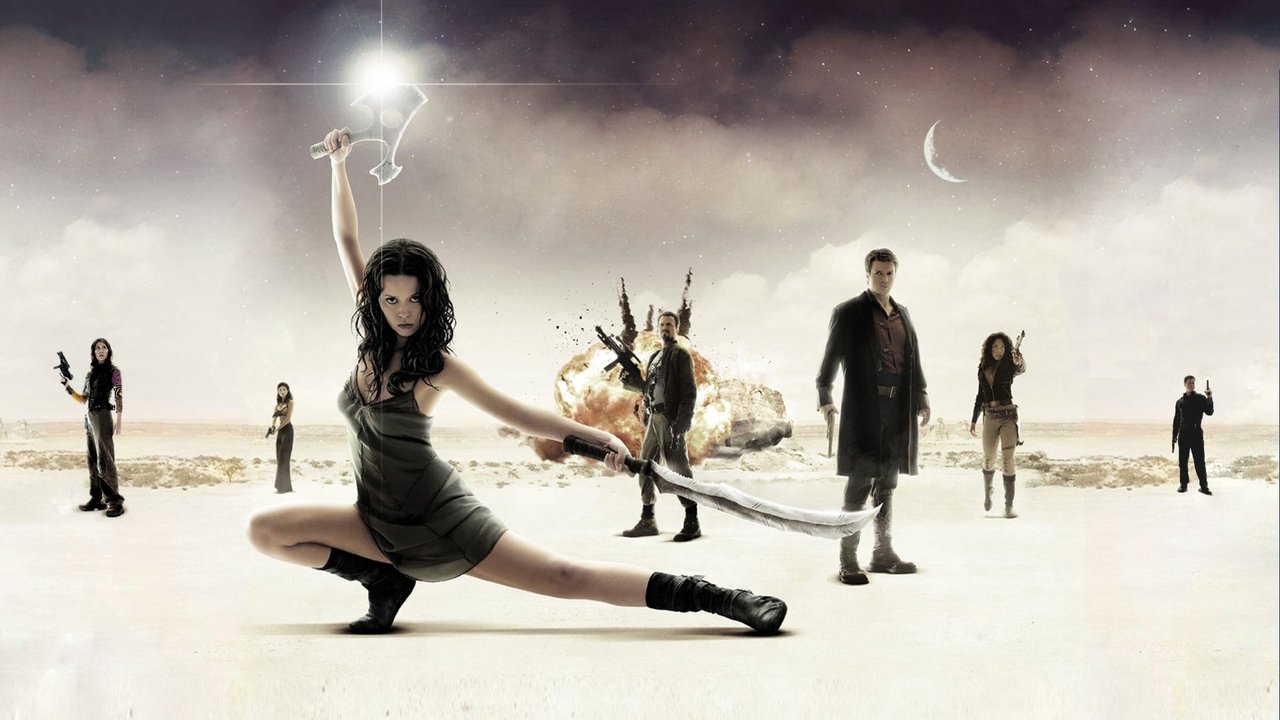
The fight choreography leverages Summer Glau’s background as a dancer to incredible effect. Her movements aren't the jagged, quick-cut Bourne-style editing that was becoming popular in 2005; they are flowing, eerie, and lethal. It feels like watching someone perform a ballet in a slaughterhouse. Jayne Cobb (played with fantastic, meat-headed cynicism by Adam Baldwin) provides the blunt-force counterpoint, all heavy ordnance and "Vera," his beloved gun. The balance between the elegance of River’s combat and the desperate, messy brawling of the rest of the crew gives the film a unique rhythmic texture. The final battle between the Alliance and the Reavers is basically a heavy metal album cover brought to life, and it remains one of the most creative uses of "three-way-conflict" logic in sci-fi history.
The DVD Afterlife and the Browncoat Legacy
Looking back, Serenity is a quintessential "DVD era" success story. It failed to make its budget back in theaters, but it became a titan of the home video market. This was a time when special features and director commentaries weren't just filler; they were the lifeline that kept cult hits alive. The "Browncoats"—the self-named fanbase—basically willed this film into existence through sheer purchasing power and grassroots campaigning.
The film also captures a turning point in CGI. We see the transition from the practical, lived-in sets of the 90s to the more ambitious digital landscapes of the mid-2000s. While some of the exterior space shots have that slightly smoothed-over digital sheen characteristic of 2005, the interior of the ship remains a masterpiece of production design. It feels oily, cramped, and real. You can almost smell the recycled air and the cheap engine grease. It's a reminder that world-building is always more effective when the world looks like it needs a good scrub.

Stuff You Didn't Notice
Summer Glau performed many of her own stunts, utilizing her ballet training to create a fighting style that looked "wrong" to the human eye, which was exactly what the script called for. The film’s budget was so tight that the crew had to reuse several sets and props from the original Firefly series, which actually helped maintain the visual continuity for the fans. The "Cry Baby" cry that Mal gives during the mule chase was a total improvisation by Nathan Fillion that stayed in the final cut. The ship’s internal layout is actually geographically accurate; the set was built as a continuous piece, allowing actors to walk from the bridge all the way to the engine room without a cut. * The Operative is never given a name in the film, a deliberate choice by Whedon to emphasize that the character is a tool of the state, not a man with a future.
Serenity is a rare breed: a sequel to a cancelled show that functions perfectly well as a standalone, high-stakes thriller. It refuses to play it safe, killing off beloved characters with a suddenness that still stings decades later and forcing its "Big Damn Heroes" to confront the fact that sometimes, the good guys don't just win—they barely survive. It’s an intense, atmospheric journey into the "black," and while it might have missed the mark commercially in 2005, it has more than earned its place in the cockpit of the great sci-fi classics. If you’ve never seen it, find the biggest screen possible, turn up the sound for the Reaver screams, and prepare to misbehave.
Keep Exploring...
-

Starship Troopers
1997
-
9
2009
-

The Avengers
2012
-

The Matrix Reloaded
2003
-
Equilibrium
2002
-

Star Trek VI: The Undiscovered Country
1991
-
Star Trek: First Contact
1996
-
The Matrix Revolutions
2003
-
The Island
2005
-
Children of Men
2006
-

V for Vendetta
2006
-
The Hunger Games
2012
-
Greenland
2020
-

Star Trek II: The Wrath of Khan
1982
-

Predator
1987
-
The Count of Monte Cristo
2002
-

X-Men: The Last Stand
2006
-
Pitch Black
2000
-
Pandorum
2009
-
Star Trek: Generations
1994