Star Wars: Episode III - Revenge of the Sith
"The circle is complete. The tragedy is sealed."
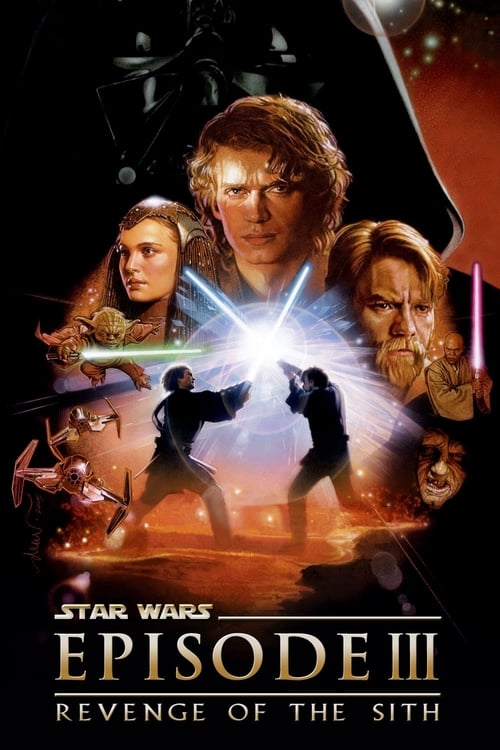
There is a specific, agonizing weight to a story when you already know the ending. By the time the lights dimmed for Star Wars: Episode III – Revenge of the Sith in May 2005, we weren’t showing up to see if Anakin Skywalker would fall; we were there to see how hard he’d hit the ground. After the clinical stiffness of The Phantom Menace and the green-screen romance of Attack of the Clones, the pressure on George Lucas to land this particular starship was astronomical. He didn't just land it; he crashed it into a river of lava and made us enjoy the singe.
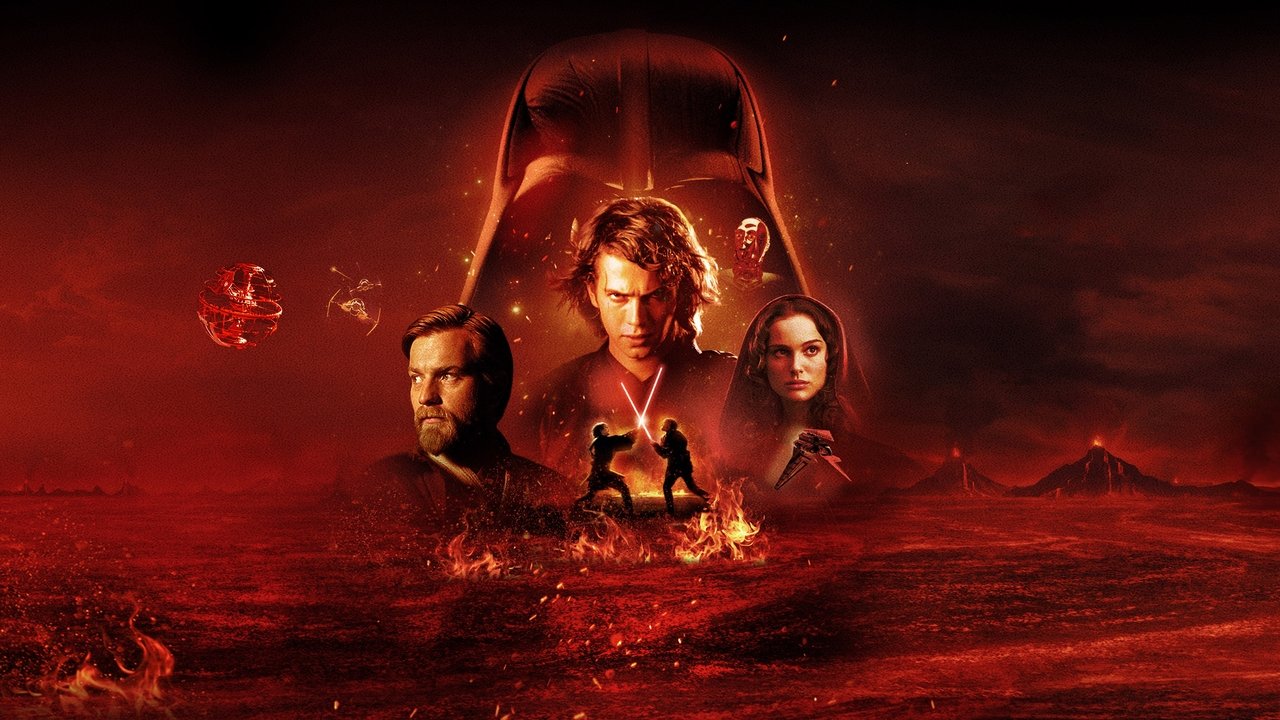
I watched this during a midnight screening where the guy sitting next to me was wearing a full Chewbacca suit in 85-degree humidity. The smell of damp synthetic fur only added to the mounting sense of dread as the Lucasfilm logo faded in. We all knew what was coming: the death of childhood, the end of the Jedi, and the birth of a cinematic icon.
The Digital Frontier and the Darkest Turn
Looking back, Revenge of the Sith stands as the ultimate monument to the "Digital Revolution" that George Lucas championed so aggressively. By 2005, the transition from celluloid to digital was in full swing, and this film was the poster child for what was possible when you stopped caring about "real" sets and started building universes inside a hard drive. While the previous two prequels often felt like they were struggling with their own technology, Episode III finally found a way to make the CGI serve the drama.
The film opens with a dizzying, continuous long-take space battle over Coruscant that still puts most modern MCU skirmishes to shame. It’s a chaotic, vibrant mess of buzz droids and capital ships that immediately signals a change in tempo. The scale was unprecedented—with a budget of $113 million, Lucas and his team at ILM pushed their processing power to the limit. They even incorporated real footage of Mount Etna erupting in Italy to create the volcanic background of Mustafar. The CGI isn't always perfect, but the sheer ambition of the world-building makes the few "video game" moments easy to forgive.
Choreography as Character Development
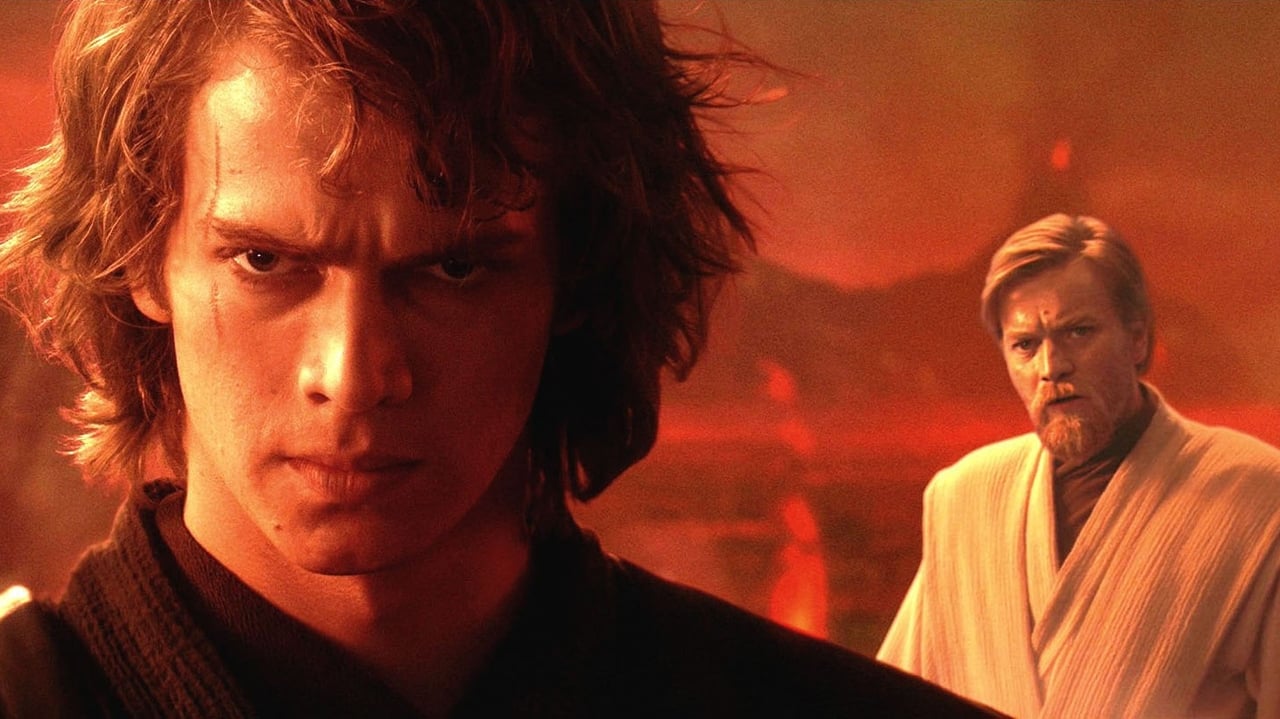
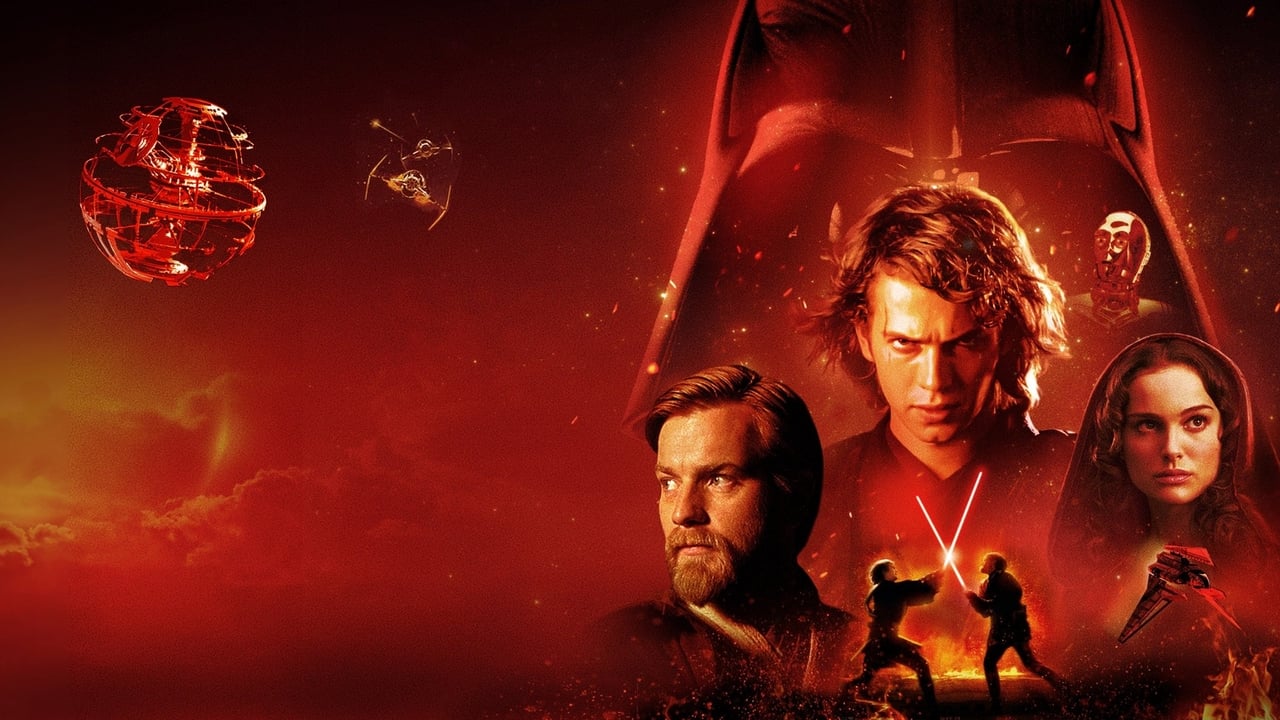
Action films live or die on their pacing, and Episode III is relentless. The fight choreography, spearheaded by stunt coordinator Nick Gillard, reached its zenith here. Unlike the slow, methodical samurai-style duels of the Original Trilogy, these Jedi fight like they’re on a caffeine bender. The final confrontation between Ewan McGregor and Hayden Christensen is a grueling, ten-minute masterclass in physical storytelling.
What I find most impressive about that final duel isn't the lava or the flipping; it's the speed. McGregor and Christensen practiced those sequences for months, and the film wasn't actually sped up in post-production; they were just moving that fast. It’s the one moment where the physical reality of the actors matches the digital spectacle behind them. McGregor is the heart of the film, finally shedding the "young Obi-Wan" skin and becoming the weary, masterful knight we always imagined him to be. His "you were my brother" speech still hits like a freight train, mostly because it’s the one moment where the dialogue transcends the occasionally clunky script.
High Stakes and High Opera
If there’s an MVP for this film, it’s Ian McDiarmid. Watching him manipulate the galaxy while chewing through every bit of scenery is a pure delight. He takes lines that would sink a lesser actor and turns them into Shakespearian villainy. His performance captures that weird, transitional 2000s energy—part high-budget blockbuster, part campy theater. This was also the first Star Wars film to earn a PG-13 rating, a necessary shift considering the story involves the literal decapitation of a democracy (and a few other things).
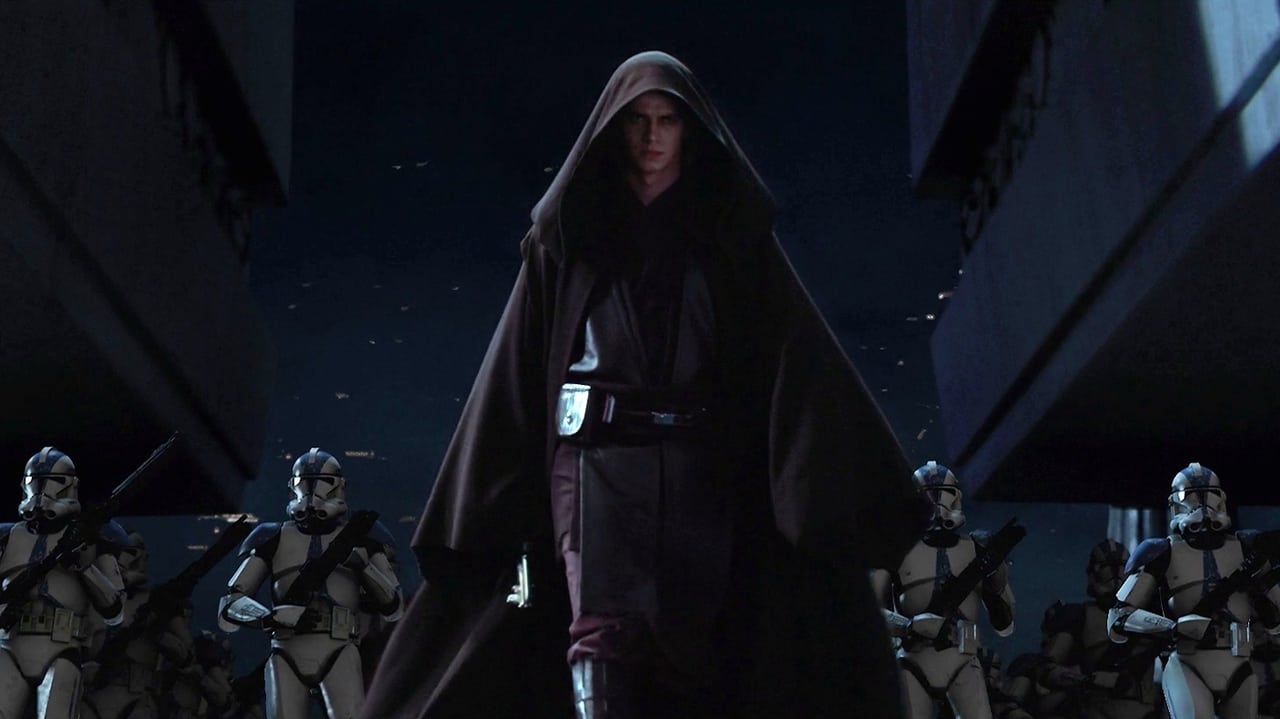
The cultural footprint of Revenge of the Sith was massive. It pulled in $850 million globally, becoming the highest-grossing film of 2005 and proving that the world hadn't grown tired of the Force. It was the end of an era—the last time we’d see a "George Lucas Star Wars" on the big screen. It also sparked a massive wave of merchandising that defined a generation; I’m fairly certain every kid in America owned a plastic General Grievous with four spinning arms by Christmas of that year.
The film serves as a fascinating bridge between the practical effects of the 80s and the seamless digital worlds of today. It’s loud, it’s tragic, and it’s unapologetically operatic. Even the "Nooooooo!" at the end, which felt a bit much at the time, has aged into a kind of endearing, meme-worthy grandiosity. It’s a film that leans into its own mythos with such intensity that you can’t help but be swept up in the heat.
Revenge of the Sith is the rare prequel that manages to justify its own existence by the time the credits roll. It’s not just a collection of plot points leading to a familiar helmet; it’s a visually stunning, emotionally charged epic that captures the tragic fall of a hero with surprising teeth. While the romance between Anakin and Natalie Portman’s Padmé still feels a bit stiff, the sheer momentum of the final hour is enough to propel it into the upper echelon of the saga. It’s the best of the prequels, a technical marvel of its time, and a hell of a way to close the loop.

Keep Exploring...
-
Star Wars: Episode II - Attack of the Clones
2002
-
Star Wars: Episode I - The Phantom Menace
1999
-
Star Wars
1977
-
Return of the Jedi
1983
-
The Empire Strikes Back
1980
-
Star Wars: The Last Jedi
2017
-
Star Wars: The Force Awakens
2015
-

Iron Man 2
2010
-

X-Men
2000
-

The Matrix Reloaded
2003
-
X2
2003
-
Spider-Man 2
2004
-
Transformers
2007
-
Iron Man
2008
-
Avatar
2009
-
Inception
2010
-

The Avengers
2012
-
Captain America: The Winter Soldier
2014
-
Star Wars: The Rise of Skywalker
2019
-
Jumper
2008