Stay
"Reality is a slip of the mind."

If you looked at the box office receipts from 2005, you’d find a $50 million crater where Marc Forster’s Stay was supposed to be. It’s one of those rare studio artifacts—a high-budget, A-list psychological puzzle that feels less like a commercial product and more like an experimental student film that accidentally inherited a massive trust fund. Watching it now is like peering into a time capsule of mid-2000s ambition, a period where directors were still aggressively playing with the "unreliable reality" tropes popularized by The Sixth Sense and Memento, but with the shiny, over-processed aesthetic of the early digital age.
I recently revisited this one on a Tuesday night while eating a slightly stale bagel I’d found in the back of the pantry, and the experience was just as disorienting as I remembered. Stay doesn't just ask you to follow a story; it demands you succumb to a fever dream.
The Architect of a Nightmare
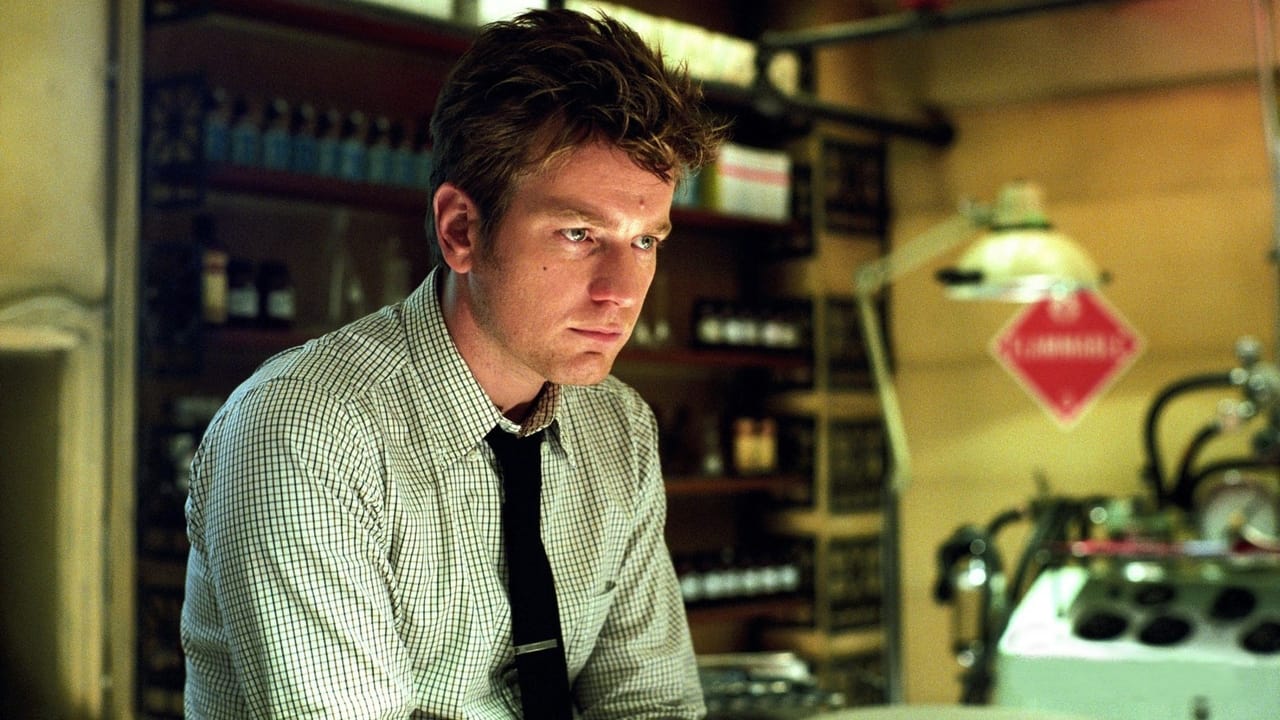
The setup feels familiar enough for a thriller of this era. Ewan McGregor (fresh off his Star Wars prequel tenure and looking appropriately weary) plays Sam Foster, a psychiatrist who takes on a new patient named Henry Letham. As played by a young, pre-stardom Ryan Gosling, Henry is a twitchy, weeping open wound of a man who claims he’s going to kill himself at midnight on Saturday.
But as Sam tries to intervene, the world around him starts to fray at the edges. Characters repeat lines of dialogue in different contexts, twins appear in the background of almost every shot, and the geography of New York City becomes a recursive loop. Director Marc Forster—who was then the "it" guy after Finding Neverland—and cinematographer Roberto Schaefer use every trick in the book to keep you off-balance. We’re talking about match cuts so seamless they feel like glitches in the Matrix. A character walks through a door in a hospital and exits into a rainy street without the camera ever blinking. It’s the kind of visual over-caffeination that defines the "Modern Cinema" transition; it's showy, technically impressive, and occasionally exhausting.
A Cast Caught in the Gears
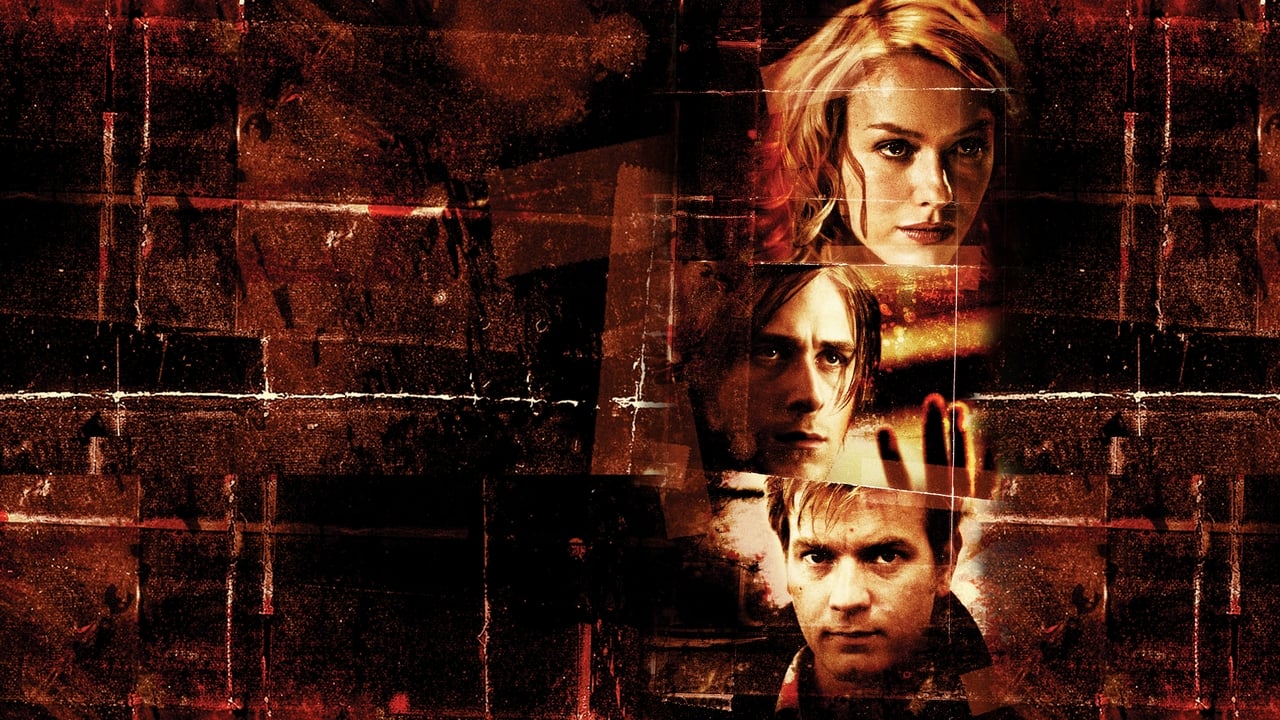
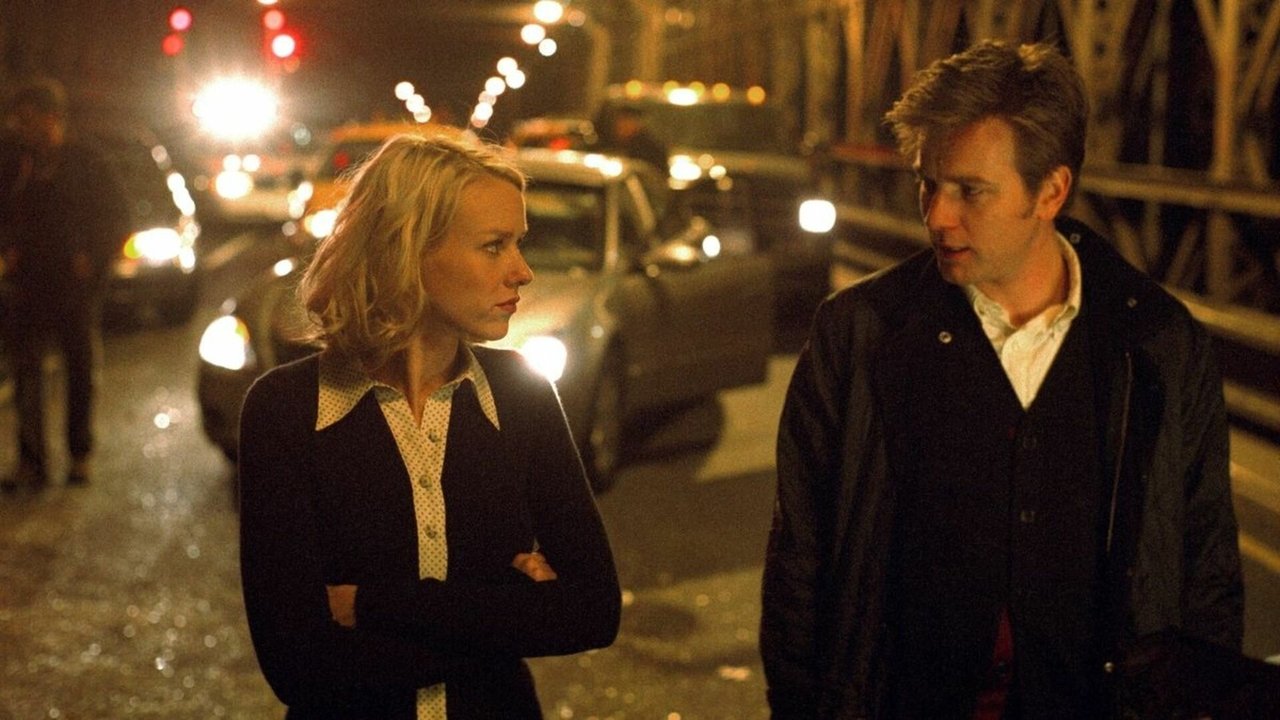
What keeps Stay from becoming a mere technical exercise is the sheer caliber of the ensemble. Naomi Watts shows up as Sam’s girlfriend, Lila, a woman who has her own history with suicidal ideation. Watts is one of those actors who can make a grocery list feel like a Shakespearean soliloquy, and she provides the much-needed emotional tether here. Then there's Bob Hoskins as a blind colleague of Sam’s, delivering a performance that is subtly heartbreaking despite the chaos swirling around him.
The real draw, looking back, is Ryan Gosling. In 2005, he hadn't yet settled into the "cool, silent driver" archetype. Here, he’s raw and vulnerable, wearing a pair of trousers that are distractingly short—apparently a deliberate choice by the costume department to make the actors look "off" and childlike. He carries the film’s central mystery on his slumped shoulders, making us care about Henry even when the script (written by David Benioff long before he became the Game of Thrones guy) threatens to disappear up its own stylistic backside.
Why It Vanished (And Why to Find It)
So, why did a movie with this much talent earn back less than 20% of its budget? In retrospect, Stay was a victim of its own complexity and a marketing campaign that didn't know how to sell a "vibe" as a plot. It’s a drama disguised as a thriller, a sad story about guilt and the human brain’s refusal to let go, wrapped in the packaging of a spooky mystery. When the "twist" finally arrives—and I won't spoil it, though it’s a trope that has been used elsewhere—it recontextualizes everything you’ve just seen. For some, it’s a "lightbulb" moment; for others, it feels like the movie just pulled the rug out from under them for the sake of a stunt.
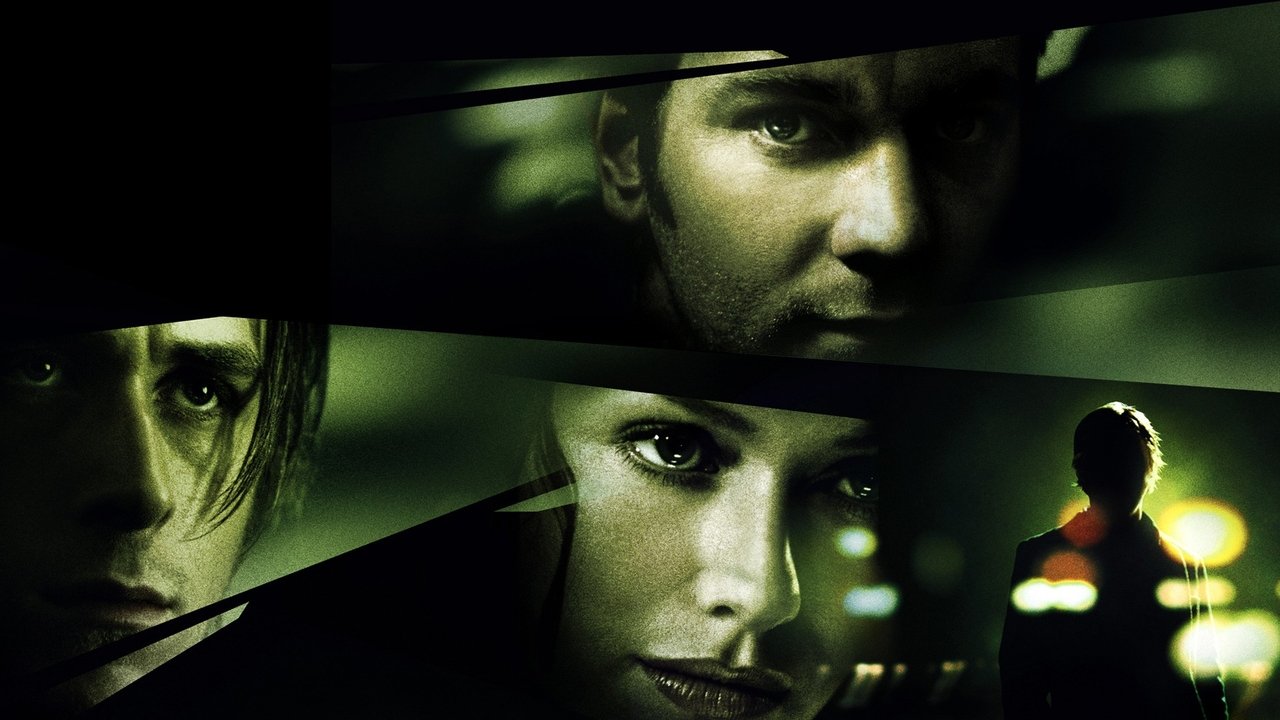
I find myself in the former camp, mostly because I miss this kind of swing. In an era where every mid-budget film is either a horror movie or a prestige biopic, Stay is a reminder of a time when studios would drop $50 million on a mood piece. It’s a film that looks like a perfume commercial and feels like a panic attack, and while it isn't perfect, it’s undeniably singular.
The DVD era was kind to movies like this—the kind you’d find in a "3 for $10" bin and realize was actually better than the blockbusters you’d paid full price to see. It’s a film meant for late nights and quiet rooms. It’s a beautifully shot, mournful, and occasionally pretentious slice of 2005 that deserves more than to be a footnote in its stars' filmographies.
Stay is the ultimate "style over substance" argument, but when the style is this evocative, I’m not sure the lack of traditional substance even matters. It’s a visual labyrinth that offers a fascinating look at the early career of its A-list cast. Give it a watch when you’re in the mood to lose your bearings—just don’t expect a roadmap to get back.
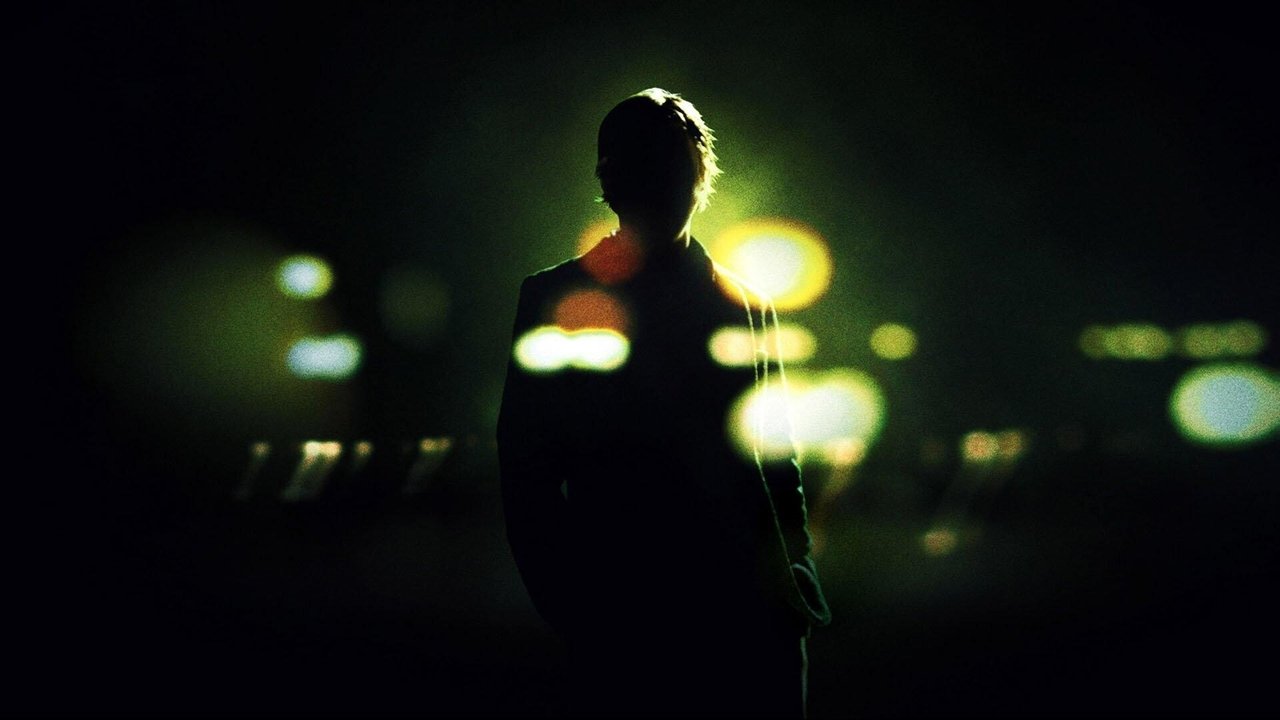
Keep Exploring...
-

The Kite Runner
2007
-
What Lies Beneath
2000
-
Basic
2003
-

The Manchurian Candidate
2004
-
Edge of Darkness
2010
-

The Gift
2000
-
Gosford Park
2001
-
Joy Ride
2001
-
Original Sin
2001
-
The Pledge
2001
-
The Score
2001
-
K-19: The Widowmaker
2002
-
The Forgotten
2004
-
The Jacket
2005
-
Inland Empire
2006
-
In the Valley of Elah
2007
-
Premonition
2007
-
Untraceable
2008
-
Chloe
2010
-
Dream House
2011