Syriana
"The darker the oil, the deeper the lie."
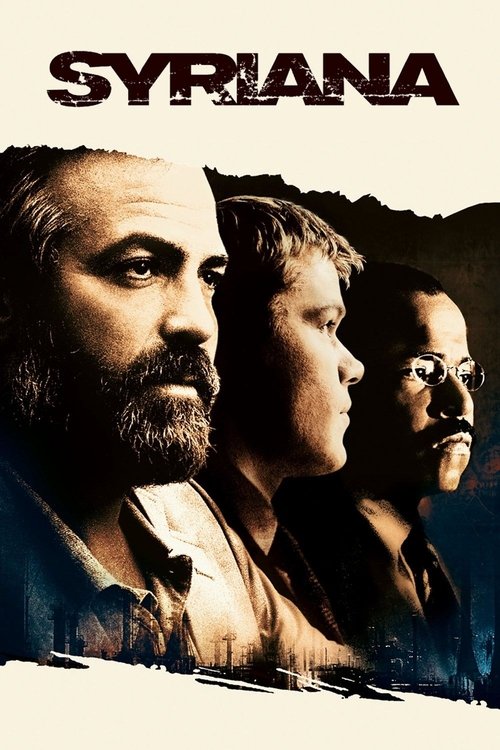
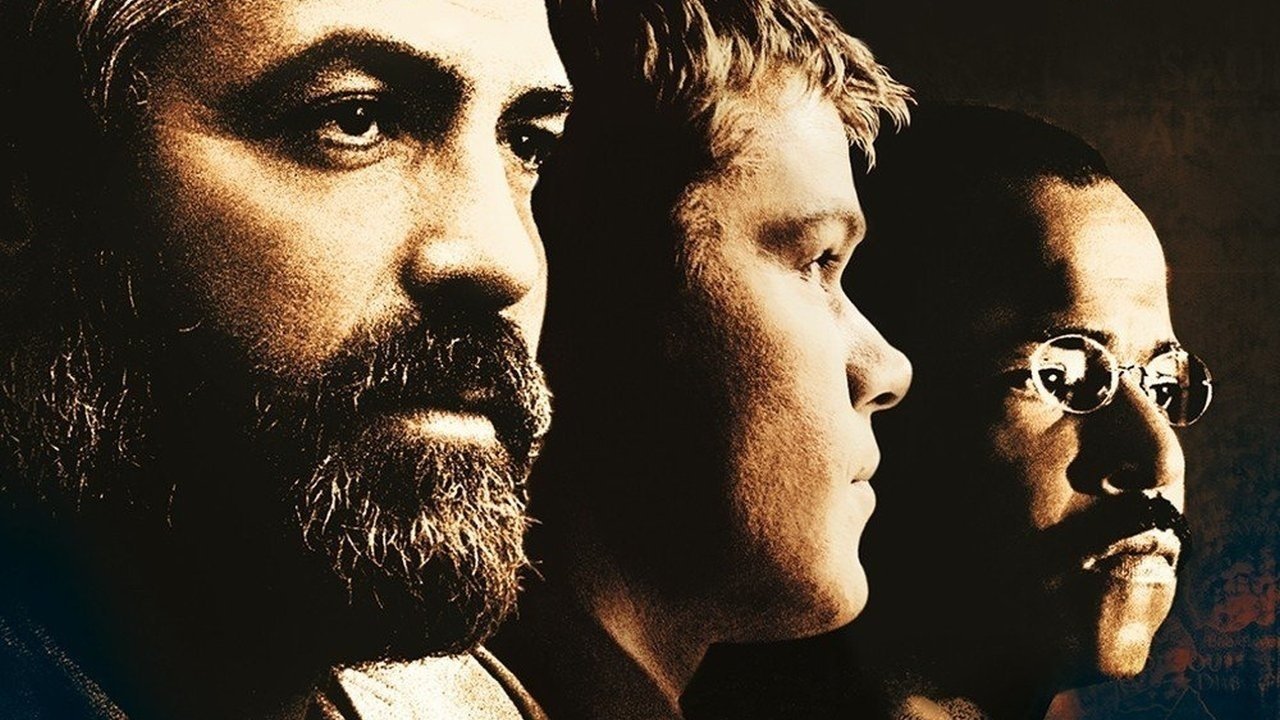
There is a specific kind of "dad movie" that emerged in the mid-2000s—the kind that requires a high-back leather chair, a glass of something amber, and a total suspension of your desire to actually understand what is happening for the first forty-five minutes. George Clooney’s beard in Syriana is the patron saint of this genre. It’s a thick, graying, "I’ve seen too much in Beirut" beard that signaled to the world in 2005 that the man from Ocean’s Eleven was officially done being the charming guy in the tuxedo. He was here to get tortured, gain thirty pounds, and explain the global oil crisis to us.
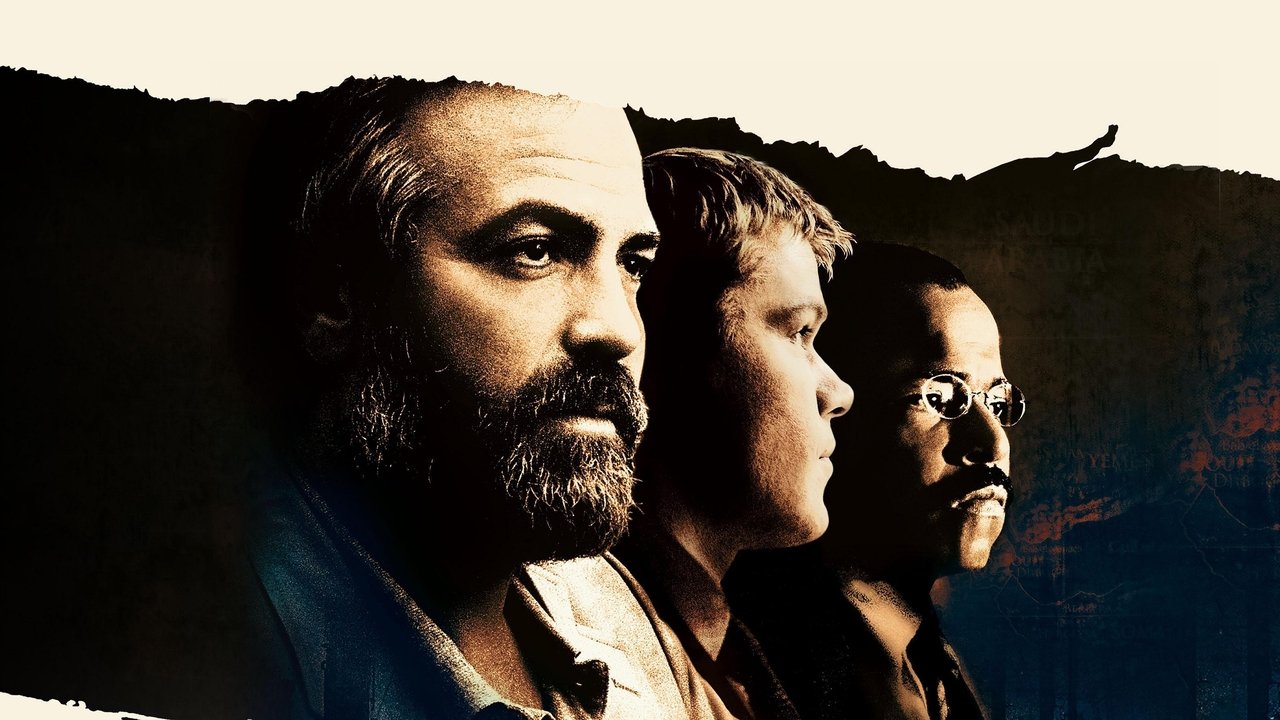
Rewatching Syriana today is like opening a time capsule from the height of the post-9/11 cinematic anxiety. It’s a film that expects you to have three PhDs and a color-coded map of the Persian Gulf just to follow the opening credits. Director Stephen Gaghan, fresh off winning an Oscar for writing Traffic, took that same multi-strand, "hyperlink" storytelling and dipped it in crude oil. It’s dense, it’s sweaty, and it’s deeply cynical about how the world actually works.
The Weight of the World (and George Clooney)
The heart of the film is George Clooney as Bob Barnes, a veteran CIA field officer who is starting to realize he’s just a line item on a spreadsheet for people who never leave Washington. This was the role that earned Clooney his Oscar, and you can see the work on screen—not just in the physical transformation, but in the exhaustion behind his eyes. He’s the guy sent to do the dirty work, only to find out the rules changed while he was in the field.
Parallel to him, we have Matt Damon as Bryan Woodman, an energy analyst who experiences a horrific personal tragedy and parlays it into a professional opportunity with a progressive Middle Eastern prince. Damon plays Woodman with a fascinating mix of genuine grief and naked ambition; he wants to change the world, but he’s also happy to take the private jet to do it. Then there’s Jeffrey Wright as Bennett Holiday, the lawyer investigating a massive oil merger. Wright is the MVP here for me, playing a man who has to be the smartest person in the room while pretending he doesn't see the corruption staring him in the face.
I watched this most recently on a drizzly Tuesday afternoon while my neighbor was power-washing their driveway, and the constant, low-frequency hum of the water outside actually blended perfectly with Alexandre Desplat’s eerie, unsettling score. It made the whole experience feel like I was watching something I wasn't supposed to see.
A Narrative Built Like a Conspiracy Board
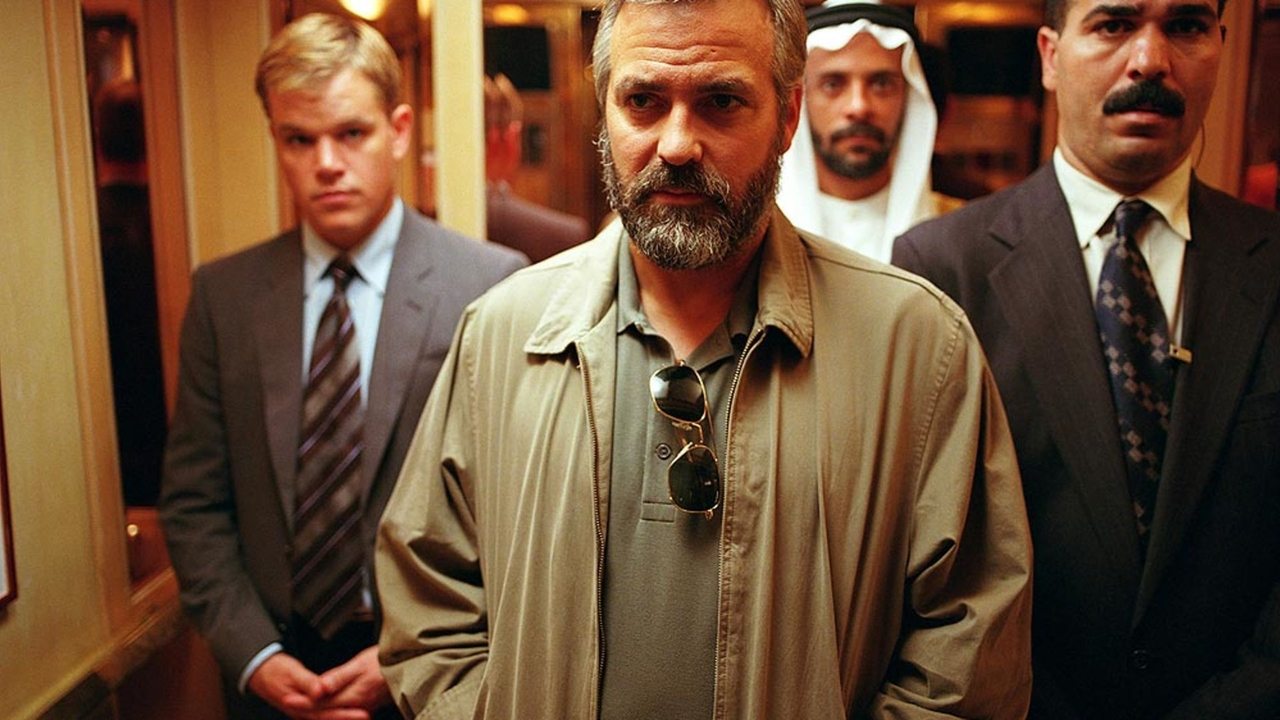
If you’re looking for a clear-cut hero or a satisfying "gotcha" moment where the bad guys go to jail, you’ve come to the wrong movie. Syriana is about systems, not individuals. It captures that 2000s fascination with how the "big picture" works—from the migrant workers in the oil fields (played with heartbreaking sincerity by Mazhar Munir) to the boardrooms in Houston where Chris Cooper’s Jimmy Pope barks orders.
The film's original tagline was "Everything is connected," and Gaghan takes that literally. The cinematography by Robert Elswit (who also shot There Will Be Blood) gives everything a gritty, sun-baked realism. It doesn't look like a Hollywood movie; it looks like a leaked document. Looking back, this was the peak of the "shaky cam" era, but here it feels earned. It creates a sense of voyeurism, like we’re catching glimpses of secret meetings through a cracked door.
The script is famously complex. In fact, it’s so complex that it basically treats the audience like they’re an intelligence officer trying to keep up with a briefing that started twenty minutes ago. You will get lost. You will forget which Emir is which. But strangely, that’s part of the charm. It’s a film that respects your intelligence enough to let you be confused.
The Cost of the Truth
The behind-the-scenes stories of Syriana are almost as harrowing as the plot itself. George Clooney famously suffered a debilitating spinal injury during the scene where his character is tortured, leading to a long recovery that he’s spoken about with brutal honesty in the years since. It’s a reminder of a time when "star power" was being leveraged to make difficult, mid-budget adult dramas—a species of film that has largely migrated to HBO or vanished entirely in the age of the MCU.
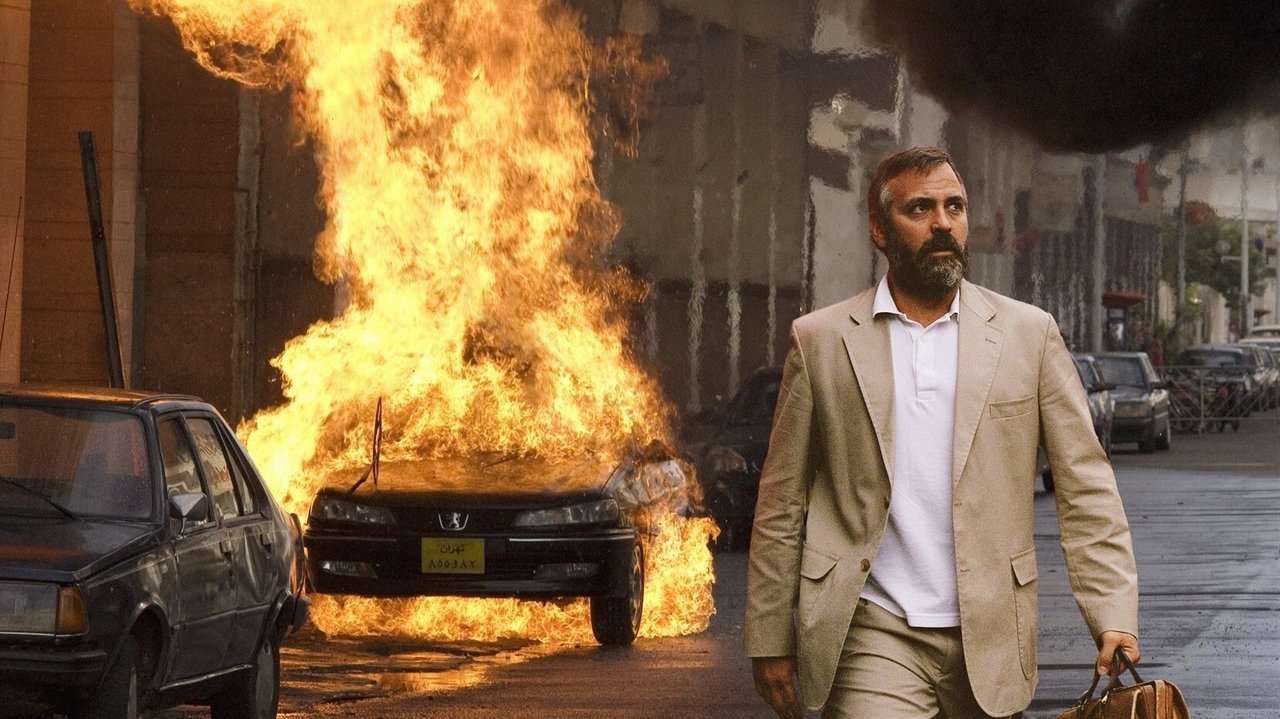
The film also serves as a fascinating look at the "Indie-plus" era of the mid-2000s. Backed by Participant Media, it was part of a wave of socially conscious films meant to spark "conversation." While some of those movies now feel like a lecture, Syriana holds up because it’s so relentlessly bleak. It’s not trying to save the world; it’s just trying to show you how much it costs to keep your car running.
One of the coolest details I’ve always loved is that the character of Bob Barnes is based on real-life CIA officer Robert Baer. If you ever see a photo of the real Baer from that era, the resemblance is uncanny. It adds a layer of "this actually happened" gravity to the whole proceeding that keeps the thriller elements grounded.
Syriana is a demanding watch, but a rewarding one. It’s a relic of a time when Hollywood believed that a geopolitical thriller could be a blockbuster, and that George Clooney’s beard was enough to sell a movie about the complexities of the global energy market. It captures the post-9/11 mood of distrust and systemic failure better than almost any other film of its era. If you’re willing to lean in and do the work, it’s a masterclass in tension and atmospheric dread. Just make sure you have a notepad—or a very strong drink—handy.
Keep Exploring...
-
Michael Clayton
2007
-

The American
2010
-
Changing Lanes
2002
-

The Manchurian Candidate
2004
-
The Good Shepherd
2006
-
The Kingdom
2007
-
What Lies Beneath
2000
-
The Last Castle
2001
-
Murder by Numbers
2002
-
The Sum of All Fears
2002
-

Unfaithful
2002
-
Basic
2003
-
Matchstick Men
2003
-

Out of Time
2003
-
Runaway Jury
2003
-
The Hunted
2003
-
Stay
2005
-
World Trade Center
2006
-

The Brave One
2007
-
Edge of Darkness
2010