Thank You for Smoking
"Winning isn't about being right, it's about being loud."

I recently rewatched Thank You for Smoking on a laptop with a flickering screen while sitting in a coffee shop where the guy next to me was aggressively puffing on a blueberry-scented vape. It struck me as a hilarious bit of cosmic irony, considering that when this film dropped in 2005, the idea of "smoking" was still tied to the rugged, lung-blackening grit of the Marlboro Man, not a plastic stick that smells like a candy store.
Jason Reitman’s directorial debut arrived right at the tail end of the DVD-as-king era, that glorious window where a $6 million indie could find a massive second life through word-of-mouth and those red Netflix envelopes. It’s a film that defines the mid-2000s "snark-renaissance," a time when we still believed that if you were clever enough, you could charm your way out of any moral apocalypse.
The Sultan of Spin
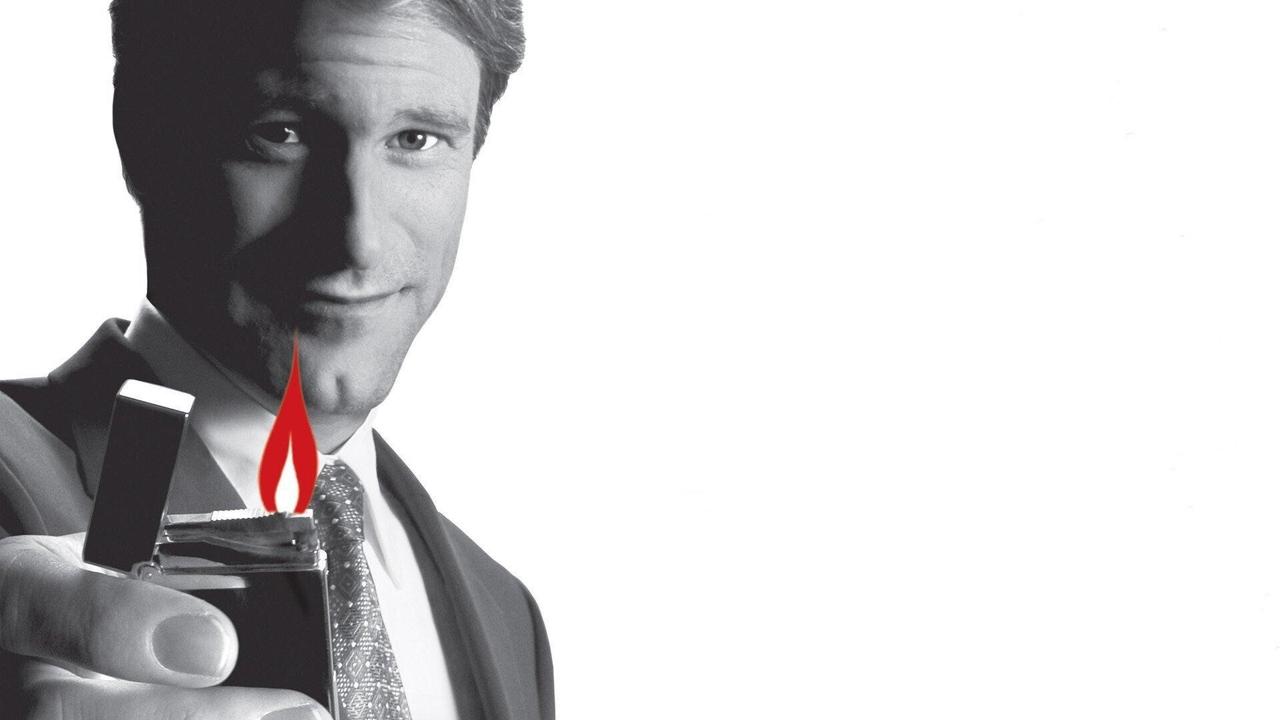
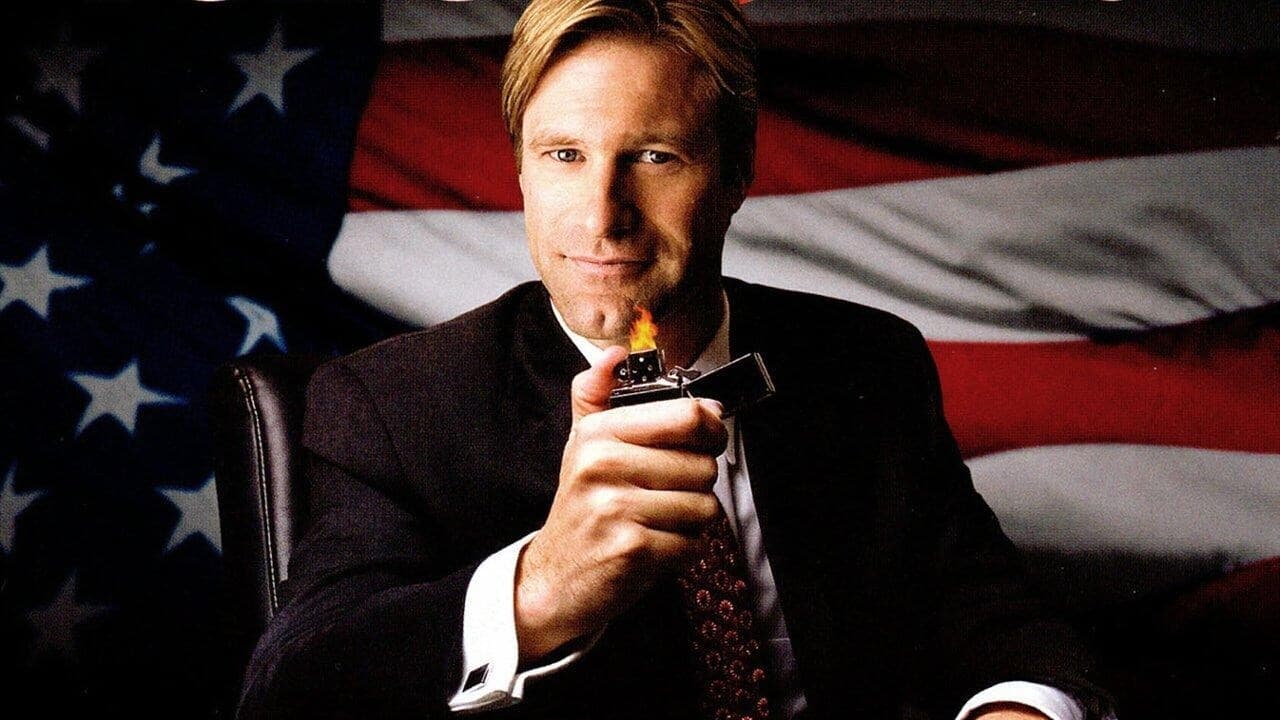
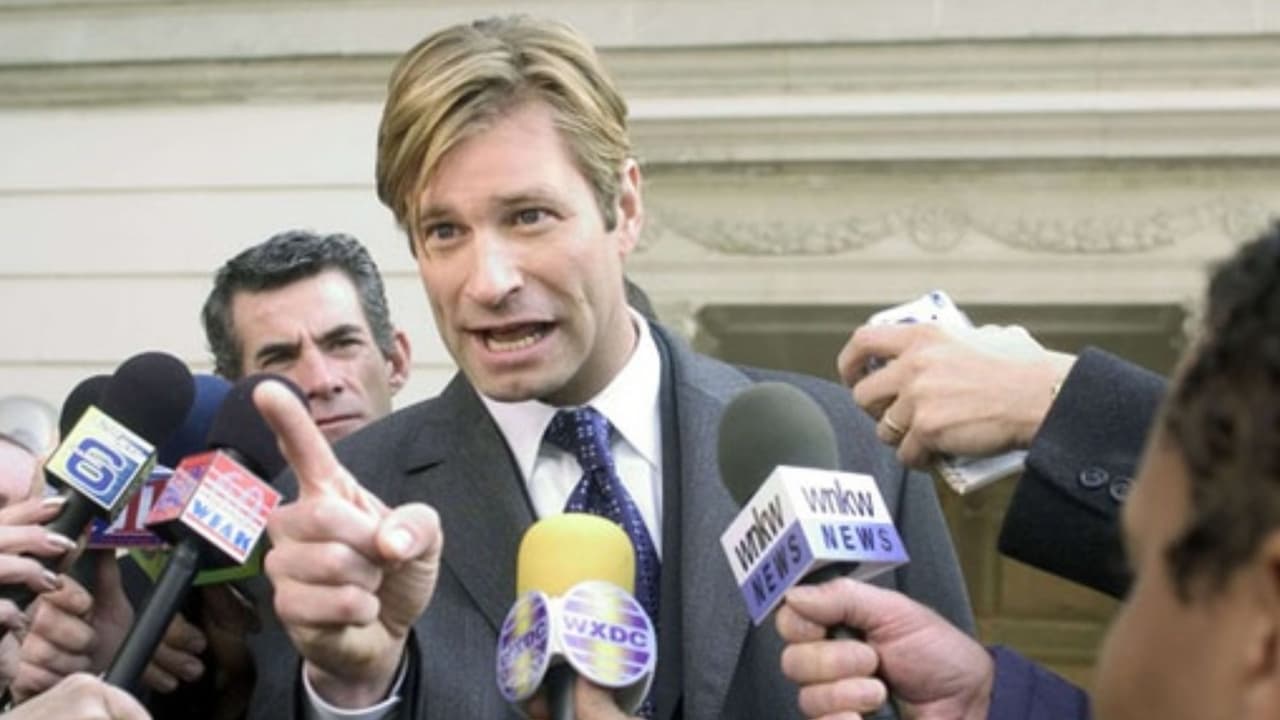
At the center of this hurricane of ethical flexibility is Nick Naylor, played by Aaron Eckhart with a smile so bright it’s practically a structural hazard. Naylor is a lobbyist for Big Tobacco, a man whose literal job is to convince the world that cigarettes aren't that bad—or, failing that, to make sure everyone is too confused to agree they’re bad. Aaron Eckhart was a revelation here; he managed to make a professional liar feel like the only honest man in the room. He’s not a villain, he’s just a guy who’s pathologically addicted to winning an argument.
The script, adapted by Reitman from Christopher Buckley’s novel, is a rapid-fire masterclass in dialogue. I’ve always been a sucker for movies where the characters are the smartest people in the room, and the scenes where Nick meets with the "M.O.D. Squad" (Merchants of Death) are legendary. Watching Nick trade war stories with Maria Bello (representing alcohol) and David Koechner (representing firearms) over Caesar salads is peak satirical comedy. They aren't debating the merits of their products; they’re debating who has the highest body count. It’s cynical, dark, and utterly delightful.
A Masterclass in Visual Irony
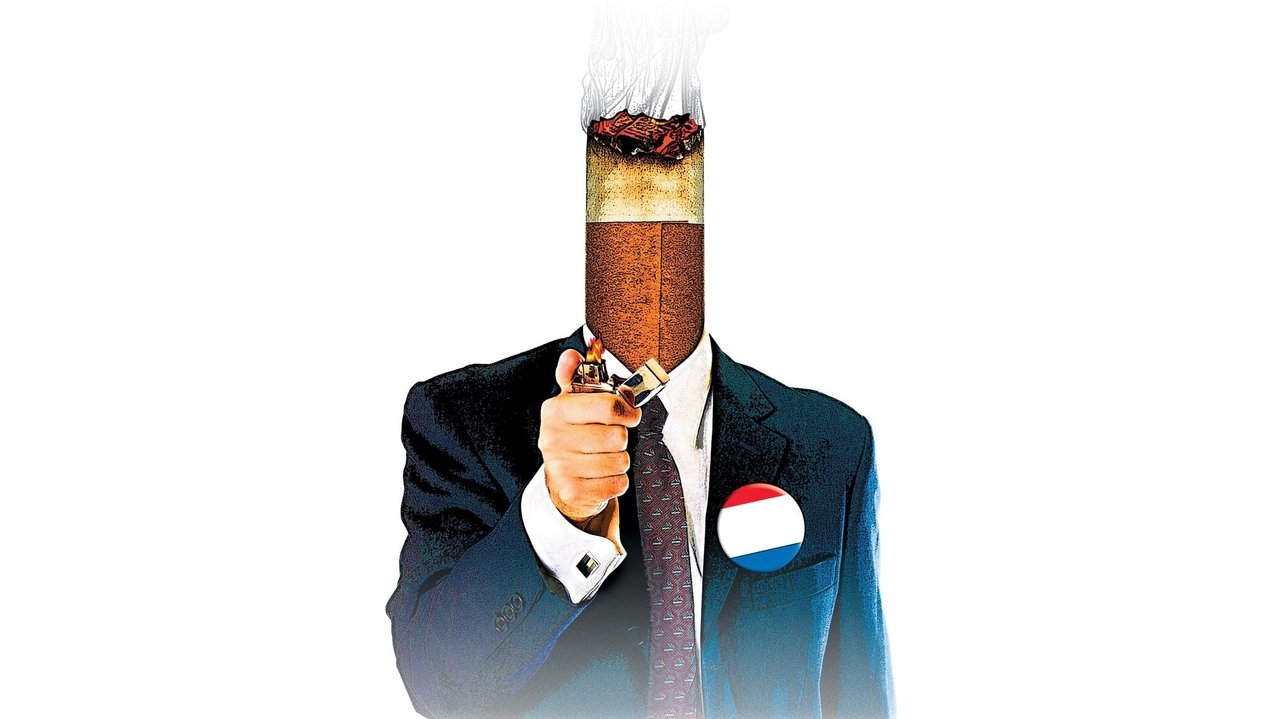
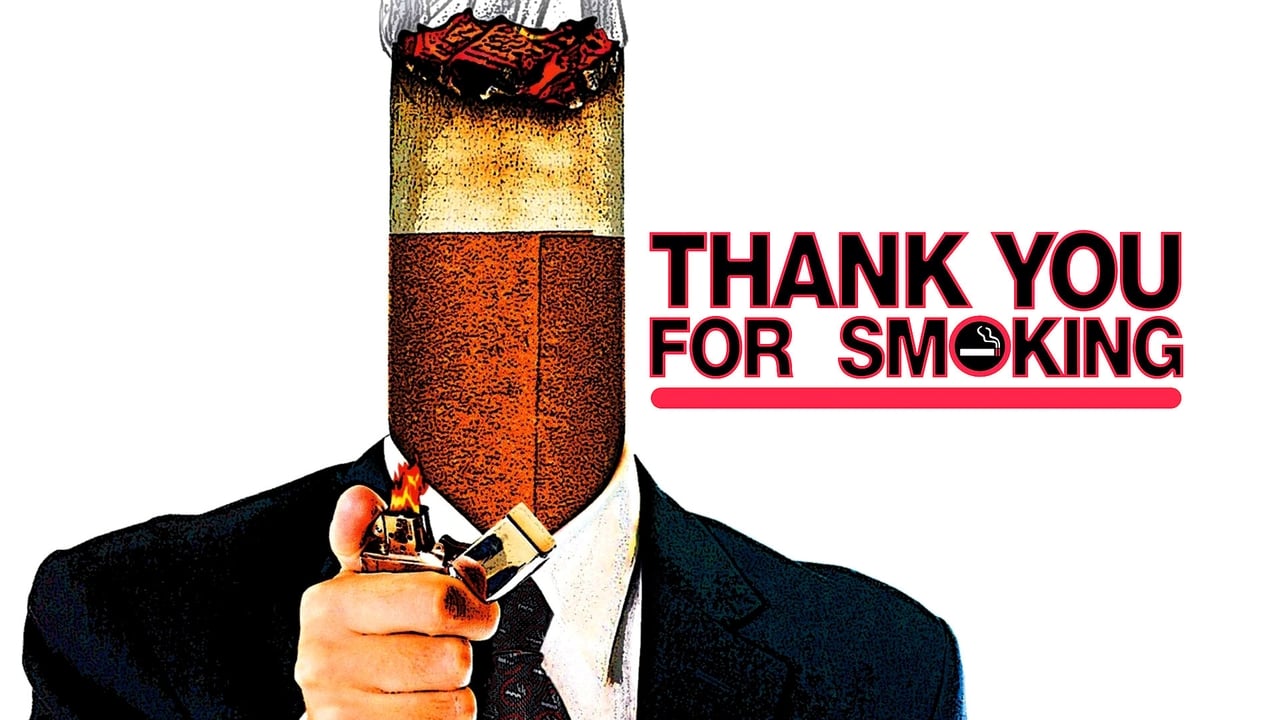
What’s truly fascinating looking back—and this is a trivia nugget that usually floors people who haven't seen it in a decade—is that not a single person is shown smoking a cigarette in the entire movie. Reitman made a conscious choice to keep the actual act of smoking off-camera, which is a brilliant bit of meta-commentary. The film isn't about the smoke; it's about the smoke and mirrors.
The production design and cinematography by James Whitaker have that crisp, saturated look that defined the mid-2000s indie-to-mainstream crossover. It feels expensive despite its modest budget. I’m also convinced that Sam Elliott was born specifically to play Lorne Lutch, the dying, bitter former Marlboro Man. The scene where Nick visits Lorne to "buy" his silence with a suitcase full of cash is the emotional heart of the film, showing exactly how the machine grinds down human beings into PR problems to be solved.
The Legacy of the Filtered Truth
Watching this in the 2020s is a bit like looking at a blueprint for our current "fake news" architecture. Nick’s philosophy—"If you're wrong, I'm right"—has basically become the operating system for the modern internet. It’s a film that feels remarkably prophetic, though it handles its themes with a lighter touch than we usually see today.
The supporting cast is an absolute time capsule of 2005 talent. You’ve got Adam Brody at the height of his The O.C. fame playing a sycophantic Hollywood assistant, and Katie Holmes as a journalist who learns that Nick Naylor is a very dangerous man to sleep with if you’re looking for a scoop. Even Cameron Bright, playing Nick’s son, avoids the "annoying movie kid" trope by acting as the perfect foil to his father’s questionable parenting.
This was the film that launched Jason Reitman toward Juno and Up in the Air, and it’s arguably his most energetic work. It’s a drama that wears a comedy mask, or perhaps it’s a comedy that’s just too depressed to stop laughing. Either way, it’s the kind of movie that makes you want to go out and win an argument, even if you’re defending something indefensible.
Thank You for Smoking remains a razor-sharp piece of social commentary that hasn't lost its edge, even if the world it was satirizing has only gotten weirder. It’s a movie about the power of words, the flexibility of the truth, and the undeniable charm of a man who knows he’s the bad guy but refuses to apologize for it. It’s a cult classic that earned its status through sheer, unadulterated wit, and it’s still the best argument for why you should never let a lobbyist buy you a drink.
Keep Exploring...
-

Juno
2007
-

Up in the Air
2009
-
Men, Women & Children
2014
-
Coyote Ugly
2000
-

Labor Day
2013
-
High Fidelity
2000
-
The Royal Tenenbaums
2001
-

Adaptation.
2002
-

Punch-Drunk Love
2002
-
Bad Santa
2003
-
Stranger Than Fiction
2006
-

High School Musical 2
2007
-

The Darjeeling Limited
2007
-

(500) Days of Summer
2009
-
A Serious Man
2009
-

Adventureland
2009
-

It's Kind of a Funny Story
2010
-

Letters to Juliet
2010
-

Life As We Know It
2010
-

Seeking a Friend for the End of the World
2012