The Amityville Horror
"Some houses never let you go."
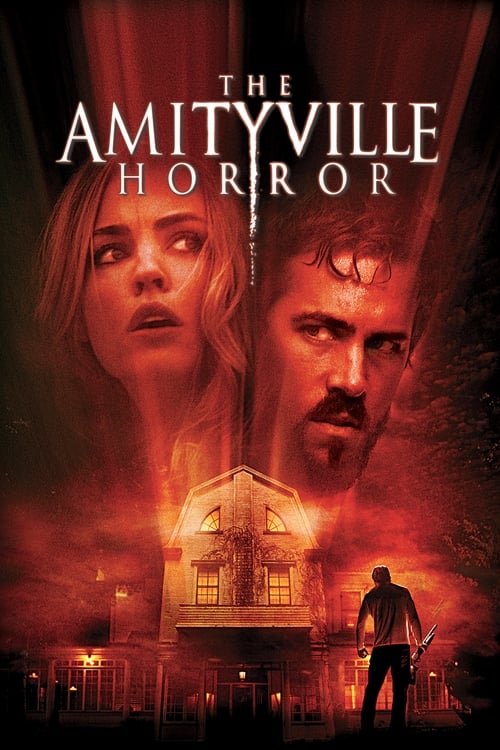
In 2005, the "Michael Bay-ification" of horror was in full swing, and nothing was safe from a high-contrast, sweat-drenched makeover. Before the MCU was a glimmer in Kevin Feige’s eye, the horror landscape was dominated by Platinum Dunes—Bay’s production company—which specialized in taking dusty 70s classics and buffing them until they shone with a slick, music-video sheen. The Amityville Horror (2005) is the quintessential artifact of this era. It’s loud, it’s aggressive, and it features a version of George Lutz who looks like he spent the entire 28-day haunting doing crunches in the basement.
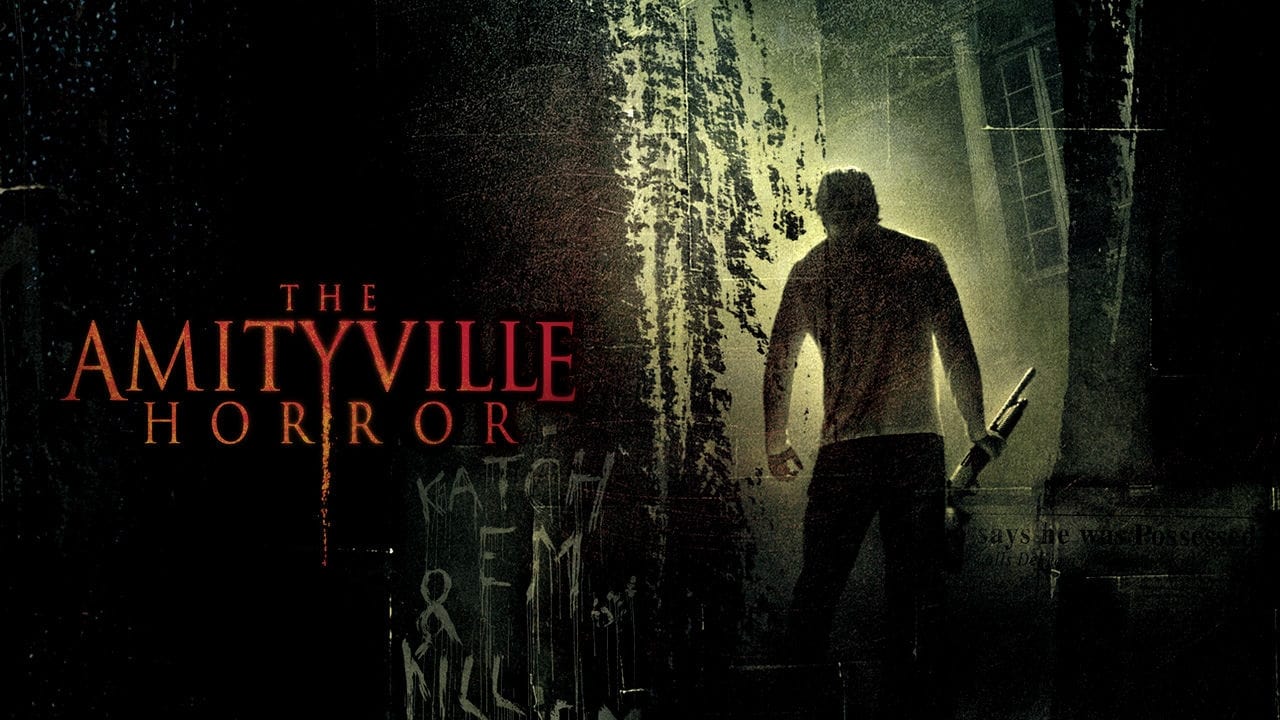
I watched this most recently on a scratched DVD I found at a garage sale, and the disc skipped precisely every time a ghost appeared on screen. Honestly, the glitchy digital artifacts actually added a layer of avant-garde terror that the original director probably didn't intend, but it perfectly matched the "digital-meets-gritty" aesthetic of the mid-2000s.
The Platinum Dunes Polish
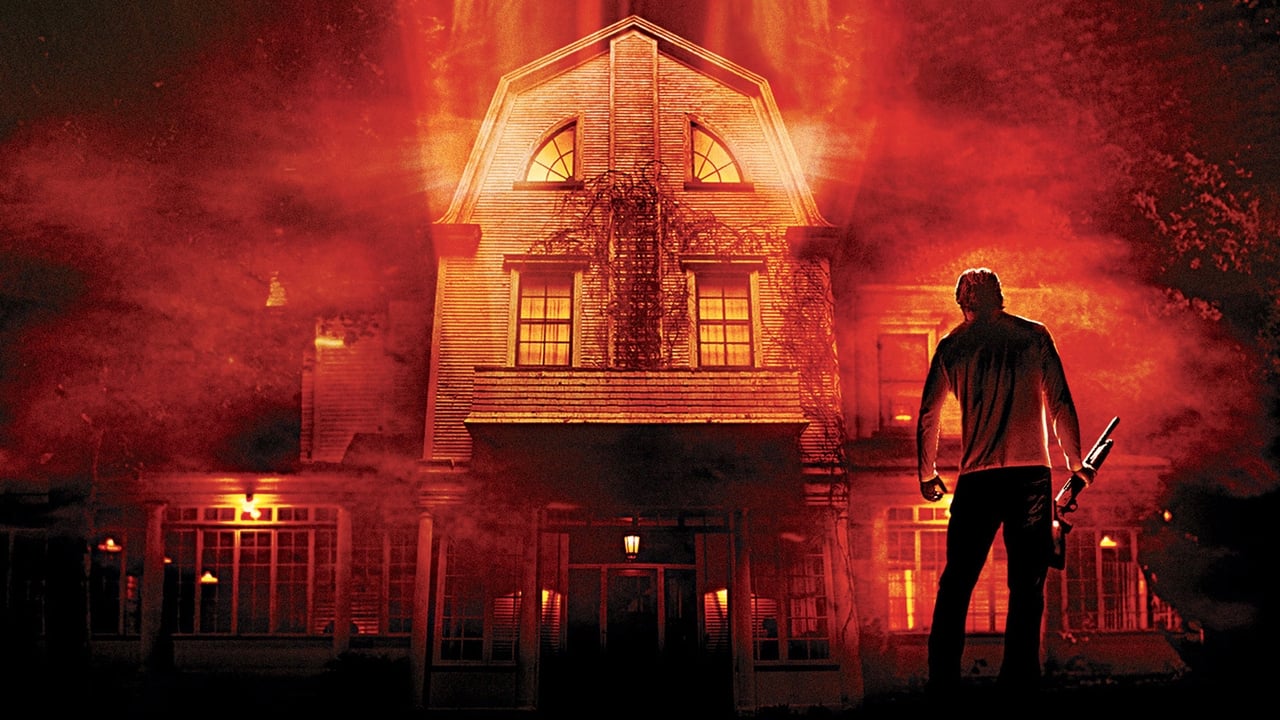
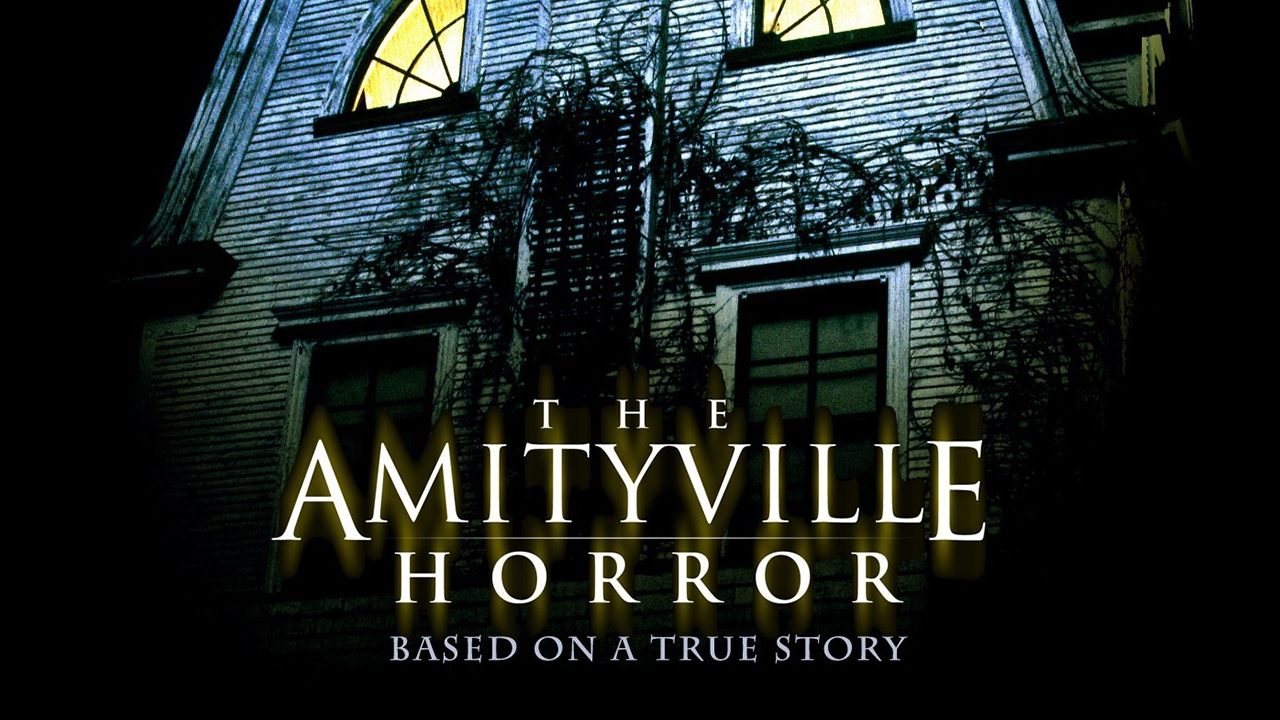
There is a specific look to horror films from this window (roughly 2003–2009). Following the success of the Texas Chainsaw Massacre remake, director Andrew Douglas—who came from a background in high-end commercials—brought a visual density to Amityville that the 1979 original lacked. The Dutch Colonial house isn't just a building here; it’s a predatory entity. Every floorboard seems to groan in 5.1 surround sound, and the color palette is a moody mix of sickly greens and deep, bruised shadows.
Looking back, this film captures the industry’s transition. We were moving away from the slow-burn psychological dread of the 90s (think The Sixth Sense) and into an era of "extreme" sensory assault. Steve Jablonsky, the composer who would later define the sound of the Transformers franchise, provides a score that doesn't just suggest fear—it bludgeons you with it. It’s effective, even if it feels a bit like the movie is constantly shouting "BOO!" in your ear while you're trying to read the subtitles.
Reynolds Before the Red Suit
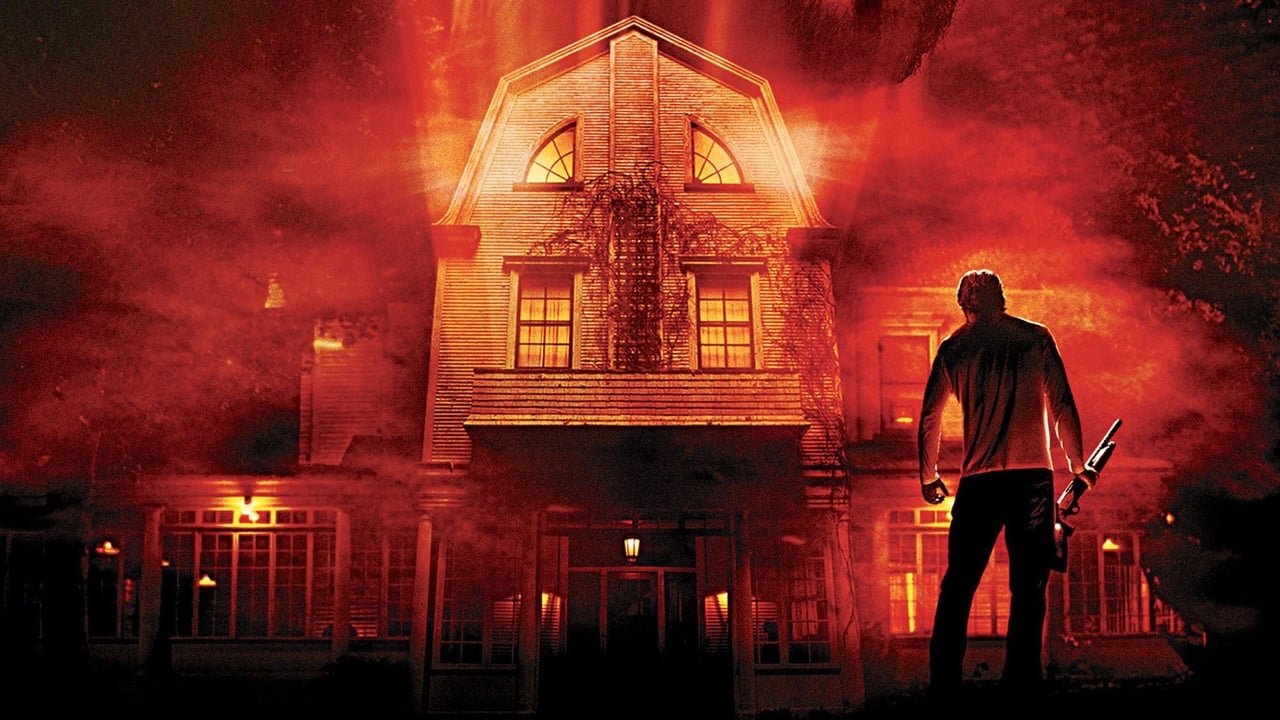
The biggest revelation in rewatching this is seeing Ryan Reynolds in a role that feels entirely divorced from his modern "Deadpool" persona. There isn't a single quip to be found. As George Lutz, Reynolds is tasked with a difficult physical transformation. He starts as the charming, "cool" stepdad and slowly devolves into a shirtless, axe-wielding maniac. While the script (penned by Scott Kosar, who also wrote the Chainsaw remake) doesn't give him much room for nuance, Reynolds leans into the madness with an intensity that is genuinely unsettling. He’s essentially playing a human pressure cooker that’s lost its safety valve.
Opposite him, Melissa George does the heavy lifting as Kathy Lutz. She’s the emotional anchor, and her desperation feels real even when the supernatural occurrences become absurdly over-the-top. And let’s not forget a very young Chloë Grace Moretz as Chelsea. Even at eight years old, she had a screen presence that made you realize she was going to be a star. Her scenes on the roof of the house are still the most nerve-wracking sequences in the film, relying on height and precariousness rather than digital ghosts.
Jump Scares and Box Office Gold
If the 1979 film was about the crumbling of the American Dream through bankruptcy and flies, the 2005 version is a haunted house ride on steroids. It’s less concerned with the "why" and more with the "what's under the bed?" This approach worked brilliantly at the bank. With a modest $19 million budget, it hauled in over $107 million worldwide. It proved that audiences in the mid-2000s were hungry for recognizable brands (the "Amityville" name carries a lot of weight) delivered with modern production values.
The film makes heavy use of Rachel Nichols as the doomed babysitter, Lisa, providing one of the film’s most memorable—and claustrophobic—scares involving a finger and a gunshot wound. It’s a scene that reflects the era’s fascination with "body horror" lite; it’s gross and mean-spirited in a way that feels very post-Saw. This was also a peak time for "DVD Culture," where the special features would spend forty minutes explaining how they did the makeup for the dead DeFeo children, demystifying the horror while making us appreciate the craft of the makeup effects teams who were still blending practical prosthetics with early-stage CGI enhancements.
Ultimately, The Amityville Horror (2005) isn't interested in being a masterpiece of the genre; it wants to be a high-octane thrill ride. It succeeds in being a perfectly entertaining 90-minute blast of 2000s angst and aesthetic. While it lacks the soul and the creeping dread of the 1979 classic, it makes up for it with sheer momentum and a committed performance from a future A-lister. It’s the cinematic equivalent of a haunted house at a local carnival—you know exactly when the guy in the mask is going to jump out, but you’ll still probably spill your drink when he does.
It’s a fascinating look at a time when Hollywood was obsessed with "gritty" updates and when Ryan Reynolds was trying to figure out if he was an action star or a horror villain. It turns out he was both, but it’s this specific, gloomy detour into Long Island's most famous haunt that remains a fun, slightly over-produced relic of its time. If you’re looking for a flick that captures the transition from analog spooks to digital shocks, this house is definitely worth a visit.
Keep Exploring...
-
The Amityville Horror
1979
-
The Texas Chainsaw Massacre
2003
-
Final Destination
2000
-
Scream 3
2000
-
The Cell
2000
-

Resident Evil
2002
-
The Ring
2002
-
Freddy vs. Jason
2003
-
Gothika
2003
-
Dawn of the Dead
2004
-
The Grudge
2004
-
Hide and Seek
2005
-
The Exorcism of Emily Rose
2005
-
Final Destination 3
2006
-
Saw III
2006
-

The Omen
2006
-
1408
2007
-
Resident Evil: Extinction
2007
-
Saw IV
2007
-

Saw V
2008