The Brice Man
"Yellow, blonde, and waiting for the big one."
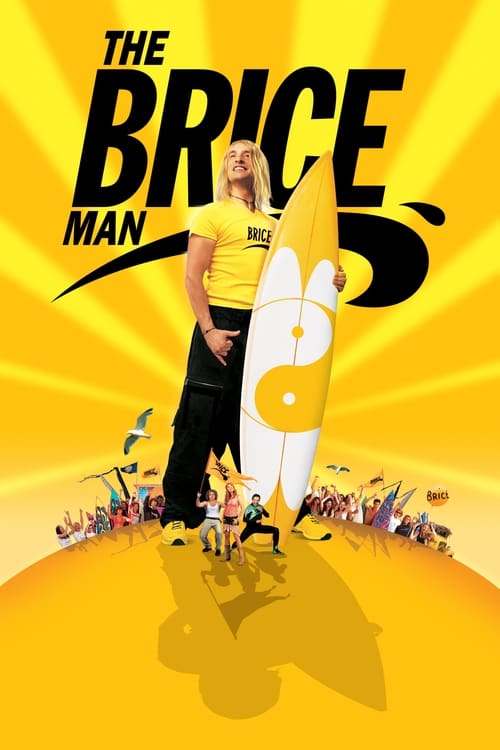
Imagine a man so deeply committed to a lifestyle that physically cannot exist in his current geography that he has become a local god of the delusional. That is the essence of The Brice Man (or Brice de Nice), a film that feels like it was shot through a lemon-tinted lens and fueled by an infinite supply of hair peroxide. While Hollywood was busy perfecting the gritty reboot in 2005, France decided to hand Jean Dujardin a surfboard and tell him to act like a human cartoon. It’s a strange, bright, and unapologetically "stupid" comedy that managed to capture the French zeitgeist so effectively it became a cultural landmark, despite being essentially a movie about a man waiting for a wave in a sea that doesn’t have any.
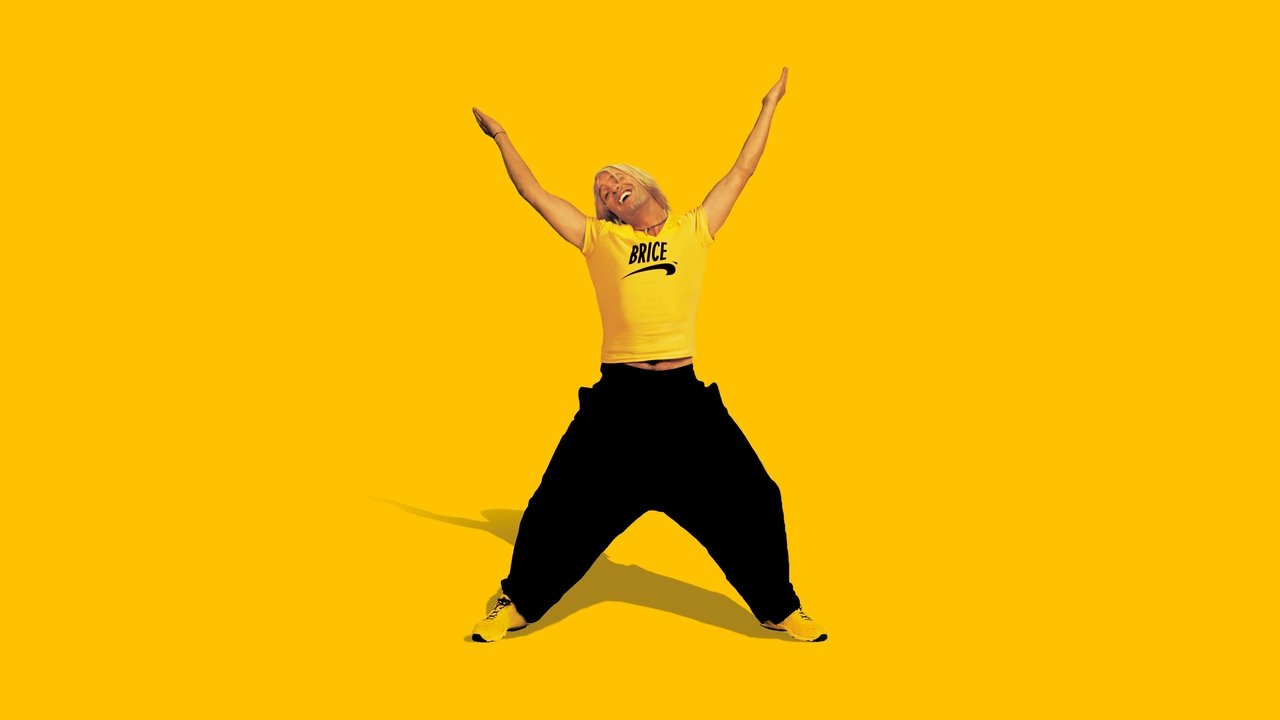
The Architect of the "Casse"
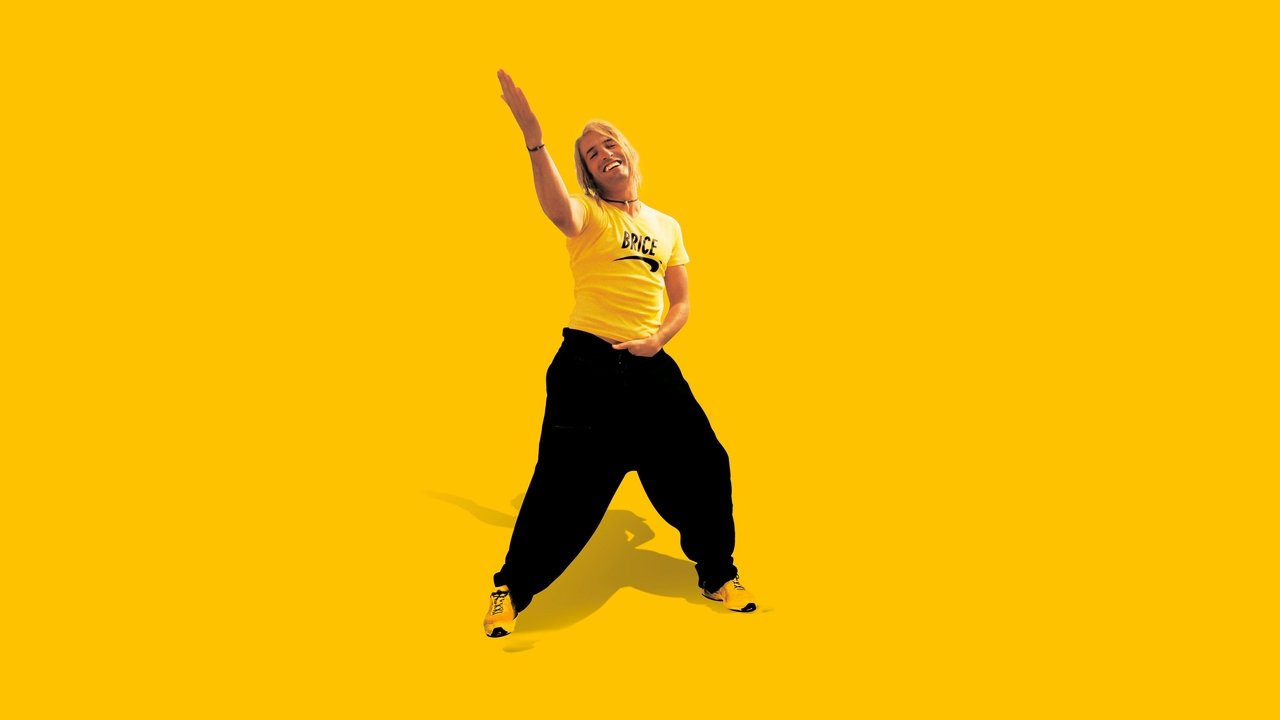
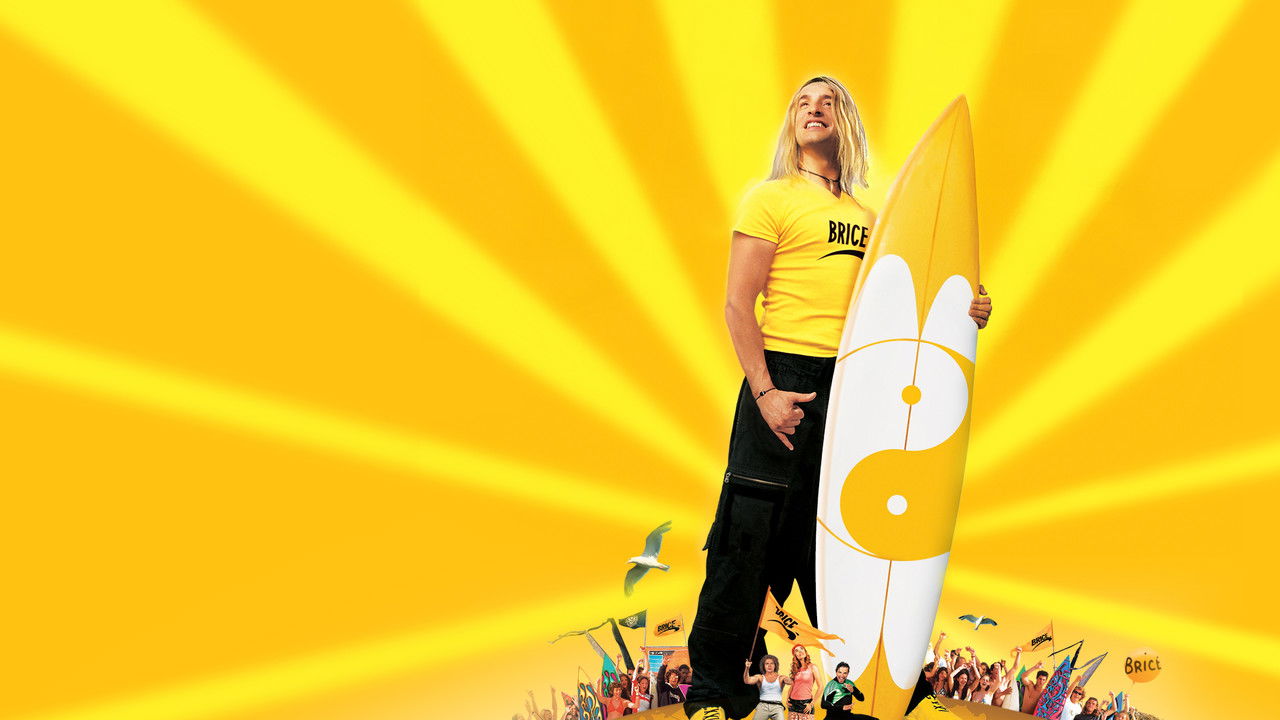
Before he was an Academy Award winner for The Artist (2011), Jean Dujardin was perfecting a very specific brand of physical comedy. He didn't just play Brice; he inhabited the character’s sheer, vacuous arrogance. Brice is a "Point Break" obsessive living in a luxury villa on the French Riviera, funded by his wealthy, absent father. He spends his days "surfing" the flat Mediterranean and his nights hosting parties where the main attraction is the "Casse"—The Burn.
The "Casse" is more than a joke; it’s a rhythmic, verbal slap. Brice waits for someone to say something earnest, then cuts them down with a sharp insult followed by a hand gesture mimicking a karate chop. It’s weaponized stupidity. Dujardin’s commitment to the bit is total. I watched this recently while drinking a lukewarm soda that had lost its fizz, and honestly, the film provided more carbonation than the drink ever could. His elastic facial expressions and the way he struts in his signature yellow T-shirt make it impossible to look away, even when the character is being an absolute nightmare.
A Mid-2000s Independent Gamble
Looking back at 2005, the French film industry was in an interesting place. While big-budget spectacles were trying to mimic the American CGI revolution, director James Huth took a character Dujardin had developed in his stage comedy days and blew him up to cinematic proportions on a relatively modest $4.3 million budget. This wasn't a studio-mandated franchise; it was a character-driven risk that paid off tenfold at the box office. It felt like a quintessential indie success story—a specific, weird vision that found its audience through sheer personality rather than a marketing machine.
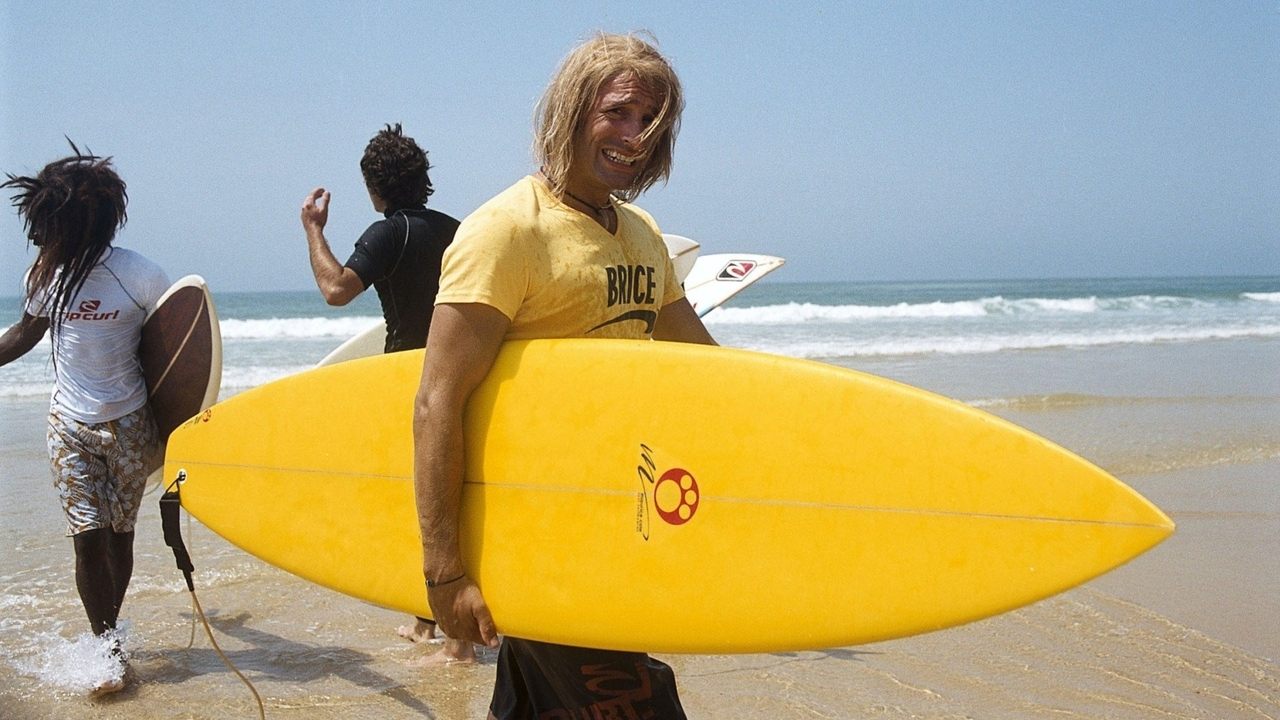
The film’s aesthetic is a fascinating time capsule. The cinematography by Philippe Piffeteau is hyper-saturated, making the Riviera look like a postcard from a fever dream. The special effects—particularly the climactic "big wave" Brice has been waiting for—show the era’s digital growing pains. It’s CGI that clearly knows its limits, used more for comedic punctuation than for realism. There’s a charm to that era of filmmaking where the digital tools were being used to enhance a joke rather than just to fill the screen with noise.
Synergy, Slapstick, and the Sidekicks
A comedy like this lives or dies on its ensemble, and Huth gathered a team that understood the assignment. Clovis Cornillac plays Marius de Fréjus, a man with remarkably strange toes who becomes Brice’s reluctant sidekick. Their chemistry is a classic "odd couple" pairing, but filtered through a lens of surrealism. Then there’s Bruno Salomone as Igor d'Hossegor, the rival surfer who represents everything Brice wishes he actually was.
The humor is a mix of high-energy slapstick and linguistic play that doesn't always translate perfectly into English subtitles, but the visual gags are universal. The film is essentially a live-action Looney Tunes episode. Whether it’s Brice’s inability to understand how gravity works or his elaborate morning routine involving a cardboard cutout of Patrick Swayze, the film trusts its premise enough to never blink. It’s a movie that asks you to turn off the cynical part of your brain and just ride the (non-existent) wave.
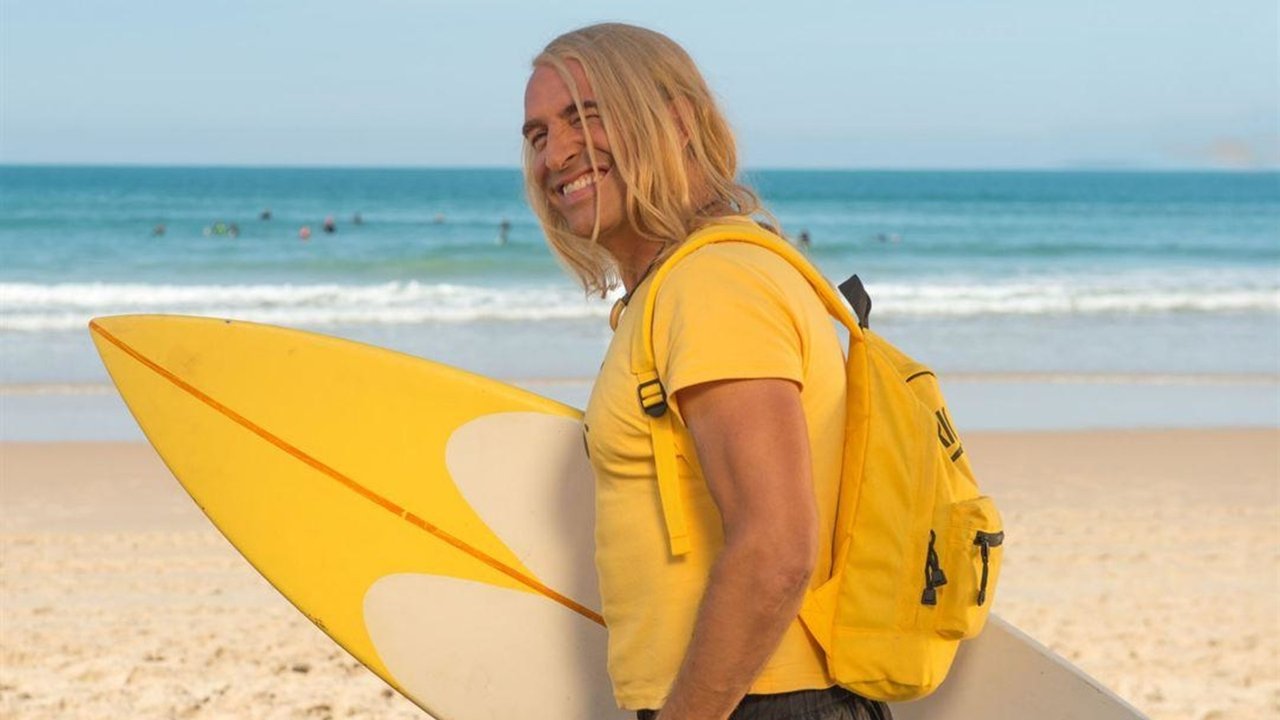
The Brice Man is a fascinating relic of the early 2000s that proves how much can be achieved with a singular, absurd idea and a lead actor willing to look completely ridiculous. It’s not "elevated" comedy, and it doesn't try to be. Instead, it’s a bright, loud, yellow explosion of French pop culture that reminds me of why we go to the movies in the first place: to see something we’ve never seen before, even if that something is a 30-year-old man in a wetsuit trying to high-five the ocean. It’s a film that captured a moment in time before social media memes existed, essentially creating a meme through sheer force of will.
If you can find the DVD—the kind with the bright yellow case that probably still smells like 2005—it’s well worth the 98-minute trip to the Riviera. Just don’t expect to learn anything about actual surfing. As Brice would say, you've been "Casse'd."
Keep Exploring...
-
Rubber
2010
-

Bend It Like Beckham
2002
-
Waiting...
2005
-
The Night Before the Exams
2006
-
Dead Snow
2009
-

Fanboys
2009
-
Camping
2006
-
Four Rooms
1995
-

Tremors 2: Aftershocks
1996
-
The Inbetweeners Movie
2011
-
A Haunted House
2013
-
Don Jon
2013
-
The To Do List
2013
-
A Haunted House 2
2014
-
Tusk
2014
-
Two Night Stand
2014
-
Taxi 2
2000
-

Don't Die Too Hard!
2001
-
Taxi 3
2003
-
RRRrrrr!!!
2004