The Chronicles of Narnia: The Lion, the Witch and the Wardrobe
"Evil is no match for a family of four."
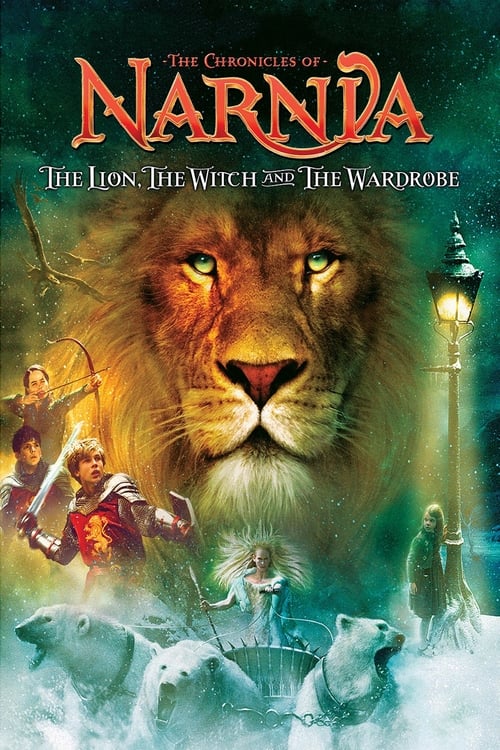
I distinctly remember sitting in a sticky-floored multiplex in 2005, clutching a bag of overpriced gummy bears, and feeling a legitimate sense of betrayal when Edmund Pevensie sold out his entire family for a box of Turkish Delight. I’d never tasted the stuff, so I assumed it was the culinary equivalent of enlightenment. Years later, I finally tried a piece at a local fair and realized it basically tastes like perfume-scented gelatin. Edmund wasn't just a traitor; he had terrible taste in snacks.
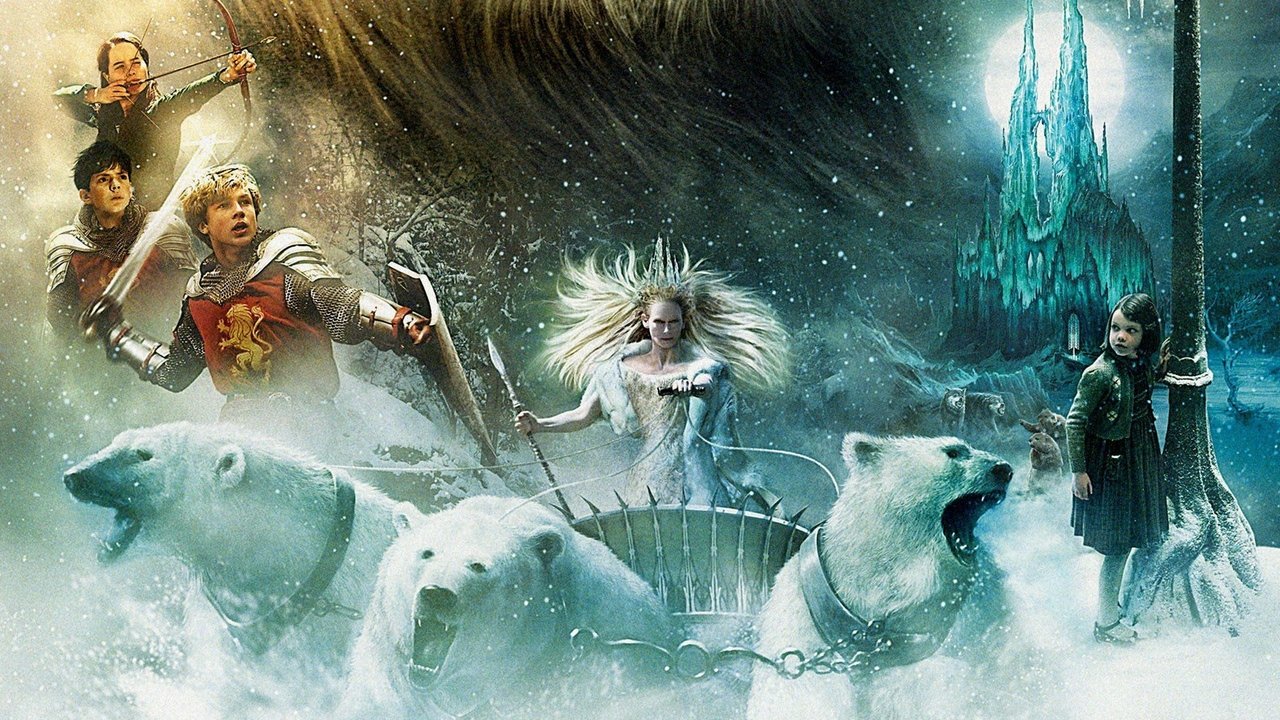
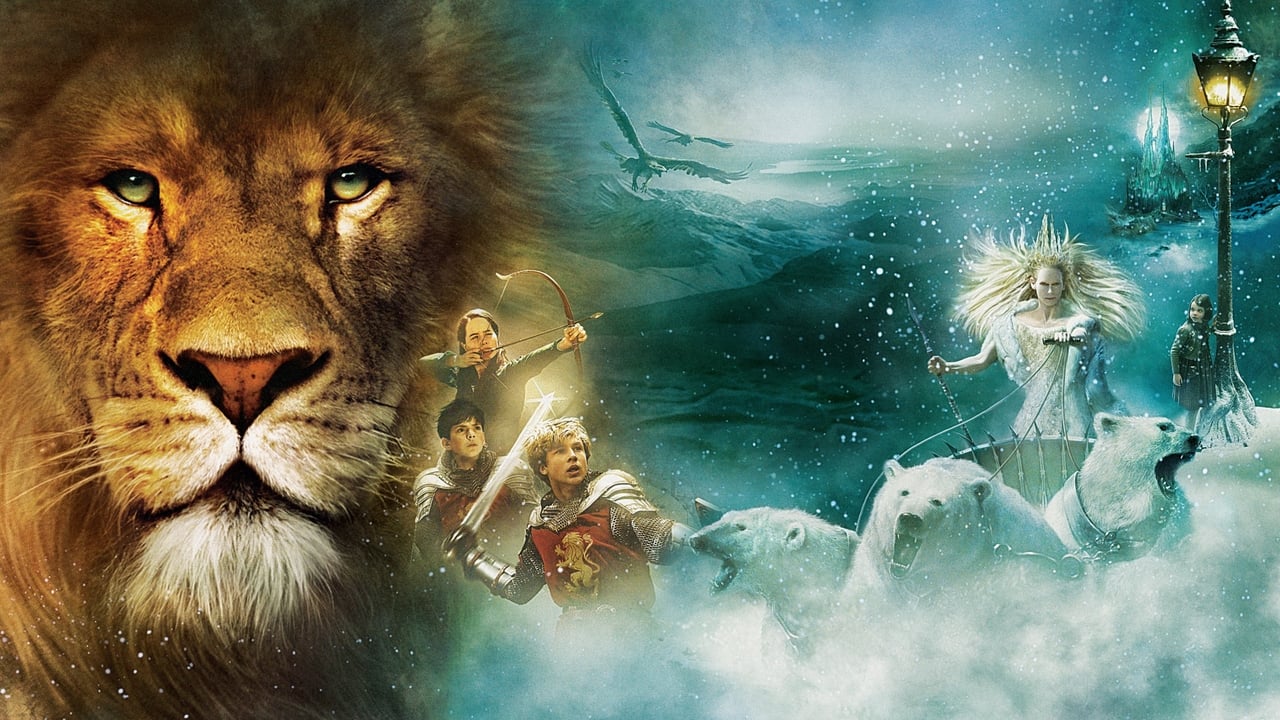
That’s the thing about The Chronicles of Narnia: The Lion, the Witch and the Wardrobe—it’s a film built on the specific, tactile sensations of childhood. It’s the crunch of dry snow under a boot, the weight of a heavy fur coat, and the terrifying realization that the adults in charge have absolutely no idea what they’re doing. Revisiting it nearly twenty years later, I’m struck by how well it anchors its high-fantasy stakes in the very real, very dusty atmosphere of 1940s England.
The Great Fantasy Arms Race
By 2005, Hollywood was in the middle of a frantic "Fantasy Arms Race." The Lord of the Rings had just swept the Oscars, and Harry Potter was a cultural juggernaut. Disney, desperate for their own piece of the magical pie, handed $180 million to Andrew Adamson—a man who had previously only directed Shrek movies—and told him to bring C.S. Lewis’s beloved world to life.
Looking back, this was a massive gamble. Unlike the sprawling geography of Middle-earth, Narnia is a more intimate, metaphorical world. It’s a fairy tale with teeth. Adamson’s masterstroke was leaning into the "Modern Cinema" transition of the era: blending heavy-duty practical effects with the burgeoning power of CGI. While many films from 2005 now look like muddy PlayStation 2 cutscenes, Narnia holds up surprisingly well. The decision to have Weta Workshop (the wizards behind King Kong and LOTR) handle the creature designs meant that for every digital wolf, there was a physical, breathing animatronic or a human in a prosthetic suit.
Icons, Ice Queens, and Inquisitive Kids
The casting here is almost suspiciously perfect. Most child actors in the mid-2000s were directed to be "precocious," but Georgie Henley (Lucy) and Skandar Keynes (Edmund) feel like actual siblings who might occasionally want to shove each other into a ditch. Georgie Henley's reaction to seeing the lamppost for the first time wasn't even acting; Adamson kept her blindfolded until the cameras were rolling so her look of pure, jaw-dropping wonder was 100% genuine.
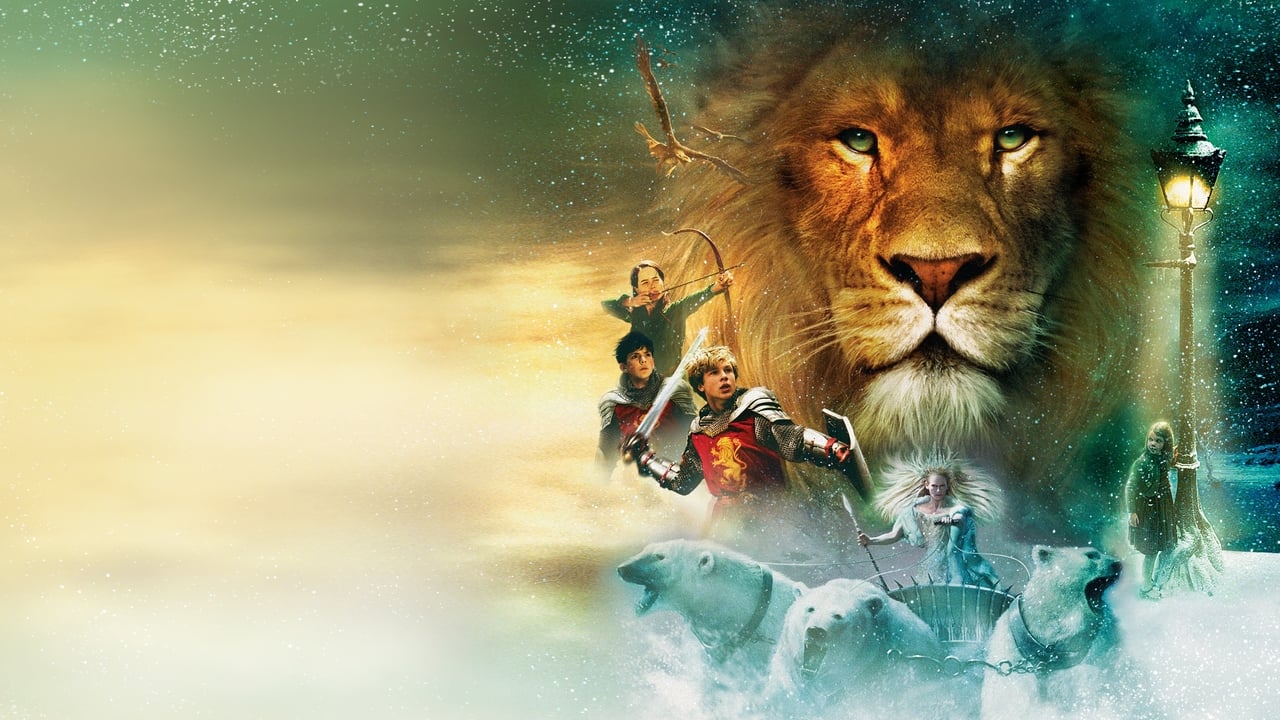
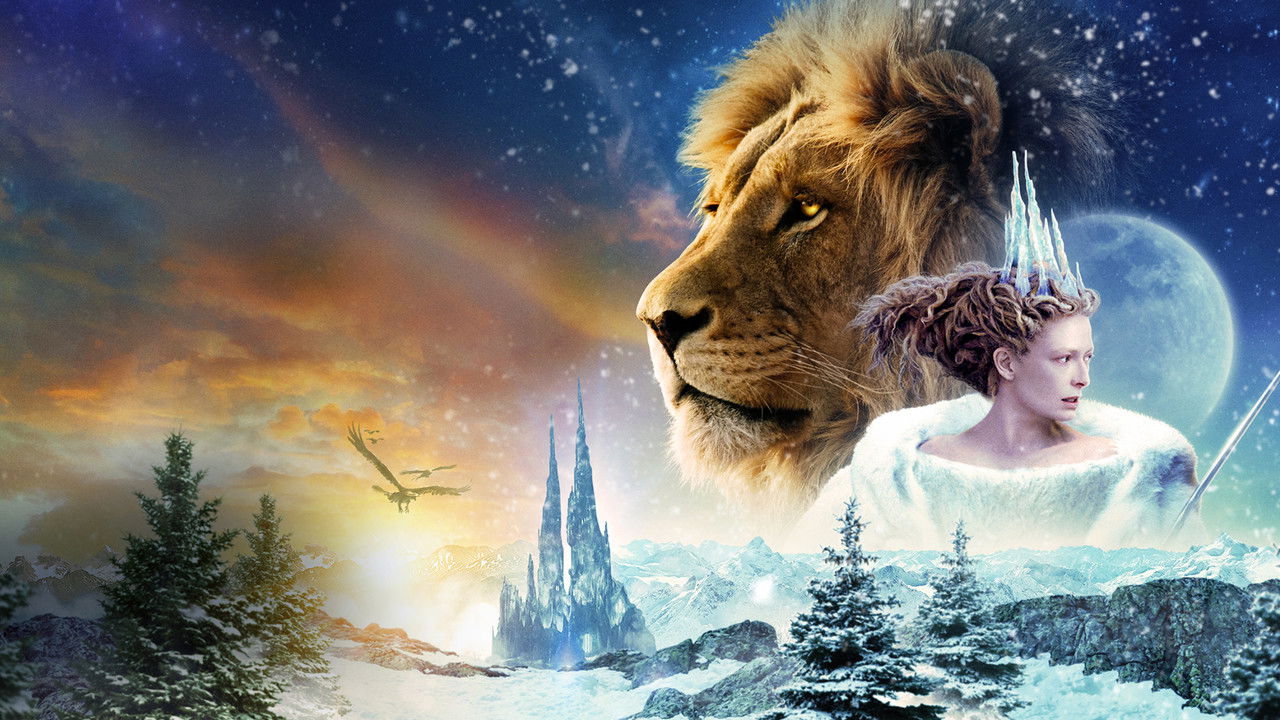
On the flip side, we have Tilda Swinton as the White Witch. In an era where villains were often loud and hammy, Swinton went the other way. She is terrifyingly still. Her Jadis isn't a cackling hag; she’s an aristocrat who will offer you a warm drink while she decides where to bury your body. She’s the personification of "eternal winter but never Christmas." When she squares off against Liam Neeson’s voice (as the majestic, digital Aslan), it doesn't feel like a cartoon battle. It feels like a clash of ideologies. Neeson’s voice has enough bass to rattle your ribcage, providing the necessary weight to a character that could have easily felt like a stuffed toy.
The Scale of the Spectacle
The final battle at Beruna is where the film really earns its "Blockbuster" status. This wasn't just a group of kids playing in the woods; it was a massive, $745 million global phenomenon that proved audiences were hungry for earnest, large-scale storytelling. The sequence where the Griffin-riders drop boulders on the Witch’s army still gives me chills.
What’s fascinating in retrospect is the film’s post-9/11 DNA. There’s a palpable anxiety about children being sent away to escape a war, only to find themselves drafted into a different one. The Pevensies aren't just "chosen ones" because a prophecy said so; they are kids forced to grow up in the shadow of a blitz. When William Moseley (Peter) draws his sword, he looks terrified, not heroic. That vulnerability is what makes the adventure feel earned. The sword-swinging is great, but the shaking hands are better.
Stuff You Might Not Have Noticed
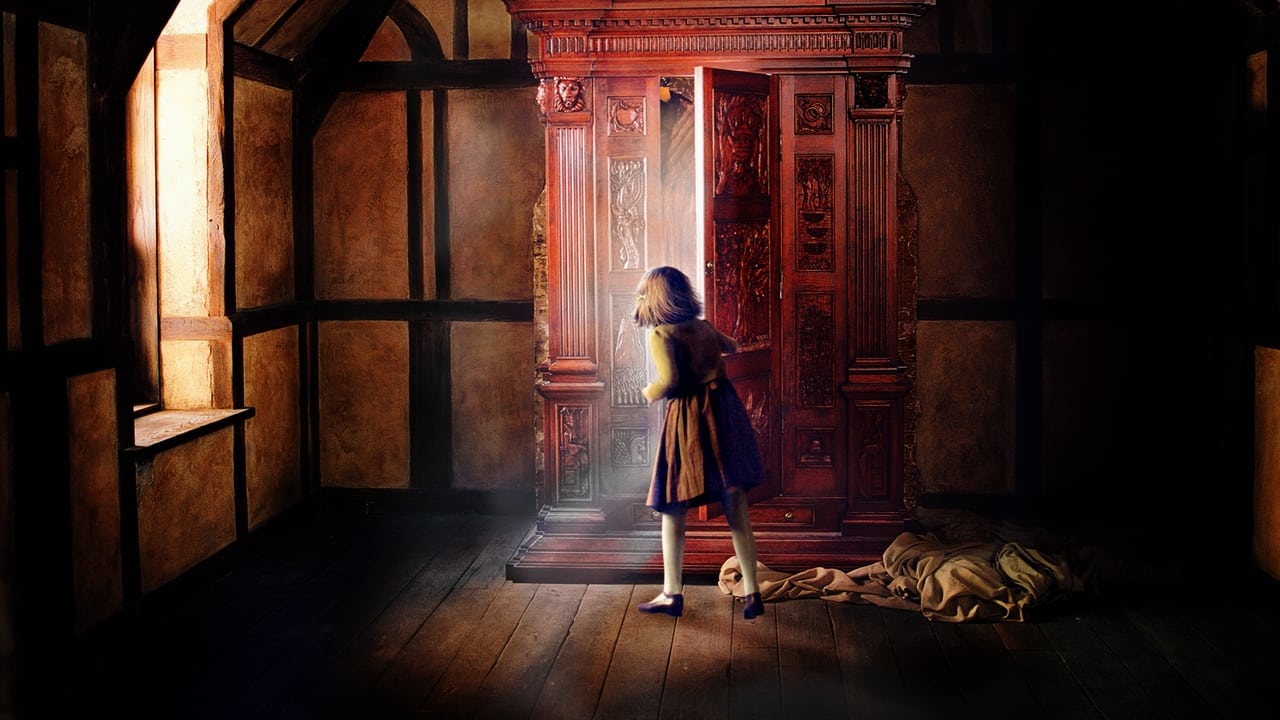
Interestingly, the production was so massive that they actually had to import fake snow from the US to their New Zealand sets because the real stuff was melting too fast under the studio lights. Also, if you look closely at the CGI animals during the climactic battle, you'll see the early fingerprints of the technology that would eventually lead to Avatar. The film also served as a major launching pad for James McAvoy, who plays Mr. Tumnus with such a heartbreaking mix of guilt and kindness that you almost forget he’s wearing a pair of prosthetic goat legs.
The film isn't without its era-specific quirks—the pacing in the middle act can feel a bit "DVD chapter-friendly," and some of the smaller digital creatures haven't aged as gracefully as Aslan. However, as a piece of pure adventure filmmaking, it remains a high-water mark for the 2000s. It captures that rare, elusive feeling of stepping into a world that is much older and much more dangerous than you. It reminds me that the best adventures aren't the ones where everything is easy, but the ones where you find out who you are when the world turns cold.
Just skip the Turkish Delight. Trust me on that one.
Keep Exploring...
-
The Chronicles of Narnia: Prince Caspian
2008
-
The Chronicles of Narnia: The Voyage of the Dawn Treader
2010
-
Shrek 2
2004
-
Shrek
2001
-
Charlie and the Chocolate Factory
2005
-

Night at the Museum
2006
-
Horton Hears a Who!
2008
-
Alice in Wonderland
2010
-
How to Train Your Dragon
2010
-
Shrek Forever After
2010
-
The Lego Movie
2014
-

The SpongeBob SquarePants Movie
2004
-
Inkheart
2008
-
Hook
1991
-
Jumanji
1995
-

Puss in Boots
2011
-

Frozen
2013
-
How to Train Your Dragon 2
2014
-
Maleficent
2014
-
Return to Never Land
2002