The Constant Gardener
"Truth is a rare specimen."
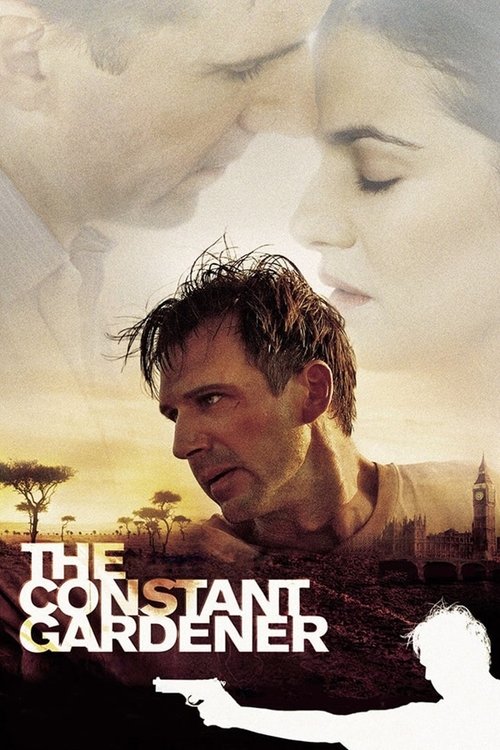
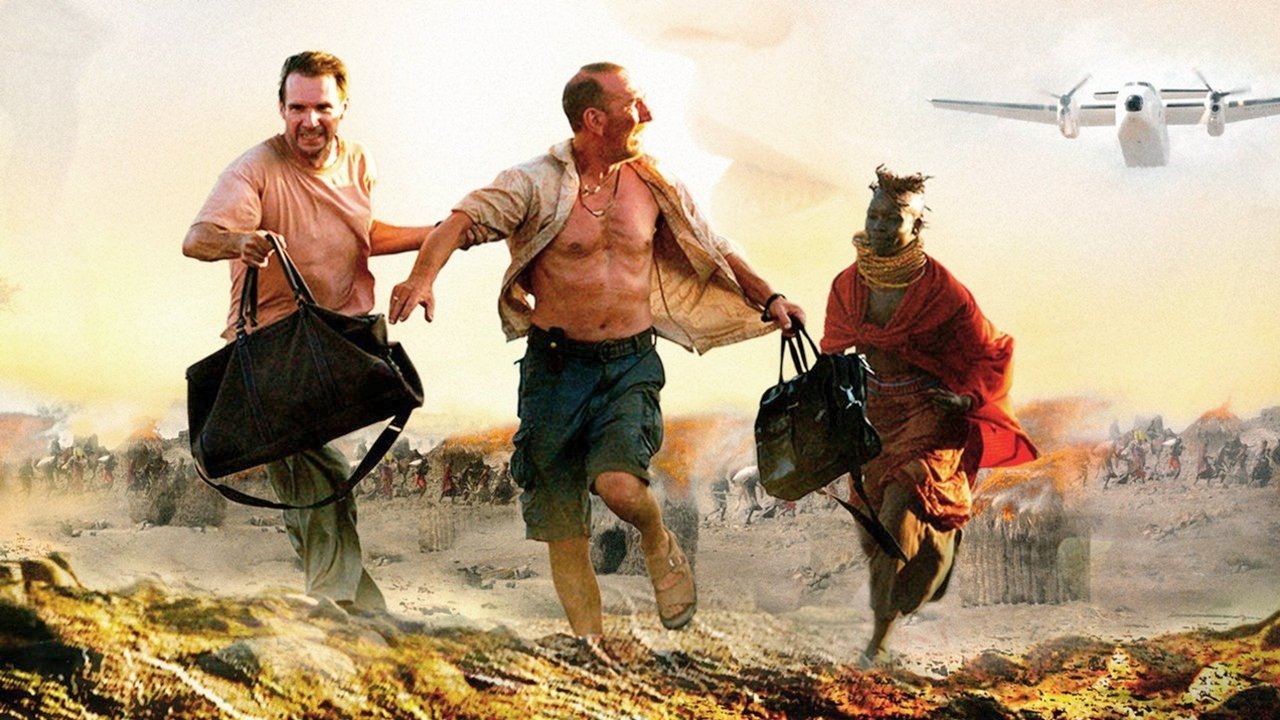
I’ll be honest: I usually find "diplomatic thrillers" about as exciting as watching a spreadsheet calculate. There’s often a dry, dusty quality to films where men in linen suits murmur about trade agreements in wood-paneled rooms. But when I first sat down to watch The Constant Gardener—distracted by the fact that I was eating slightly burnt popcorn I refused to throw away out of sheer stubbornness—I realized within ten minutes that director Fernando Meirelles had no intention of making a "dry" movie. This isn't a lecture on ethics; it’s a fever dream of grief and corporate malpractice that feels like it’s vibrating right off the screen.
Coming off the massive success of City of God (2002), Meirelles brought that same frantic, kinetic energy to the world of John le Carré. While the 2000s were saturated with post-9/11 anxieties and the rise of the "shaky-cam" aesthetic (thanks, Bourne), The Constant Gardener uses that visual chaos for something more intimate. It’s a detective story where the detective is a man who just wants to go back to his garden, and the "clues" are the haunting memories of a wife he realized he never truly knew.
A Masterclass in Quiet Intensity
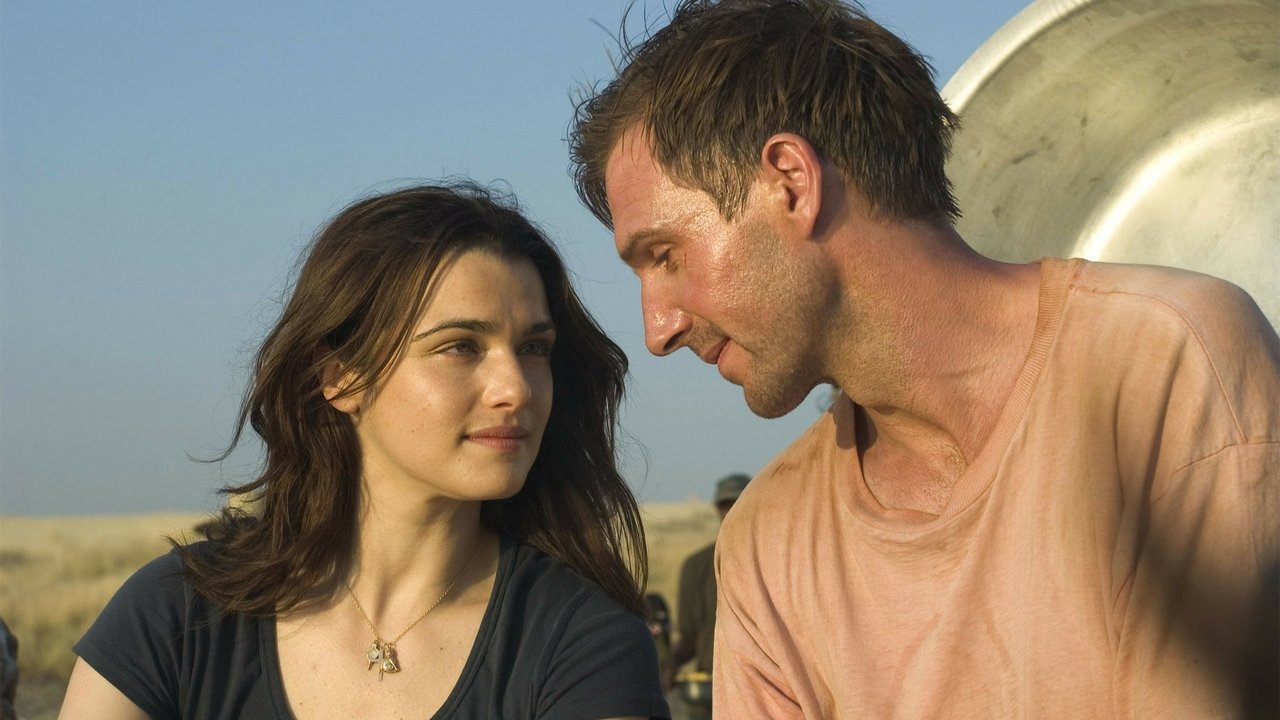
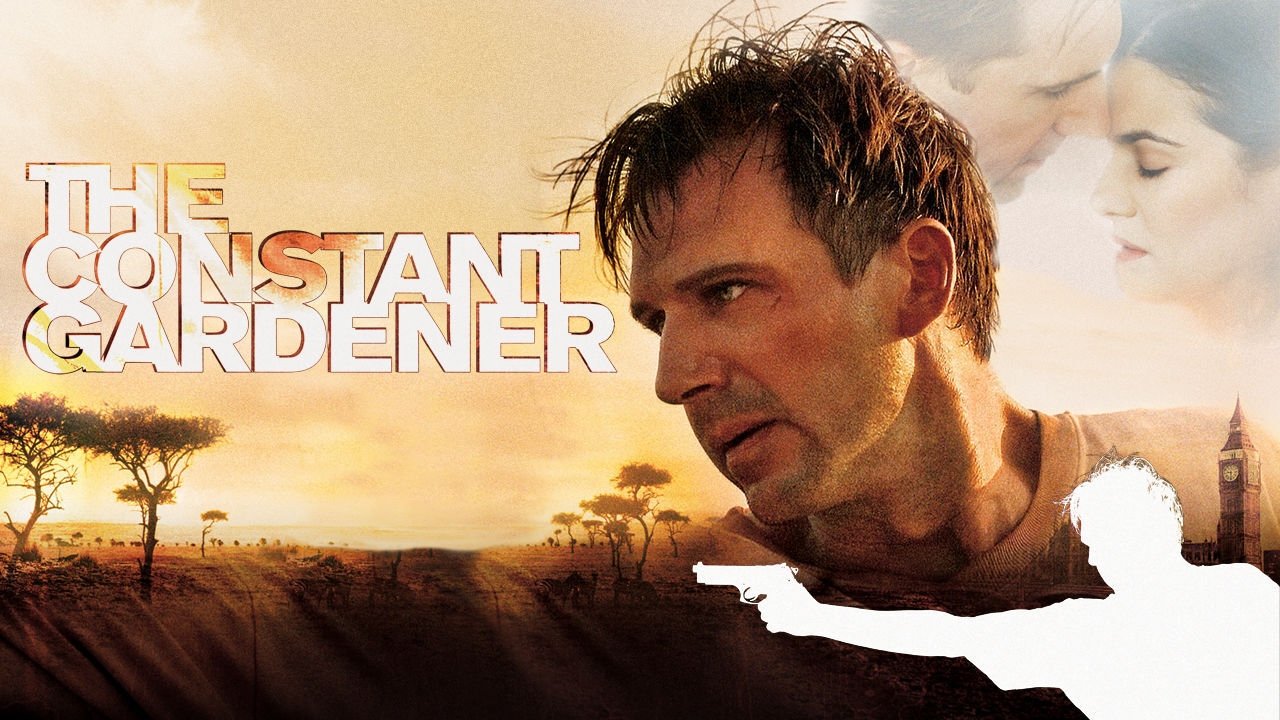
We often see Ralph Fiennes playing high-status villains or cold intellectuals (think Schindler's List or The Menu), but here he is devastatingly vulnerable as Justin Quayle. He’s a "low-level" diplomat, the kind of guy who apologizes for existing. Watching him navigate the vibrant, overwhelming streets of Kenya while trying to piece together why his activist wife, Tessa, was murdered is heartbreaking. Fiennes plays Justin with a repressed British stiffness that slowly cracks, and it’s arguably the most human performance of his career. Ralph Fiennes is the only actor who can make looking at a leaf feel like a high-stakes action sequence.
Then there’s Rachel Weisz. She won an Oscar for this, and it’s easy to see why. Tessa is the fire to Justin’s ice. Through a series of non-linear flashbacks, we see her as a whirlwind of righteous fury and secrets. Their chemistry works because it’s so unlikely; she’s a radical, he’s a bureaucrat. The film convinces you that they were the only two people in the world who truly mattered to each other, even if they were speaking different languages most of the time.
The Mid-2000s Prestige Peak
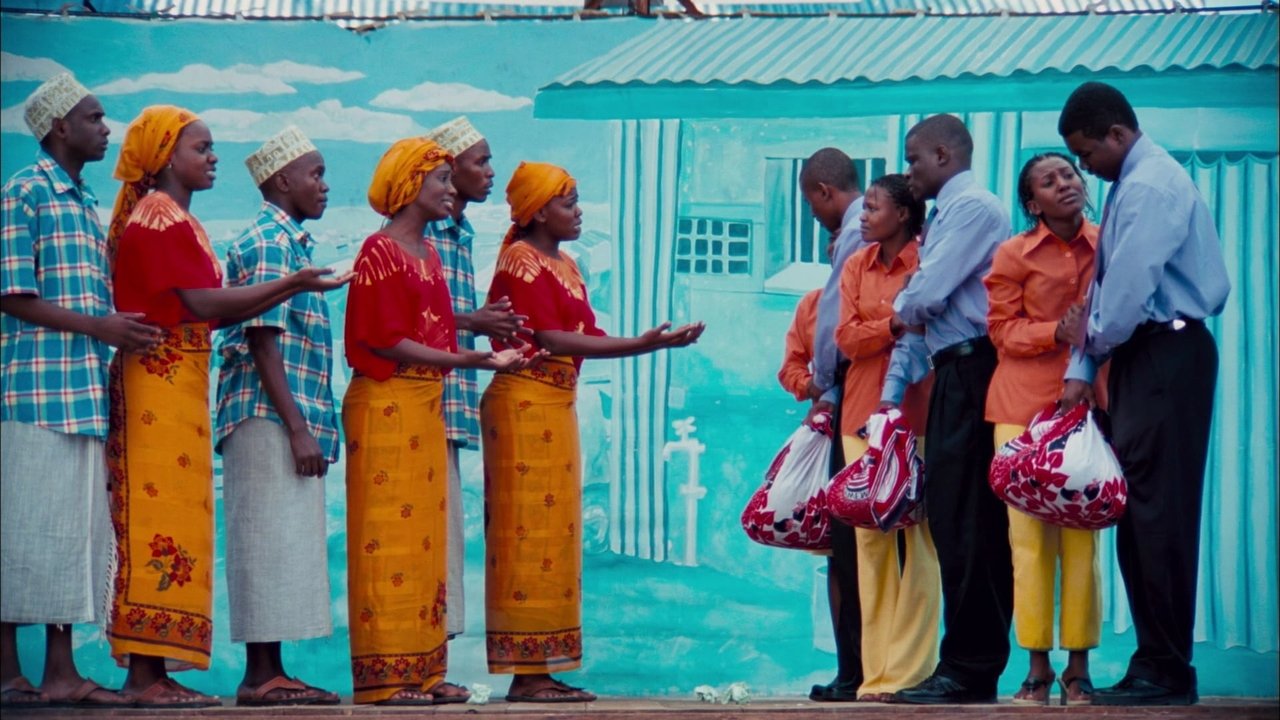
Looking back, 2005 was a fascinating moment for cinema. It was the height of the "DVD culture" boom, where we’d all spend hours pouring over special features. I remember the behind-the-scenes segments for this film showing how Meirelles and cinematographer César Charlone shot in the actual slums of Kibera. They didn't just build a set; they integrated the production into the community. This gives the film a lived-in, sweating reality that CGI-heavy modern thrillers completely lack.
The film also captures that specific mid-2000s distrust of "Big Pharma" and global corporatization. Before the MCU formula took over the box office, we had this brief window where big-budget, adult-oriented political dramas were the main event. It feels like a relic from a time when studios were willing to spend $25 million on a movie that asks uncomfortable questions about how the West treats the Global South as a laboratory. The British diplomatic corps, as depicted here, is basically just high-school drama with better tailoring and more paperwork.
Behind the Scenes of the Conspiracy
The supporting cast is a "who’s who" of reliable British talent. Bill Nighy (Love Actually) shows up as Sir Bernard Pellegrin, and he is terrifyingly smooth. He represents the "polite" face of evil—the kind that signs a death warrant while offering you a gin and tonic. Danny Huston also puts in a great, greasy performance as Sandy Woodrow, a man caught between his conscience and his career.
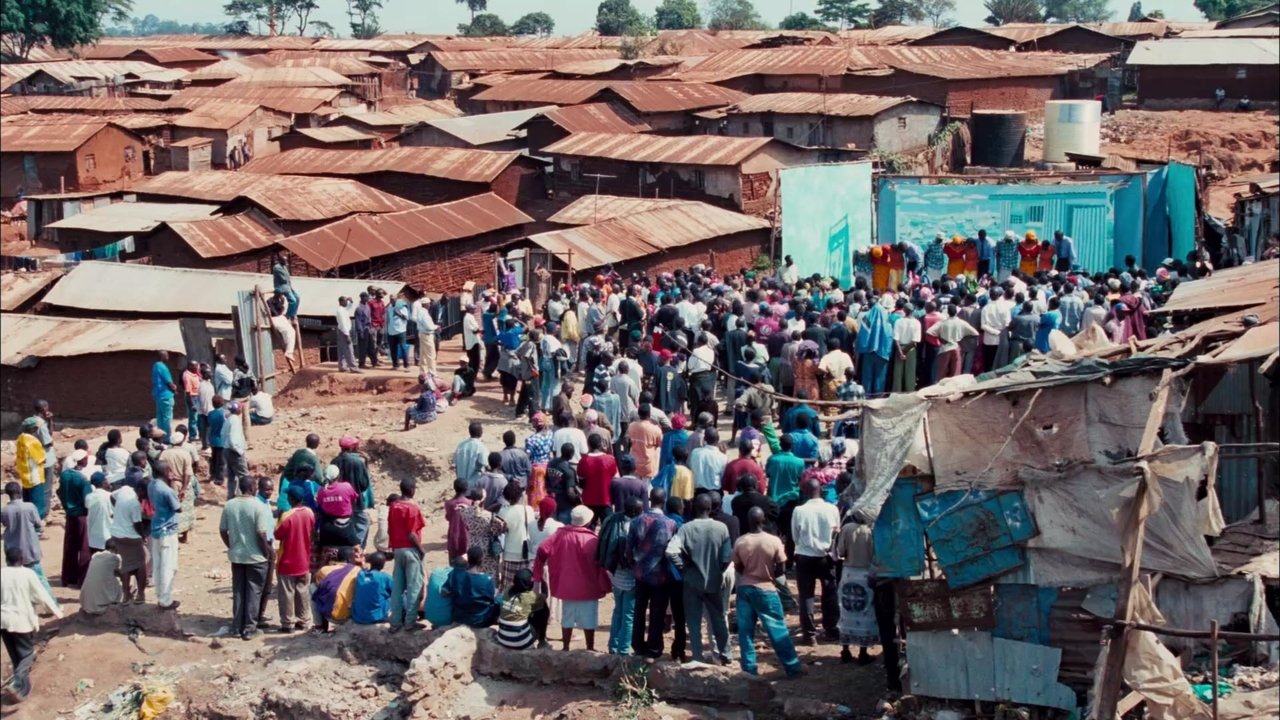
One of the coolest details I’ve discovered about the production is that the "Constant Gardener Trust" was actually established by the crew during filming to help provide education and basic facilities for the people in the areas where they shot. It’s rare to see a film's real-world impact mirror its onscreen themes so directly. The cinematography also deserves a shout-out; Charlone used different color palettes for different locations—saturated, hot ambers for Kenya and cold, sterile blues for London—which helps you keep track of the jumping timeline without needing a map.
The Constant Gardener is a rare bird: a political thriller with a soul. It manages to be a sprawling conspiracy story about pharmaceutical testing and a tiny, intimate story about a husband’s regret all at once. While some of the editing transitions feel a bit "MTV-circa-2005" by today's standards, the emotional core is timeless. It’s a film that demands your attention and rewards it with a gut-punch of a finale that stays with you long after the credits roll.
If you’ve missed this one in the shuffle of the last two decades, find a quiet evening to dive in. It’s a reminder of what happens when a visionary director is given a great script and a cast that isn't afraid to get their hands dirty. Just maybe skip the burnt popcorn—you’ll want to be able to hear every whispered secret and every heartbeat.
Keep Exploring...
-
Blindness
2008
-
Spider
2002
-

Pride and Glory
2008
-
K-19: The Widowmaker
2002
-
Edge of Darkness
2010
-

The Gift
2000
-
Gosford Park
2001
-
Joy Ride
2001
-
The Pledge
2001
-
The Score
2001
-
Infernal Affairs
2002
-
Caché
2005
-

Revolver
2005
-
The Jacket
2005
-
Inland Empire
2006
-
Tell No One
2006
-
In the Valley of Elah
2007
-
Chloe
2010
-
What Lies Beneath
2000
-
Basic
2003