The Devil's Rejects
"Bad people doing bad things in the beautiful, dying sun."
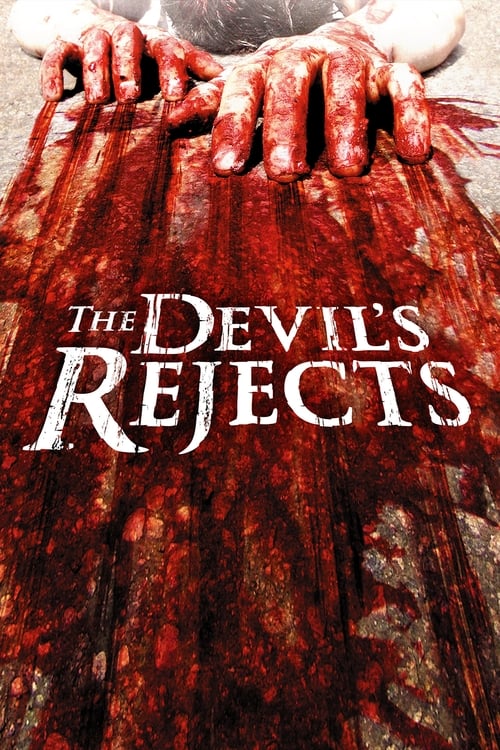
Rob Zombie spent the early 2000s trying to prove he wasn’t just a rock star playing dress-up with a 16mm camera, but it wasn’t until he traded the neon-soaked spookshow aesthetic of his debut for sun-bleached, nihilistic sadism that he truly found his cinematic voice. While House of 1000 Corpses was a caffeinated love letter to the funhouse horrors of the 80s, its 2005 sequel, The Devil’s Rejects, is a completely different beast. It’s a gritty, grease-stained road movie that feels less like a horror flick and more like a lost Sam Peckinpah western where the outlaws are literal serial killers.
I watched this most recently on a sweltering Tuesday afternoon while drinking a lukewarm Diet Pepsi and trying to ignore a persistent fruit fly that seemed determined to commit suicide in my glass. The heat in my apartment actually helped; this is a movie that looks and feels like it smells of stale cigarettes, unwashed denim, and cheap gasoline.
A Road Trip Through the Grime
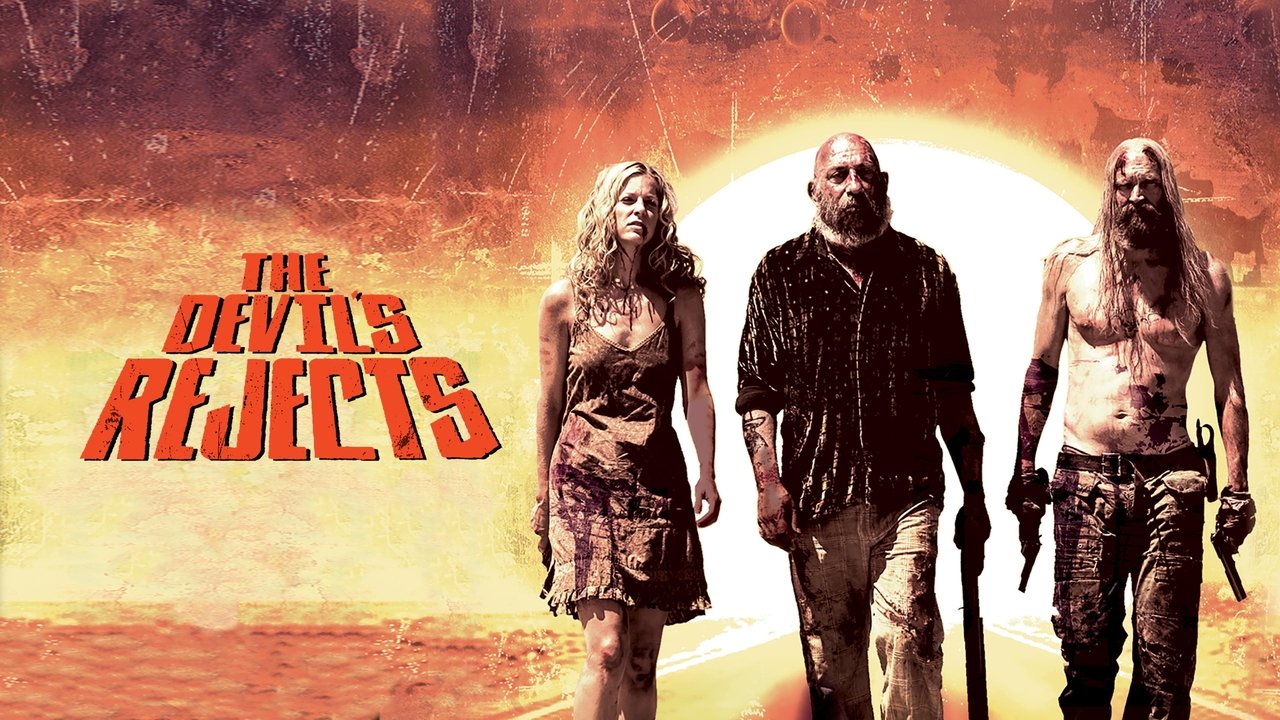
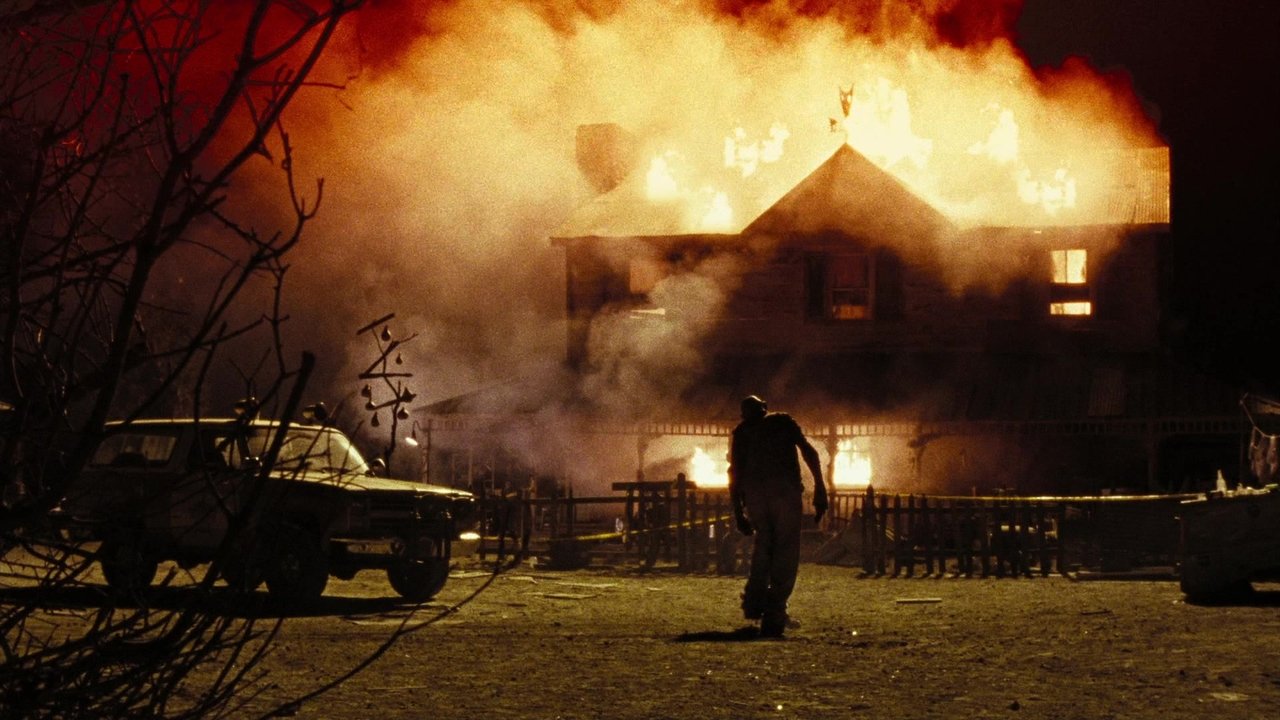
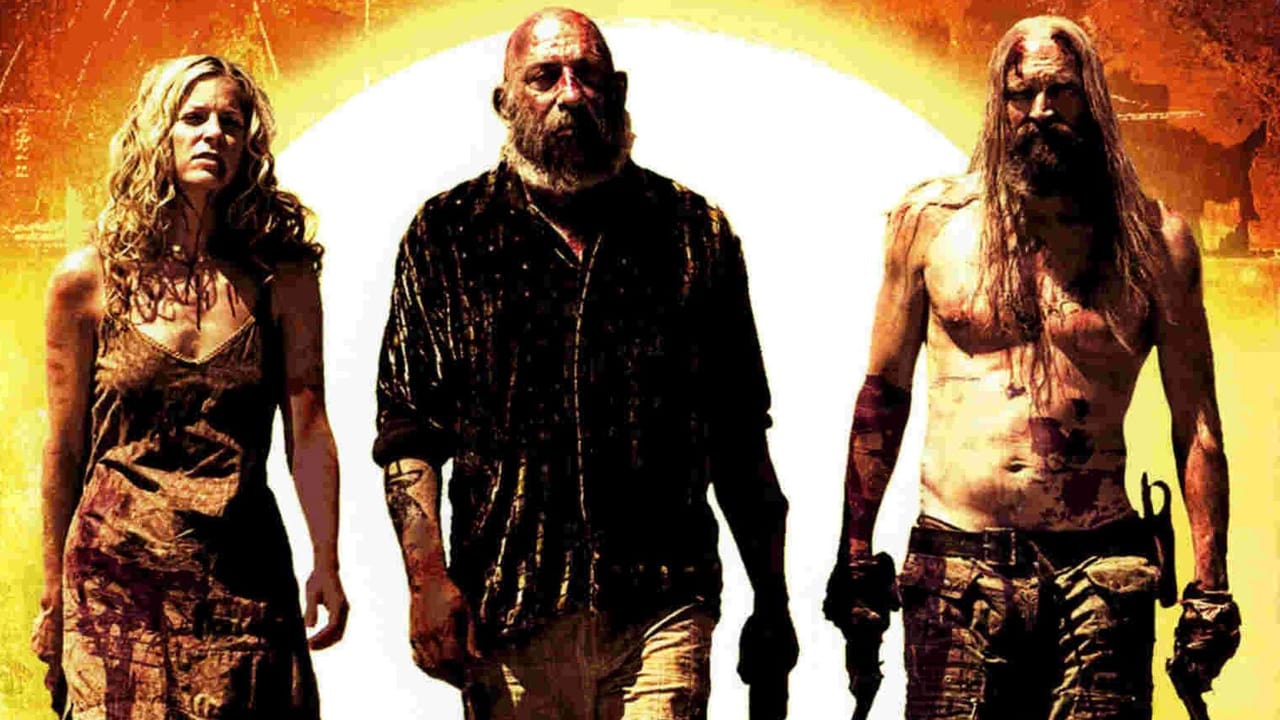
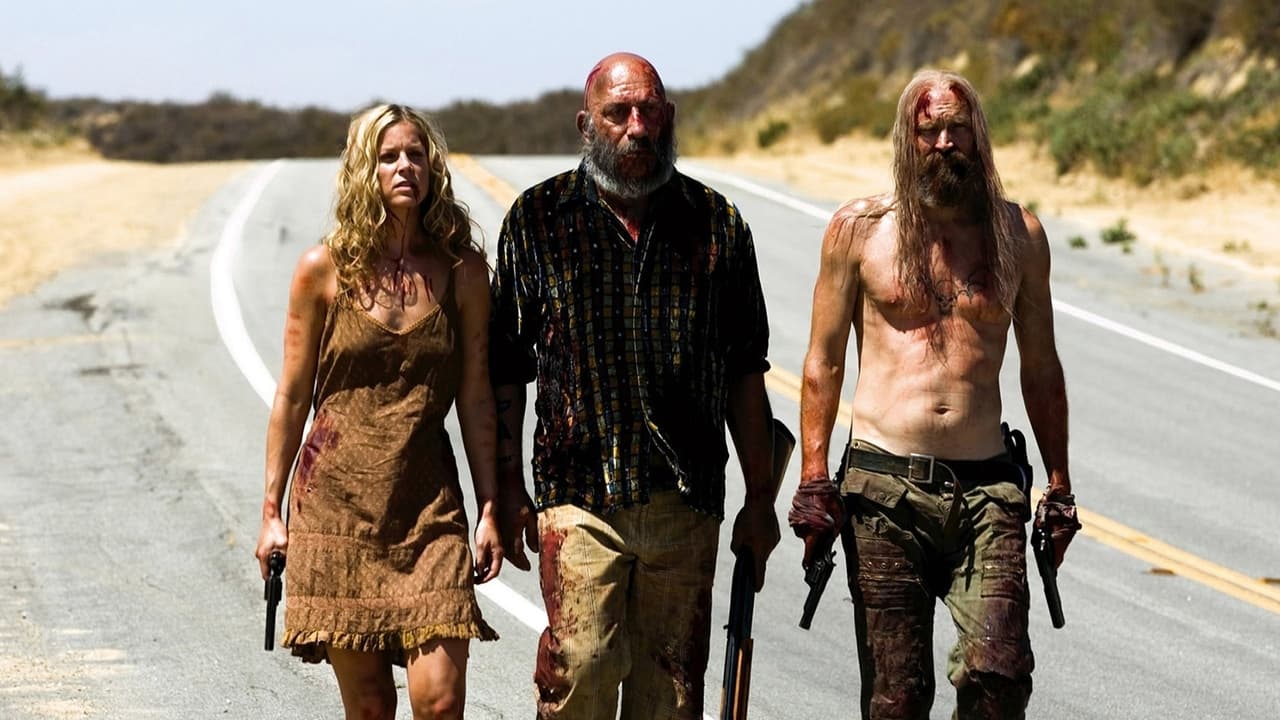
The film picks up in the aftermath of the first movie’s carnage, with the police finally raiding the Firefly family’s dilapidated farmhouse. But instead of a triumphant end to a reign of terror, we get a desperate escape. Three members of the clan—the clown-painted Captain Spaulding (Sid Haig), the spindly and philosophical Otis (Bill Moseley), and the manic Baby (Sheri Moon Zombie)—hit the road, leaving a trail of broken bodies in their wake.
What strikes me every time I revisit this is the radical shift in tone. Gone is the music-video editing and the psychedelic filters. In their place is a grainy, handheld naturalism that makes the violence feel uncomfortably real. It’s a film that leans heavily into the "Dirty 70s" revivalism that was popular in the mid-2000s—think The Texas Chainsaw Massacre remake or Hostel—but Zombie has a better ear for dialogue than his contemporaries. He gives these monsters a bizarre, domestic shorthand. Watching them argue over ice cream or chicken skin makes them human, which, in a way, makes their casual cruelty significantly harder to stomach. I’ve always felt that this movie is the cinematic equivalent of a cigarette extinguished in a bowl of lukewarm chili; it’s unpleasant, lingering, and strangely captivating.
The Sheriff Who Lost the Script
The real genius of the script lies in the character of Sheriff John Quincy Wydell, played with a terrifying, righteous fury by William Forsythe. In any other movie, Wydell would be the hero. He’s the lawman seeking justice for his murdered brother. But as the film progresses, Wydell descends into a madness that rivals the Fireflies. He starts believing he’s on a mission from God, justifying torture and murder in the name of vengeance.
By the time the third act rolls around, I found my moral compass spinning wildly. You’re watching a group of repulsive murderers being hunted by a man who has lost his soul, and the film refuses to give you a "good guy" to root for. It’s a bold choice that reflects the post-9/11 anxieties of its era—a time when the lines between "us" and "them" were being blurred in the name of national security and retribution. William Forsythe is the MVP here, delivering a performance that is equal parts Shakespearean and grindhouse. He doesn't just chew the scenery; he devours it and spits out the splinters.
The Legend of the DVD Bonus Feature
For those who grew up in the peak DVD era, The Devil's Rejects was a gold standard for home media. I remember poring over the "30 Days in Hell" documentary included on the disc, which showed the grueling, low-budget reality of the shoot. It’s a fascinating look at how Rob Zombie fought the MPAA to keep the film’s R-rating. Apparently, the original cut was so grim it was threatened with an NC-17, not just for the gore, but for the "sustained tone of soul-crunching unpleasantness."
The film also served as a wonderful retirement home for 70s cult icons. Seeing Ken Foree (the hero of the original Dawn of the Dead) as a pimp named Charlie Altamont and Geoffrey Lewis as a terrified victim adds a layer of film-history literacy that casual viewers might miss. It’s a movie made by a guy who clearly spent his youth in the back row of a flea-ridden midnight cinema, and that authenticity carries it through its nastier moments.
While the film was a modest hit in 2005, it has since become something of a "forgotten giant" in mainstream circles, often dismissed as just another "torture porn" entry. But that’s a disservice. Looking back, the practical effects (no CGI blood here, thank god) and the sun-drenched cinematography by Phil Parmet have aged remarkably well. It’s a film that exists in the dirt, and it wears that dirt with pride.
The film concludes with one of the most iconic endings in horror history—a slow-motion shootout set to Lynyrd Skynyrd’s "Free Bird" that manages to be both tragic and exhilarating. It’s a moment of pure cinematic bravado that almost tricks you into mourning these monsters. The Devil's Rejects isn't for everyone; it’s loud, offensive, and deeply cynical. But as a piece of pure, uncompromising vision from a director who knew exactly what kind of hell he wanted to build, it’s a masterpiece of the macabre. Seek it out, but maybe skip the meatball sub while watching.
Keep Exploring...
-
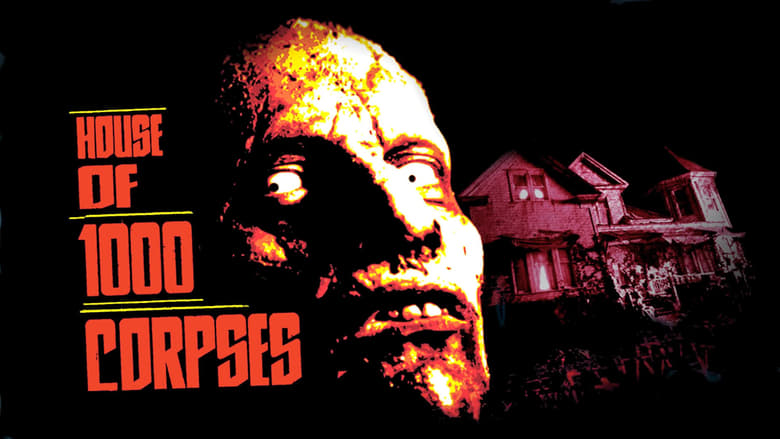
House of 1000 Corpses
2003
-
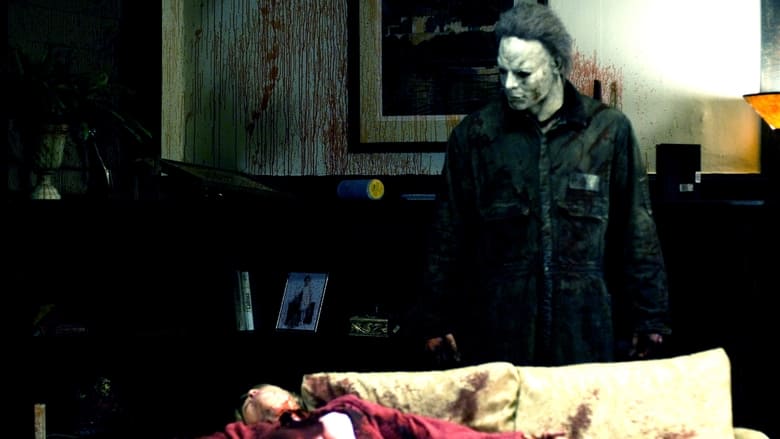
Halloween
2007
-
The Last House on the Left
2009
-
The Exorcism of Emily Rose
2005
-
Untraceable
2008
-

The Gift
2000
-
The Man Who Wasn't There
2001
-
The Pledge
2001
-
Confessions of a Dangerous Mind
2002
-
The Mothman Prophecies
2002
-
Alpha Dog
2006
-
Gridiron Gang
2006
-

Inland Empire
2006
-
Undisputed II: Last Man Standing
2006
-
United 93
2006
-
Before the Devil Knows You're Dead
2007
-
In the Valley of Elah
2007
-
Michael Clayton
2007
-
We Own the Night
2007
-
Appaloosa
2008