The Exorcism of Emily Rose
"Science on trial, the Devil in the details."
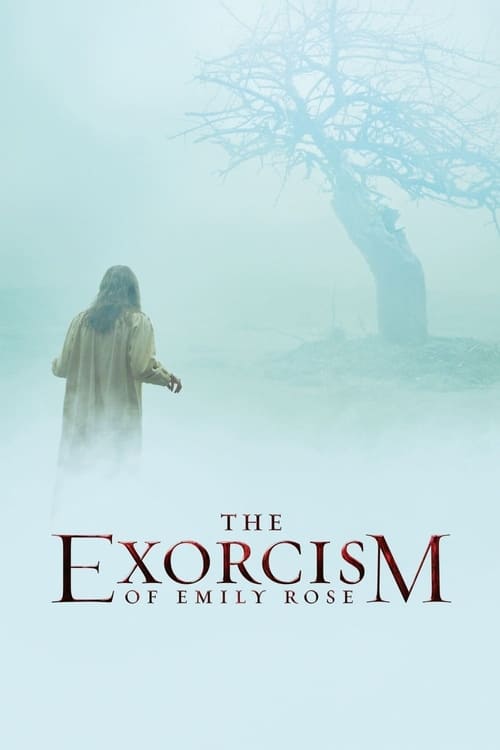
There is a specific, bone-chilling sound that Jennifer Carpenter makes in this film—a guttural, multi-tonal rasp—that lives in the back of my skull to this day. It’s not the sound of a Hollywood scream queen; it’s the sound of someone being physically unmade. I actually watched this for the first time on a laptop with a dying battery while staying in a drafty cabin in the woods, which is the cinematic equivalent of leaving the front door unlocked and inviting a demon to move in. Every time the floorboards creaked that night, I was certain my "internal clock" was ticking toward 3:00 AM.
The Courtroom vs. The Crypt
The Exorcism of Emily Rose arrived in 2005, a year when horror was largely obsessed with the "torture porn" of Saw or the slick J-horror remakes like The Ring. Director Scott Derrickson (who later gave us the terrifying Sinister and joined the MCU for Doctor Strange) decided to do something far more ambitious. He smashed a supernatural horror movie into a rigid, mahogany-paneled legal drama. It’s essentially Law & Order: Special Possession Unit, and the friction between those two genres is exactly why it still works.
By framing the story through the trial of Father Moore (Tom Wilkinson), the film forces you to play juror. You’re presented with two competing narratives for the tragic death of a college student. On one side, Campbell Scott’s Ethan Thomas provides the rational, scientific explanation: Emily suffered from psychosis and epilepsy, and the "exorcism" was a case of fatal medical negligence. On the other side, Laura Linney’s Erin Bruner—an agnostic defense attorney—has to argue that the "unthinkable" is the only thing that fits the facts. Watching Laura Linney try to litigate the existence of the Devil while maintaining her professional dignity is a masterclass in controlled anxiety.
A Physicality Beyond CGI
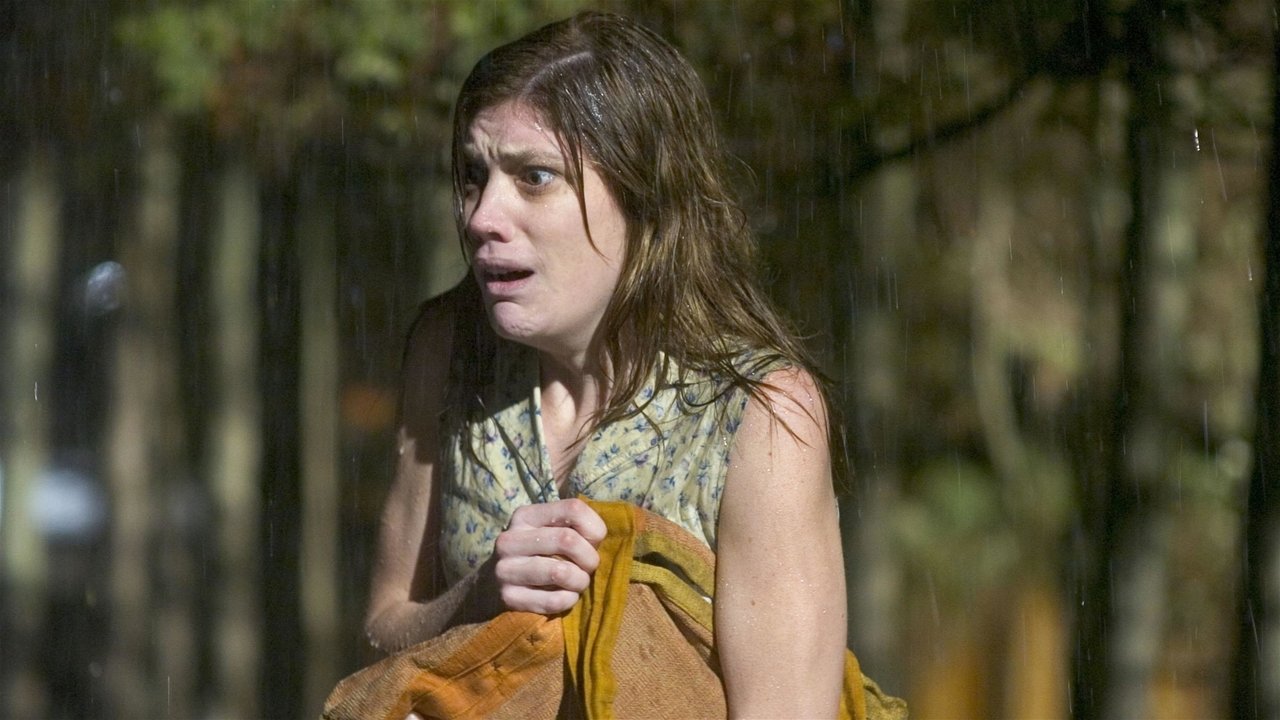
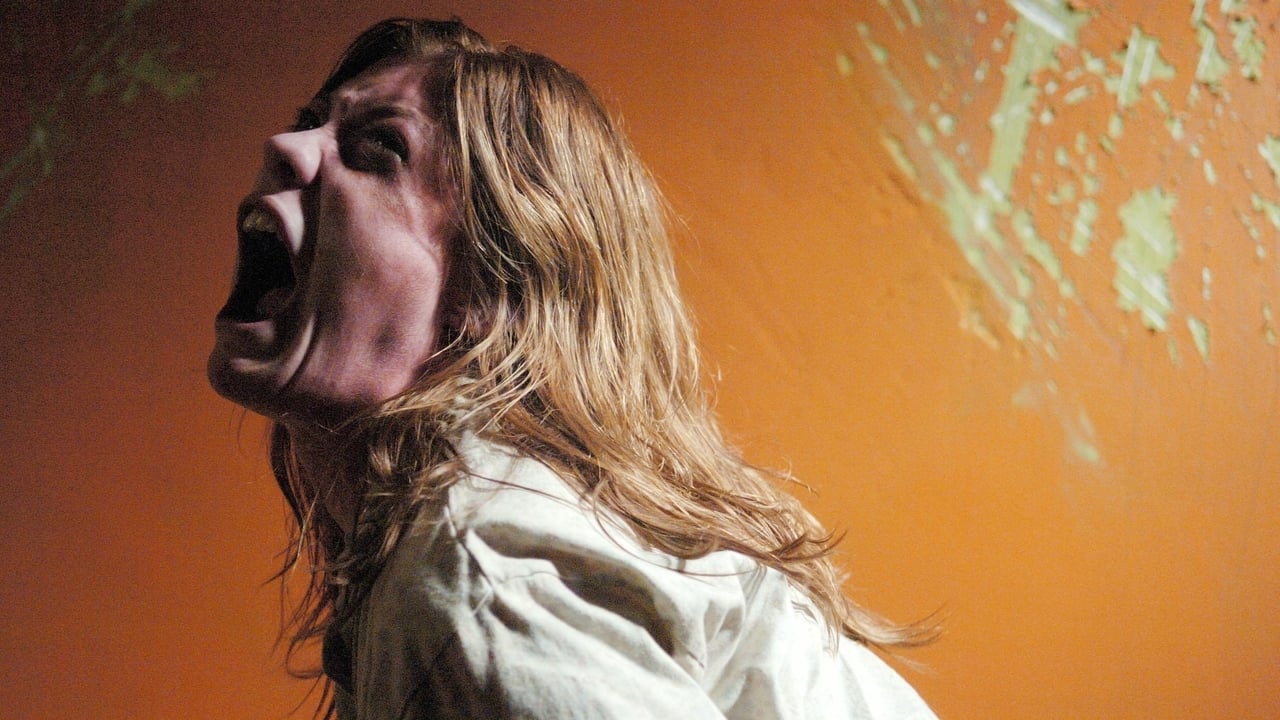
In the mid-2000s, we were right in the thick of the "CGI everything" revolution. If a character needed to look possessed, directors usually reached for a digital brush. Derrickson, however, leaned on the sheer, terrifying physicality of Jennifer Carpenter. Most of those horrific contortions—the snapping joints, the arched back, the way her body seems to fold in ways biology shouldn't allow—were done by Carpenter herself, without the help of wires or digital effects.
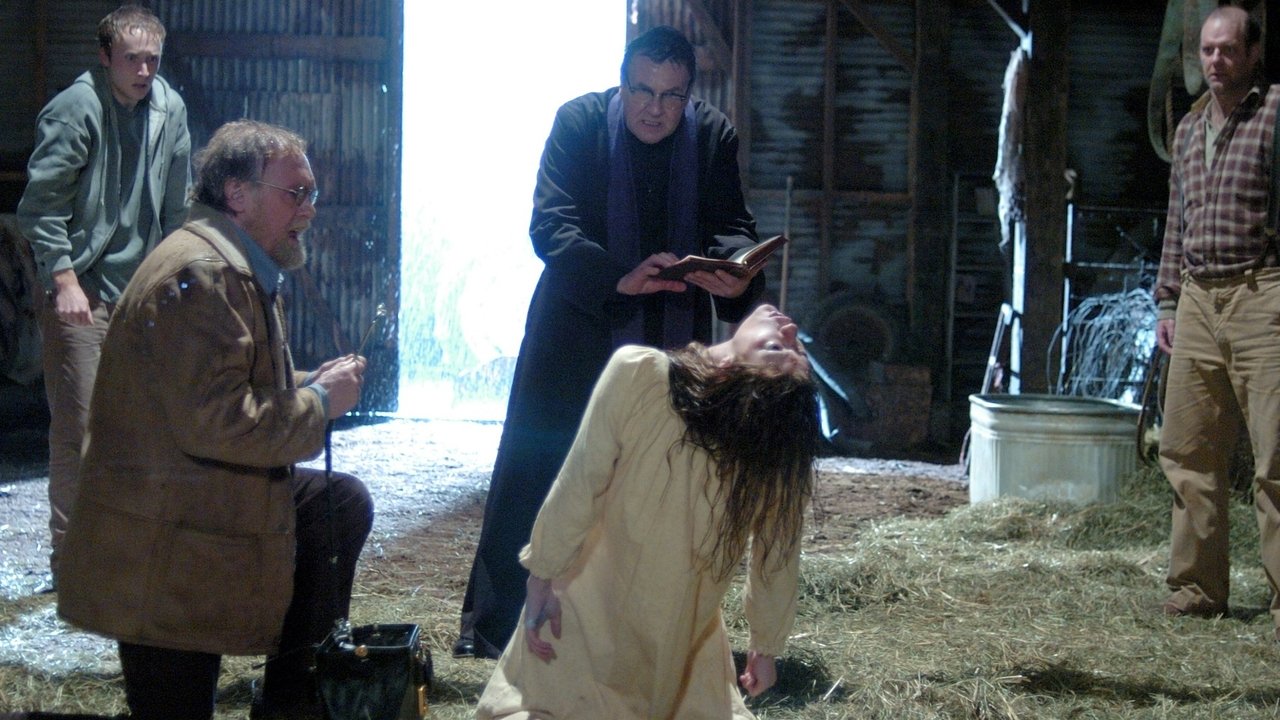
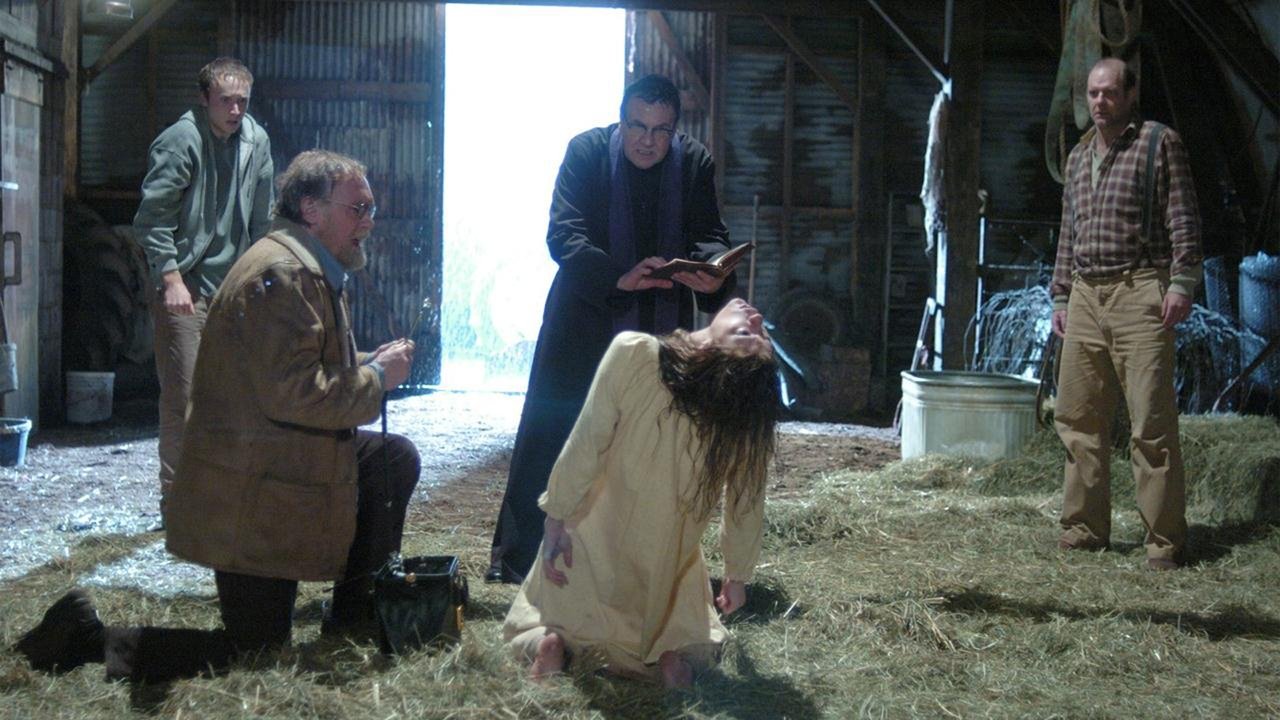
This grounded approach makes the horror feel tactile. When Emily eats bugs or screams in a barn, it doesn't feel like a visual effect; it feels like a medical emergency. Jennifer Carpenter deserved an Oscar nomination for the sheer caloric output of this performance alone. She manages to make Emily a sympathetic, tragic figure while simultaneously being the scariest thing on screen. The film doesn't rely on jump scares as much as it relies on the "uncanny valley" of a human body doing things it was never meant to do.
The Legend of the 3 AM Wake-Up Call
The film’s cultural footprint is massive, largely because it weaponized the "3:00 AM" trope. Before this movie, 3:00 AM was just a time for a late-night snack; after 2005, it became the "Witching Hour" (or the mocking of the Holy Trinity) for an entire generation. This was peak DVD culture, and I remember the "Special Features" and "True Story" documentaries on the disc being as widely discussed as the film itself.
The production was famously plagued by weird occurrences—the kind of stuff that marketing departments love, but that genuinely freaks out a crew. Jennifer Carpenter reported that her clock radio would spontaneously turn itself on in the middle of the night, specifically playing Pearl Jam’s "Alive," particularly the "I'm still alive" lyric. Tom Wilkinson also reportedly experienced strange activity in his hotel room. Whether you believe in the "curse" or just think it was a bunch of tired actors with overactive imaginations, it added a layer of meta-textual dread to the film’s release.
Financially, the movie was a juggernaut. It turned a modest $19 million budget into over $145 million worldwide. It proved that audiences were hungry for "prestige horror"—films that treated the genre with the same respect as a somber Oscar-bait drama. It also tapped into that post-9/11 anxiety where we were all collectively questioning our institutions—be they medical, legal, or religious.
Ultimately, The Exorcism of Emily Rose succeeds because it refuses to give you the easy out of a "big CGI monster" finale. It leaves you in the uncomfortable middle ground between faith and logic. It’s a film that respects the audience's intelligence enough to let them decide what really happened in that barn. While the courtroom scenes can occasionally feel a bit dry compared to the terrifying flashbacks, the performances from Linney, Wilkinson, and especially Carpenter keep the stakes feeling life-or-death. It’s a rare horror film that stays with you long after the credits roll, mostly because it makes you very, very aware of exactly what time it is when you wake up in the middle of the night.
Keep Exploring...
-
Deliver Us from Evil
2014
-
Untraceable
2008
-
The Last House on the Left
2009
-

Traffic
2000
-
Panic Room
2002
-

Inside Man
2006
-
Saw III
2006
-

Saw IV
2007
-

Saw V
2008
-
Vantage Point
2008
-
The Town
2010
-

Sinister
2012
-
The Hole
2001
-
Hannibal
2001
-
xXx
2002
-
Collateral
2004
-
The Ring Two
2005
-
Fast & Furious
2009
-
The Girl with the Dragon Tattoo
2009
-
Michael Clayton
2007