The Jacket
"Your life is waiting in a morgue drawer."
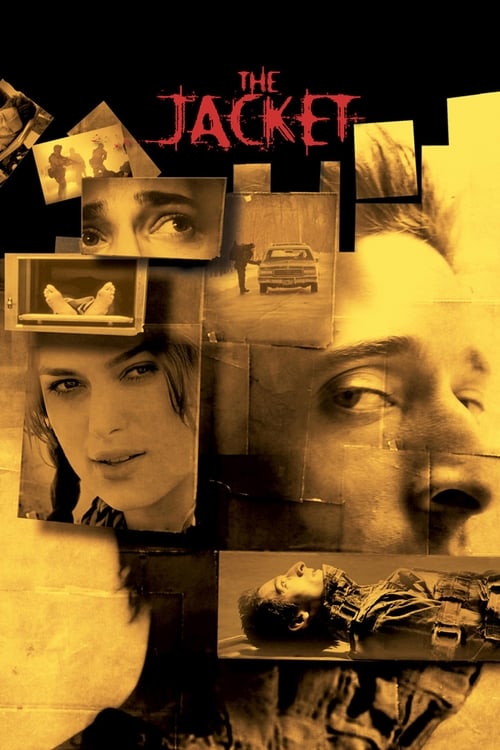
I remember watching this for the first time on a long-haul flight while the toddler in the seat behind me practiced his kickboxing routine against my lower back. Usually, that’s a recipe for a miserable viewing experience, but for The Jacket, the physical discomfort actually worked. I felt as trapped and jittery as Adrien Brody’s character, Jack Starks. It’s one of those mid-2000s anomalies that arrived with a prestige cast, a Ridley Scott/George Clooney production pedigree, and then… just kind of evaporated.
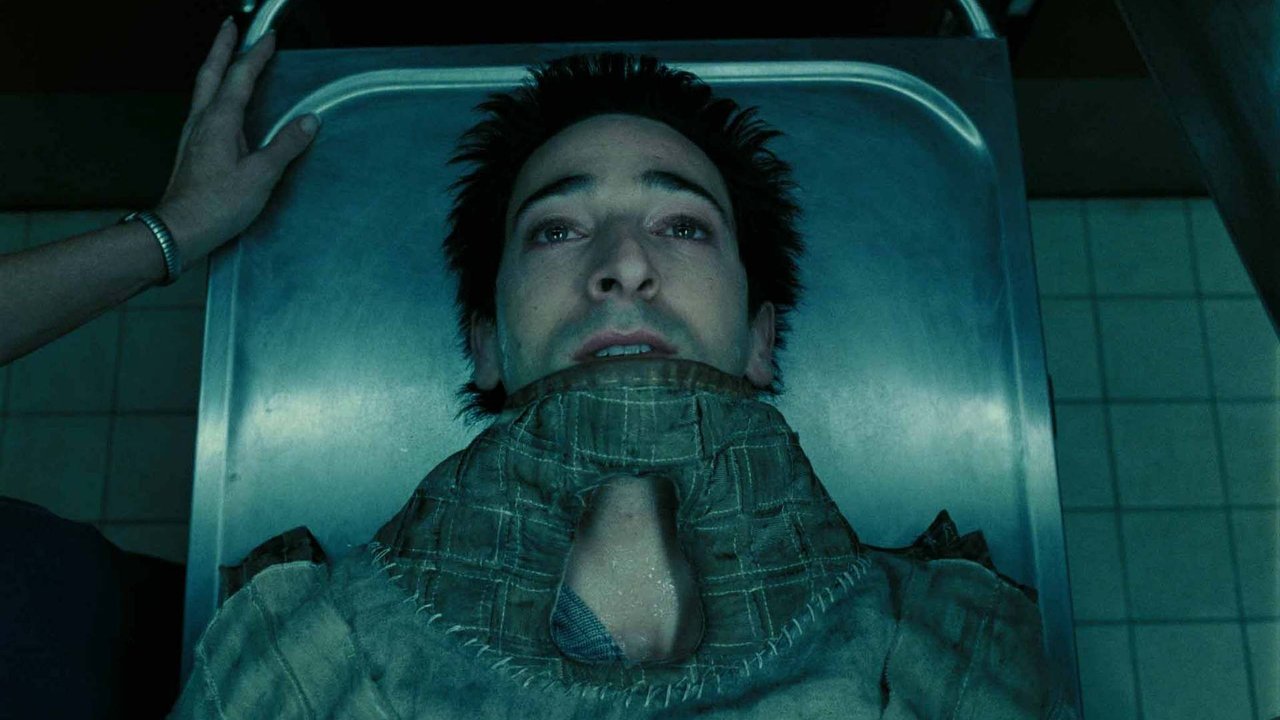
If you missed it, you aren't alone. It’s a film that sits in that strange "Modern Cinema" pocket where digital editing was starting to get really experimental, and Hollywood was still willing to gamble $29 million on a cerebral, depressing sci-fi drama that didn't involve a single explosion. Looking back, it’s a fascinating relic of an era when we were obsessed with time-loops and psychological fractured-reality stories—think The Butterfly Effect (2004) or Stay (2005)—but it handles its "brain-break" with a lot more soul than its peers.
The Box and the Brain
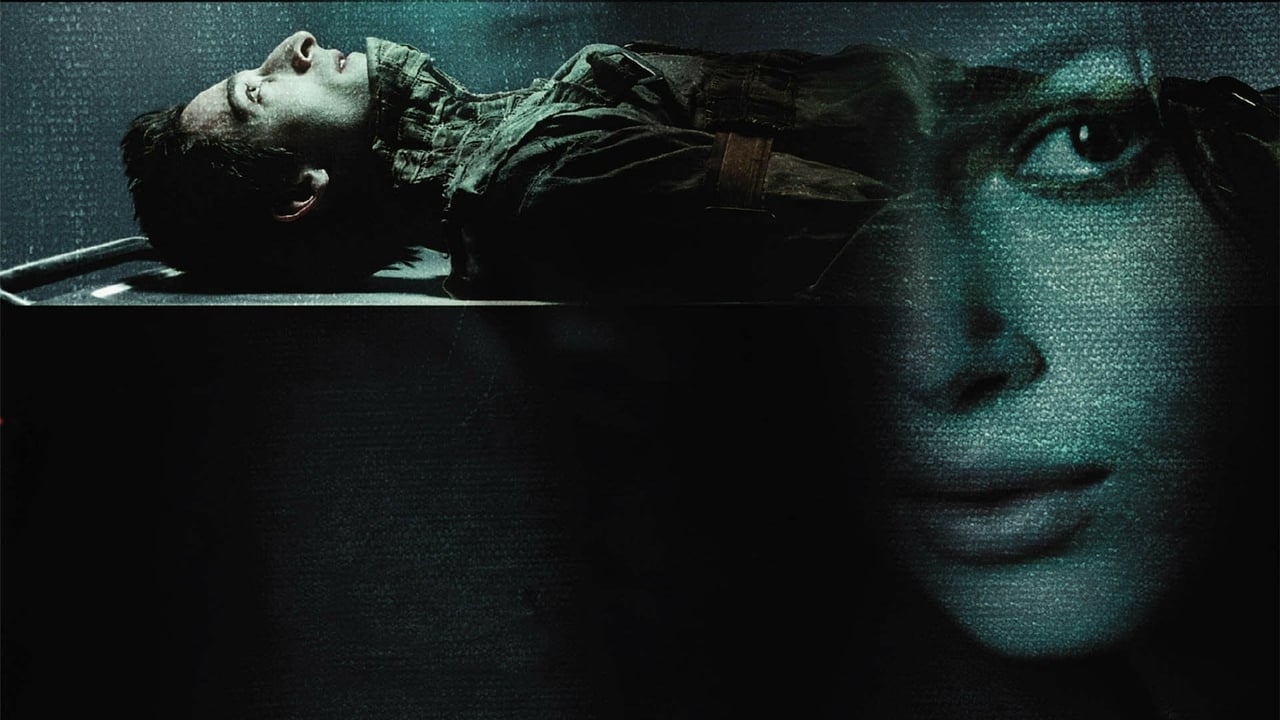
The setup is pure nightmare fuel. Jack Starks (Adrien Brody) is a Gulf War veteran who survives a literal bullet to the head, only to be framed for the murder of a police officer back home. He’s declared insane and sent to a psychiatric hospital run by Dr. Becker (Kris Kristofferson). Becker’s "experimental" treatment involves pumping Jack full of drugs, strapping him into a straightjacket, and sliding him into a morgue drawer for hours on end.
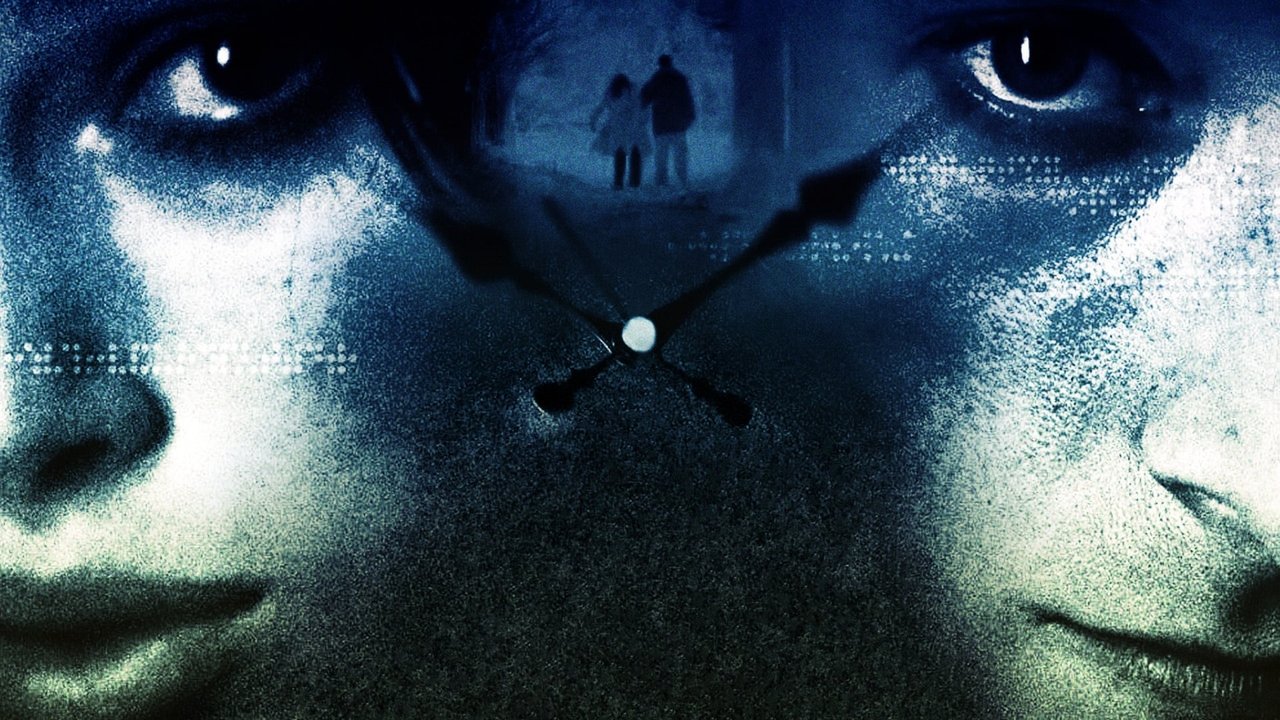
It’s in that pitch-black silence that the movie flips the script. Jack doesn't just hallucinate; he travels. He finds himself in 2007, meeting a cynical, struggling waitress named Jackie (Keira Knightley) who—shocker—has a past connection to him. He discovers he’s supposed to die in four days back in 1992, and the movie becomes a frantic race to use the future to fix the past. It’s essentially "Quantum Leap" if Sam Beckett had a severe benzodiazepine habit.
Performances That Punch Above Their Weight
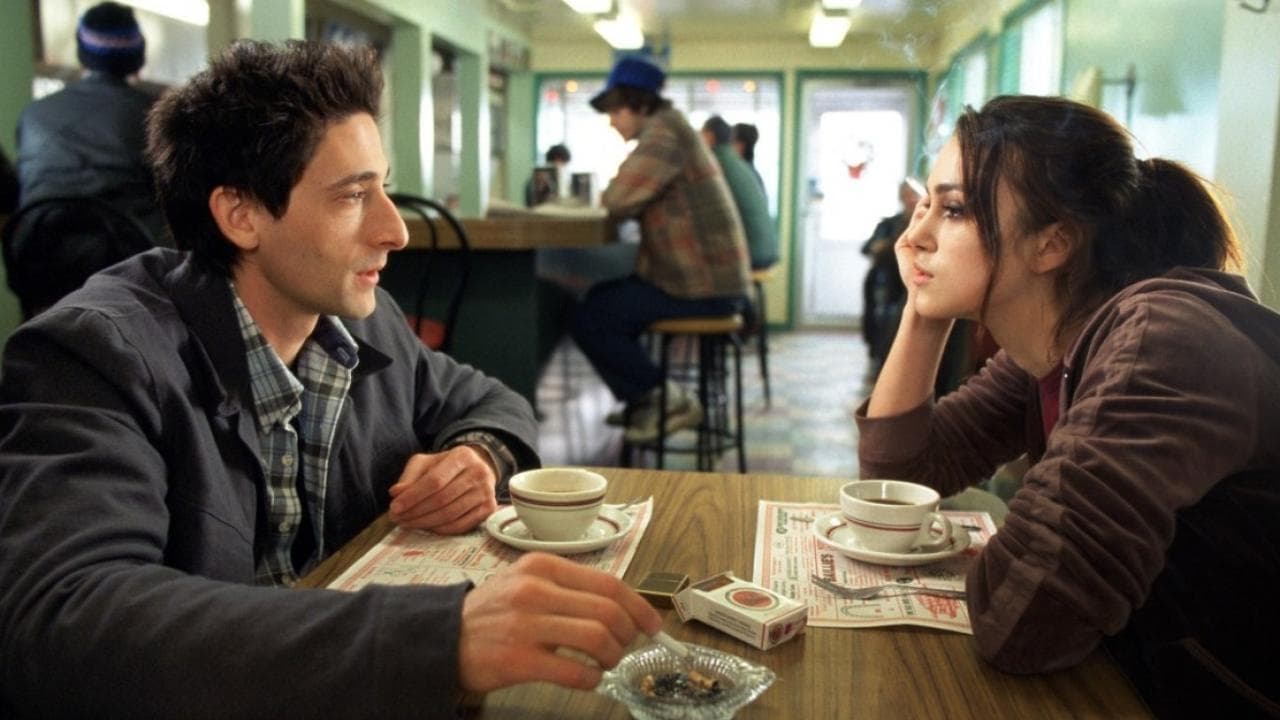
Adrien Brody is the MVP here. Coming off his Oscar win for The Pianist (2002), he brings that same haunted, skeletal intensity to Jack. He has a way of looking at the camera that makes you feel like his soul is leaking out of his eyes. Because so much of the movie takes place in extreme close-ups within the "box," his face has to do all the heavy lifting, and he sells the sheer, gasping terror of claustrophobia perfectly.
Then there’s Keira Knightley. In 2005, she was the "it" girl of period dramas, usually found wearing a corset and looking pristine. In The Jacket, she’s a cigarette-smoking, whiskey-chugging mess with a terrible American accent that she somehow makes work through sheer grit. Interestingly, director John Maybury (who previously directed the gritty Francis Bacon biopic Love is the Devil) supposedly didn't want to cast her because he thought she was just a "pretty face." Knightley allegedly showed up to the audition while suffering from a brutal case of food poisoning, looking absolutely wrecked, and Maybury hired her on the spot. That "unpolished" energy is exactly what the movie needed to keep it from feeling too much like a slick studio thriller.
The supporting cast is an embarrassment of riches. Jennifer Jason Leigh brings a much-needed warmth as a doctor who actually cares, and the late Brad Renfro makes a brief, twitchy appearance that serves as a sad reminder of his talent. Kris Kristofferson, meanwhile, plays the "mad scientist" role with a quiet, terrifying stillness rather than chewing the scenery.
Why It Slipped Through the Cracks
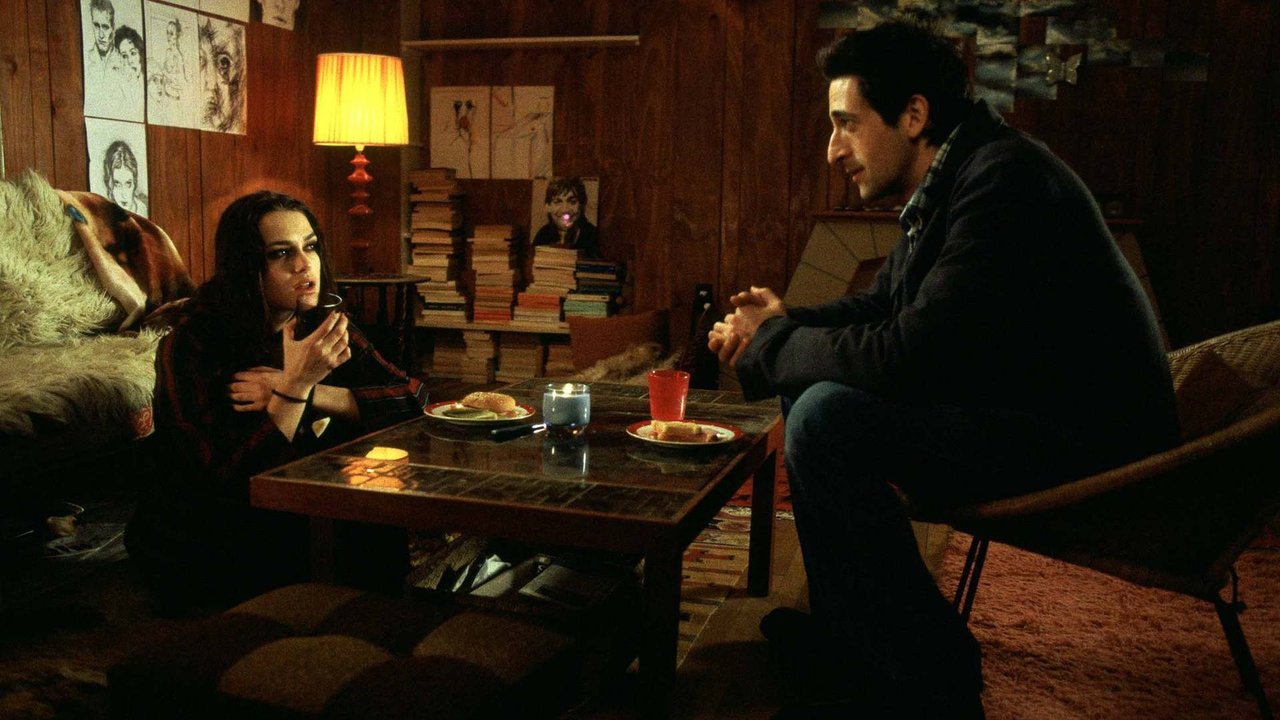
So, why don't we talk about this movie more? For starters, the marketing was a disaster. The original tagline—"Terror has a new name"—suggested a generic slasher flick, which this most certainly is not. It’s a somber, romantic, and often quiet drama about trauma and destiny. Audiences expecting Saw were disappointed, and audiences who wanted The Notebook were horrified.
Technically, it also screams 2005. The cinematography by Peter Deming (who did Mulholland Drive) uses that high-contrast, bleached-out look and frantic, "shaky-cam" editing during the time-travel sequences that was very trendy back then. While it captures the disorientation of Jack’s mind, it’s the kind of visual style that hasn't aged quite as gracefully as the practical effects of the 90s.
However, the secret weapon is the score by Brian Eno. It’s atmospheric and haunting, elevating the film from a standard mystery to something that feels more like an urban fable. It’s a movie that rewards you for leaning in, even when the logic of the time travel starts to get a bit fuzzy if you think about it for more than ten minutes.
The Jacket is a "hidden gem" in the truest sense—it’s flawed, it’s a bit melodramatic, and it’s undeniably weird, but it lingers. It’s a testament to a time when mid-budget movies were allowed to be moody and experimental. If you’re in the mood for a psychological puzzle that cares more about its characters than its paradoxes, it's well worth the 103 minutes. Just maybe don't watch it if you're already feeling a bit claustrophobic.
Keep Exploring...
-
The Forgotten
2004
-
Inland Empire
2006
-
Blindness
2008
-
The 6th Day
2000
-
Signs
2002
-

The Invasion
2007
-

The Gift
2000
-
Gosford Park
2001
-
Joy Ride
2001
-
Original Sin
2001
-
The Pledge
2001
-
Solaris
2002
-
In the Valley of Elah
2007
-
Premonition
2007
-
Untraceable
2008
-

The Fourth Kind
2009
-
Chloe
2010
-
Ghost
1990
-
The Experiment
2010
-
What Lies Beneath
2000