The Legend of Zorro
"The sword is back, but the marriage is on the rocks."
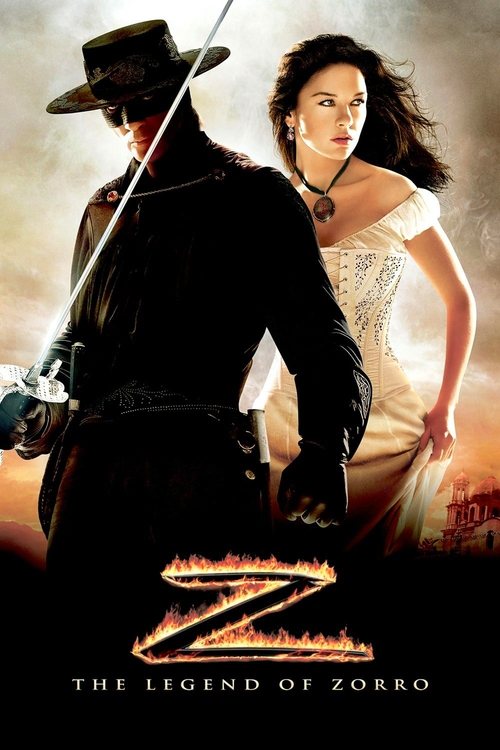
By 2005, the cinematic landscape was already shifting under our feet. We were knee-deep in the "gritty reboot" era—Batman Begins had just landed, and the colorful, swashbuckling adventures of the 90s were starting to feel like relics of a more innocent age. Enter The Legend of Zorro, a sequel that arrived seven years after its predecessor, carrying the heavy burden of trying to recapture the lightning-in-a-bottle magic of The Mask of Zorro. It’s a film that sits in that strange Y2K-transition pocket: half-reliant on the breathtaking practical stunts that made the first one a classic, yet clearly flirting with the digital excess that was beginning to define the mid-2000s blockbuster.
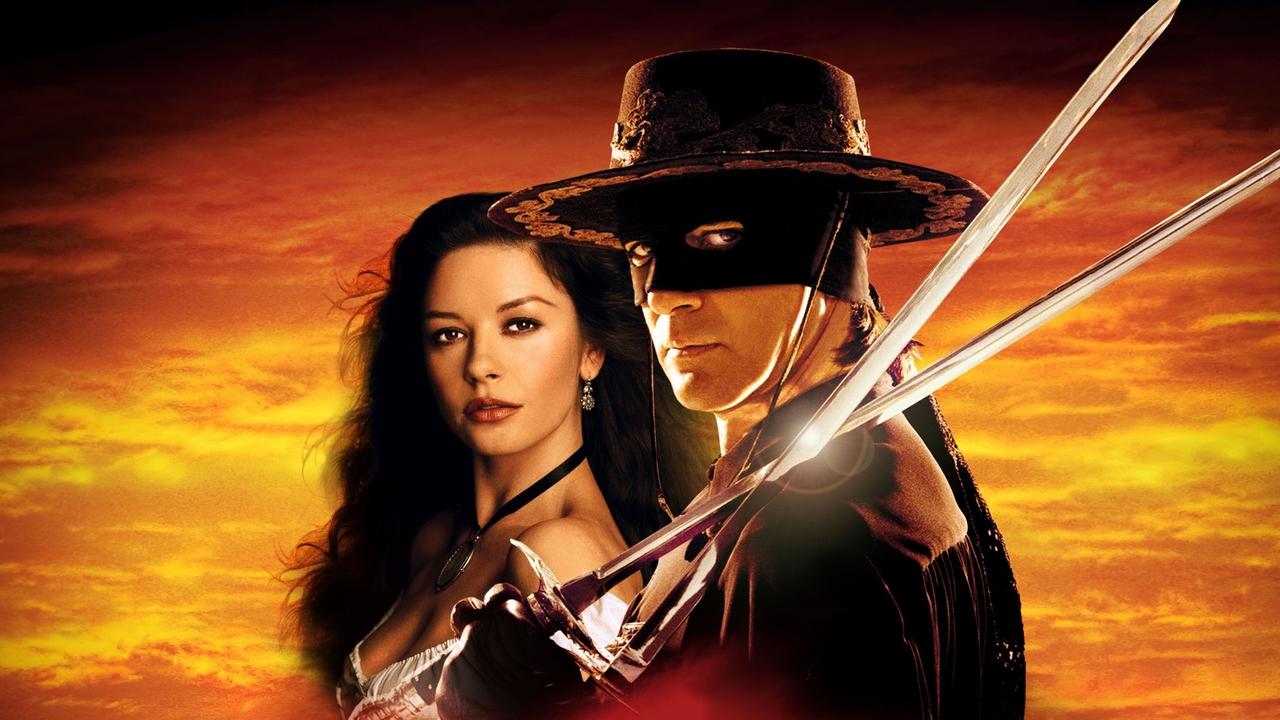
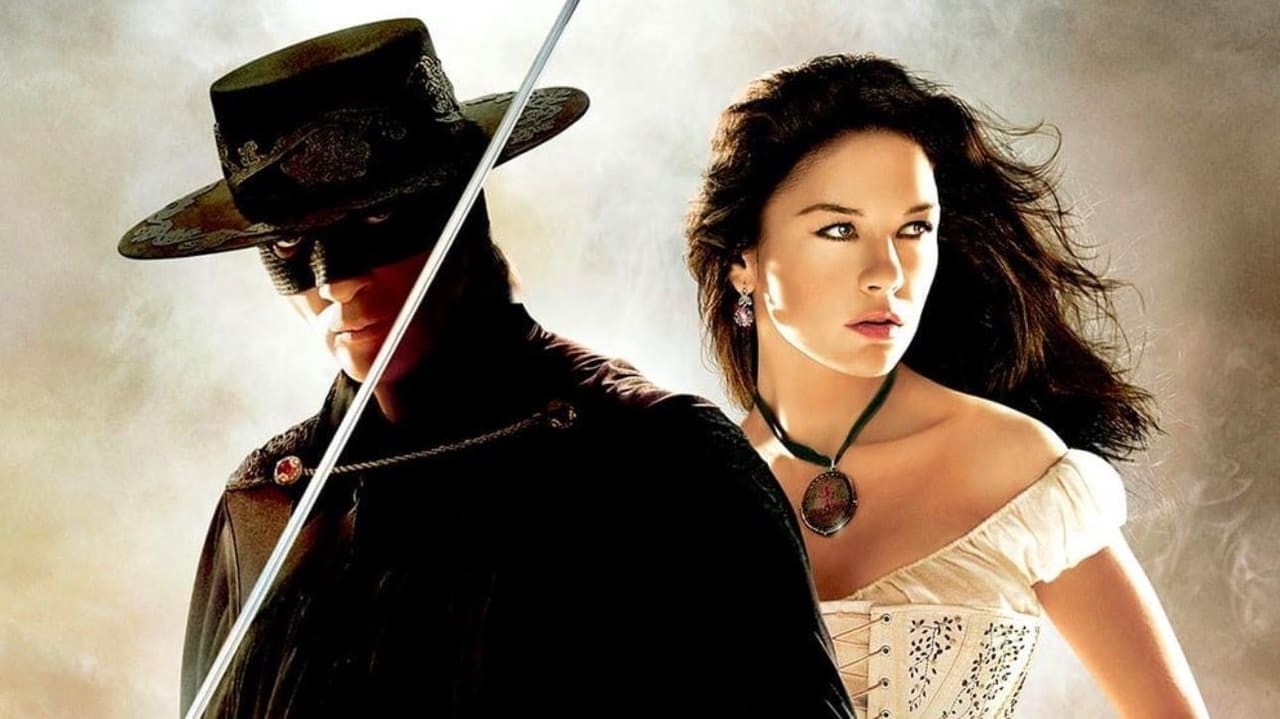
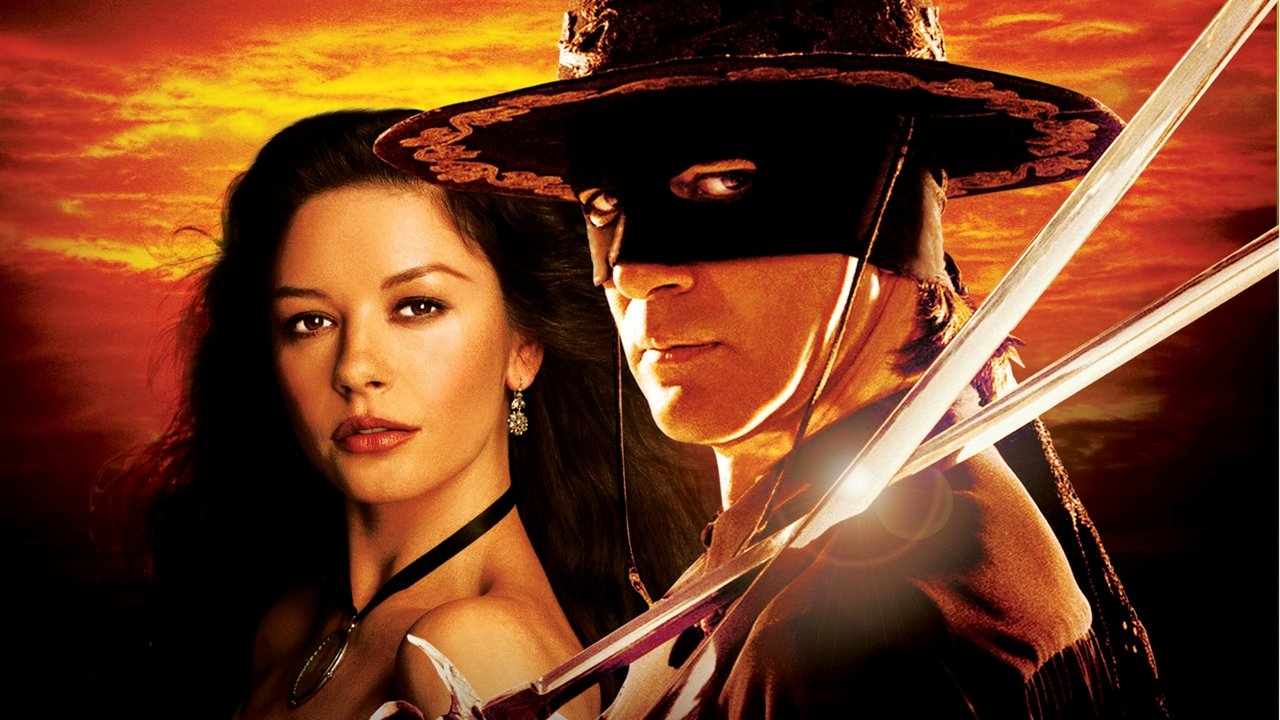
I revisited this one on a rainy Tuesday while nursing a slightly burnt tongue from a microwave burrito, and honestly, the sheer charisma of the lead duo is enough to make you forget you’re eating mediocre snacks. Antonio Banderas and Catherine Zeta-Jones still have enough heat to melt the screen, even if the script asks them to spend a significant portion of the runtime acting like a bickering couple from a mid-tier sitcom.
Family Feuds and Finishing Moves
The plot picks up a decade after the first film. Alejandro (Antonio Banderas) is still donning the mask, much to the chagrin of Elena (Catherine Zeta-Jones), who wants him to hang up the cape and be a full-time dad to their ten-year-old son, Joaquin (Adrian Alonso). What follows is a bizarre divorce subplot involving a mysterious Frenchman and a secret society. It’s a lot of plot for a movie about a guy who carves his initials into things, but it gives our leads room to play.
Antonio Banderas is born for this role. He manages to balance the "weary dad" energy with the "legendary hero" vibe without breaking a sweat. However, the film takes a hard turn into slapstick that wasn't as prevalent in the first outing. Zorro’s horse, Tornado, basically becomes a Looney Tunes character in this movie, drinking wine and smoking pipes, which is a choice that definitely reveals the film’s "family-friendly" aspirations. Looking back, you can see the studio’s fingerprints all over this—trying to turn a romantic adventure into a multi-generational franchise starter.
The Martin Campbell School of Action
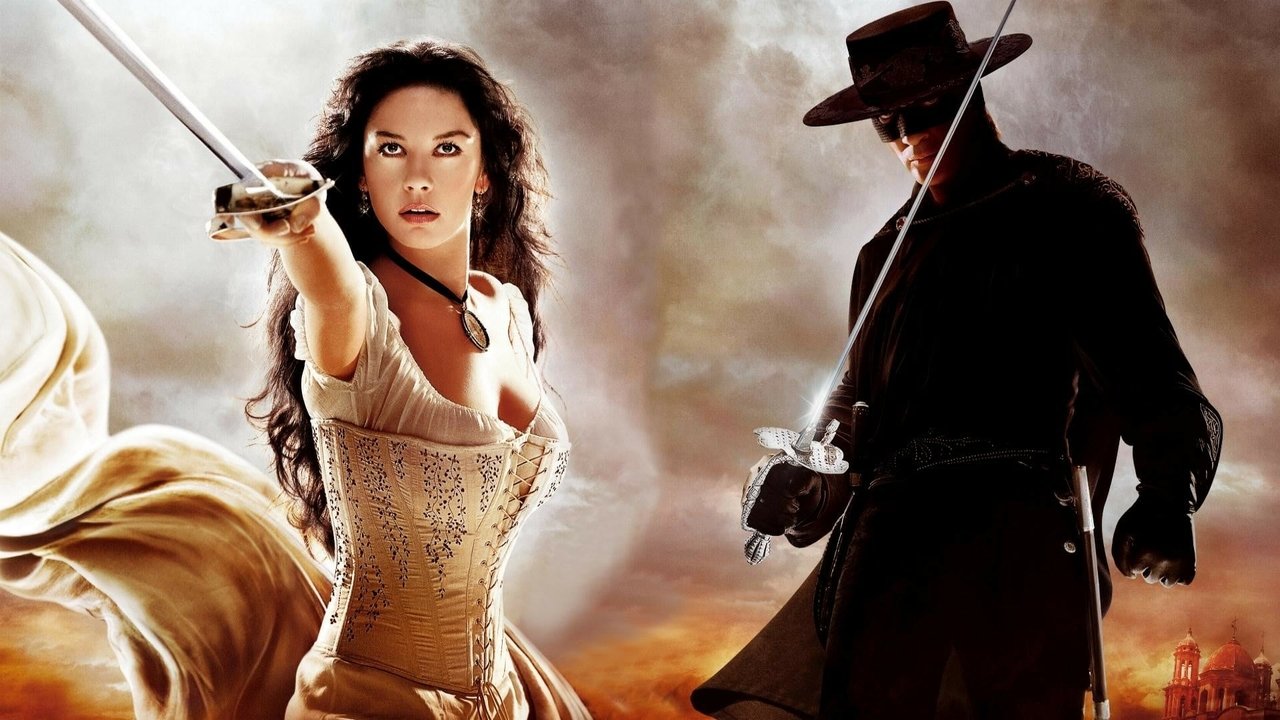
If there’s one reason to stick with this sequel, it’s Martin Campbell. The man knows how to direct an action sequence. Coming off GoldenEye and heading toward Casino Royale, Campbell brings a level of physical weight to the fights that we rarely see in the modern CGI-slop era. The swordplay is crisp, and the stunts—performed by a fearless team that included the legendary Phil Meheux on cinematography—feel dangerously real.
The climactic sequence involving a massive, nitro-glycerin-filled train is a standout. It’s an escalating series of "how are they going to top this?" moments. While there is definitely more CGI here than in 1998—particularly during some of the more physics-defying horse jumps—it still feels grounded in a way that’s refreshing. We’re watching real people (and some very talented stunt doubles) swinging from rafters and detonating actual pyrotechnics. The villain, Jacob McGivens (Nick Chinlund), is essentially a human cartoon with a wooden cross branded into his face, but he provides a solid, punchable foil for Zorro’s whip.
Behind the Mask and the Scenes
One of the more interesting aspects of this production was the training. Antonio Banderas famously did a lot of his own stunts, and you can see the physical toll in the way he moves—it adds a layer of "aging hero" authenticity that the script doesn't always earn. Also, did you know that the young Adrian Alonso didn't speak a word of English when he was cast? He learned his lines phonetically, which is wild because his chemistry with Banderas is one of the film’s secret weapons.
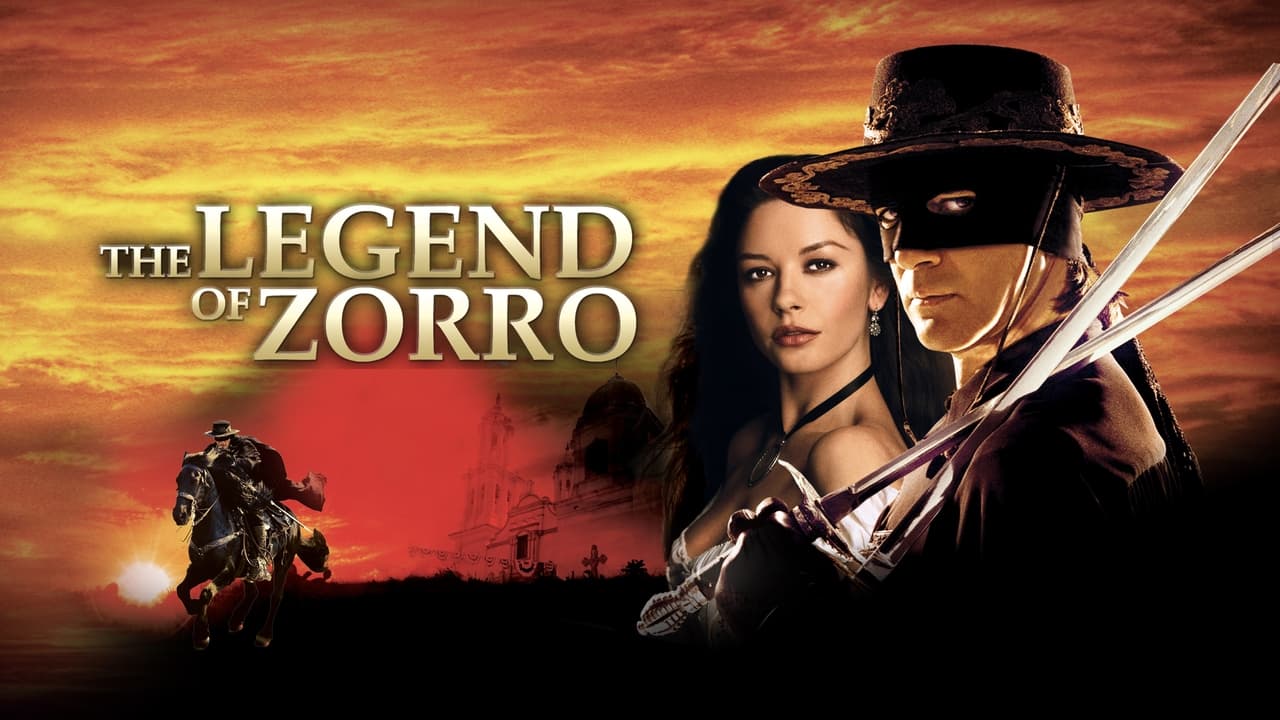
The DVD release of this film was a staple in my collection for years, mostly because the special features were a masterclass in how to build a "Western" in Mexico. They spent a fortune on the production design, and it shows. From the sprawling haciendas to the dusty streets of San Mateo, the film has a texture that digital sets just can’t replicate. It’s a reminder of that brief window where budgets were massive, but the "everything is green screen" mandate hadn't quite taken over Hollywood yet.
While it never quite reaches the soaring heights of the first film, The Legend of Zorro is a wildly entertaining piece of mid-2000s spectacle. It’s a bit too long, and the tone occasionally wobbles between "gritty political conspiracy" and "Disney Channel original movie," but the core remains solid. It serves as a colorful farewell to a certain type of high-adventure filmmaking that has mostly migrated to the superhero genre. If you’re looking for a dose of nostalgic swashbuckling and the sight of Antonio Banderas being effortlessly cool, you could do a lot worse than spending two hours with the De La Vega family.
Keep Exploring...
-

The Mask of Zorro
1998
-
Shanghai Noon
2000
-
Vertical Limit
2000
-
Shanghai Knights
2003
-
The Island
2005
-
Mission: Impossible III
2006
-
GoldenEye
1995
-
The Lone Ranger
2013
-
A Knight's Tale
2001
-

Sinbad: Legend of the Seven Seas
2003
-
Cowboys & Aliens
2011
-
Charlie's Angels
2000
-

The Perfect Storm
2000
-
Lara Croft: Tomb Raider
2001
-
Reign of Fire
2002
-
The Scorpion King
2002
-
The Time Machine
2002
-
Hulk
2003
-

Lara Croft: Tomb Raider - The Cradle of Life
2003
-
The Matrix Revolutions
2003