The Longest Yard
"Outmanned. Outnumbered. But never outplayed."
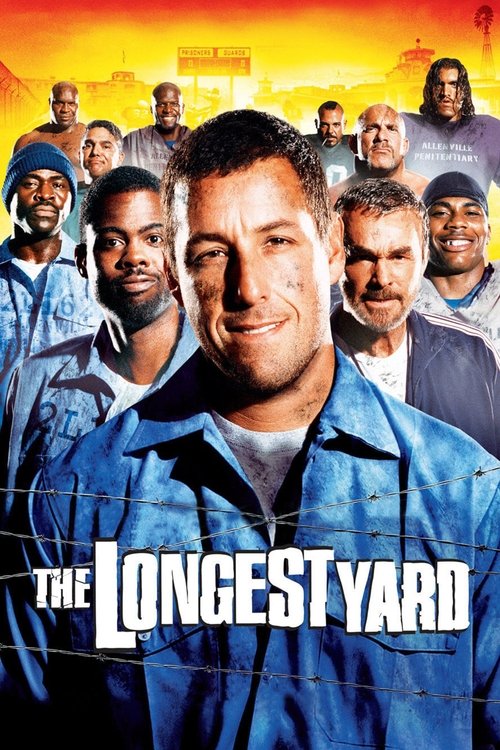
I vividly remember watching this movie on a humid Tuesday afternoon in a basement that smelled faintly of damp laundry and overpriced popcorn. My friend’s DVD player had this weird quirk where it would skip during the opening credits unless you tilted the machine exactly fifteen degrees to the left. Once we got it balanced on a stack of old GamePro magazines, we were treated to what might be the quintessential "Sunday afternoon cable" movie of the early 2000s.
The Longest Yard (2005) is a fascinator. It’s a remake of a gritty 1974 classic, produced at the absolute height of the Happy Madison factory’s powers, with a budget that could have funded a small country's space program. It shouldn't work as a drama, and yet, nestled between the fart jokes and the sight of Terry Crews demanding cheeseburgers, there’s a genuine heart beating under its oversized shoulder pads.
The Sandler Pivot and the Art of the Remake
By 2005, Adam Sandler was in a transitional phase. He was moving away from the pure, chaotic energy of Billy Madison and trying to find a lane as a leading man who could actually carry a plot that didn't involve him shouting at a penguin. In the role of Paul Crewe—a disgraced NFL quarterback who lands in a Texas prison after a drunken joyride—Sandler plays it surprisingly straight. He’s the "straight man" in a world of lunatics, and it’s a role that suits him better than I expected.
Looking back, this film captures that specific mid-2000s aesthetic where everything was slightly oversaturated and every soundtrack was mandatory listening. The cinematography by Dean Semler—who, let’s not forget, shot Mad Max 2 and Dances with Wolves—gives the prison a dusty, sun-bleached look that makes you feel the Texas heat. It’s slicker than the original, sure, but it avoids looking like a music video, even when Nelly is sprinting down the sidelines.
The drama here isn't the heavy-handed, Oscar-bait kind. It’s the drama of the underdog. We’ve seen it a thousand times, but director Peter Segal knows how to pace it. He lets the tension between the inmates and the guards simmer until the final act, making the eventual football game feel like a legitimate release of pressure. The guards in this movie are essentially cartoon villains from a 1980s wrestling promo, and I’m completely okay with it. Their sheer, unadulterated jerkiness makes the inmates’ inevitable retaliation feel earned rather than mean-spirited.
A Who’s Who of Early 2000s Chaos
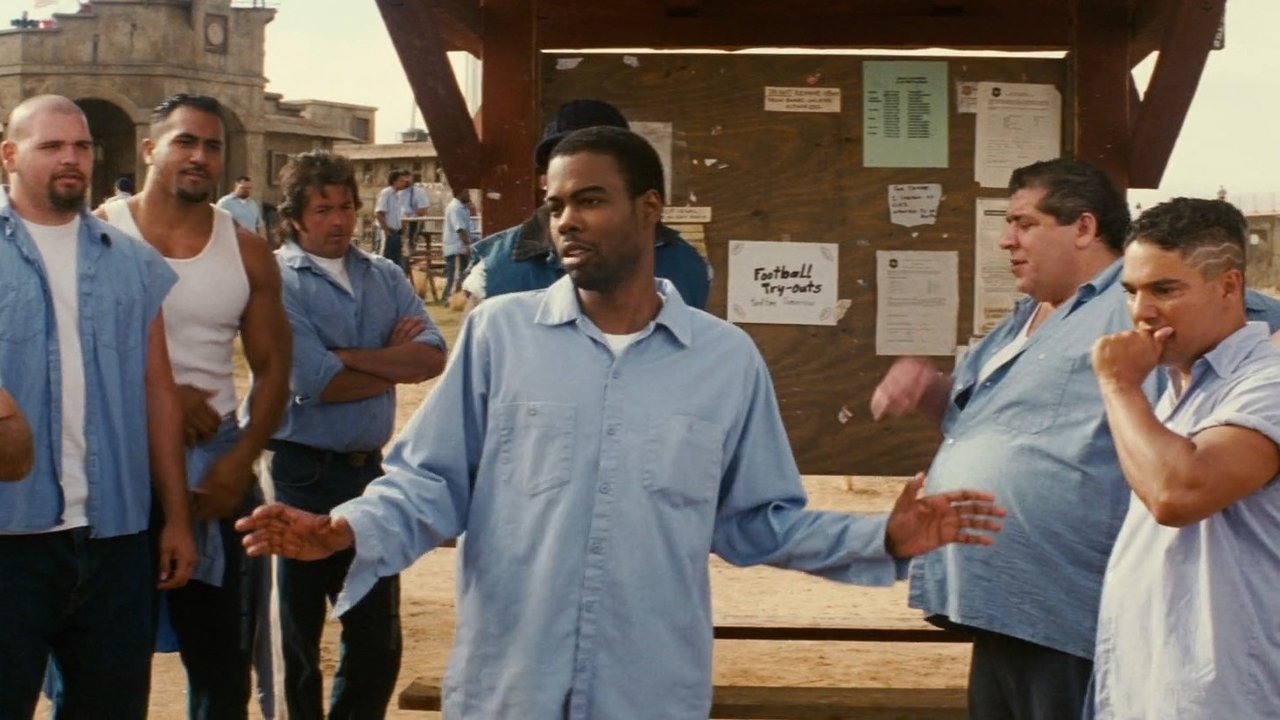
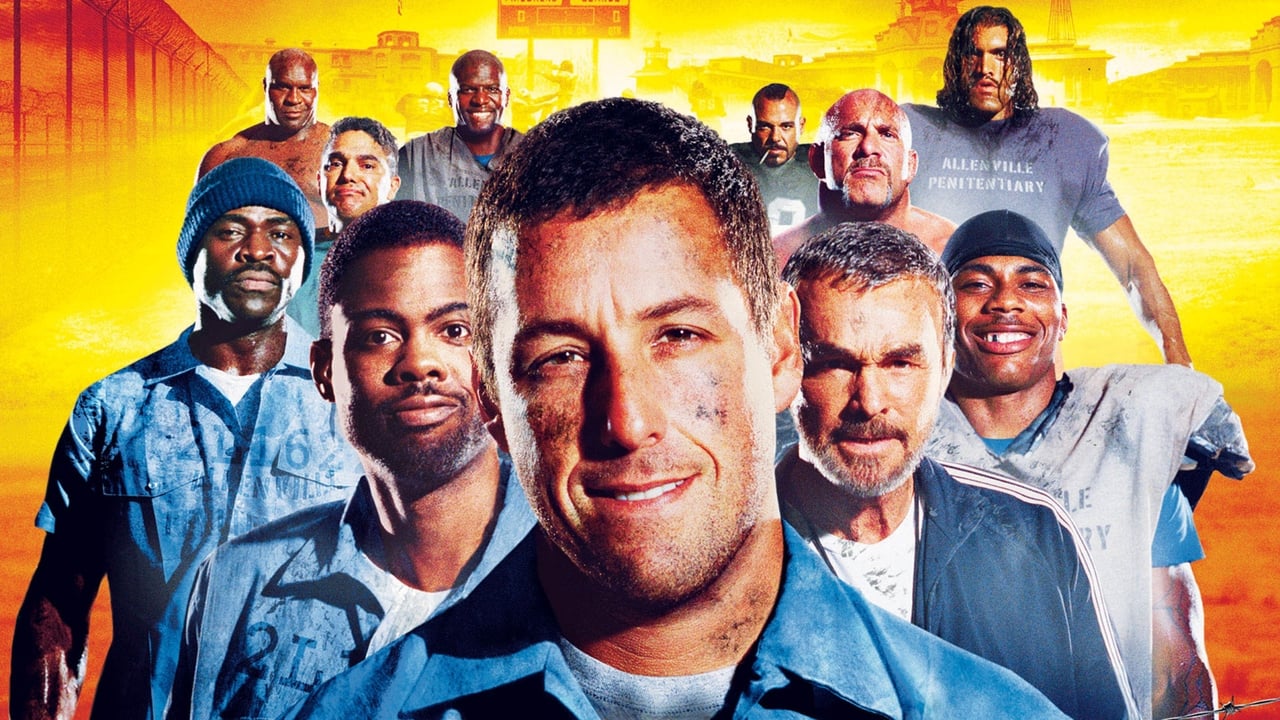
The real joy of The Longest Yard is the ensemble. This was the era of the "Mega-Cast." You’ve got Chris Rock as Caretaker, providing the lightning-fast wit that keeps the first two acts moving. Rock’s chemistry with Sandler is effortless; they feel like two guys who have been making each other laugh for decades, which, in real life, they have.
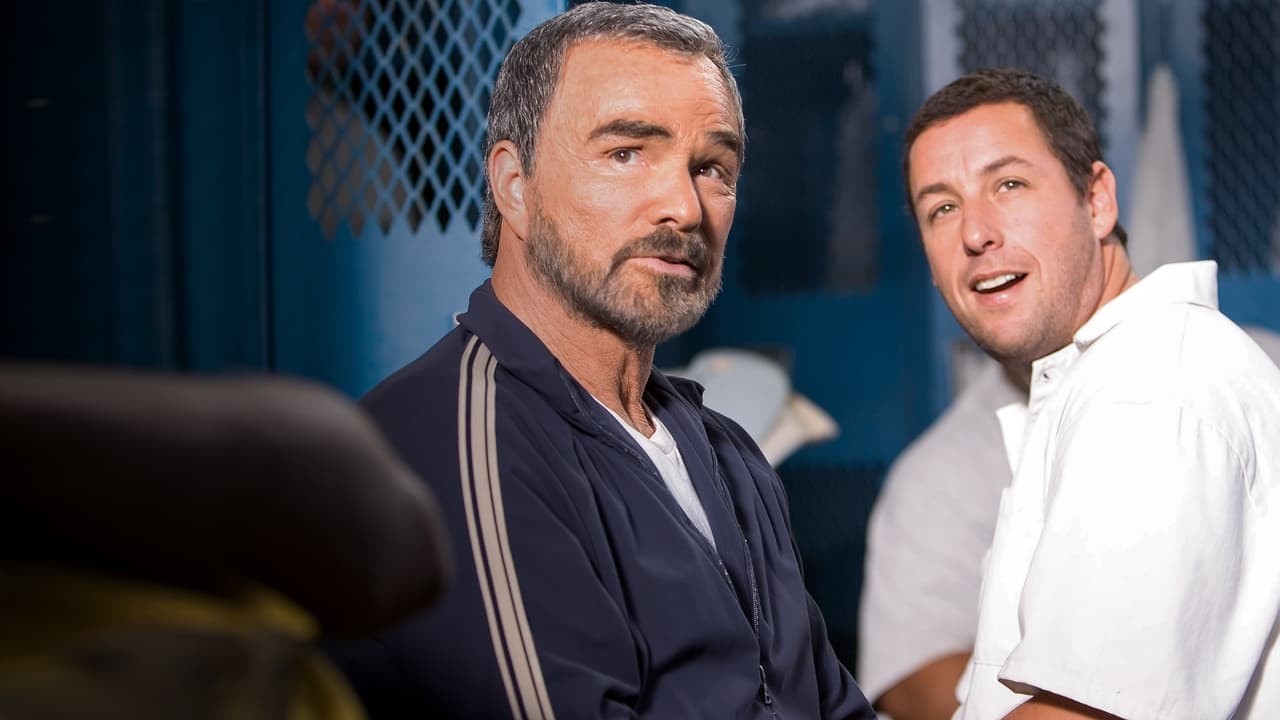
Then you have the "Passing of the Torch." Bringing back Burt Reynolds, the star of the 1974 original, as Coach Nate Scarborough was a stroke of genius. It gives the movie a sense of legitimacy it otherwise might have lacked. Every time Burt Reynolds is on screen, you can feel the shift in tone—a nod to the cinema of the 70s that inspired this whole circus.
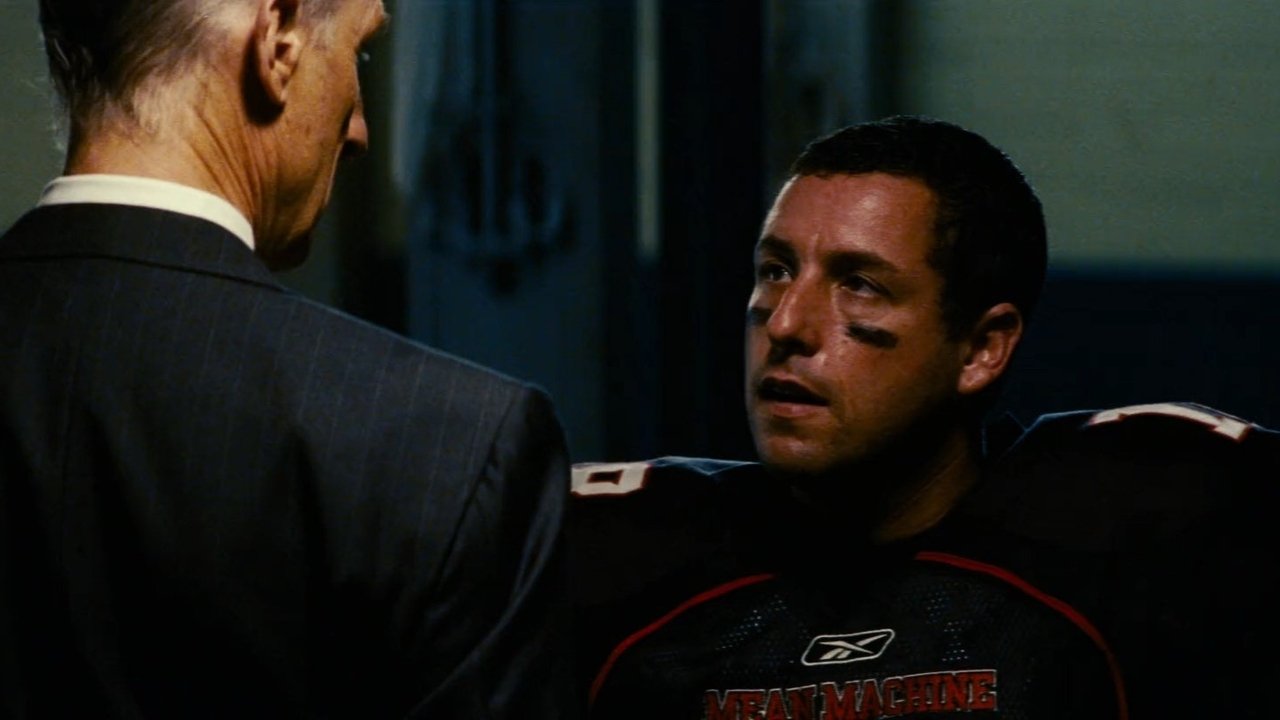
And let’s talk about the physical presence of this cast. Between James Cromwell playing the deliciously corrupt Warden Hazen and a roster of actual athletes and wrestlers like Bill Goldberg, Stone Cold Steve Austin, and Kevin Nash, the movie has a weight to it. Terry Crews as Cheeseburger Eddy is a standout, delivering lines with a manic intensity that makes you wonder why he wasn't in every movie made between 2000 and 2010.
Behind the Scenes and the Cult of Cable
One of the things I love about this era of filmmaking is the "Special Features" culture. If you owned this on DVD, you probably spent more time watching the blooper reels and the "Making of the Game" segments than the actual movie. It turns out that the production was basically a giant summer camp for tough guys. The Great Khali (who plays Turley) actually broke a basketball hoop during a scene because he didn't realize how strong he was.
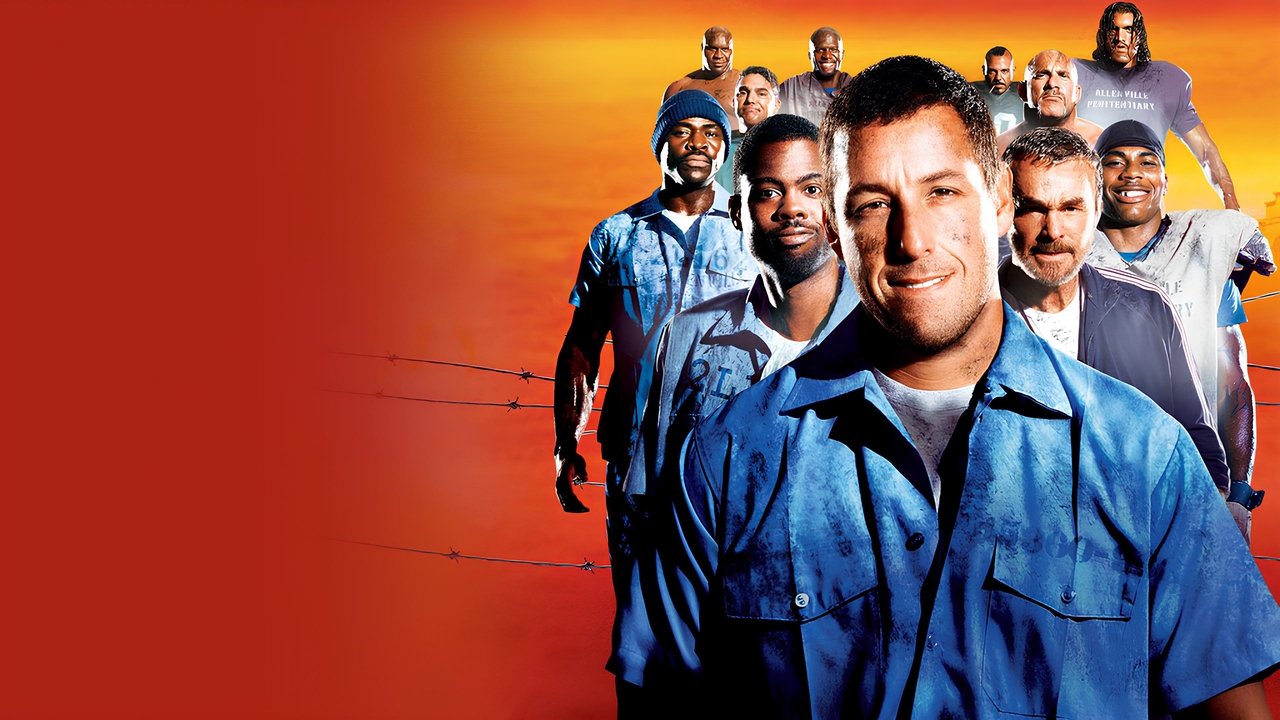
Another fun detail: Adam Sandler actually played high school basketball and is a legitimate athlete, which is why his movements on the field don't look as choreographed as your average actor’s. He insisted on many of the hits being "semi-real," which led to a fair share of bruises for the main cast. It’s that commitment to the physical comedy and the impact of the game that keeps this from feeling like a hollow parody.
While the film was a massive box office hit, its true legacy lives on in the "I’ll just watch ten minutes of this" phenomenon. It is the ultimate "discovery" movie for a younger generation who found it on DVD or late-night television. It doesn't demand you analyze its themes of institutional corruption too deeply, though they are there. Instead, it asks you to root for the guys who have nothing left to lose.
In the grand scheme of cinema, The Longest Yard isn't trying to reinvent the wheel—it’s just trying to put some flashy new rims on it. It’s a movie that knows exactly what it is: a loud, proud, occasionally sentimental sports comedy that celebrates the idea that everyone deserves a shot at redemption, even if that redemption comes in the form of a blindside tackle. It’s a perfect slice of 2005, and honestly, sometimes that’s exactly what you need on a slow afternoon.
Keep Exploring...
-
Get Smart
2008
-
Bad Santa
2003
-
Anger Management
2003
-
50 First Dates
2004
-
Punch-Drunk Love
2002
-

Spanglish
2004
-

Fanboys
2009
-
The Informant!
2009
-
Bad Boys II
2003
-
The Life Aquatic with Steve Zissou
2004
-
Just Like Heaven
2005
-
Click
2006
-

Rush Hour 3
2007
-
The A-Team
2010
-
Lethal Weapon 4
1998
-

Adaptation.
2002
-
Bedtime Stories
2008
-
High Fidelity
2000
-
O Brother, Where Art Thou?
2000
-
Stranger Than Fiction
2006