The New World
"Paradise is lost between the tall grass."
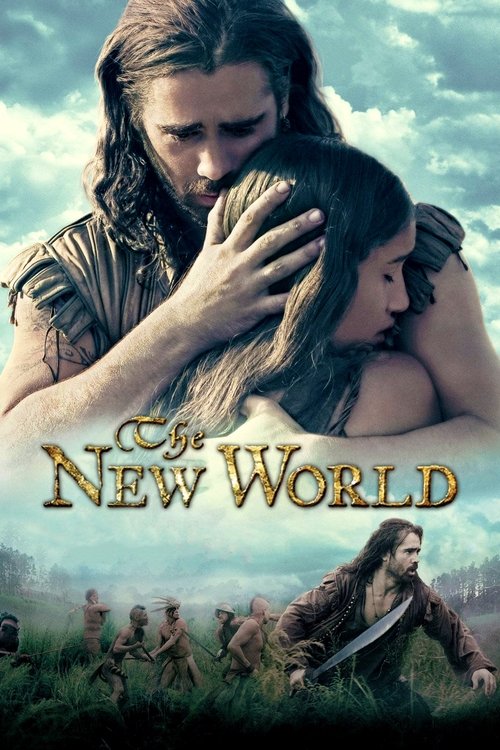
Imagine being a New Line Cinema executive in 2005. You’ve just come off the high of The Lord of the Rings, and you decide to hand $30 million to Terrence Malick, a man who had made exactly three movies in thirty years. You’re expecting a sweeping, historical epic—Pocahontas meets Braveheart. Instead, you get a movie where the main characters barely speak, the camera spends half its time looking at birds and wind-blown weeds, and the screenplay is basically a collection of stage directions and poetic whispers.
I watched this for the first time on a flight to London where the woman next to me was knit-stitching a sweater with aggressive speed, and despite the clicking of her needles, the sheer quietude of The New World pulled me into a trance. It’s a film that doesn't just ask for your attention; it demands a specific kind of surrender. If you’re looking for a plot-heavy history lesson, you’ll be checking your watch within twenty minutes. But if you want to see what the transition from analog film to the digital era looked like when a master was at the helm, this is the holy grail.
The Lure of the Golden Hour
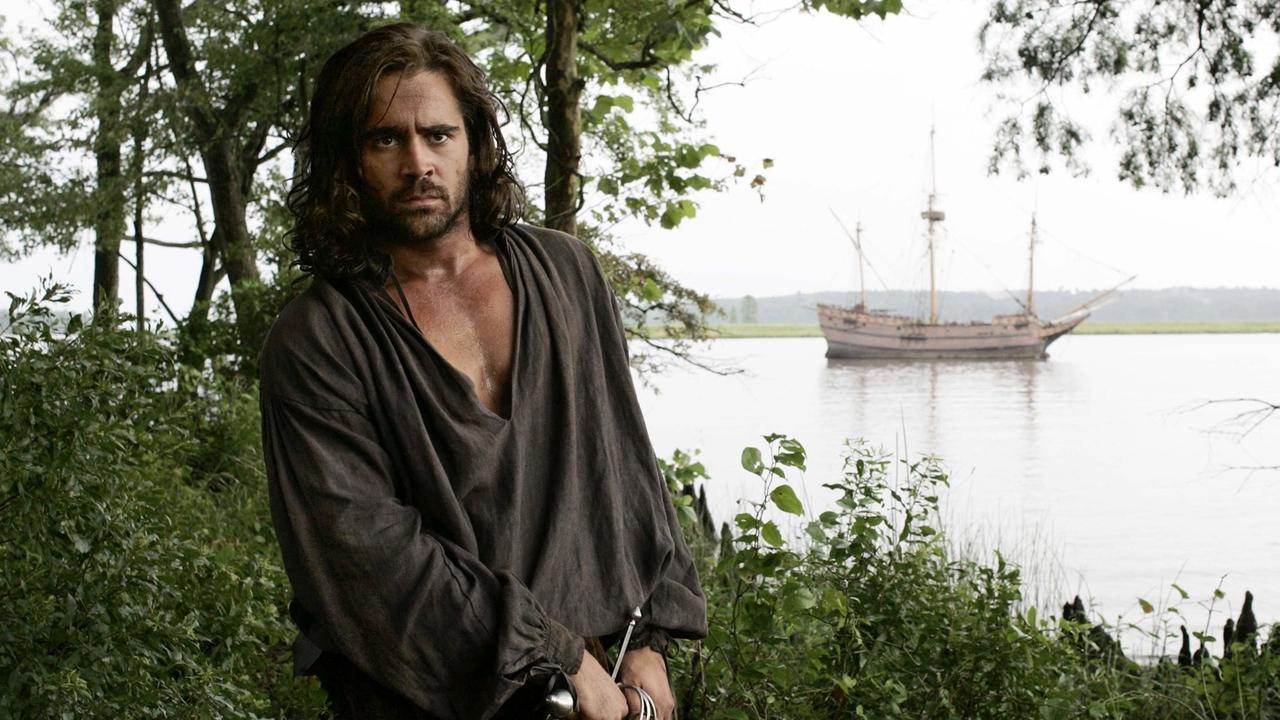
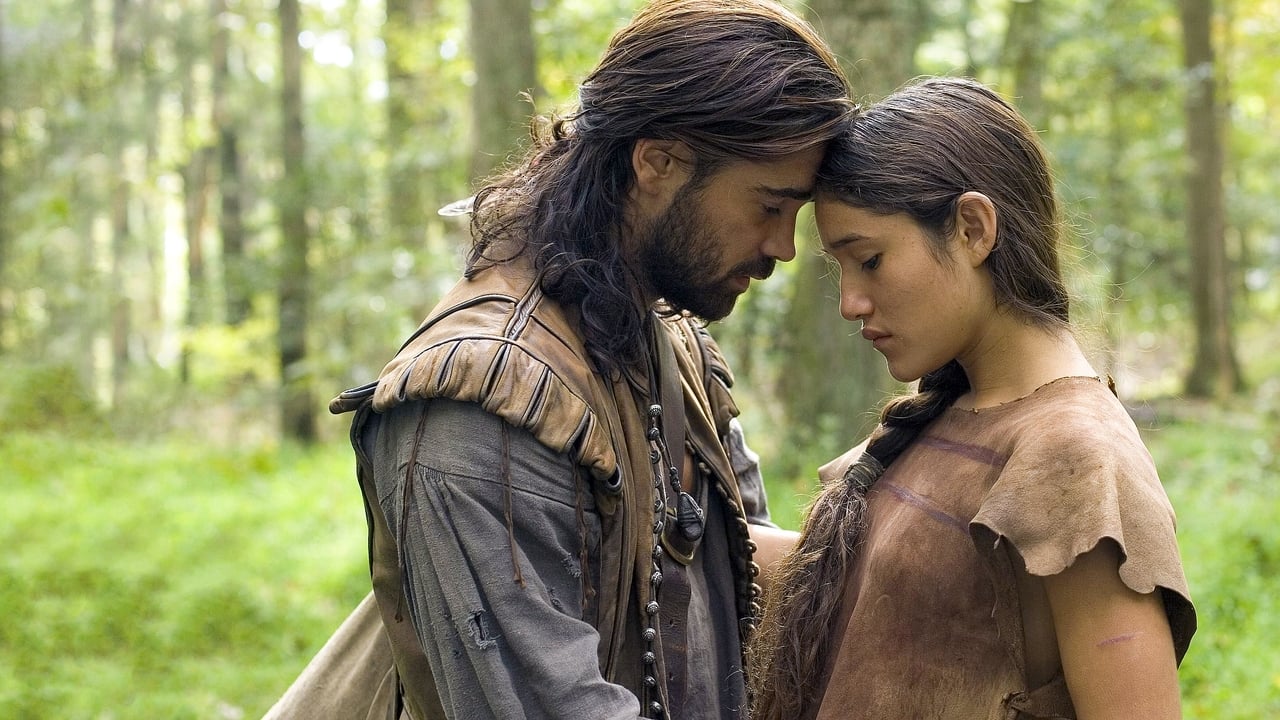
At its core, The New World is a retelling of the John Smith and Pocahontas story, but stripped of the Disney songs and the "noble savage" tropes. Colin Farrell plays Smith not as a swashbuckling hero, but as a tired, haunted man who realizes he’s found paradise just as he’s helping to destroy it. Opposite him, Q'orianka Kilcher gives one of the most astonishing debut performances in modern cinema. She was only fourteen during filming, yet she carries the weight of a dying culture in her eyes.
The real star, however, is the cinematography by Emmanuel Lubezki (who would later win three Oscars in a row for Gravity, Birdman, and The Revenant). This was 2005, a time when Hollywood was aggressively moving toward CGI-heavy spectacles like Revenge of the Sith. Malick and Lubezki went the opposite way. They used only natural light, often shooting during the "golden hour" to capture a version of Virginia that feels like a dream of the 17th century. They didn't use a tripod; the camera floats, following Wes Studi through the trees or Christopher Plummer onto the deck of a ship as if it’s a ghost observing the end of an era.
A Star in the Tall Grass
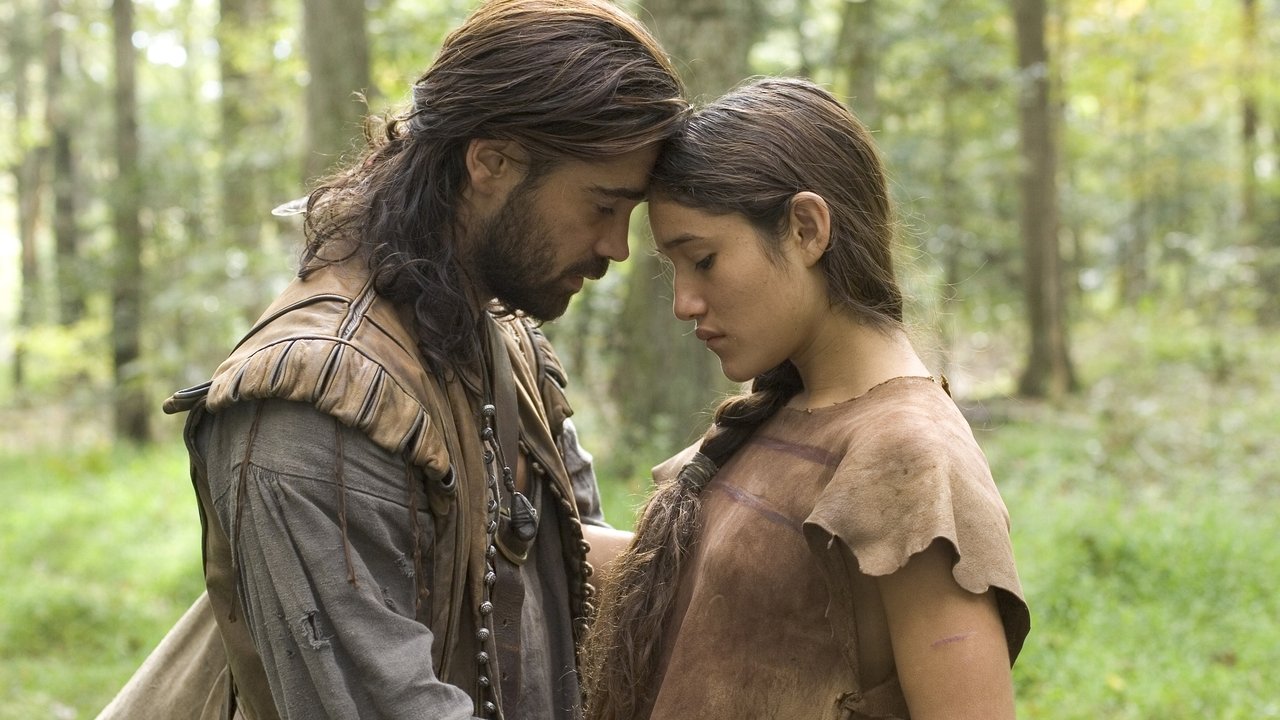
What makes the drama work is the pivot in the final act. Most movies would end with the tragic separation of the lovers, but Malick introduces Christian Bale as John Rolfe. Usually, the "other man" in a romance is a villain or a bore, but Christian Bale plays Rolfe with such decency and quiet patience that the movie shifts from a story about passion to a story about healing.
Looking back, this film arrived at a weird cultural moment. We were deep into the post-9/11 anxiety of the mid-2000s, a period where our war films were gritty and cynical. The New World feels like a response to that—a painful, beautiful look at the first "clash of civilizations" on American soil. It’s a drama that earns its emotions because it doesn't manipulate them. It simply shows you the beauty of the grass, the cruelty of the settlers, and the heartbreaking realization that once something is discovered, it can never be the same again.
The Three Faces of Malick’s Cut
If you’re hunting for this on physical media, you’ll notice it’s a bit of a legend in the "DVD culture" era. Malick famously kept editing the film even after it was released. There’s a 135-minute theatrical version, a 150-minute "first look" cut, and the gargantuan 172-minute Extended Cut. It’s the ultimate "movie nerd" rabbit hole.
The film essentially vanished from the public consciousness because it didn't fit the 2005 blockbuster mold. It made only $30.5 million—just barely covering its budget—and was dismissed by many as a "boring" nature documentary with actors. But that obscurity is exactly why it’s worth revisiting. In an age of franchise formation and the MCU's rapid-fire editing, The New World feels like a transmission from a different planet. During the scene where the English ships first arrive, the guy sitting behind me in the theater back in '05 actually started snoring, and honestly, the rhythmic breathing almost matched the movie's pace. I wasn't even mad; it felt like part of the soundscape.
The New World is a rare specimen of big-budget art. It’s a film that values the sound of water and the way light hits a face more than it values a traditional plot point. While it might be too slow for some, those who stick with it will find a hauntingly beautiful reassessment of American history. It captures a fleeting moment of beauty before the digital revolution changed how we see the world—and the movies—forever.
Keep Exploring...
-

Alexander
2004
-
The Thin Red Line
1998
-
Confessions of a Dangerous Mind
2002
-
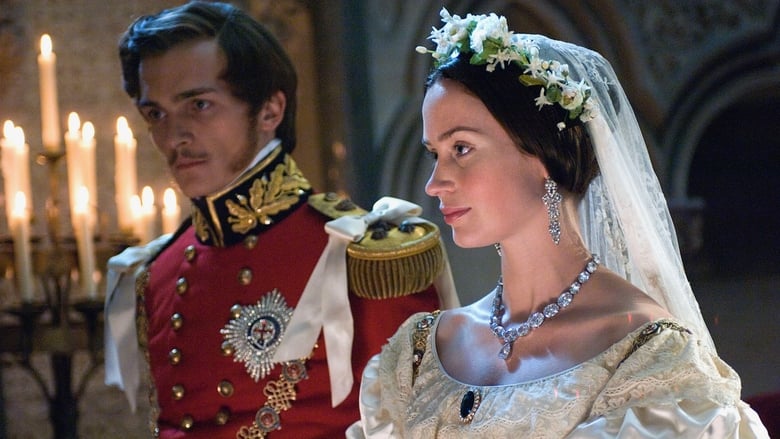
The Young Victoria
2009
-
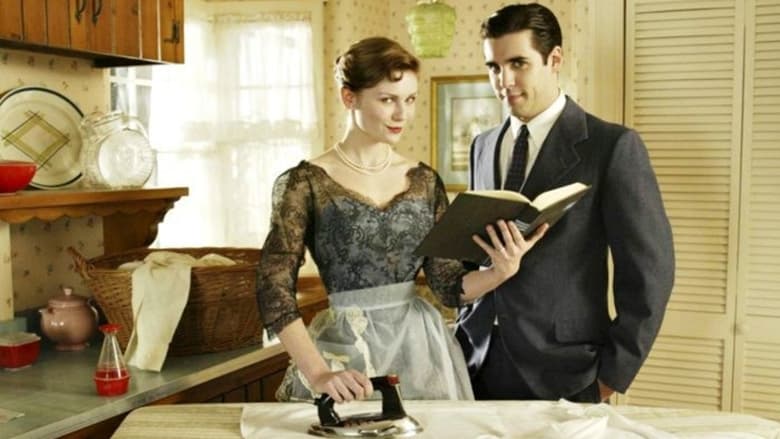
Mona Lisa Smile
2003
-
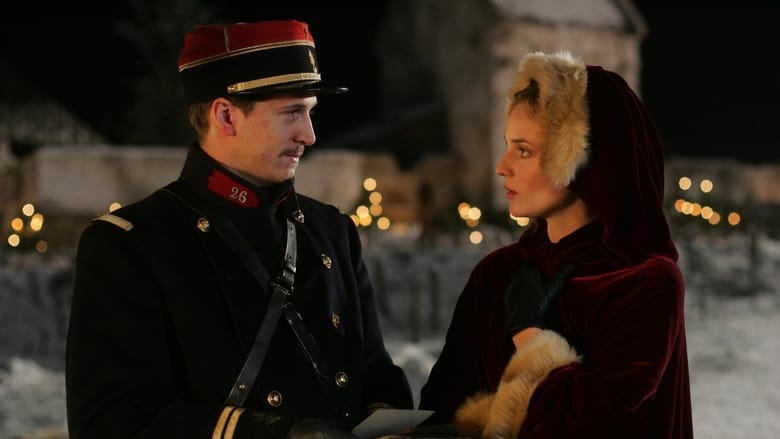
Joyeux Noel
2005
-
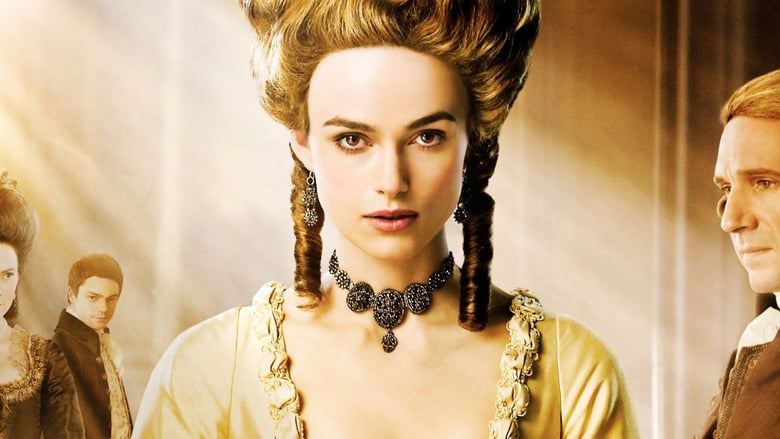
The Duchess
2008
-
Elizabeth: The Golden Age
2007
-
Days of Heaven
1978
-

The Other Boleyn Girl
2008
-
A Royal Affair
2012
-

The Tree of Life
2011
-
Enemy at the Gates
2001
-
Finding Forrester
2000
-

S1m0ne
2002
-
Honey
2003
-
What a Girl Wants
2003
-
Jersey Girl
2004
-
A Lot Like Love
2005
-
Broken Flowers
2005