The Protector
"One man. One elephant. A world of broken bones."
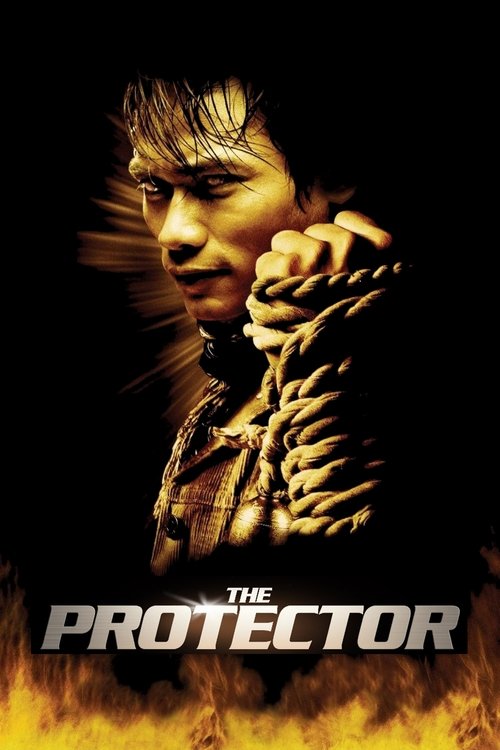
The sound of a human arm snapping shouldn't be this rhythmic, yet by the forty-minute mark of The Protector (originally Tom-Yum-Goong), it starts to feel like a percussion track. There is a specific, wet crunch that echoes through the film’s sound design—a sound that defined the mid-2000s "No Wires, No CGI" era of martial arts cinema. While Hollywood was busy burying its action stars under layers of shaky-cam and digital doubles, Thailand’s Tony Jaa was busy proving that the most impressive special effect in existence is a human knee traveling at thirty miles per hour toward a stuntman’s ribcage.
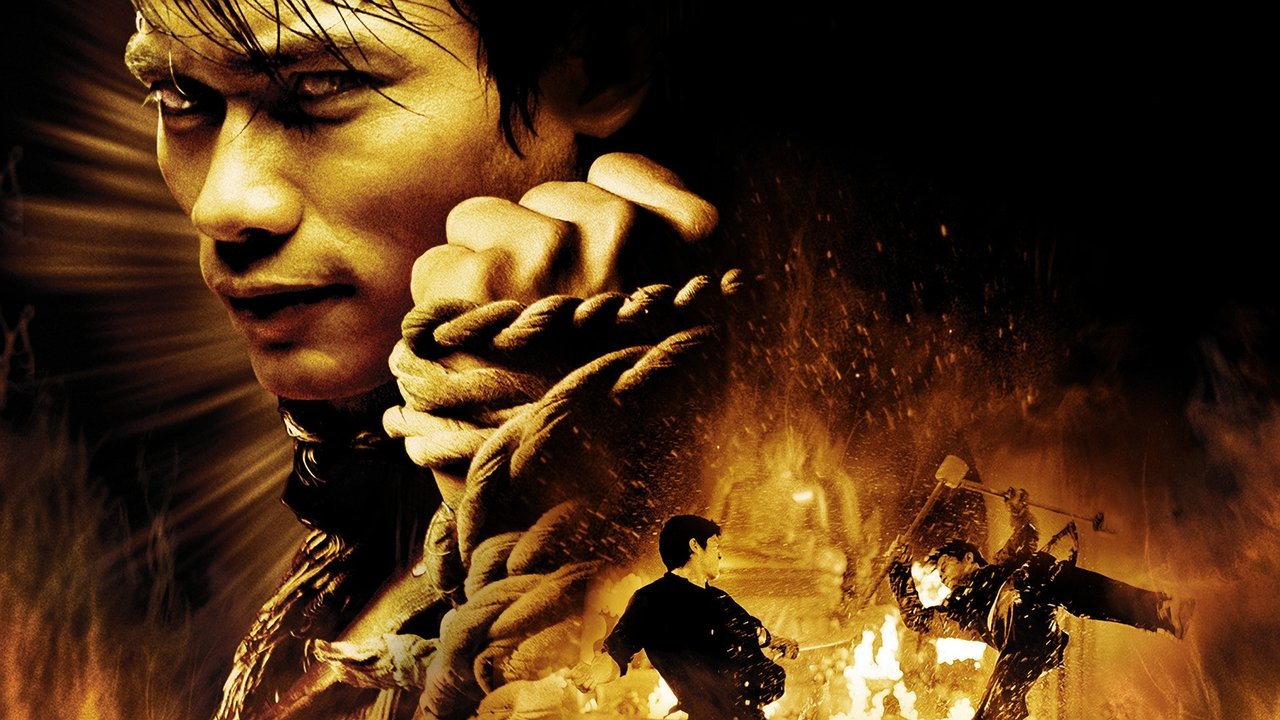
I first watched this movie on a humid Tuesday evening while nursing a mild case of food poisoning from a questionable street taco. Somehow, watching Tony Jaa systematically dismantle an entire Sydney underworld hierarchy made me forget about my own internal struggles. There’s a purity to the motivation here that transcends complex screenwriting: they stole his elephant. In the world of Kham (Tony Jaa), that is a declaration of total war.
The Four-Minute Miracle
We have to talk about "The Staircase." Even if you’ve never seen the film, you’ve likely seen the clip. It’s a nearly four-minute single-take sequence where Kham fights his way up a spiral ramp in a restaurant, tossing goons over balconies and through doors without a single cut. Looking back from our current era of AI-enhanced choreography and "invisible" digital stitches, this scene remains a staggering monument to physical endurance.
Director Prachya Pinkaew (who previously teamed with Jaa on Ong-Bak) reportedly shot this sequence eight times over several days. You can see the genuine, salt-on-the-skin exhaustion on Jaa’s face by the time he reaches the top floor. It’s not just "good action"; it’s a document of a man pushing his cardiovascular system to the brink of collapse. The staircase fight is the exact moment the 2000s realized that the "The Matrix" style of floaty wire-work was officially dead. We wanted weight. We wanted gravity. We wanted to see a guy actually sweat.
A Darkness Beneath the Dust
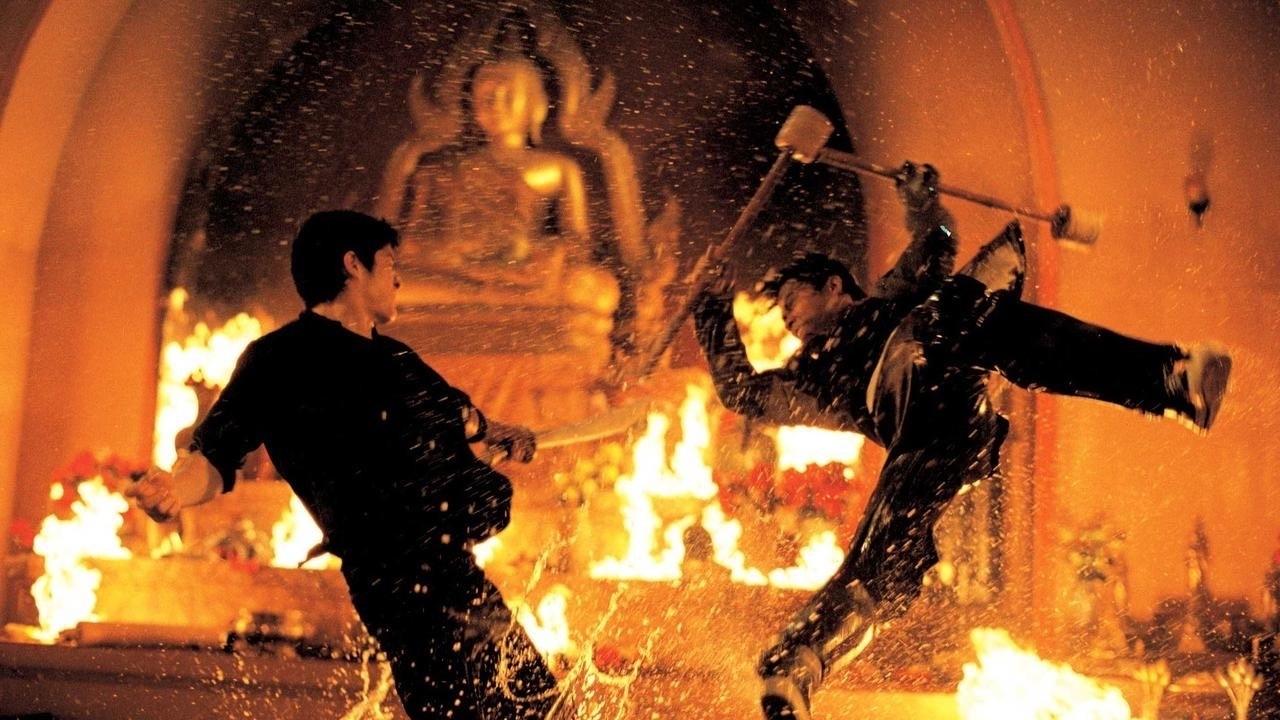
While Ong-Bak felt like a celebratory homecoming for Thai culture, The Protector is a much grimmer beast. The shift to Australia brings an icy, xenophobic edge to the proceedings. The villains aren't just cartoonish gangsters; they represent a soul-crushing international machine that commodifies everything sacred. Jin Xing, as the ruthless Madame Rose, brings a chilling, detached elegance to the role of the primary antagonist. As a trans woman and a legendary figure in contemporary dance, her casting added a layer of subversion that was quietly revolutionary for 2005, even if the film treats her character with the typical "dragon lady" villainy of the era.
The violence here is notably more mean-spirited than its predecessor. The film’s final act features a "Bone Breaking" sequence that feels less like a fight and more like an anatomical deconstruction. Kham stops being a hero and starts being a force of nature—a grieving son protecting a stolen deity. There is a sequence involving Nathan Jones, a massive pro-wrestler who looks like he was grown in a lab to eat smaller humans, where the sheer scale of the conflict reaches "David vs. Goliath" proportions. When Jaa starts using the literal bones of an elephant as weapons, the film enters a mythic, almost Shakespearean level of intensity. It’s basically a John Wick movie if the dog weighed four tons and the protagonist used his shins as hammers.
The Era of the Practical Peak
This was the peak of the "Sundance Generation" philosophy bleeding into the global action market—the idea that authenticity was the ultimate currency. In 2005, we were just beginning to see the rise of the MCU-style digital spectacle, but The Protector stood as a defiant middle finger to the green screen. The stunts are terrifying because you know there isn't a safety net just out of frame. When Johnny Nguyen (playing the formidable henchman Johnny) trades kicks with Jaa, the impact feels heavy enough to rattle your teeth.
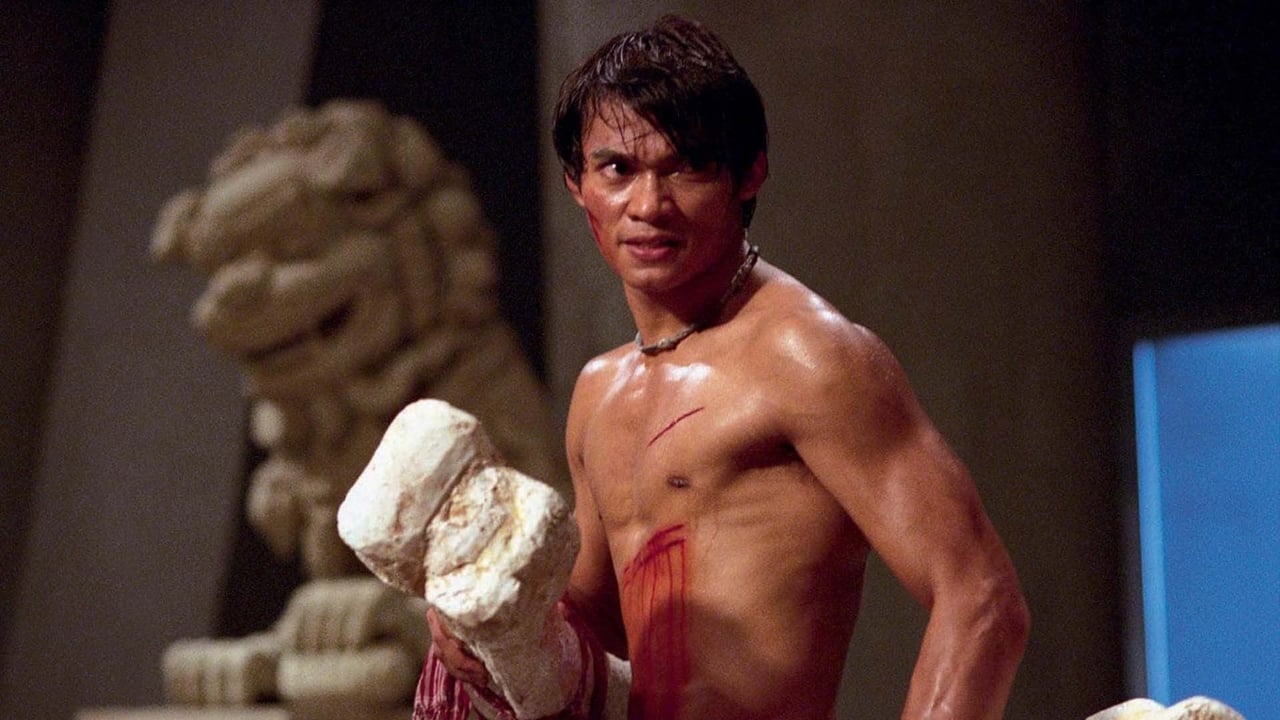
The film does suffer from some mid-2000s pacing issues. The "Thai-born Australian detective" subplot featuring Petchtai Wongkamlao provides some necessary comic relief, but it occasionally feels like it belongs to a different, much lighter movie. However, these are minor gripes when the main attraction is so overwhelming. The cinematography by Nattawut Kittikhun captures the grime of Sydney’s back alleys and the sterile terror of Madame Rose’s high-rises with a moody, high-contrast palette that fits the "Dark Action" mold perfectly.
The Protector isn't a film you watch for the dialogue or the intricate plotting. You watch it to witness a brief, lightning-in-a-bottle moment where a human being achieved a level of physical mastery that felt almost supernatural. It’s a film about the collision of the ancient and the modern, the sacred and the profane, and the undeniable fact that you should never, ever touch another man's elephant. Looking back nearly two decades later, it remains one of the most unapologetically brutal and impressive entries in the martial arts canon.
---
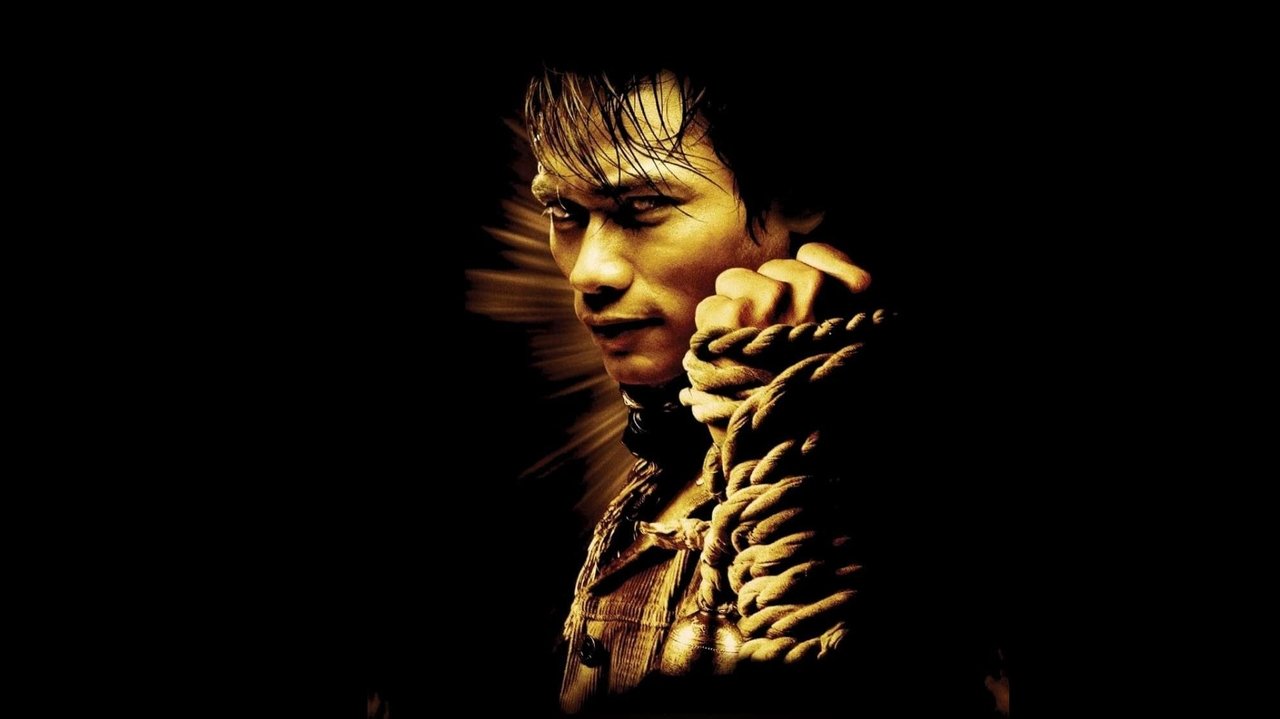
Keep Exploring...
-
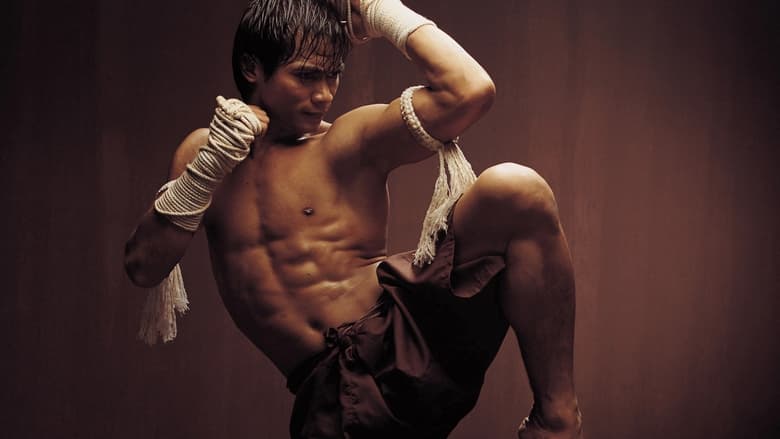
Ong-Bak
2003
-
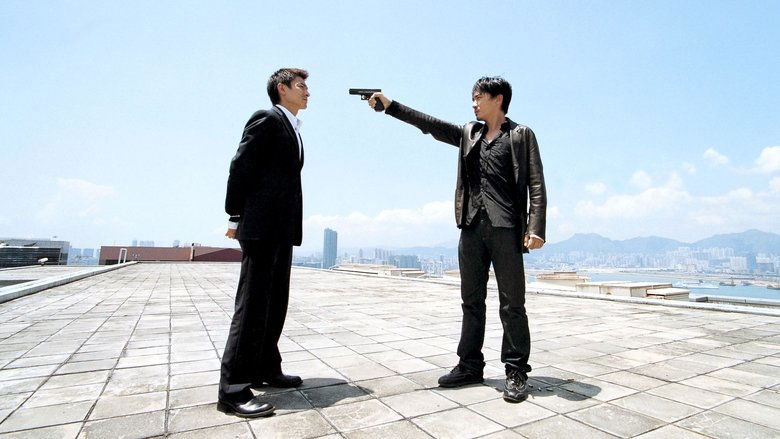
Infernal Affairs
2002
-
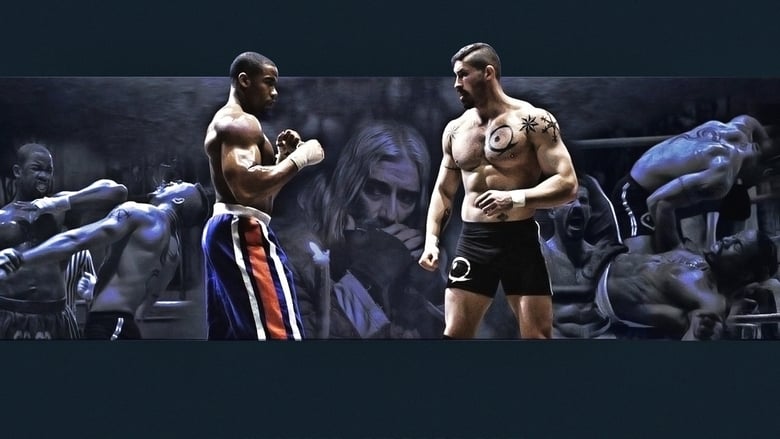
Undisputed II: Last Man Standing
2006
-
United 93
2006
-
Mesrine: Killer Instinct
2008
-
Mesrine: Public Enemy #1
2008
-
Undisputed III: Redemption
2010
-
Batman: Year One
2011
-
Running Scared
2006
-
Death Sentence
2007
-
Street Kings
2008
-
Harry Brown
2009
-
Takers
2010
-
Felon
2008
-

Blood and Bone
2009
-
The Count of Monte Cristo
2002
-
Tell No One
2006
-
Before the Devil Knows You're Dead
2007
-
Cell 211
2009
-
The Score
2001