The Ring Two
"She never sleeps. She just waits for a sequel."
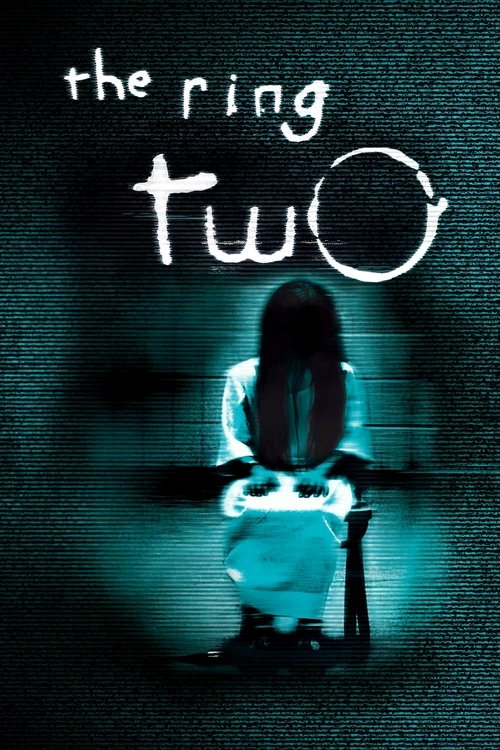
I still remember the absolute chokehold the original American remake of The Ring had on us in the early 2000s. We were all checking our landlines, eyeing our bulky CRT televisions with suspicion, and pretending we weren’t terrified of damp, long-haired girls. By the time The Ring Two crawled out of the well in 2005, the novelty of the "cursed VHS" had started to pixelate. I watched this one in a dorm room while sitting on a beanbag chair that was slowly leaking its polystyrene guts across my carpet, and honestly, the struggle to keep those tiny foam balls off my socks was occasionally more tense than what was happening on screen.
The Nakata Connection and the Rainy Vibe
The most fascinating thing about The Ring Two isn't necessarily what’s on the screen, but who was behind the camera. In a move that felt like a major win for film nerds at the time, DreamWorks hired Hideo Nakata—the man who directed the original Japanese Ringu—to helm this American sequel. It was a full-circle moment for the J-horror wave that was dominating the decade. Nakata brought a specific, wet, suffocating atmosphere to the production that felt distinct from Gore Verbinski’s (of Pirates of the Caribbean fame) more polished, high-contrast look from the first film.
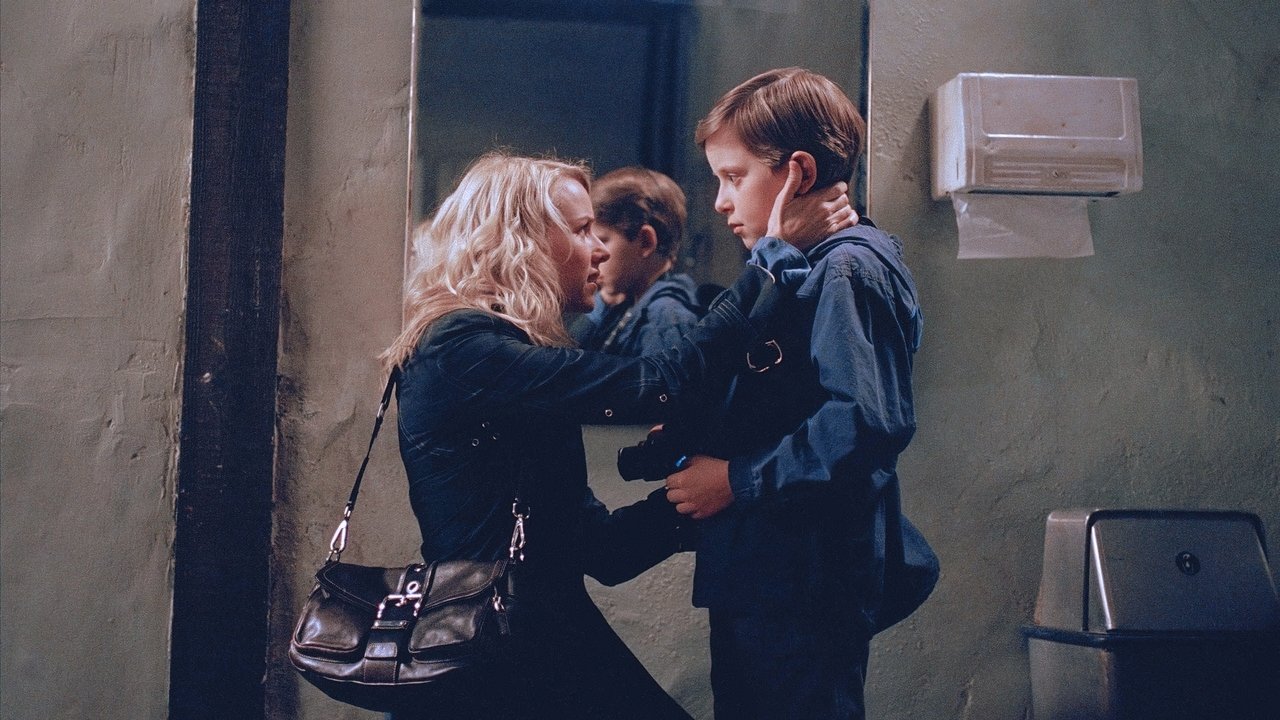
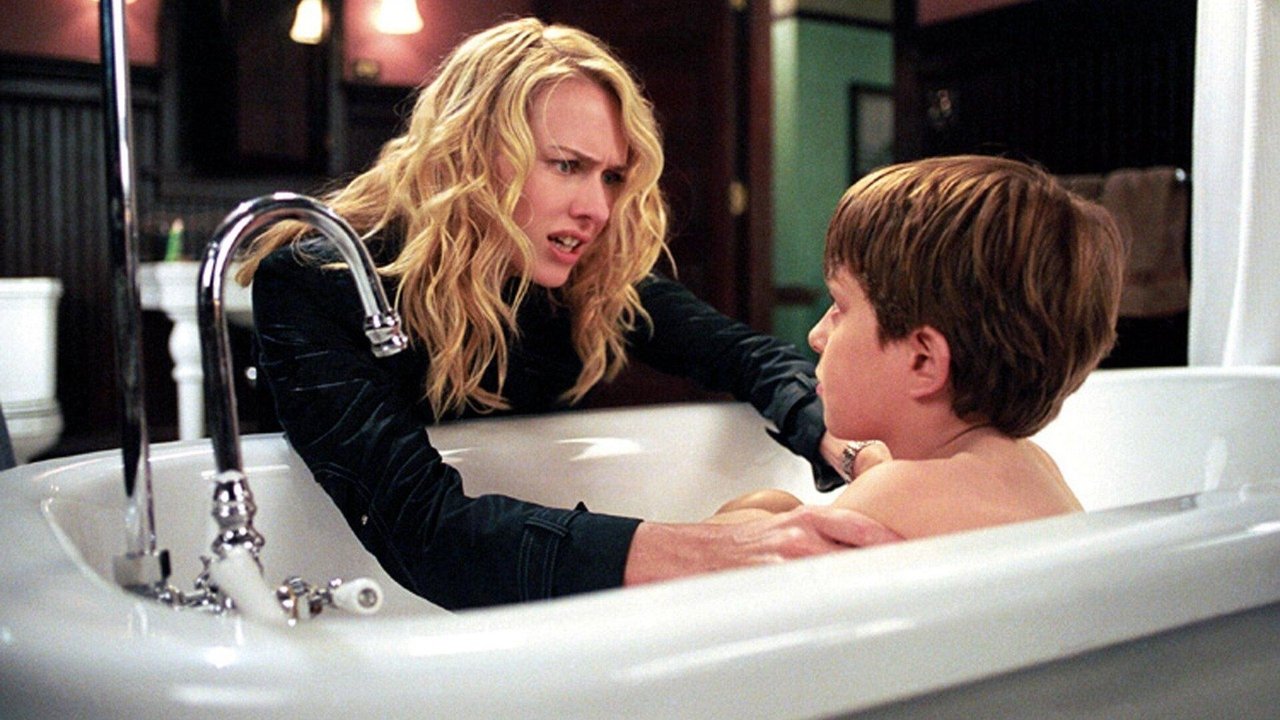
The story picks up with Rachel (Naomi Watts) and her son Aidan (David Dorfman) trying to live a quiet life in Astoria, Oregon. It’s the perfect setting for a horror movie; it’s perpetually overcast and looks like the sun hasn't visited since 1984. But Samara isn't the type to let a little thing like a relocation stop her. She moves from being a ghost in a tape to a supernatural entity trying to physically possess Aidan. This shift is where the movie starts to wobble. By moving Samara out of the television and into the "real world," she loses that tech-anxiety edge that made her so terrifying in the first place.
When CGI Deers Attack
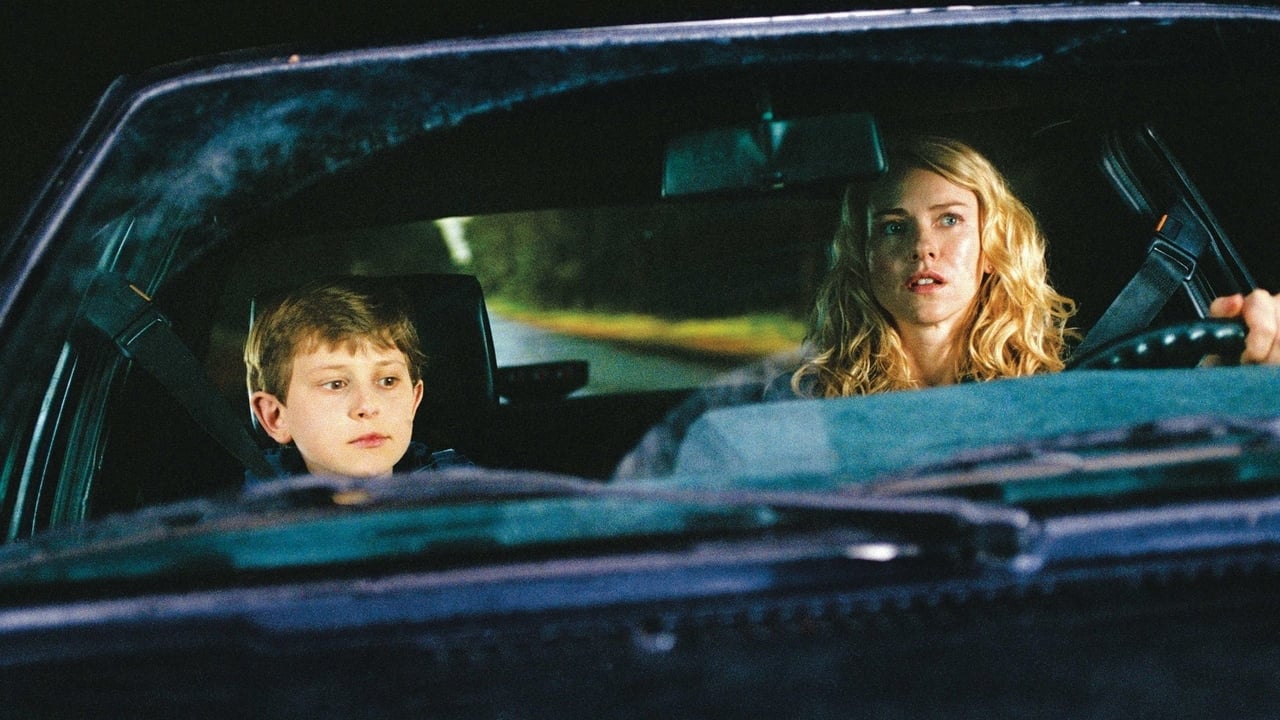
We have to talk about the deer. If you remember one thing about this movie, it’s probably the scene where Rachel and Aidan are driving through the woods and are besieged by a herd of aggressive, supernatural stags. At the time, this was a massive set piece intended to showcase the "modern" digital effects of 2005. Looking back, the deer look like they were rendered on a haunted PlayStation 2, and the physics of them slamming into the car feel more like a glitchy video game than a nightmare.

It’s a perfect example of that mid-2000s transition where Hollywood was leaning hard into CGI but hadn't quite mastered the weight and texture needed to make it truly scary. It’s ambitious, sure, but it lacks the tactile dread of the first film’s practical scares. I’ll give credit where it’s due, though: the sound design in this sequence is top-tier. The thuds and unnatural snorts of the animals still manage to get under my skin, even if the visuals haven't aged gracefully.
A Cast That Deserved More
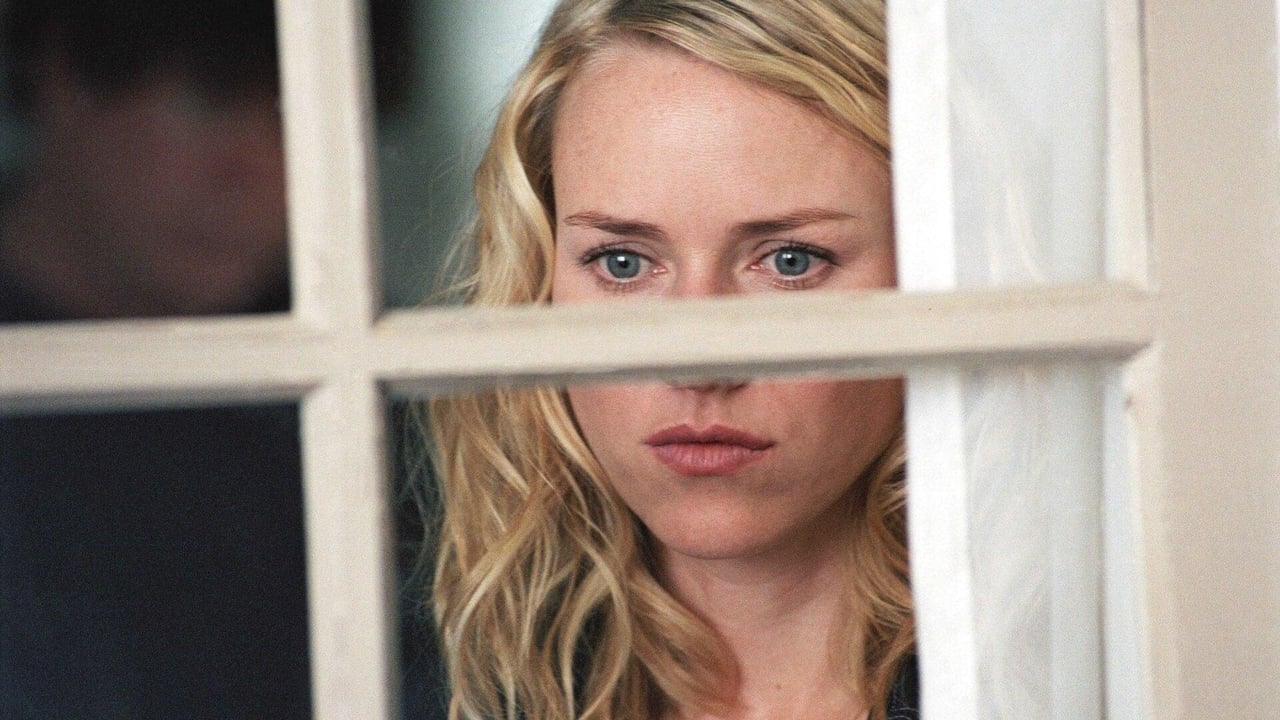
Naomi Watts is, as always, doing the absolute most. Fresh off her breakout and heading toward King Kong, she brings a grounded, desperate maternal energy to Rachel that almost makes you believe the logic-leaps the script asks you to take. She is joined by Simon Baker (The Mentalist), who plays a nice-guy photographer, and the legendary Sissy Spacek (Carrie), who shows up for a brief, creepy cameo as Samara’s biological mother.
Seeing Sissy Spacek in an institution, whispering cryptic warnings, felt like a passing of the horror torch. It’s one of the few scenes where the film taps into that deep, psychological unease the franchise is known for. David Dorfman also deserves a shout-out for being one of the few child actors who can pull off "creepy, possessed kid" without being unintentionally funny—most of the time, anyway.
The Blockbuster Legacy
Despite the lukewarm critical reception, The Ring Two was a financial juggernaut. It cost about $50 million to make and raked in over $161 million worldwide. It proved that the "franchise mentality" was firmly taking root in the horror genre. This was the era where we weren't just getting movies; we were getting "Collections." The DVD release was a huge deal, too, featuring a short film called Rings that bridged the gap between the two movies—a clever bit of marketing that rewarded the "lore-hunters" of the early internet.
The film leans into the "post-9/11" anxiety of the era, focusing on the idea that you can't truly protect your family, even if you move to the middle of nowhere. It’s about the breakdown of the domestic sanctuary. While it doesn't have the sheer, primal terror of the 2002 original, it’s a fascinating time capsule of a moment when Hollywood was trying to figure out how to keep a ghost story alive in an increasingly digital world.
Ultimately, The Ring Two is a middle-of-the-road sequel that survives mostly on the back of Naomi Watts' performance and the lingering goodwill of its predecessor. It’s got some wonderfully moody cinematography by Gabriel Beristain, but it suffers from a script that feels like it’s treading water—pun absolutely intended. It’s a decent choice for a rainy Sunday afternoon when you want to feel a bit of a chill, but it won't leave you afraid of your TV. Just maybe keep an eye out for any CGI deer on your way home.
Keep Exploring...
-
The Ring
2002
-
The Exorcism of Emily Rose
2005
-
The Skeleton Key
2005
-

The Gift
2000
-
Carriers
2009
-
What Lies Beneath
2000
-

Dreamcatcher
2003
-
The Eye
2008
-
Untraceable
2008
-
After.Life
2009
-
The Last House on the Left
2009
-
The Woman in Black
2012
-
xXx
2002
-
The Village
2004
-
Flightplan
2005
-
Mr. & Mrs. Smith
2005
-
Fast & Furious
2009
-
The Hole
2001
-
The Cell
2000
-
Gothika
2003