The Skeleton Key
"Believing is the only way in."

I first watched The Skeleton Key in a cramped, humid apartment during a summer heatwave, and honestly, the lack of air conditioning probably added three points to the score. There is something about the damp, oppressive atmosphere of a Louisiana bayou that demands you be at least a little bit sweaty while viewing it. It’s a film that lives and breathes in the moss-draped shadows of the Deep South, and looking back nearly twenty years later, it remains one of the most effective atmospheric thrillers of the early 2000s.
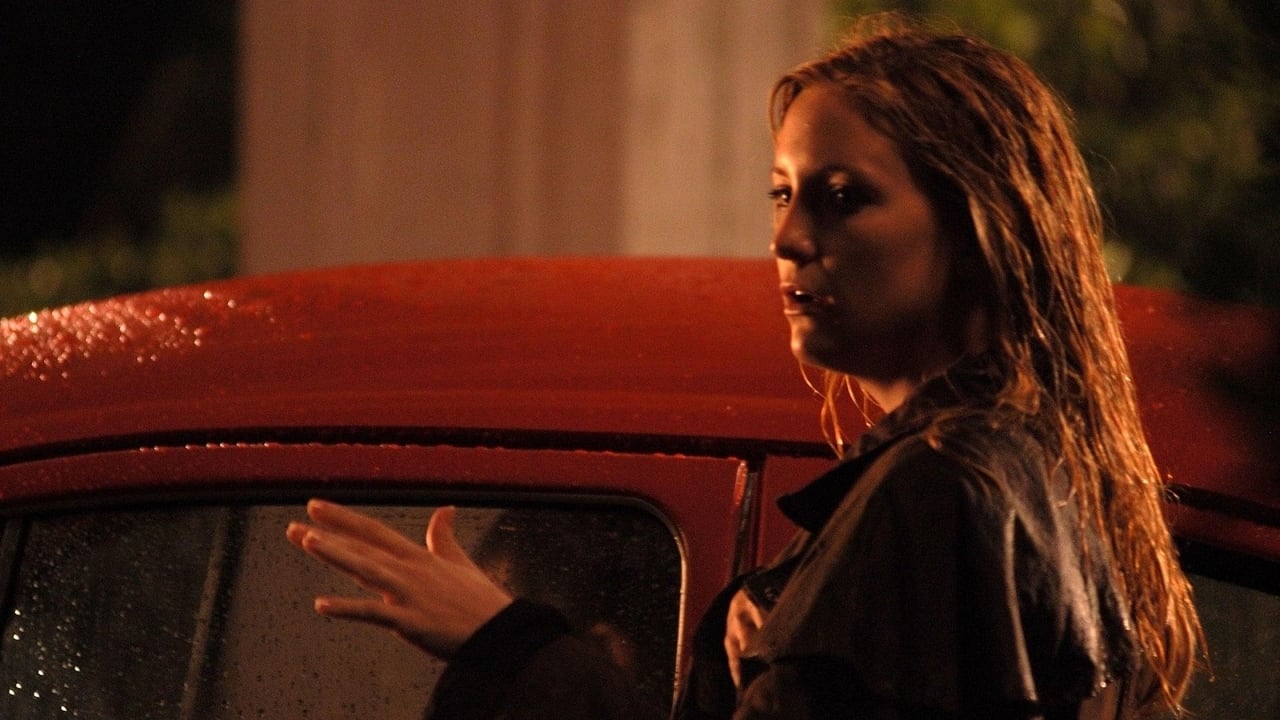
Humidity, Hoodoo, and Haunted Halls
The mid-2000s was a strange time for horror. We were transitioning out of the post-Scream meta-slasher era and knee-deep in the J-horror remake craze (thanks largely to Ehren Kruger, who wrote the screenplay for this film and the American version of The Ring). The Skeleton Key feels like a bridge between those worlds—it has the slick, studio polish of a Universal Pictures production, but it swaps out the long-haired ghost girls for something much more grounded in American folklore: Hoodoo.
Kate Hudson (fresh off the breezy charm of How to Lose a Guy in 10 Days) plays Caroline, a hospice nurse with a savior complex who takes a job at a crumbling plantation house in Terrebonne Parish. She’s there to care for Ben (John Hurt, bringing a hauntingly silent vulnerability), a stroke victim who seems terrified of his own wife, Violet. As Violet, the legendary Gena Rowlands is a masterclass in Southern Steel. She’s polite, hospitable, and deeply unsettling.
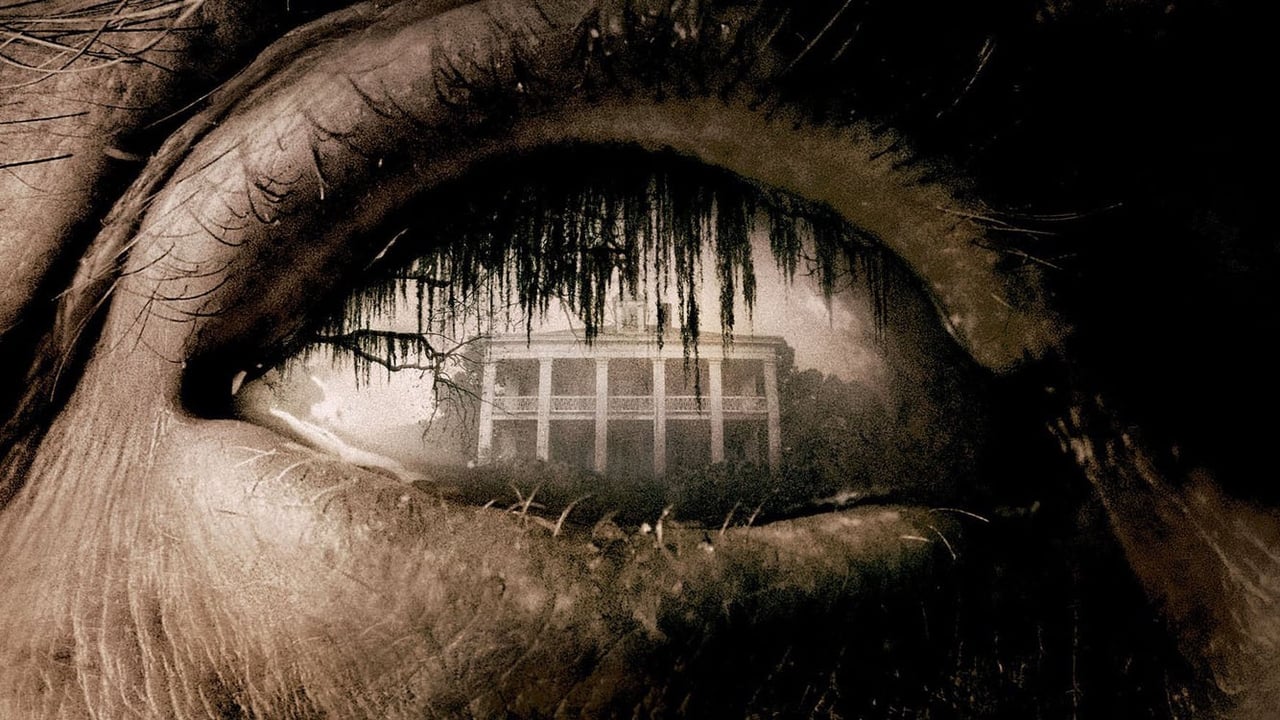
The house itself is a marvel of production design. It’s not just "spooky"; it feels lived-in and rotting. Director Iain Softley (who gave us the cult hit Hackers) and cinematographer Dan Mindel (later known for his lens-flare-heavy work on Star Trek) use a jaundiced, sepia palette that makes every frame feel like an old, stained photograph. They filmed on location at the Felicity Plantation, the same site later used for 12 Years a Slave, and you can practically feel the history leaching out of the walls.
The Mechanics of Belief
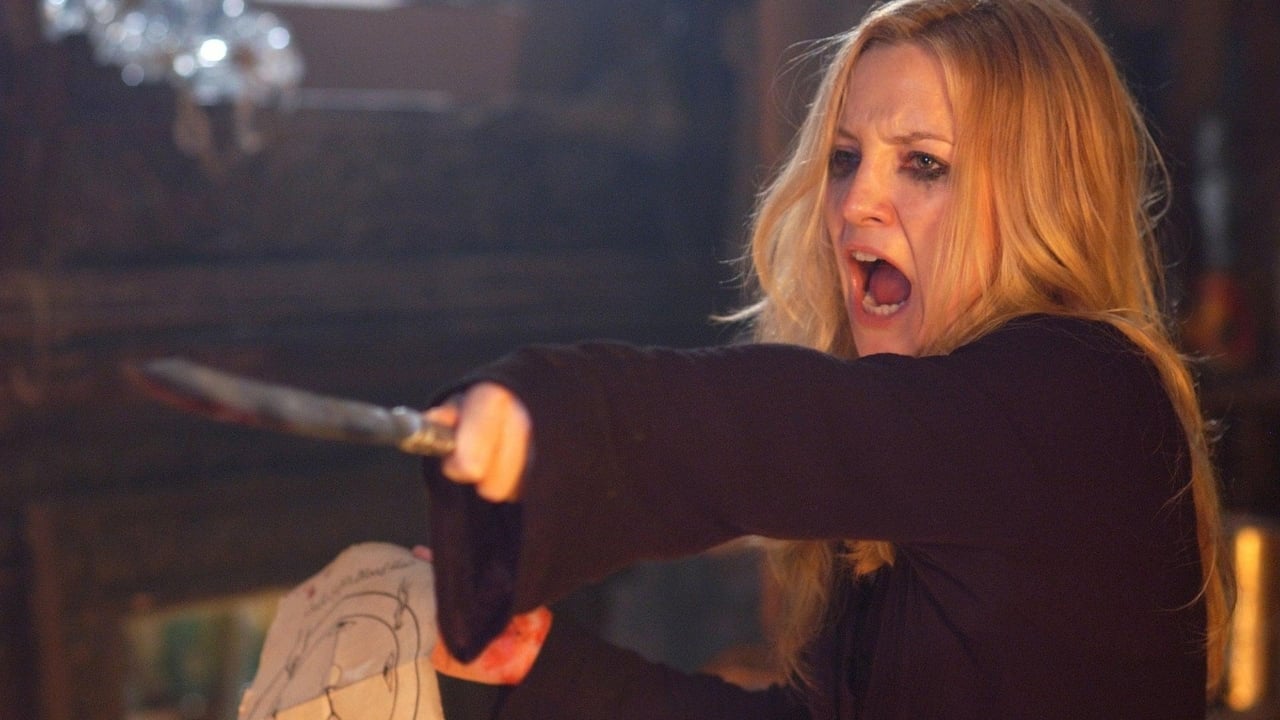
What makes this film work better than your average jump-scare fest is its internal logic. Most horror movies rely on the protagonist being an idiot; here, Caroline’s downfall is her curiosity and her empathy. She doesn’t believe in magic, which is exactly why she thinks she’s safe. The film does a fantastic job of explaining the "rules" of Hoodoo—specifically that it can’t hurt you if you don't believe in it. The movie effectively weaponizes the audience’s desire for the protagonist to solve the mystery.
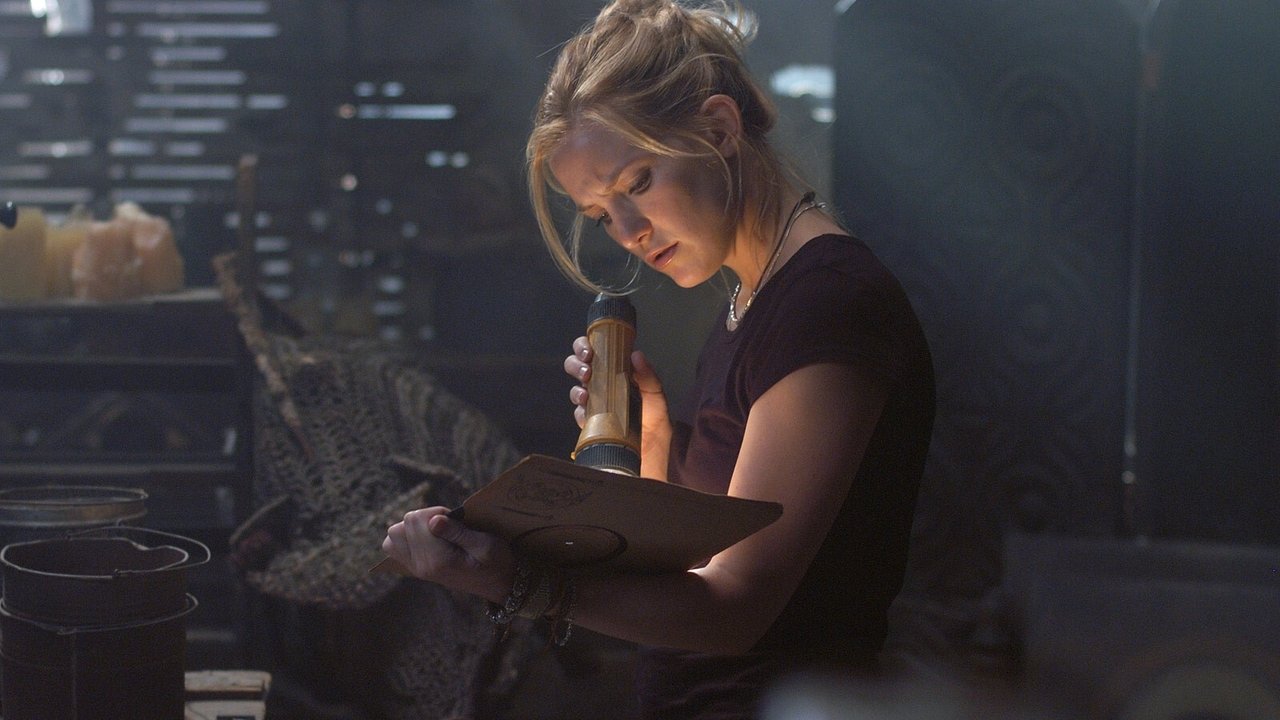
I remember the DVD release of this one vividly—it was one of those discs where the special features actually mattered. There was a featurette on the history of Hoodoo and Voodoo that clarified how the production hired real practitioners as consultants to ensure the "conjure" looked authentic. They used real brick dust and specific herbs for the "protective" spells seen on screen. That level of detail keeps the film from feeling like a cheap caricature of Southern culture, even if it still plays into some "Spooky South" tropes.
Peter Sarsgaard shows up as Luke, a local lawyer who seems a bit too helpful, and Joy Bryant provides a necessary anchor as Caroline’s skeptical friend, Jill. But the movie belongs to the house and the hidden room in the attic. The "less is more" approach to the supernatural elements—seeing things in the corner of a mirror or hearing a scratch in the ceiling—builds a slow-burn dread that is far more effective than the CGI-heavy climaxes of other films from 2005 (I'm looking at you, Constantine).
A Twist with Actual Teeth
We have to talk about the ending without talking about the ending. In the post-Sixth Sense landscape, every thriller was desperate to pull the rug out from under the audience. Most of them failed. The Skeleton Key, however, sticks the landing with a grim, cynical finality that feels earned. It’s the kind of ending that makes you immediately want to restart the movie to see all the breadcrumbs you missed.
Looking back, this film represents a specific moment in cinema where mid-budget, adult-oriented horror could still thrive in theaters. It wasn't trying to start a franchise or sell toys; it just wanted to tell a mean little ghost story. It’s aged surprisingly well, mostly because it relies on practical atmosphere and top-tier acting rather than dated digital effects. If you can ignore the fact that Kate Hudson’s character ignores about fifty massive red flags in the first twenty minutes, it’s a near-perfect thriller.
The film's legacy has grown into a bit of a cult classic status, especially among fans who appreciate a horror movie that respects its own mythology. It's a "rainy Sunday afternoon" kind of movie—best served with a cold drink and the lights turned low. It reminds me of a time when the "DVD extras" era was at its peak, teaching us about film craft while simultaneously creeping us out. The Skeleton Key doesn't just ask you to watch; it asks you to believe, and in the world of Southern Gothic horror, that's the most dangerous thing you can do.
Keep Exploring...
-
K-PAX
2001
-

The Gift
2000
-
Inland Empire
2006
-
Untraceable
2008
-

Red Riding Hood
2011
-
The Skin I Live In
2011
-
What Lies Beneath
2000
-
After.Life
2009
-
From Hell
2001
-
House of Wax
2005
-
Lucky Number Slevin
2006
-
Pandorum
2009
-
Devil
2010
-

Let Me In
2010
-
The 6th Day
2000
-
Ghost Ship
2002
-
The Ring Two
2005
-
Martyrs
2008
-
Antichrist
2009
-
Case 39
2009