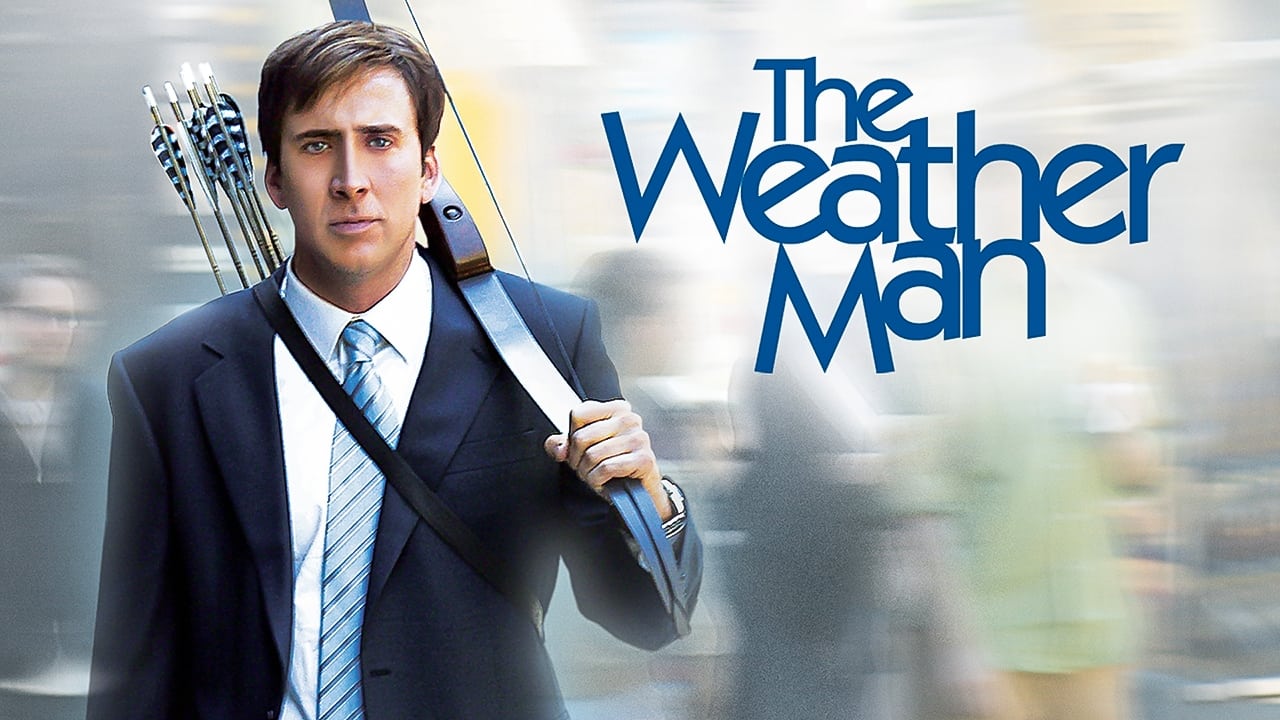
The Weather Man
"The forecast calls for a mid-life crisis."
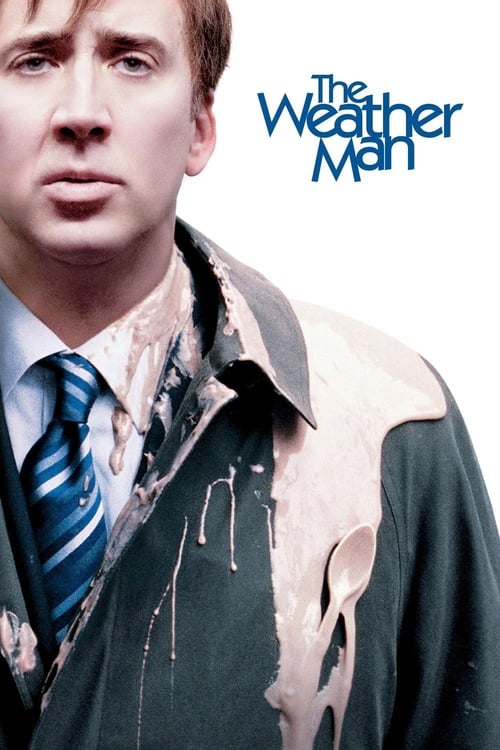
There is a specific, recurring indignity in The Weather Man that I can’t stop thinking about: people keep throwing fast food at Nicolas Cage. Large shakes, half-eaten tacos, apple pies—they soar through the Chicago air and thud against his expensive overcoat with a wet, pathetic sound. It’s not played for slapstick laughs. It’s played for the kind of soul-crushing embarrassment that makes you want to crawl under your theater seat and stay there until the credits roll.
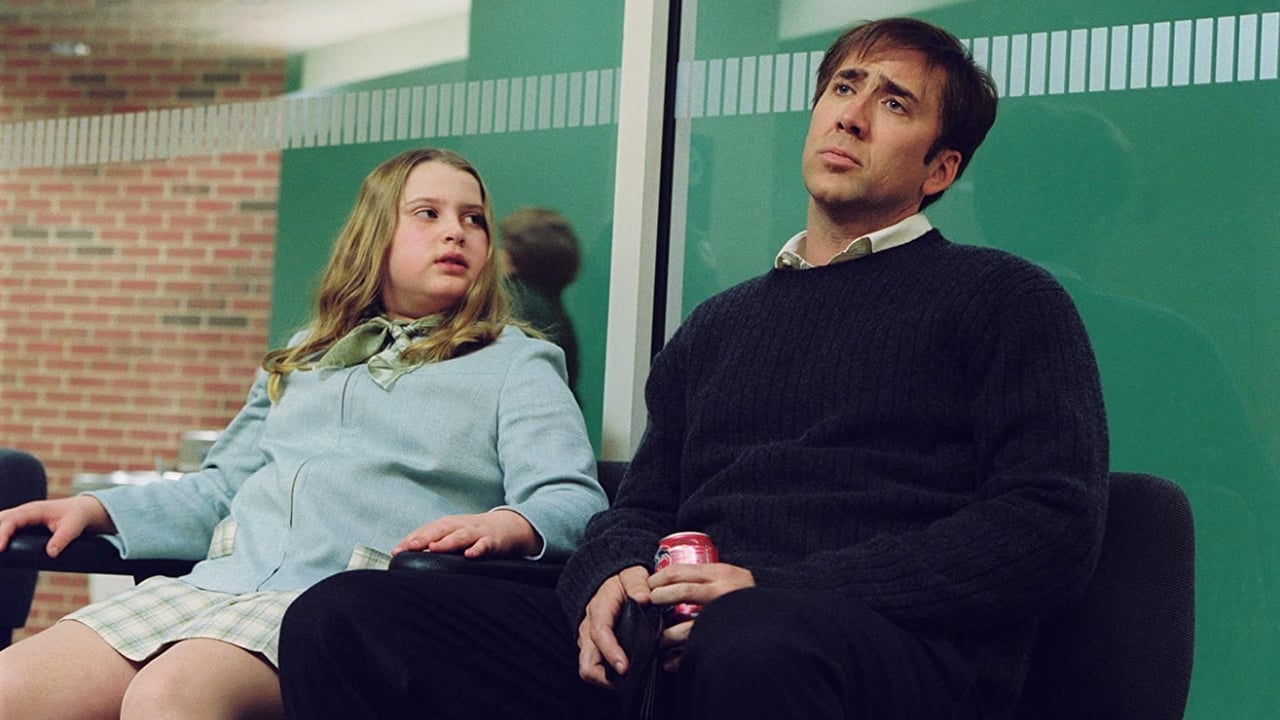
I watched this film on a Tuesday evening while eating a bowl of lukewarm oatmeal, and the blandness of the meal weirdly complemented the film's existential grey palette. It’s a movie that feels like a cold, damp Tuesday in November. Yet, somehow, I find myself returning to it every few years, drawn back to its prickly, uncomfortable honesty.
A Storm Front of Mediocrity
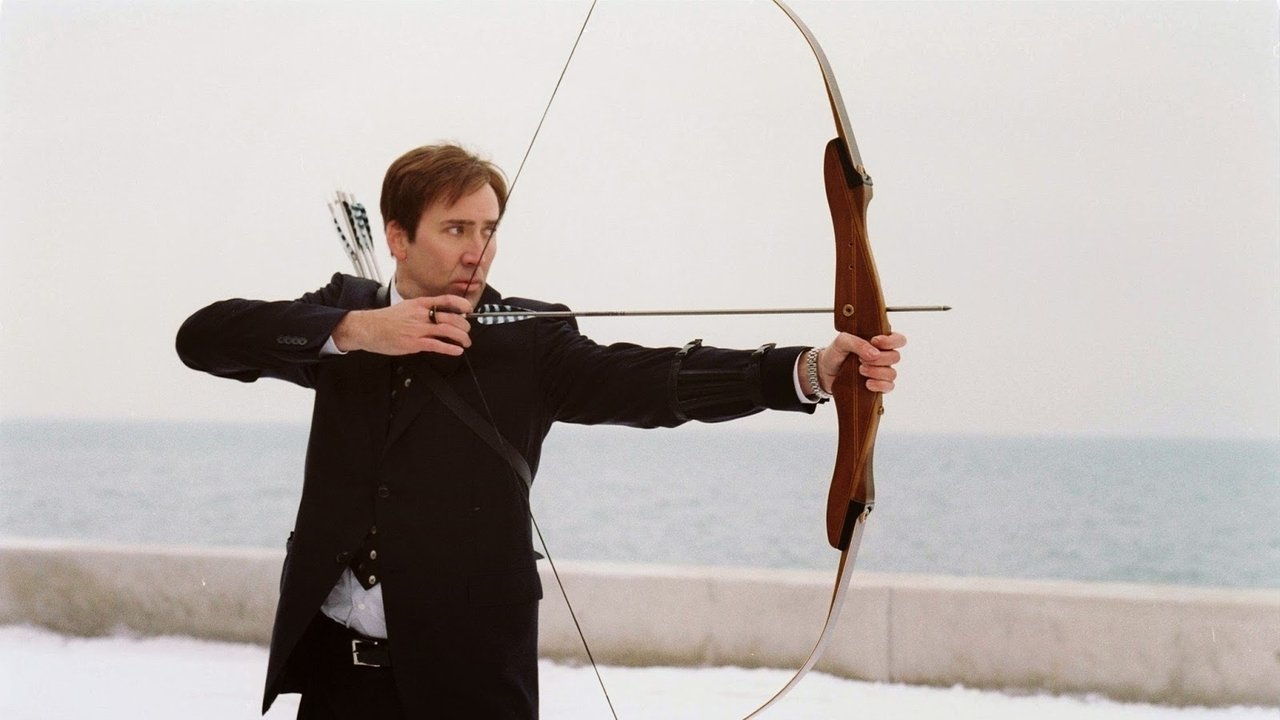
Released in 2005, The Weather Man arrived at a strange crossroads in cinema. Director Gore Verbinski was fresh off the gargantuan success of Pirates of the Caribbean: The Curse of the Black Pearl, and audiences likely expected something… well, fun. Instead, they got a grimly funny, deeply cynical character study about David Spritz (Nicolas Cage), a local celebrity who is "easy to see, but hard to like."
David is a man who makes $240,000 a year for working two hours a day standing in front of a green screen, yet he is a total failure in every metric that actually matters. His ex-wife, Noreen (Hope Davis), views him with a weary, practiced disdain. His daughter is struggling with self-esteem, his son (Nicholas Hoult, long before he was an X-Men or a Mad Max war boy) is navigating a disturbing legal situation, and his father is a Pulitzer Prize-winning titan of dignity played by Michael Caine.
The film captures that mid-2000s "Modern Cinema" transition perfectly. It has that clean, slightly desaturated Phedon Papamichael cinematography that defined the era's prestige dramas, but it applies it to a story that feels like an indie flick with a massive studio budget. It’s a movie about the realization that having a cool job and a high salary is just a shiny veneer over a hollowed-out life.
The Cage We Forget
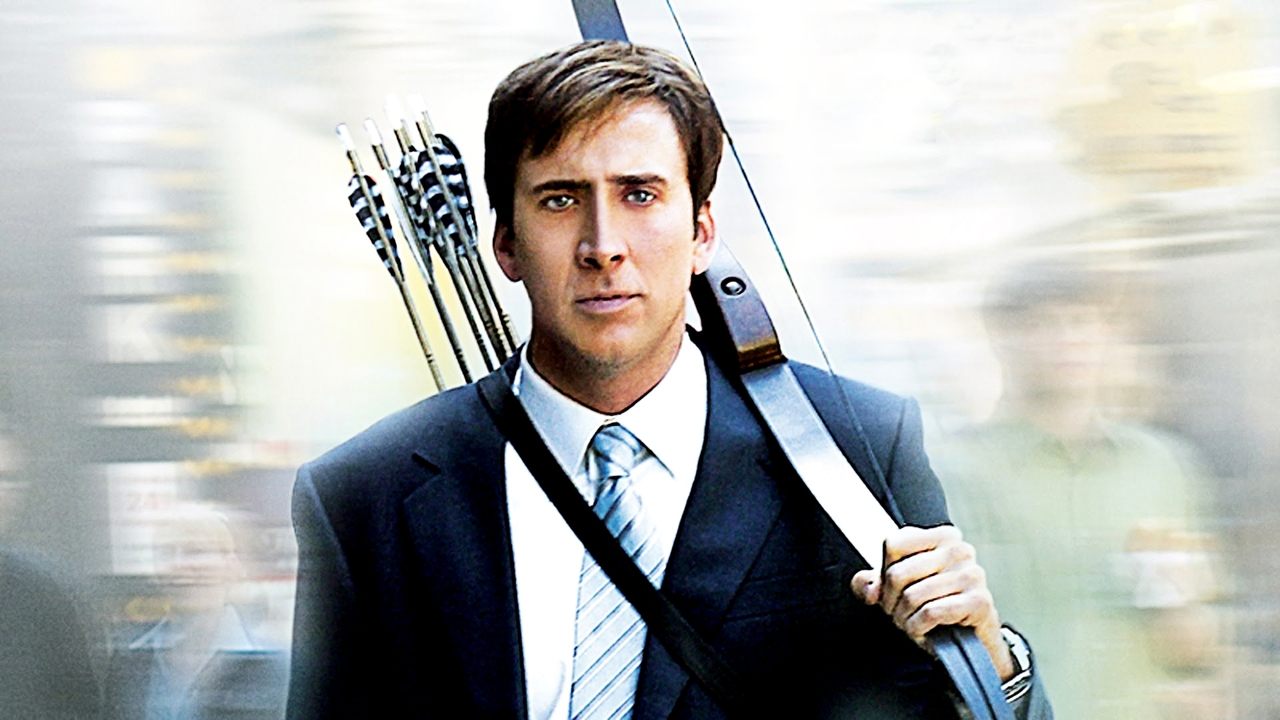
We talk a lot about "Classic Cage"—the shouting, the eye-bulging, the operatic freak-outs. But The Weather Man showcases a different, arguably more impressive version: "Restrained Cage." As David, he is a man constantly trying to hold his breath so his life doesn't collapse. He’s awkward, he’s petty, and he’s deeply relatable in his desire for his father’s approval.
Michael Caine is the perfect foil here. He doesn't have to raise his voice to make David feel two inches tall; he just has to look at him with a mixture of pity and disappointment. Their scenes together are the heart of the movie, illustrating the impossible weight of being the mediocre son of a great man. It’s a performance of quiet, looming shadows.
The script by Steven Conrad (who later gave us the equally melancholy The Secret Life of Walter Mitty) is sharp and avoids the easy resolutions of typical Hollywood dramas. There’s a scene involving "Tartar Sauce"—a nickname David’s daughter receives—that is so painful it’s almost unwatchable, yet it perfectly encapsulates the film's theme: we can’t control how the world perceives us, no matter how hard we try to forecast the outcome.
Why Did This Disappear?
Despite the star power and a director coming off a billion-dollar hit, The Weather Man sank at the box office, barely making back half its $20 million budget. I think it was a victim of a "marketing identity crisis." The trailers sold it as a quirky, American Beauty-esque dark comedy, but the actual film is far more interested in the "dark" than the "comedy." It’s a movie that asks you to sit with a protagonist who is often his own worst enemy.
In the era of the DVD boom, this was the kind of film that found a second life on the "Recently Added" shelf at Blockbuster. It’s a "vibe" movie—one that captures the specific anxiety of the early 2000s, where the promise of the 90s had faded into a cold, corporate reality. This movie is essentially a feature-length panic attack disguised as a sitcom.
Looking back now, it feels even more prescient. In a world of curated social media personas, David Spritz is the original victim of the "image vs. reality" divide. He’s a guy who everyone recognizes, but nobody actually knows or respects.
The Weather Man isn't a "feel-good" movie by any stretch of the imagination, but it is a "feel-real" movie. It’s a beautifully shot, superbly acted exploration of the fact that life is often just "discards and leavings." It might leave you feeling a bit chilly, but like a Chicago winter, there’s a stark, frozen beauty to it if you’re willing to put on a coat and walk through it. Don't go in expecting National Treasure; go in expecting a quiet, piercing look at a man trying to find his umbrella in a downpour of his own making.
Keep Exploring...
-
Matchstick Men
2003
-

It Could Happen to You
1994
-

The Mexican
2001
-

28 Days
2000
-
Confessions of a Dangerous Mind
2002
-

S1m0ne
2002
-
Holes
2003
-

Uptown Girls
2003
-

What a Girl Wants
2003
-
First Daughter
2004
-
Jersey Girl
2004
-

A Lot Like Love
2005
-

Broken Flowers
2005
-

Casanova
2005
-

Ice Princess
2005
-
The Family Stone
2005
-
The Sisterhood of the Traveling Pants
2005
-

A Good Year
2006
-
Just My Luck
2006
-
Dan in Real Life
2007