Walk the Line
"He played the legend. She saved the man."

The air in Folsom Prison is thick with something you can almost taste—sweat, cigarette smoke, and a desperate, rattling energy. When that kick drum starts thumping like a heartbeat against the floorboards, you aren't just watching a movie; you’re waiting for a lightning strike. I first watched Walk the Line on a Tuesday night while trying to fix a leaky faucet, and I ended up sitting on the kitchen floor with a wrench in my hand for two hours because I simply couldn't look away from the screen.

Coming out in 2005, James Mangold’s biopic arrived right at the peak of the "transformative actor" era. This was the window between 1990 and 2014 where Hollywood fell back in love with the prestige biography, but before every single one felt like it was following a Wikipedia checklist. Looking back, Walk the Line feels like the gold standard of that movement. It’s a film that understands Johnny Cash isn’t a collection of facts or a discography—he’s a mood, a growl, and a specific type of American ache.
The Alchemy of John and June
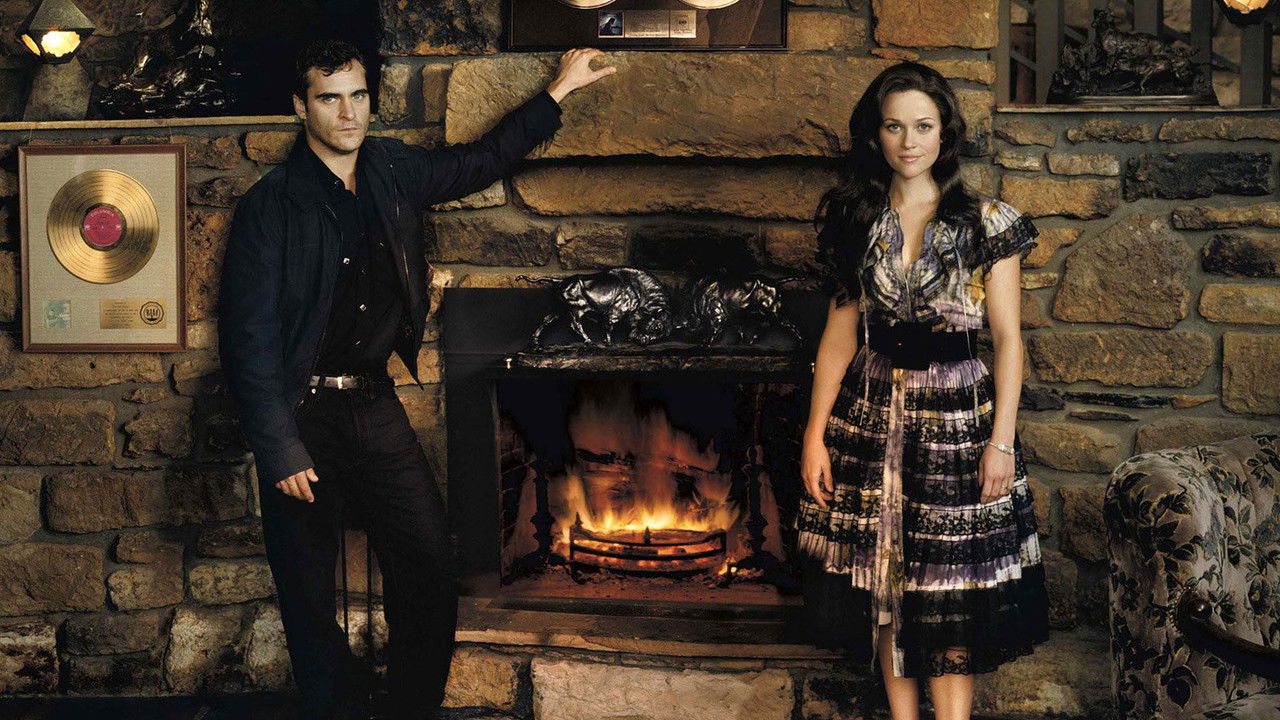
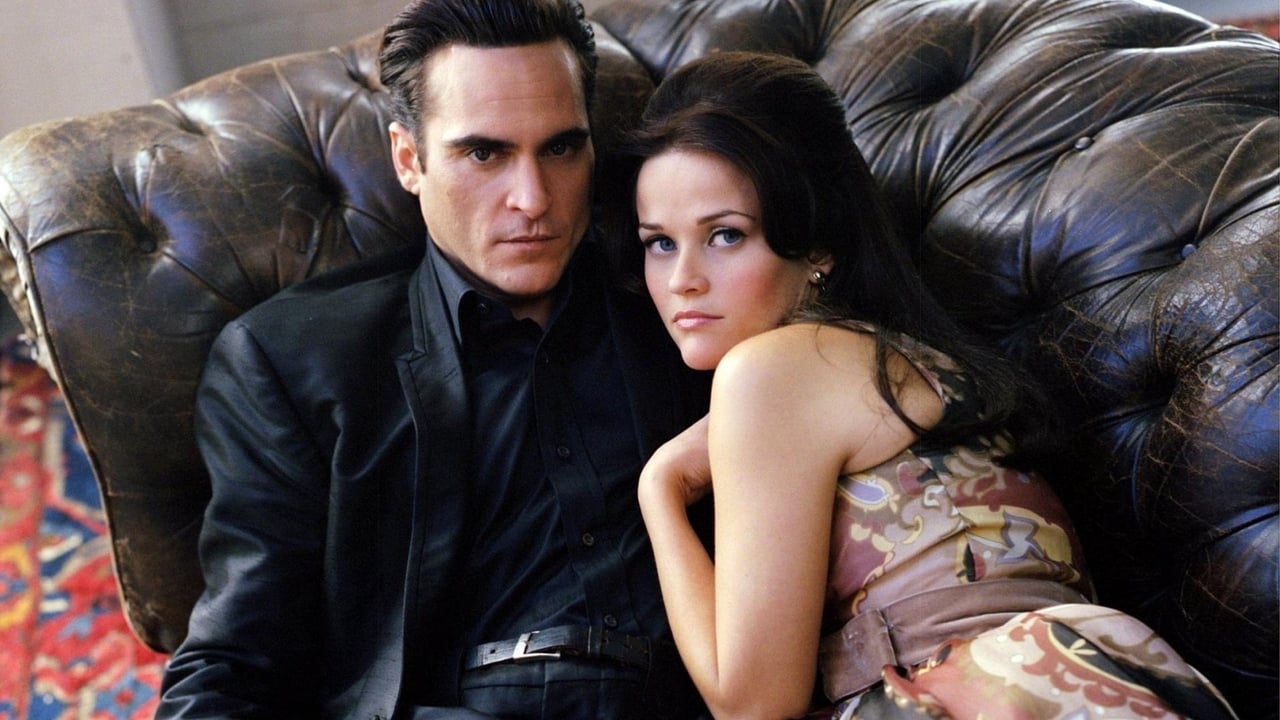
The movie lives and breathes on the chemistry between Joaquin Phoenix and Reese Witherspoon. In an era where digital de-aging and CGI tweaks are the norm, there is something profoundly refreshing about watching two actors do the heavy lifting with nothing but their voices and their eyes. Joaquin Phoenix doesn't just do an impression of the Man in Black; he captures the internal weather of John R. Cash. He plays him as a man constantly vibrating at a frequency the rest of the world can’t quite hear.
Then there’s Reese Witherspoon as June Carter. At the time, she was primarily known for lighter fare like Legally Blonde, but here she is a revelation. She captures the exhausting reality of being a woman who has to be "on" for the public while carrying the weight of a broken man behind the scenes. Their chemistry is electric because it feels dangerous. It’s not a sanitized Hollywood romance; it’s two people circling each other like boxers who keep forgetting they’re supposed to be in love. The film’s greatest trick is making us believe a man as haunting as Joaquin Phoenix could ever be a simple cotton farmer.
More Than a Tribute Act
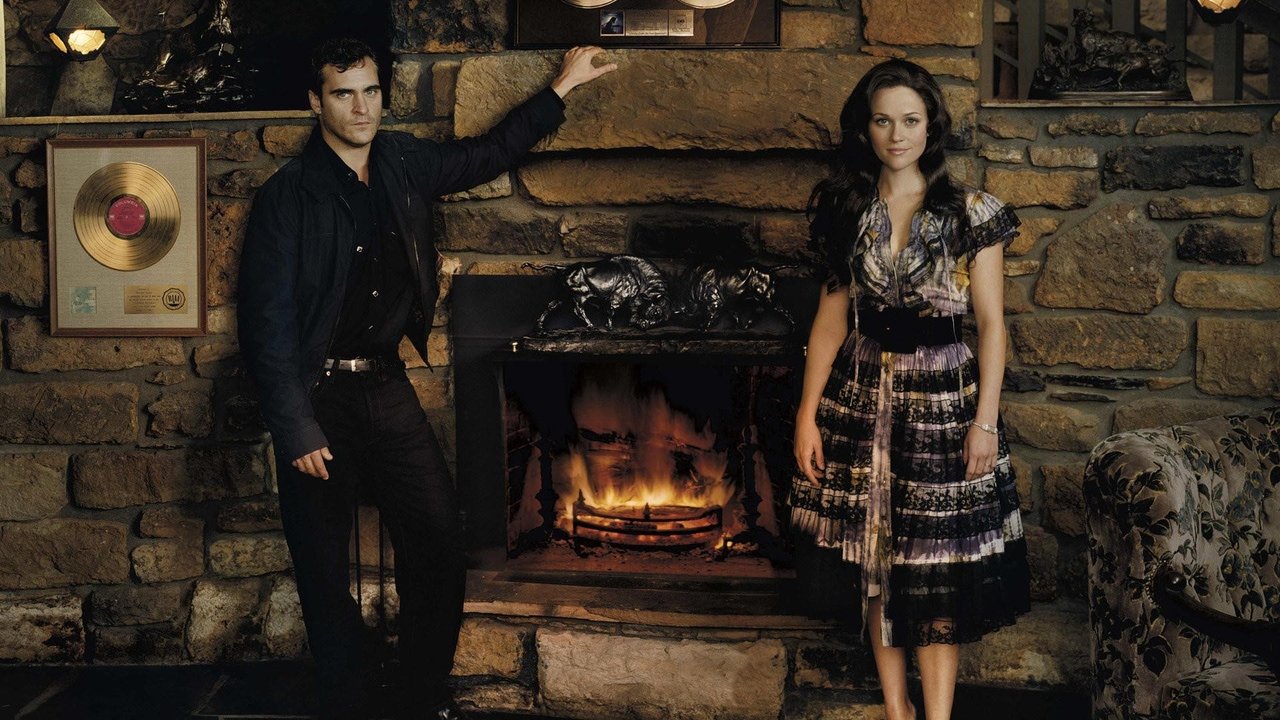
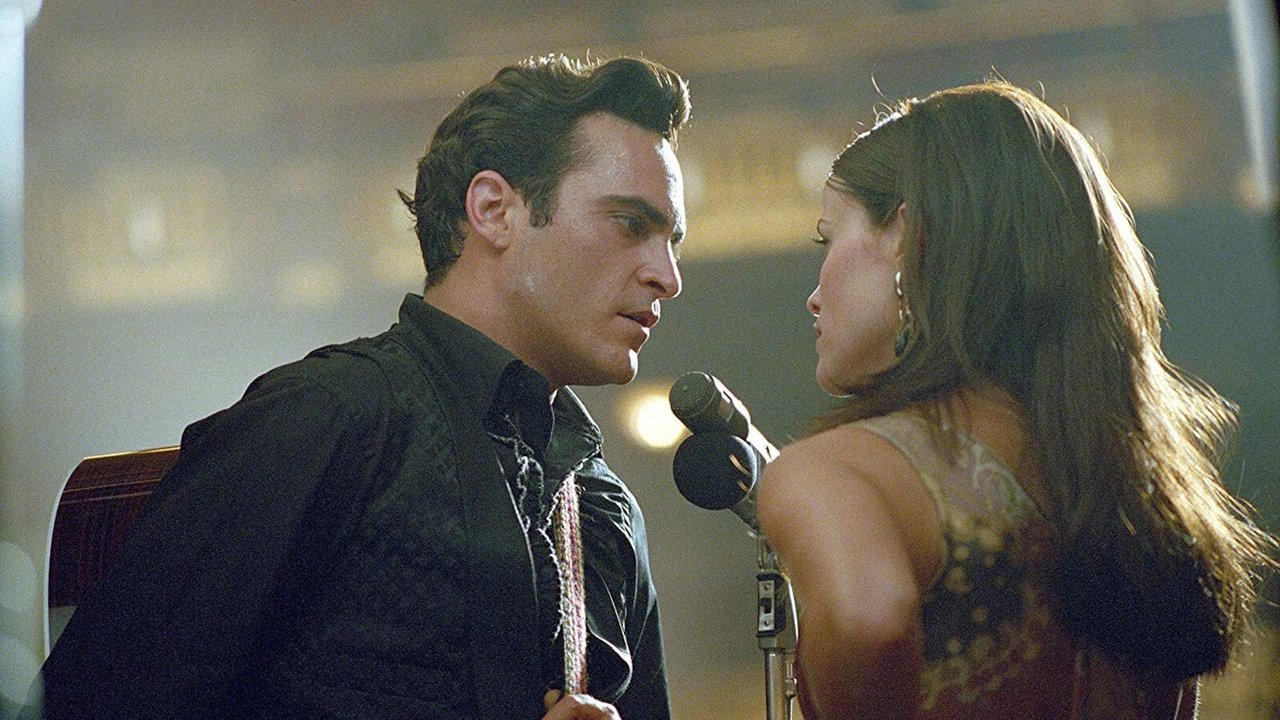
One of the most impressive things about Walk the Line—and something that would likely be "fixed" with studio-mandated lip-syncing today—is that the actors actually sang. Under the guidance of producer T Bone Burnett, Phoenix and Witherspoon spent months learning to inhabit the Sun Records sound. You can hear the effort in their voices. When Phoenix hits those low, rumbling notes in "Folsom Prison Blues," it feels grounded and physical. It’s not the polished perfection of a studio recording; it has the grit of a Memphis bar at 2:00 AM.
Director James Mangold (who would later give us the gritty Logan) shows a lot of restraint here. He lets the camera linger on the faces during the performances. He understands that the real drama isn't just in the lyrics, but in the way June looks at John from the wings of the stage. The supporting cast is equally sharp, particularly Ginnifer Goodwin as Vivian Cash. She has the thankless job of playing the "suffering wife," but she brings a jagged, righteous anger to the role that makes you realize John wasn't just a victim of his own demons—he was often the one creating them for others.
A Blockbuster with a Soul
Financially, Walk the Line was a monster. It turned a $28 million budget into nearly $187 million worldwide, proving that audiences were hungry for adult dramas that didn't rely on explosions. It’s a quintessential "Modern Cinema" success story: a mid-budget film driven by star power and critical acclaim that dominated the cultural conversation. It was everywhere. You couldn't go into a Best Buy without seeing the DVD on a pedestal, and the soundtrack stayed on the charts for what felt like an eternity.
Looking back, the film’s depiction of the "troubled genius" trope is bolstered by its honesty about addiction. It doesn't shy away from the ugliness of the pills or the cold, distance of John’s father, played with a terrifying stillness by Robert Patrick. While it hits some familiar biopic beats—the childhood trauma, the rise, the fall, the redemption—it earns its ending. Walk the Line is essentially a high-stakes addiction drama that occasionally breaks for a hoedown, and that tension is what keeps it from feeling like a museum piece.
Ultimately, Walk the Line works because it refuses to treat Johnny Cash as a saint. It treats him as a man who was desperately trying to find a way to live with himself. It’s a beautifully shot, impeccably acted piece of Americana that reminds me why we go to the movies in the first place: to see ourselves in the legends. Even if you don’t like country music, you’ll find yourself humming "Ring of Fire" for a week after the credits roll. It’s a film with a heartbeat, and that heartbeat sounds a lot like a freight train.
Keep Exploring...
-
Save the Last Dance
2001
-
Step Up
2006
-

High School Musical 3: Senior Year
2008
-

Step Up 2: The Streets
2008
-

Hannah Montana: The Movie
2009
-
Moulin Rouge!
2001
-
Cop Land
1997
-

Step Up Revolution
2012
-
High Fidelity
2000
-

High School Musical 2
2007
-
Crazy Heart
2009
-
Girl, Interrupted
1999
-
Two Lovers
2008
-

High School Musical
2006
-
Chocolat
2000
-
8 Mile
2002
-

About a Boy
2002
-

Closer
2004
-
Ray
2004
-

Sideways
2004