Wallace & Gromit: The Curse of the Were-Rabbit
"Hide your carrots. The beast is hungry."
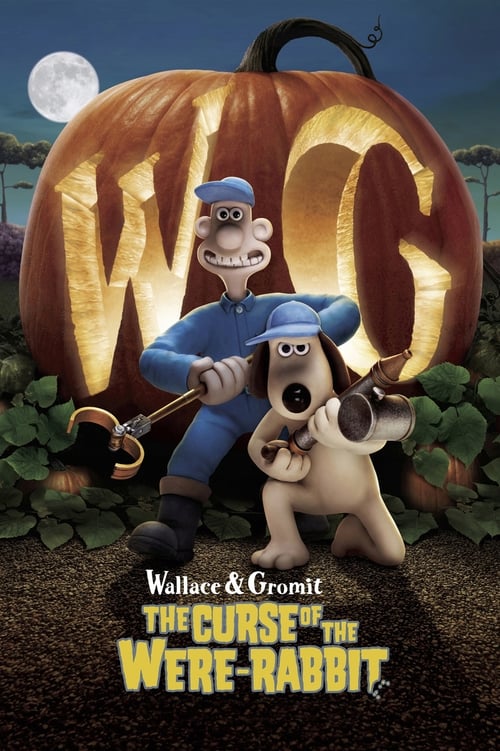
I remember watching this in a half-empty theater on a Tuesday afternoon while wearing a pair of corduroy pants that made a very loud swish-swish sound every time I moved. It felt strangely appropriate; there’s something inherently tactile and "fusty English" about the world of Wallace and Gromit that demands a bit of corduroy.
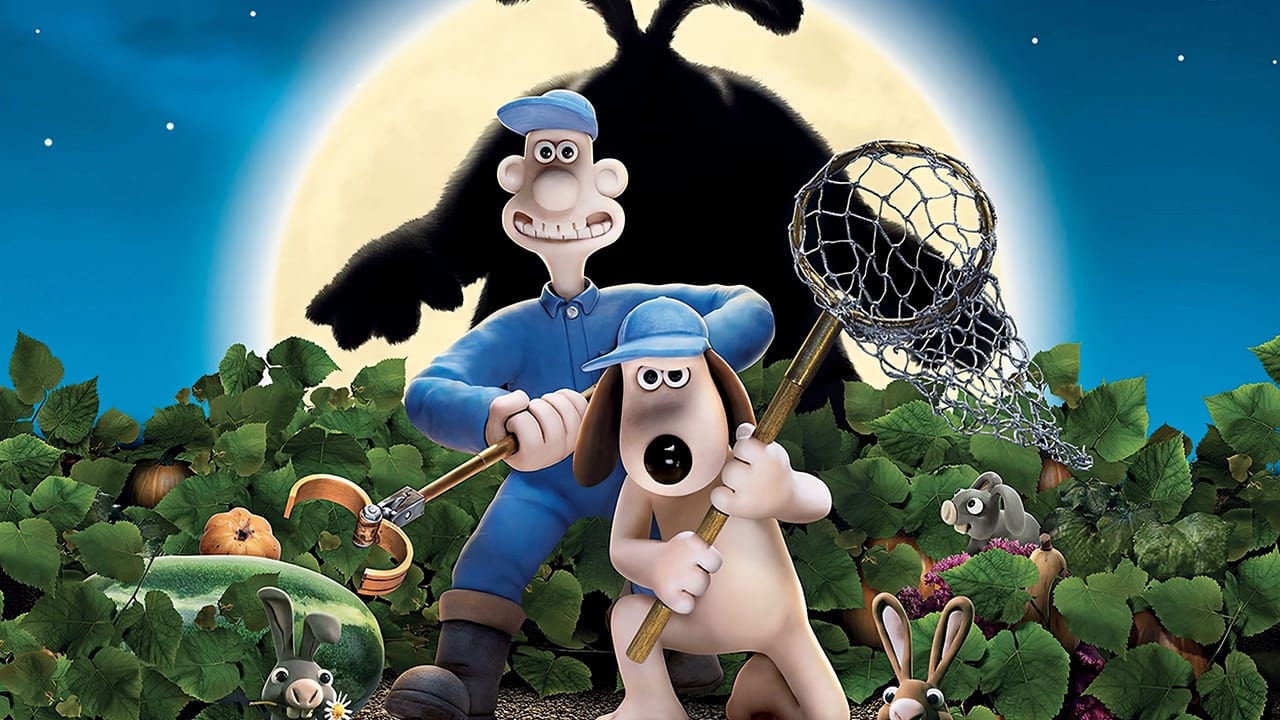
By 2005, the "CGI Revolution" wasn't just a trend; it was a total regime change. Toy Story was a decade old, and DreamWorks was pumping out glossy, digital hits like Shrek. Then along comes Nick Park and the wizards at Aardman Animations, doubling down on the most laborious, finger-cramping medium in existence: stop-motion claymation. The Curse of the Were-Rabbit wasn't just a movie; it was a thumbprint-covered middle finger to the digital age, proving that you didn’t need millions of rendered pixels to create a blockbuster. You just needed a lot of Plasticine and a terrifying amount of patience.
Hand-Crafted Chaos in a Digital World
The sheer scale of this production still boggles my mind. We’re talking about a film where every single frame—24 of them for every second of screentime—was painstakingly posed by hand. Looking back, this was the peak of the Aardman/DreamWorks partnership, a moment where the quirky, parochial humor of Bristol met the high-octane pacing of a Hollywood adventure.
The plot is a stroke of genius: Wallace (Peter Sallis) and his long-suffering canine companion, Gromit, run "Anti-Pesto," a humane pest-control business. They’re tasked with protecting the town's prized vegetables ahead of the annual Giant Vegetable Competition. But when a botched brain-alternation experiment (classic Wallace) creates a giant, veg-ravaging "Were-Rabbit," the film shifts into a brilliant parody of Hammer Horror films and Universal monster classics.
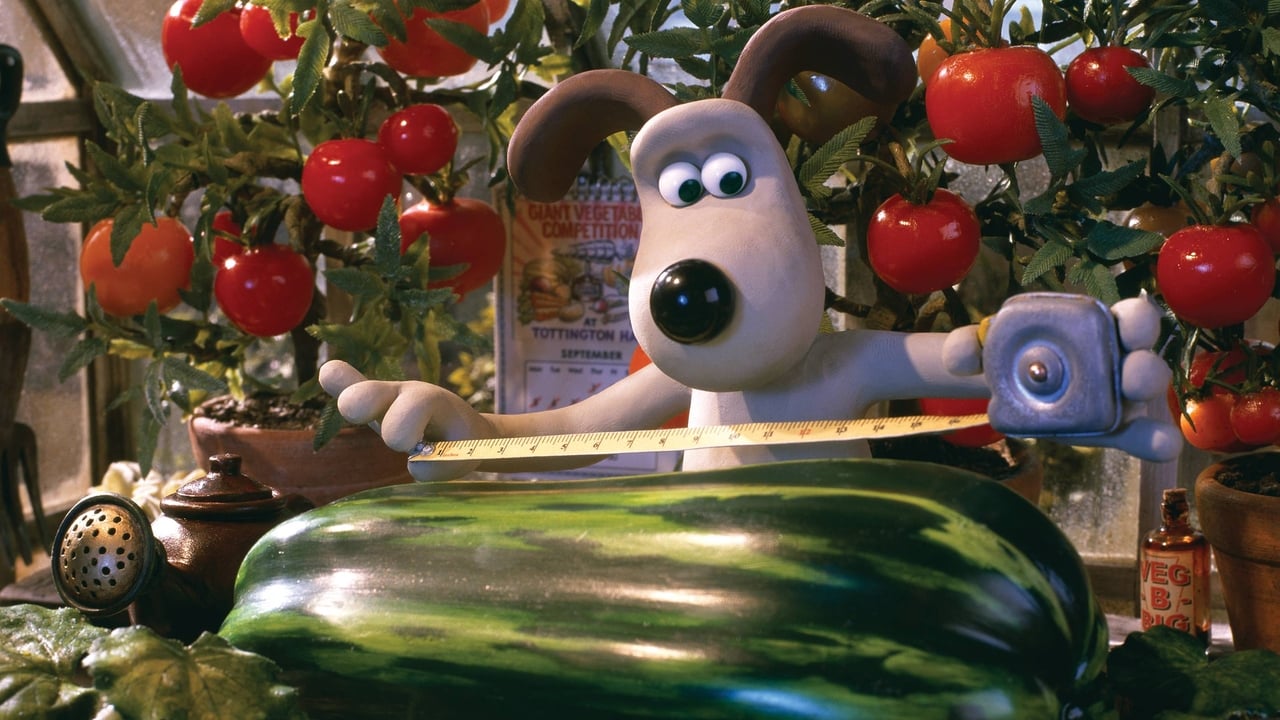
What’s remarkable is how the film treats its "Giant Veg" stakes with the same gravity Jurassic Park (1993) gave to escaped raptors. To these characters, a bruised marrow is a national tragedy. The movie successfully convinces you that a giant bunny is a legitimate existential threat, and that's the magic of the Aardman adventure. It builds a world that is so specific, so textured, and so uncomfortably British that you find yourself fully invested in the fate of a prize pumpkin.
The Art of Silent Comedy and High Stakes
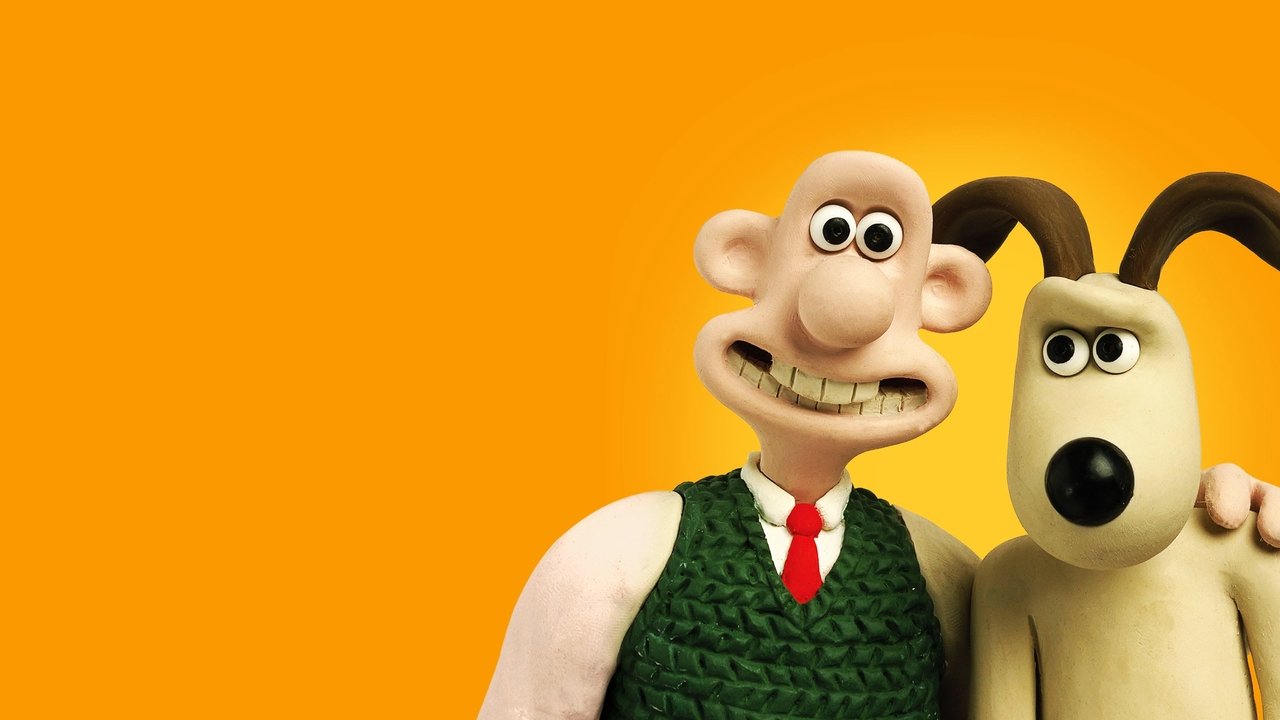
While Peter Sallis is iconic as the cheese-obsessed Wallace, the real heavy lifting is done by Gromit. He remains one of the greatest silent actors in cinema history. The animators managed to convey more soul and skepticism through a slight twitch of a clay eyebrow than most A-list actors do in a three-hour monologue.
Then you have the newcomers. Ralph Fiennes is clearly having the time of his life as the villainous Victor Quartermaine, a pompadour-wearing hunter who is essentially Gaston if he were obsessed with tweed and shotguns. His chemistry with Helena Bonham Carter, playing the eccentric Lady Campanula Tottington, adds a layer of "posh nonsense" that elevates the comedy.
One of my favorite bits of trivia is that the production used 2.8 tons of Plasticine. Because the sets were so large and the lighting so hot, the clay would often melt, requiring a dedicated team just to keep the characters from sagging into puddles. That dedication shows in every frame. There’s a warmth to the lighting and a "lived-in" feel to the sets that CGI, for all its advancements, still struggles to replicate. It’s a movie that feels like it was made by humans for humans, rather than processed by a server farm.
A Blockbuster with a Bristol Soul
Despite its humble, clay-covered origins, The Curse of the Were-Rabbit was a genuine cultural phenomenon. It raked in over $192 million globally and nabbed the Oscar for Best Animated Feature. It proved that audiences were hungry for something tangible. In an era where every action movie was starting to look like a blurry digital mess, Aardman gave us a high-speed dogfight between biplanes... that were actually coin-operated kiddie rides.

The "adventure" here is perfectly paced. It starts as a cozy comedy and escalates into a genuine thriller, complete with rooftops chases and gothic transformation sequences. It captures that childhood sense of wonder where the world behind your garden fence feels infinite and slightly dangerous. It’s also the only film where a "rabbit-retrieval vacuum" feels like a plausible piece of military hardware.
The Curse of the Were-Rabbit remains a high-water mark for the 2000s. It’s a film that respects its audience’s intelligence while catering to their silliness. It bridges the gap between the analog past and the digital future with a grin and a bit of Wensleydale. If you haven't revisited it lately, do yourself a favor and dive back in. Just make sure you aren't wearing loud corduroy pants if you're watching it with others.
Looking back, it’s a miracle this movie exists at the scale it does. It’s a testament to the idea that some stories are best told with a little bit of dirt under the fingernails and a lot of heart in the clay. It’s funny, thrilling, and serves as a reminder that the best adventures often start in your own backyard—or at least, in your own vegetable patch.
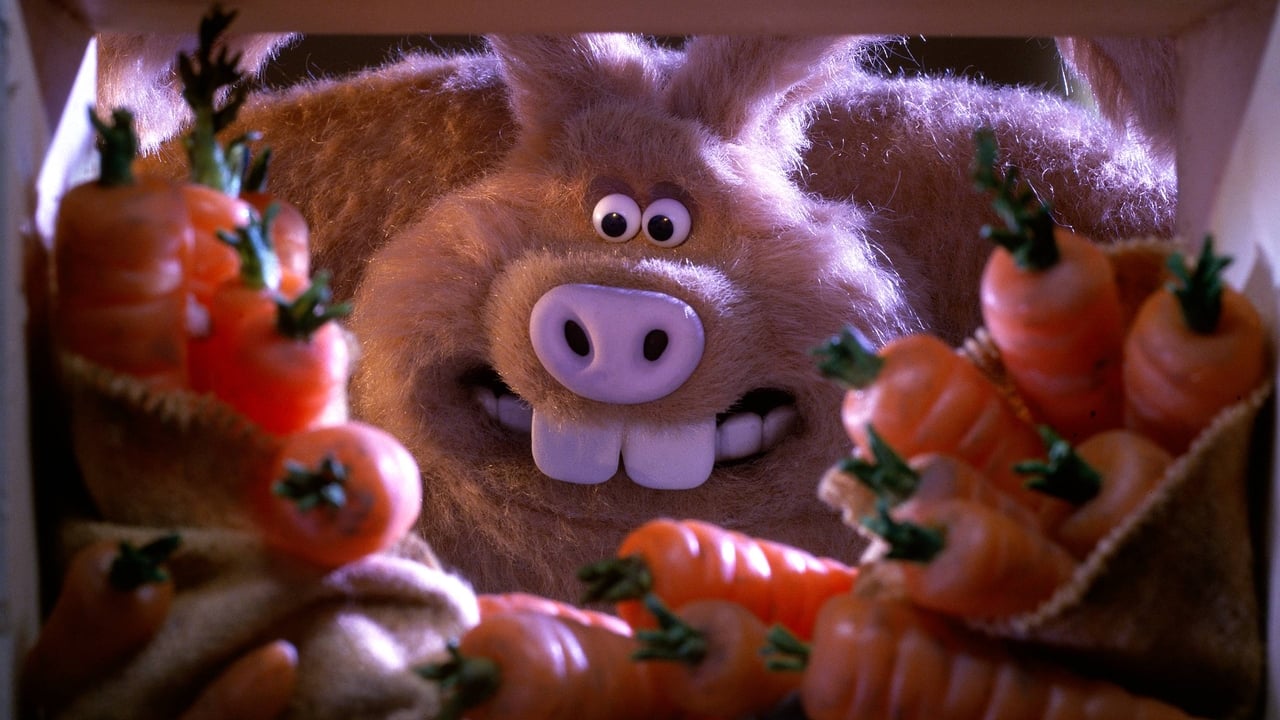
Keep Exploring...
-
Chicken Run
2000
-
A Grand Day Out
1990
-
The Wrong Trousers
1993
-
A Close Shave
1996
-

Madagascar
2005
-

The SpongeBob SquarePants Movie
2004
-
Shrek
2001
-

Ice Age
2002
-
Shrek 2
2004
-
Cars
2006
-

Ice Age: The Meltdown
2006
-
Horton Hears a Who!
2008
-
Kung Fu Panda
2008
-
Madagascar: Escape 2 Africa
2008
-

Ice Age: Dawn of the Dinosaurs
2009
-

Up
2009
-
Toy Story
1995
-

A Bug's Life
1998
-
TMNT
2007
-
Fantastic Mr. Fox
2009