War of the Worlds
"The nightmare came from under our feet."
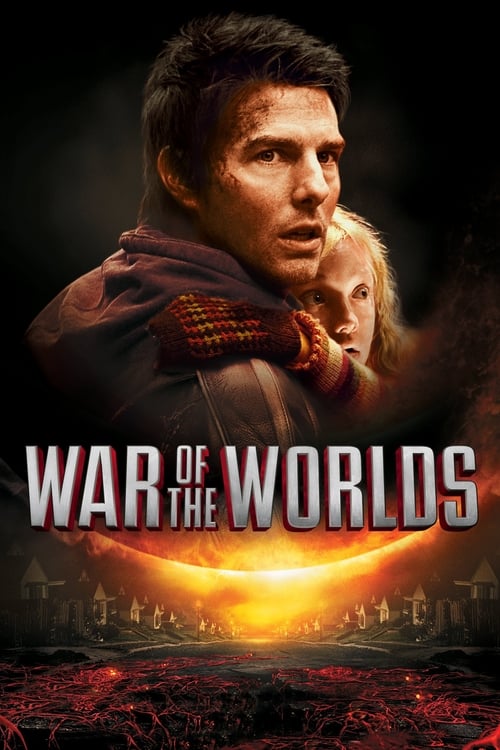
That mechanical, guttural groan—a sound like a freight train screaming through a didgeridoo—is still stuck in my marrow nearly twenty years later. When Steven Spielberg decided to tackle H.G. Wells’ classic, he didn't give us the soaring, hopeful wonder of Close Encounters of the Third Kind (1977). He gave us a panic attack disguised as a summer blockbuster. I remember watching this on a laptop with one broken speaker during a rainy flight, and honestly, the tinny, distorted audio only made the Tripods feel more like a jagged piece of scrap metal grinding against the soul of humanity.
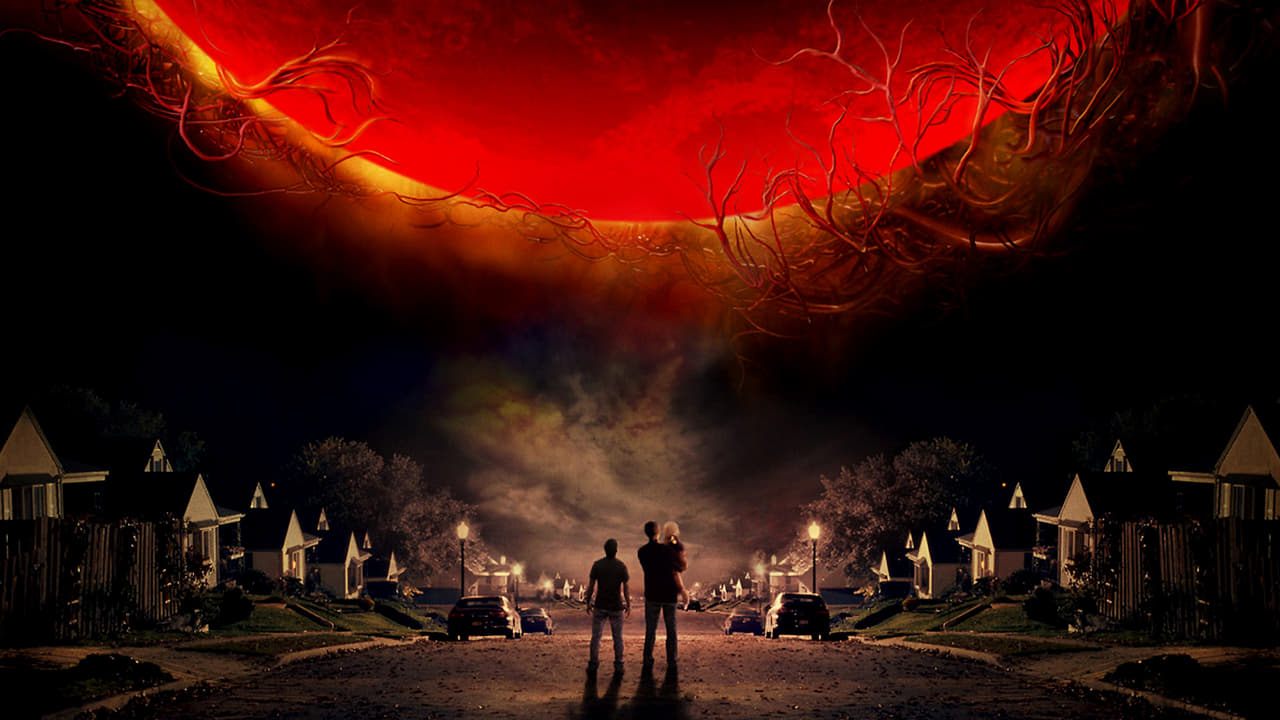
The Sound of a National Scab Being Ripped Off
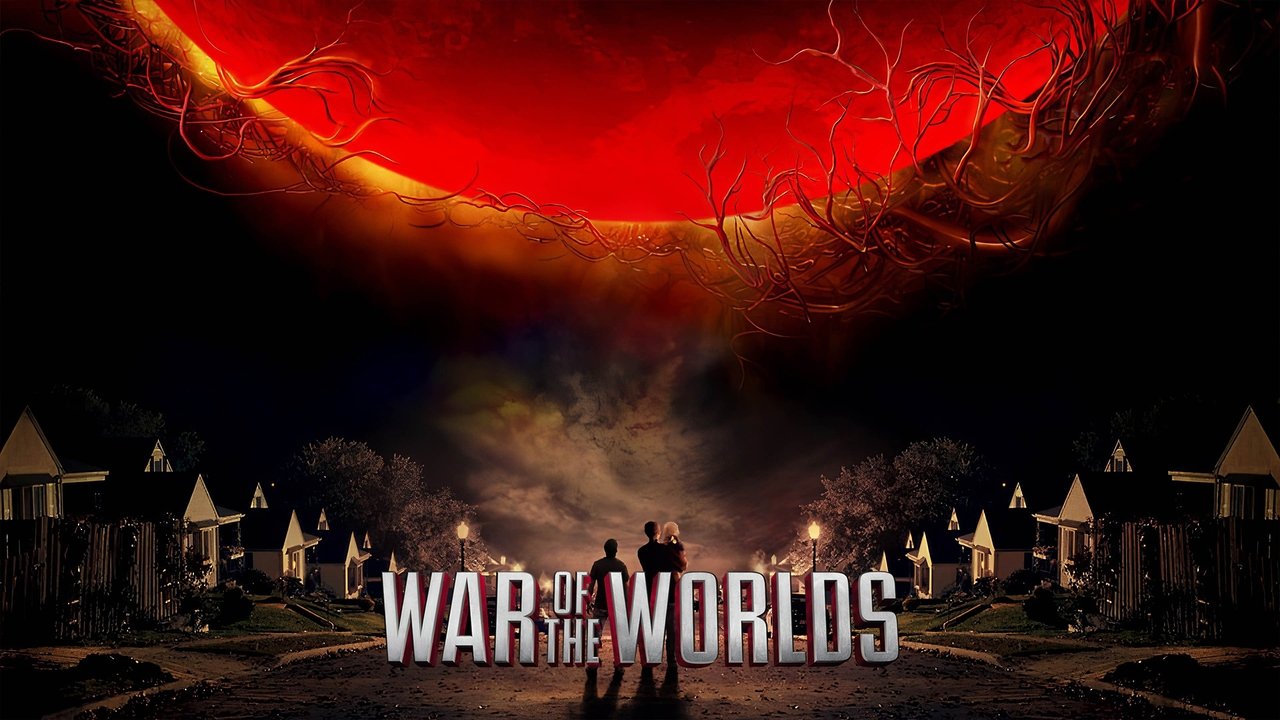
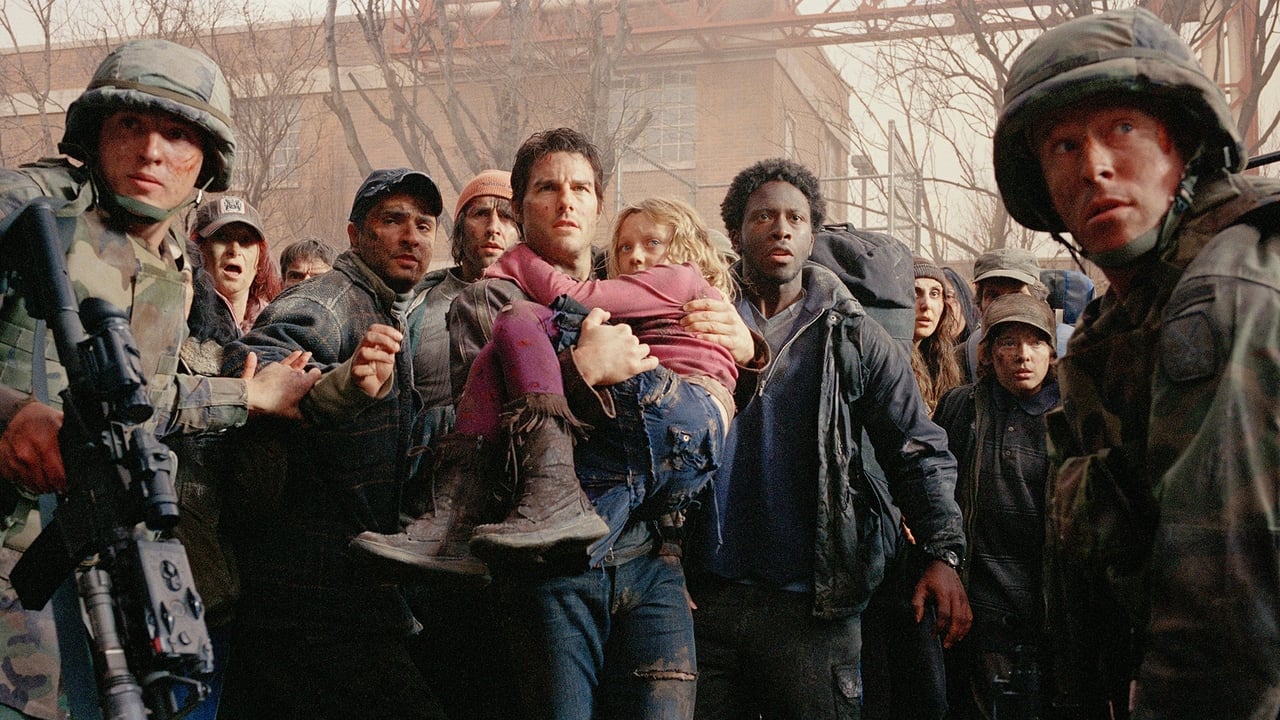
Released in 2005, War of the Worlds is perhaps the most "Post-9/11" movie ever made, even more so than the actual dramas about the event. The imagery isn’t just sci-fi; it’s a direct translation of collective trauma. When the first Tripod emerges in New Jersey, the sight of Tom Cruise (as Ray Ferrier) running home covered in the grey, powdery ash of his vaporized neighbors was a visual language the 2005 audience understood all too well. It’s a terrifyingly grounded take on an alien invasion.
Steven Spielberg and cinematographer Janusz Kamiński (who worked together on Saving Private Ryan) ditched the bright, colorful palette of 90s disaster flicks like Independence Day (1996). Instead, they gave us a world that looks bleached, grainy, and perpetually overcast. The lighting is blown out, and the shadows are deep. It makes the CGI feel heavy and physical. Even today, those Tripods look better than 90% of the digital monsters we see in the MCU. They have weight. When they walk, you feel the displacement of air.
The Cruise Control Paradox
At the center of the chaos is Tom Cruise. This was a fascinating era for him—he was transitioning from the "charismatic leading man" into the "invincible action icon" we know today from Mission: Impossible. But in War of the Worlds, Ray Ferrier is kind of a loser. He’s a blue-collar dockworker who doesn't know his daughter's allergies and thinks a game of catch is a weapon of emotional warfare. I’ve always maintained that Ray Ferrier is Cruise’s last truly "human" performance before he became a full-time stunt-god.
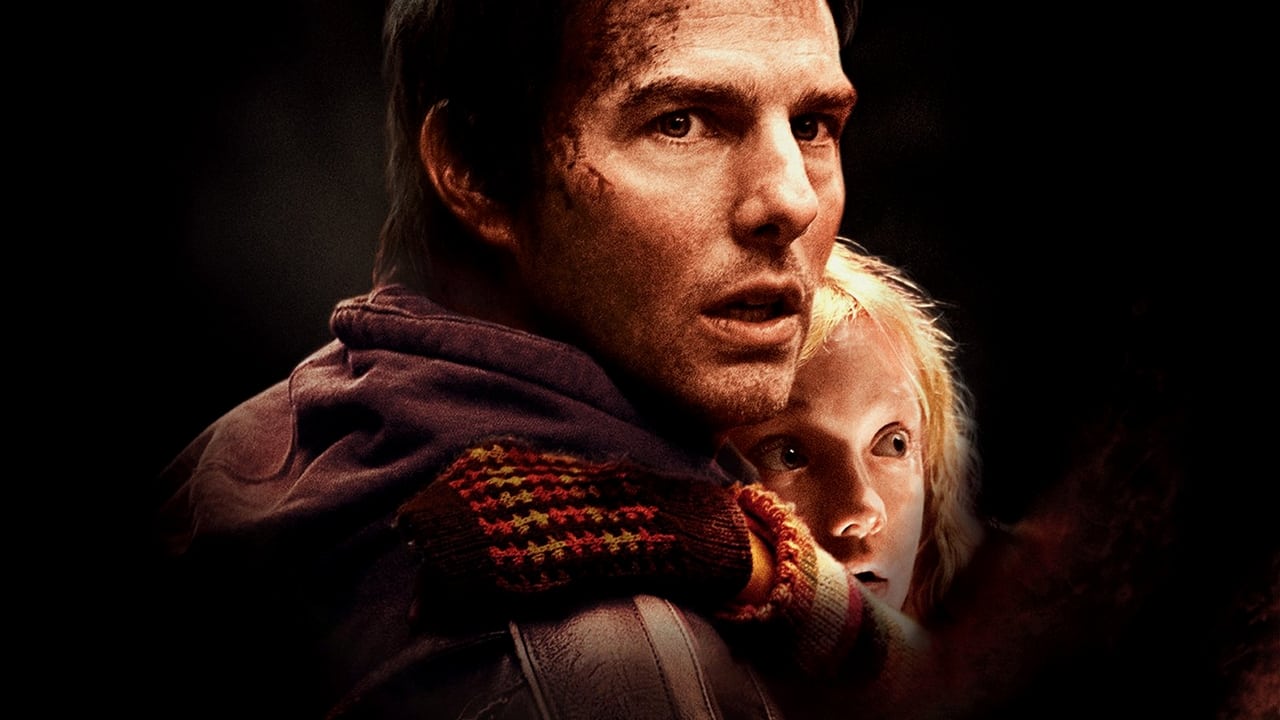
He’s flanked by a young Dakota Fanning, who arguably gives the performance of her life here. Yes, she screams a lot, but if giant three-legged machines were turning my neighbors into Miracle-Gro, I’d be screaming too. Then there’s Justin Chatwin as the son, Robbie. Look, Robbie Ferrier running toward an active explosion because he "wants to see" the war is the single most frustrating character choice in 2000s cinema. I spent half the movie hoping a Tripod would just pick him up and get it over with.
The middle act shifts from a road movie into a claustrophobic horror flick when they hide in a basement with Tim Robbins. Robbins plays Harlan Ogilvy with a bug-eyed, sweaty intensity that reminds you that in a crisis, the guy next to you is often more dangerous than the aliens in the sky. It’s a masterclass in tension, even if the "probing eye" sequence feels a bit like a high-tech version of the kitchen scene from Jurassic Park (1993).
Scale, Scares, and Soundscapes
The production of this film was a massive undertaking, but it was surprisingly nimble. Despite the $132,000,000 budget, Spielberg shot the entire movie in just 72 days. For a film that grossed over $600 million worldwide, that’s an incredible turnaround. The "Ferry Scene"—where a massive boat is capsized by a submerged Tripod—is one of the most complex sequences Spielberg has ever directed, utilizing massive water tanks and practical effects that make the terror feel uncomfortably real.
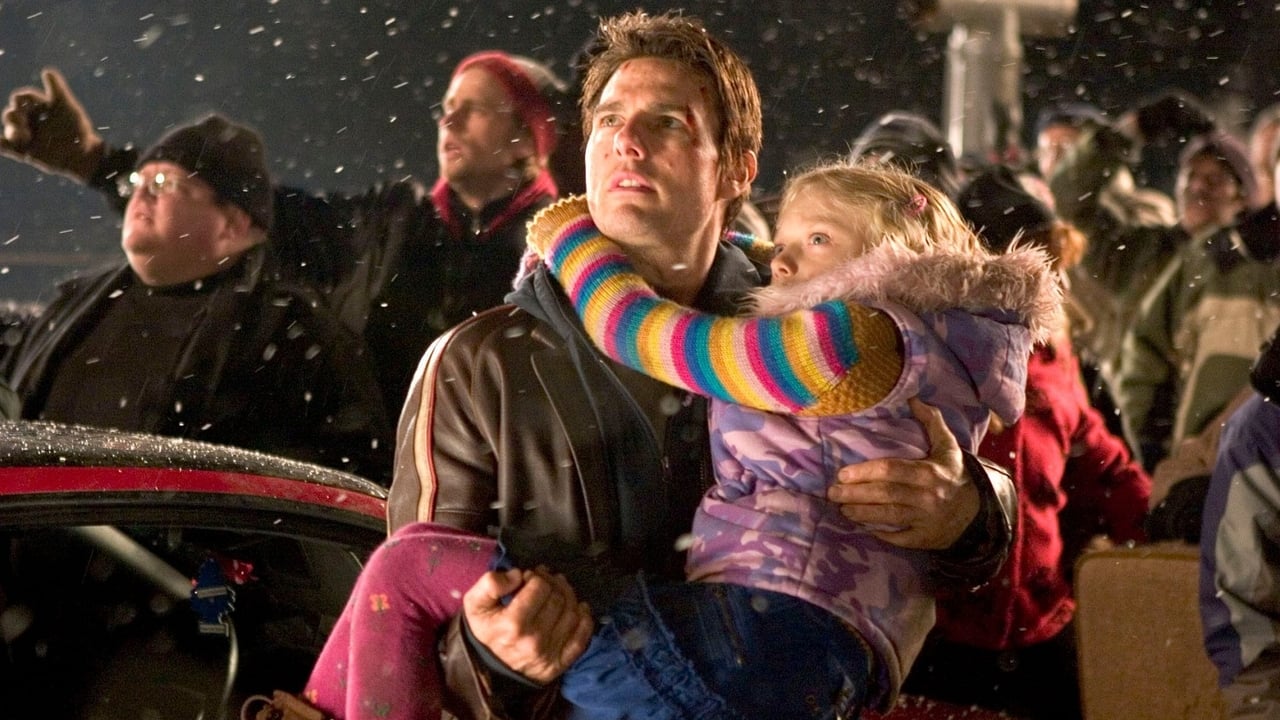
Speaking of sound, we have to talk about John Williams. This isn't the triumphant brass of Star Wars. It’s a dissonant, jarring score that leans into the thriller elements of the story. But the real MVP is the sound design team. The Tripod "horn" wasn't just a digital synth; it was a layered mix of a train slowing down, a didgeridoo, and various animal roars. It’s a sound that commands the frame. Every time you hear it, you know someone is about to be turned into a red mist.
Apparently, the "blood weed" that starts covering the landscape was actually a mix of various plant fibers and corn syrup, which the crew had to haul around in massive quantities. It looks disgusting, which is exactly the point. It’s the visual representation of the Earth being "terraformed" by an invading force that views us as nothing more than fertilizer.
War of the Worlds is a phenomenal 90-minute thriller trapped in a 117-minute movie. The first two acts are some of the most effective, terrifying sci-fi ever put to film. It’s a relentless, breathless chase that treats the audience with a surprising amount of respect. However, it’s impossible to ignore the ending. The "bacteria" resolution is faithful to the H.G. Wells source material, but after two hours of hyper-intense survival, it feels like the movie just trips over the finish line and decides to go home. Also, the fact that the annoying son survives the literal apocalypse through the power of "not being in the shot" remains one of cinema's great mysteries. Still, for the Tripod emergence alone, this remains a cornerstone of 21st-century blockbuster filmmaking.
Keep Exploring...
-
Minority Report
2002
-

The Lost World: Jurassic Park
1997
-
Indiana Jones and the Kingdom of the Crystal Skull
2008
-
Mission: Impossible
1996
-
A.I. Artificial Intelligence
2001
-

Jurassic Park III
2001
-
Planet of the Apes
2001
-

The Matrix Reloaded
2003
-
The Day After Tomorrow
2004
-
Mission: Impossible II
2000
-
Armageddon
1998
-
The Hunger Games
2012
-
The Hunger Games: Mockingjay - Part 1
2014
-
Jurassic Park
1993
-
Mission: Impossible - Ghost Protocol
2011
-
Star Trek: Generations
1994
-
Star Trek: First Contact
1996
-
Final Fantasy: The Spirits Within
2001
-
Star Trek: Nemesis
2002
-

Paycheck
2003