Wolf Creek
"The outback is beautiful, empty, and very hungry."

There is a specific kind of silence in the Australian outback that doesn't just feel empty; it feels heavy, like the land itself is holding its breath while it waits for you to make a mistake. In the mid-2000s, while Hollywood was busy remaking J-Horror ghosts and trap-filled basements, a small Australian production decided to remind us that the most terrifying thing in the world isn't a spirit or a puzzle—it’s just a guy with a rifle and a very bad sense of humor. When I first sat down with Wolf Creek, I was eating a slightly stale granola bar, and the loud, dry crunching in my ears felt uncomfortably like the sound of bones snapping on screen. It’s a film that makes you hyper-aware of your own fragility.
The Patient Road to Hell
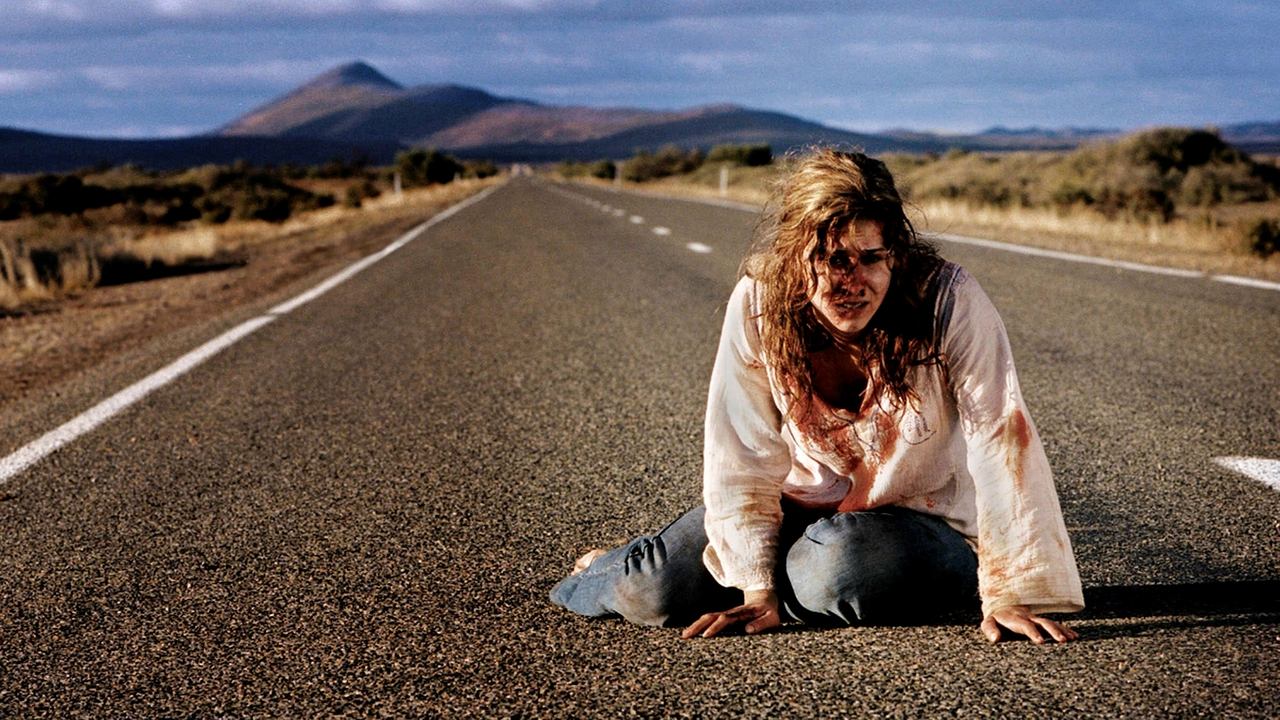
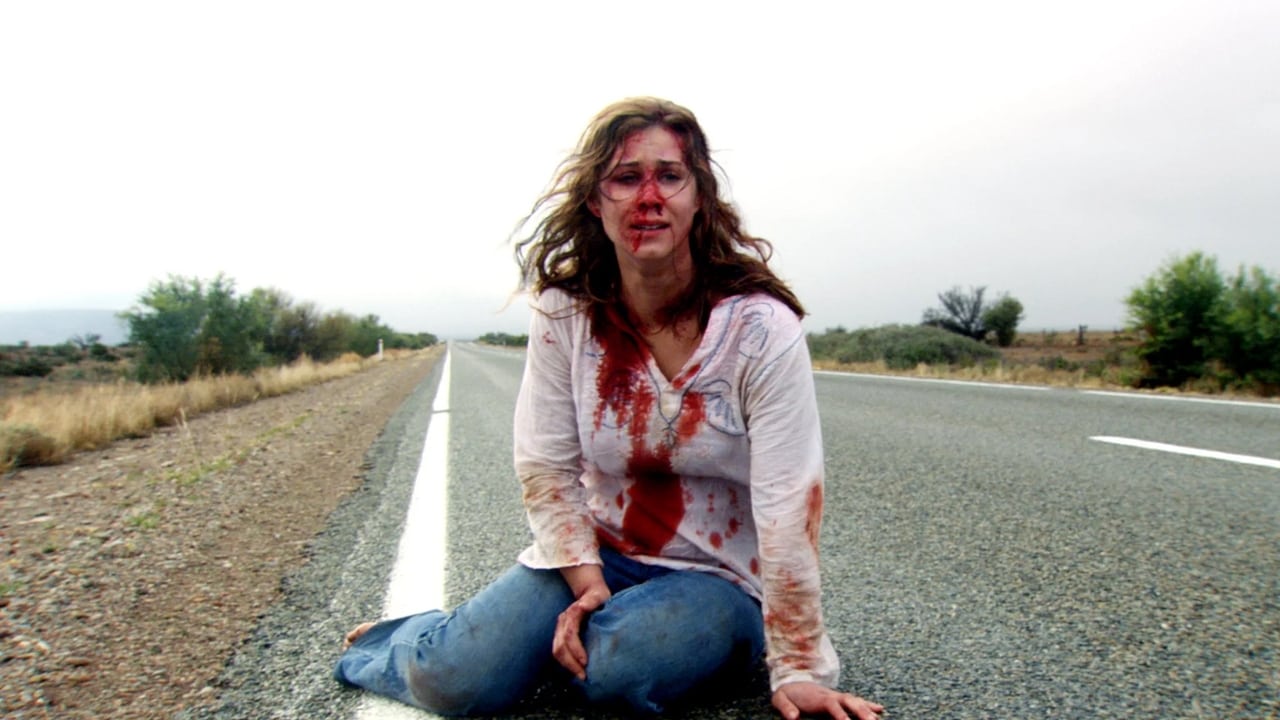
Released in 2005, Wolf Creek arrived at the height of the "torture porn" era, but it stands apart from its peers because of its agonizingly slow fuse. Director Greg McLean spends the first forty minutes playing a game of travelogue. We follow Ben (Nathan Phillips), Liz (Cassandra Magrath), and Kristy (Kestie Morassi) as they drive across the sun-bleached expanse of Western Australia. They flirt, they argue about music, and they visit the massive Wolfe Creek meteorite crater.
Looking back, this "slow burn" approach feels like a lost art. In an era where many horror films feel the need to kill a character before the opening credits finish, Wolf Creek lets you actually like these people. You get a sense of the vastness of the landscape through Will Gibson’s cinematography, which captures the outback with a beauty that feels increasingly predatory as the sun goes down. When their car predictably fails to start at the crater, it doesn’t feel like a cheap plot device; it feels like a genuine, sinking realization of isolation. It’s basically an anti-tourism ad that worked way too well.
The Face of Modern Malice
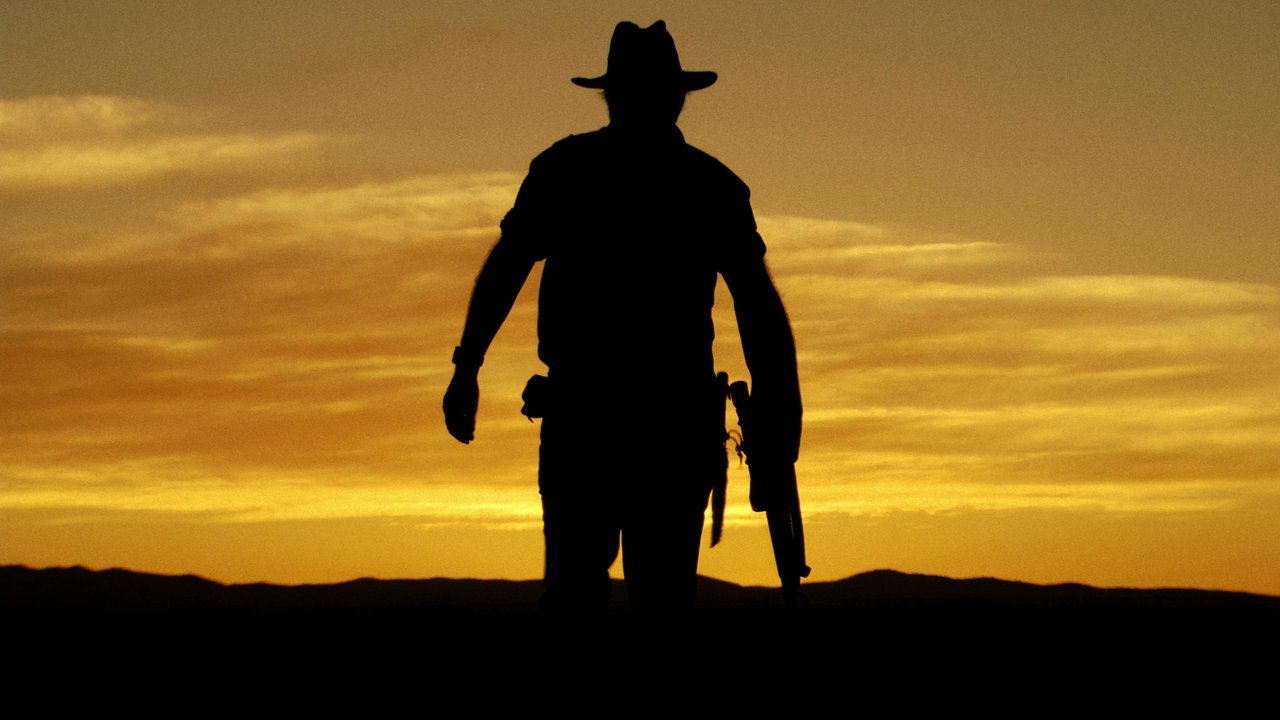
Everything changes when Mick Taylor arrives. John Jarratt was a household name in Australia for years, often associated with his friendly, "good bloke" persona on lifestyle television. Casting him as a sadistic bushman was a stroke of genius. When he first pulls up in his rusted truck to "help" the stranded trio, he is jovial and full of "no worries" charm. But once they are back at his camp—a dilapidated mining site that looks like a graveyard for machinery—the mask slips.
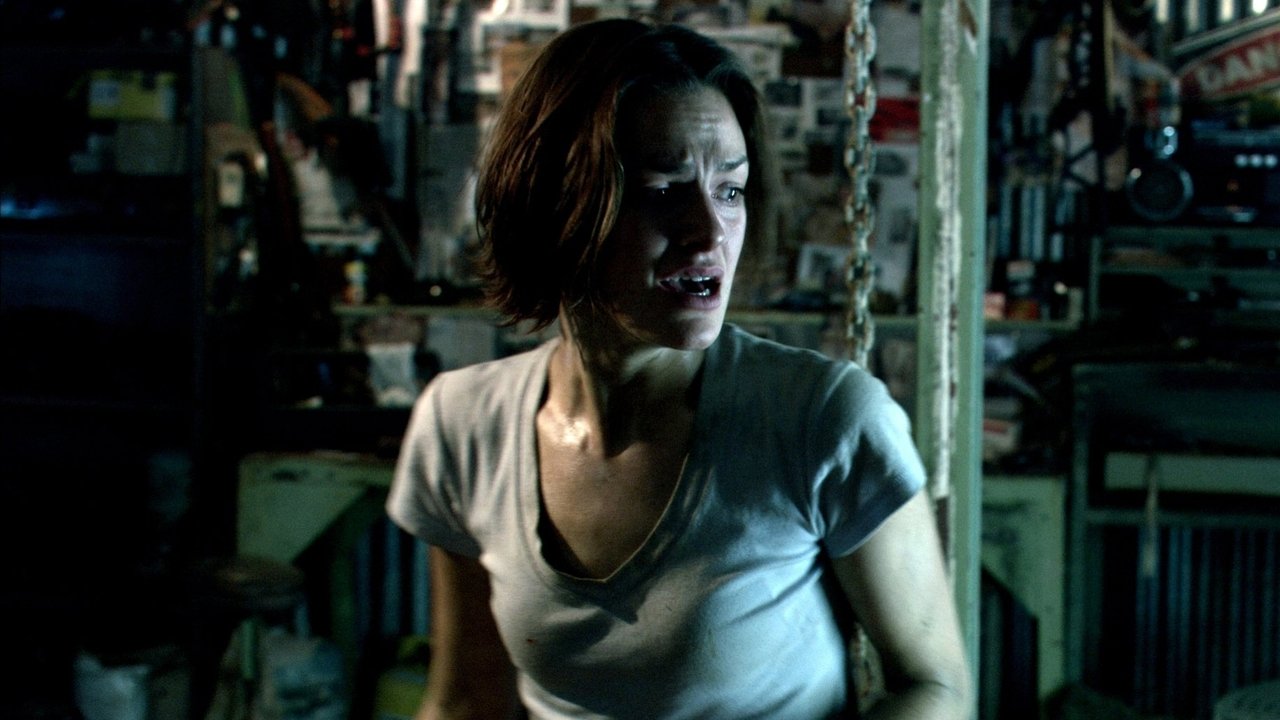
Jarratt’s performance is what anchors the film’s legacy. He doesn't play Mick as a silent, hulking monster like Michael Myers. He plays him as a man who is having the absolute time of his life. His high-pitched, wheezing giggle is the scariest sound in the movie. He is a predator who treats human beings like the livestock he’s spent his life culling. Mick Taylor is the only slasher villain who makes me want to delete my travel apps and never leave my house again. There is no supernatural motive, no complex backstory involving a cursed lake—just a man who decided that "the thrill is in the hunt."
High-Definition Horror on a Shoestring
As an independent gem, Wolf Creek is a masterclass in making a $1 million budget look like a blockbuster through pure grit and atmospheric choices. The film was shot on early high-definition digital video, which was still a relatively new frontier in 2005. While many films of that era used digital to look slick, Greg McLean used it to lean into a raw, documentary-style aesthetic. During the night scenes, the digital "noise" and deep shadows make the environment feel claustrophobic despite being set in the middle of nowhere.
The production was famously grueling. They filmed on location in South Australia, dealing with actual harsh weather and limited resources. Apparently, the crew found an abandoned quarry that looked so grim they didn't have to do much production design to make it look like a killer's lair. The infamous "head on a stick" scene—which I won’t spoil here, but you’ll know it when you see it—was achieved with low-cost practical effects that still look more convincing than $100 million worth of modern CGI. It’s a reminder that horror is often most effective when the filmmakers are as uncomfortable as the characters.
Wolf Creek isn't a "fun" horror movie in the way a slasher franchise might be. It’s a mean, lean, and deeply cynical piece of filmmaking that earns its scares by making the violence feel personal and the isolation feel absolute. It captured that post-9/11 anxiety where the world suddenly felt much larger and much less safe, and it did so by grounding its terror in the reality of human cruelty rather than the supernatural.
Looking back at it today, the film holds up remarkably well because it doesn't rely on dated tech or pop-culture references. It relies on the universal fear of being broken down on a dark road and realizing that the person pulling over to help might be the worst thing that ever happened to you. If you haven't seen it, watch it with the lights off—but maybe skip the granola bars. You'll want your ears clear to listen for that laugh.
Keep Exploring...
-

The Hole
2001
-

Dog Soldiers
2002
-

High Tension
2003
-
Open Water
2004
-
P2
2007
-
The Orphanage
2007
-
I Spit on Your Grave
2010
-
The Last Exorcism
2010
-
Ring
1998
-
Grave Encounters
2011
-

Red State
2011
-
The Awakening
2011
-

Sinister
2012
-
V/H/S
2012
-
Dark Skies
2013
-
You're Next
2013
-
![[REC]⁴ Apocalypse backdrop](https://image.tmdb.org/t/p/w780/wKQpAxTL5MOpkb9Mk6w4vabtSe7.jpg)
[REC]⁴ Apocalypse
2014
-

Ghost Ship
2002
-
Wrong Turn 2: Dead End
2007
-
After.Life
2009