16 Blocks
"A short walk to a long shot."
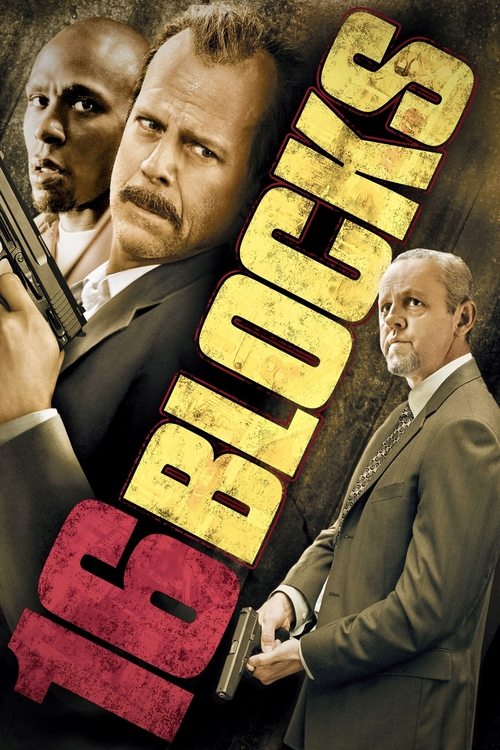
The first thing you notice about Jack Mosley isn’t the badge, the limp, or the weary resignation in his eyes—it’s the mustache. It’s a thick, graying, slightly lopsided "dad" mustache that screams, "I haven't cared about my cholesterol since the Reagan administration." In 16 Blocks, Bruce Willis isn't playing the invincible John McClane who can dodge helicopter blades; he’s playing a man who looks like he’d get winded walking to the mailbox. This was 2006, right on the cusp of Willis transitioning into his "I’m just here for the paycheck" phase, but here, he’s doing some of the most soulful, understated work of his career.
I watched this on my laptop while my neighbor was loudly power-washing his driveway, and the rhythmic, droning thrum of the water actually blended perfectly with the movie’s ticking-clock score. It added a layer of suburban tension that, oddly enough, fit this gritty New York street-level drama perfectly.
A Swan Song for the Master of the Buddy Cop
16 Blocks holds a special place in film history as the final directorial effort of Richard Donner. The man who gave us Superman and Lethal Weapon decided to go out not with a world-ending bang, but with a localized whimper. It’s a "meat and potatoes" action film, a genre that was rapidly disappearing in 2006 as the industry pivoted toward the hyper-edited "shaky cam" style of the Bourne sequels or the emerging glossy CGI of the early superhero boom.
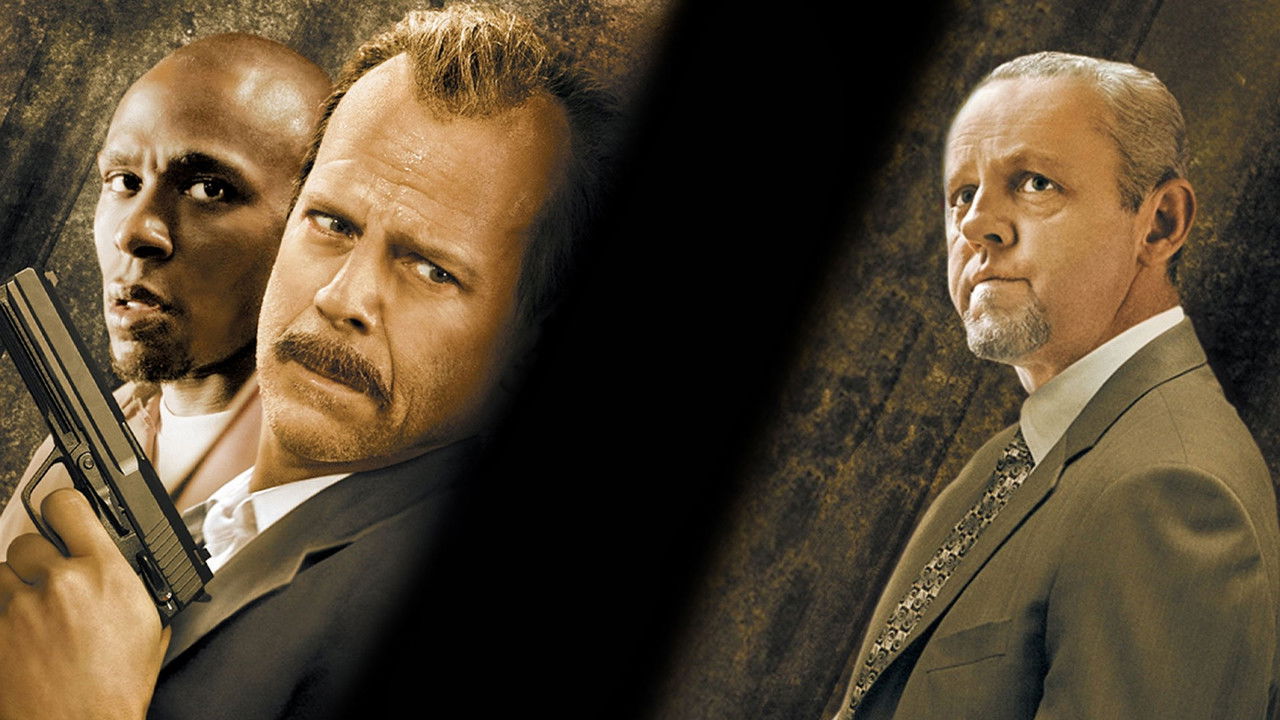
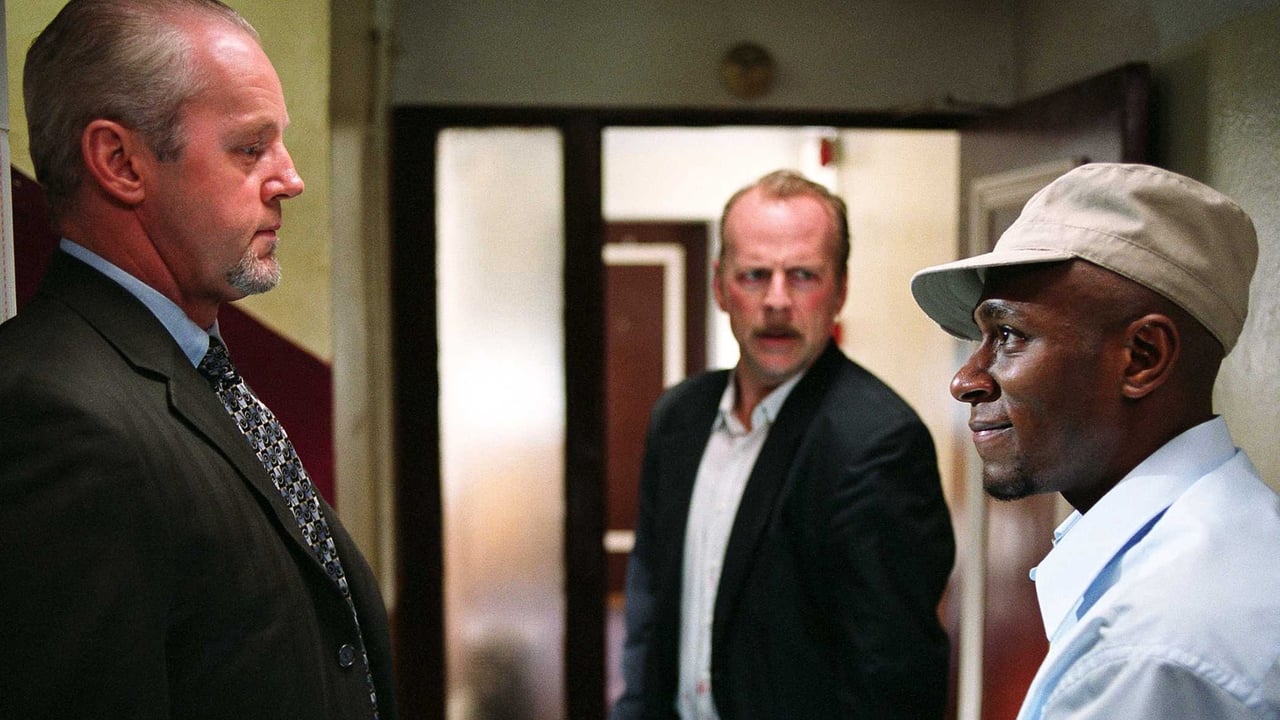
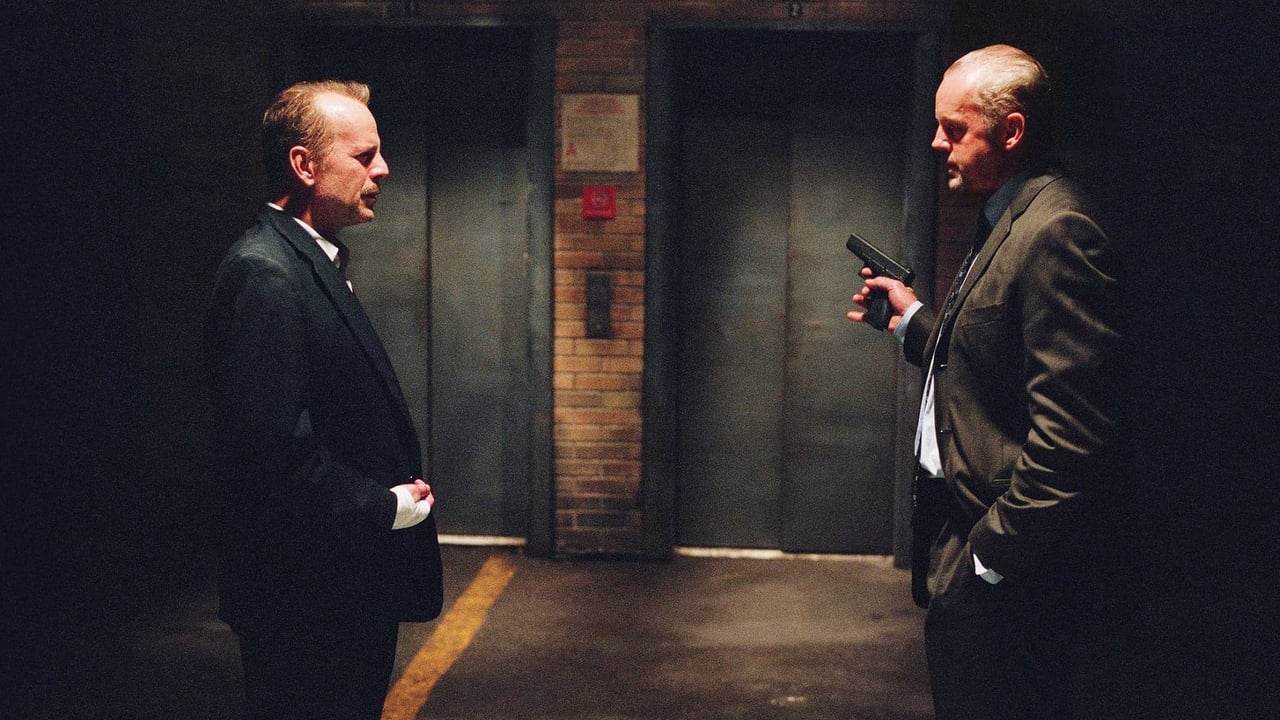
Donner brings an old-school, analog sensibility to the proceedings. The premise is deceptively simple: Jack, a burnt-out alcoholic detective, is tasked with transporting a motley witness named Eddie Bunker (Yasiin Bey, formerly known as Mos Def) from the precinct to a courthouse 16 blocks away. The catch? Eddie is set to testify against a group of corrupt cops, led by Jack's old friend Frank Nugent (David Morse). Suddenly, those 16 blocks become a gauntlet of snipers, betrayals, and ethical dilemmas.
The action is refreshingly legible, a lost art in an era where directors think 'intensity' means giving the audience a migraine via rapid-fire cuts. Donner trusts his camera placement. When a bus gets hijacked or a basement shootout erupts, you always know exactly where the characters are in relation to the exit. It’s a masterclass in spatial awareness that makes the stakes feel heavy and physical rather than digital and weightless.
The Sound and the Fury (of a Nasal Witness)
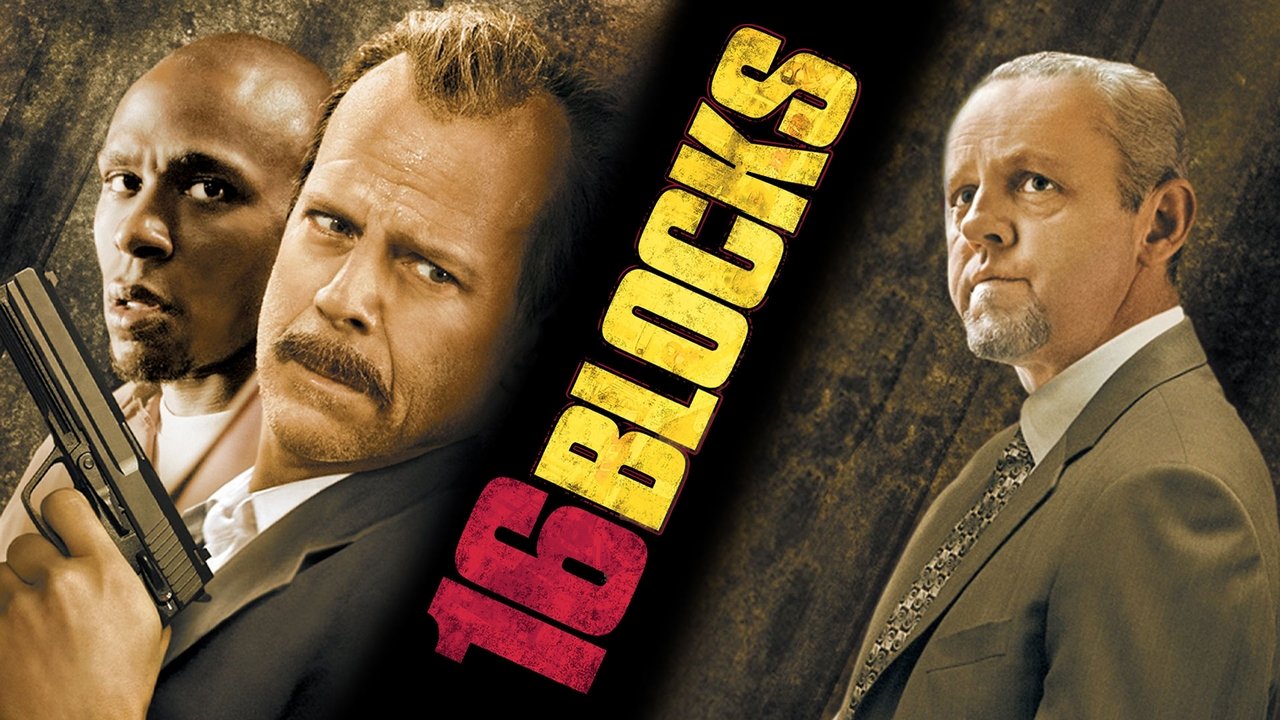
The film’s secret weapon is the chemistry between its leads, which shouldn't work on paper. Yasiin Bey makes a bold, borderline-annoying acting choice by giving Eddie a high-pitched, nasally whine and a non-stop motor-mouth. He sounds like a nervous parakeet. Initially, I found myself siding with the corrupt cops just because I wanted him to stop talking. But as the film progresses, that chatter reveals itself as a defense mechanism—a way for a "bad guy" who just wants to bake cakes to survive a world that treats him like trash.
Apparently, Yasiin Bey based that distinctive voice on a real-life character he encountered, and he refused to drop it despite studio concerns. It pays off. By the time he and Jack are hiding in the back of a bus, the vocal contrast between his frantic chirping and Bruce Willis’s gravelly, whiskey-soaked mumble creates a weirdly touching melody.
Then there’s David Morse. Is there anyone better at playing the "reasonable" villain? Frank Nugent isn't a mustache-twirling psychopath; he’s a guy who thinks he’s doing the right thing for his "family" of officers. The scene where he tries to talk Jack into handing over Eddie—appealing to their shared history and the "way things are done"—is more tense than any of the explosions. It highlights a post-9/11 cynicism about institutions that felt very current in 2006.
16 Blocks of Practical Perfection
Looking back, 16 Blocks is a treasure trove of "they don't make 'em like this anymore" trivia. While the film is set in a sweltering New York City, almost all of it was filmed in Toronto. To sell the illusion, the production team had to ship in tons of NYC trash and yellow cabs, creating a localized pocket of Manhattan in Canada.
It’s also a fascinating example of the "DVD era" impact on storytelling. If you find an old copy, I highly recommend checking out the alternate ending. The theatrical cut is a bit more hopeful, but the original ending was significantly darker and more in line with a 70s noir. Test audiences supposedly found the original ending too depressing, which lead to the more redemptive finale we have now.
A few more things you might have missed:
Bruce Willis kept a pebble in his shoe throughout the entire shoot to ensure his character’s limp looked painful and consistent. The original tagline—"1 witness… 118 minutes"—is technically a lie. The movie is only 105 minutes long, but the 118 minutes refers to the "real-time" narrative clock within the film. Arnold Schwarzenegger was originally attached to play Jack Mosley back in the early 2000s, which would have likely turned this into a high-octane "Commando" style romp rather than the character study it became. This was the last film Richard Donner ever directed before his passing in 2021, making it the quiet closing chapter of one of Hollywood’s greatest careers.
16 Blocks is the cinematic equivalent of a well-worn leather jacket. It’s not flashy, it doesn't have the latest tech, and it’s a bit rough around the edges, but it fits perfectly. It’s a testament to the power of mid-budget adult thrillers—the kind of movie where a man’s conscience is just as important as his aim. If you’re tired of multiverses and want to watch a movie about a guy with a bad mustache trying to do one good thing, this is your stop.
The film manages to turn a simple walk down the street into a journey of redemption without ever feeling preachy. It captures that mid-2000s gritty aesthetic before it became a parody of itself. It’s a solid, reliable, and surprisingly emotional thriller that deserves to be remembered as more than just "that movie where Bruce Willis has a limp." It’s a swan song from a director who knew that the most exciting thing in an action movie isn't the explosion—it's the look on a man's face when he decides to finally stand up.
Keep Exploring...
-
Lethal Weapon 4
1998
-
Assassins
1995
-
The Jackal
1997
-

RED
2010
-
Quantum of Solace
2008
-
The Mechanic
2011
-
RED 2
2013
-
RoboCop 2
1990
-
Lethal Weapon 3
1992
-
xXx
2002
-
Into the Blue
2005
-
Hostage
2005
-
Lethal Weapon 2
1989
-
The Losers
2010
-
Spy Game
2001
-
Swordfish
2001
-
S.W.A.T.
2003
-
The Matrix Revolutions
2003
-
The Rundown
2003
-
The Island
2005