A Good Year
"Trade the ticker for the vine."
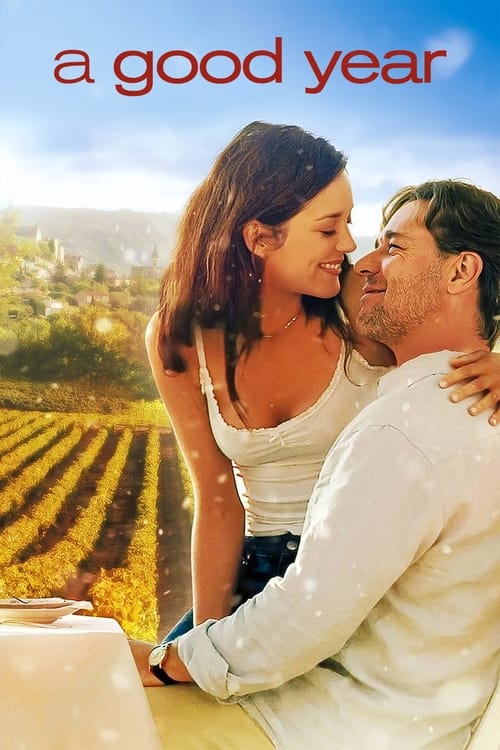
If you had cornered me in 2006 and asked what the legendary duo behind Gladiator—director Ridley Scott and star Russell Crowe—were planning for their next collaboration, I would have bet my life savings on another mud-caked historical epic or a gritty war drama. I certainly wouldn’t have guessed "a whimsical, sun-drenched romantic comedy about a guy inheriting a vineyard."

Yet, that is exactly what A Good Year is. At the time, critics sharpened their knives, baffled that the man who gave us the xenomorph in Alien was now giving us a scene where a man falls into a pool of muddy water and does a triple-take. Looking back at it now, through the hazy lens of nearly two decades, A Good Year feels less like a career misstep and more like a high-end "dad movie" that just wanted to share a bottle of rosé with you.
The Gladiator Goes Gardening
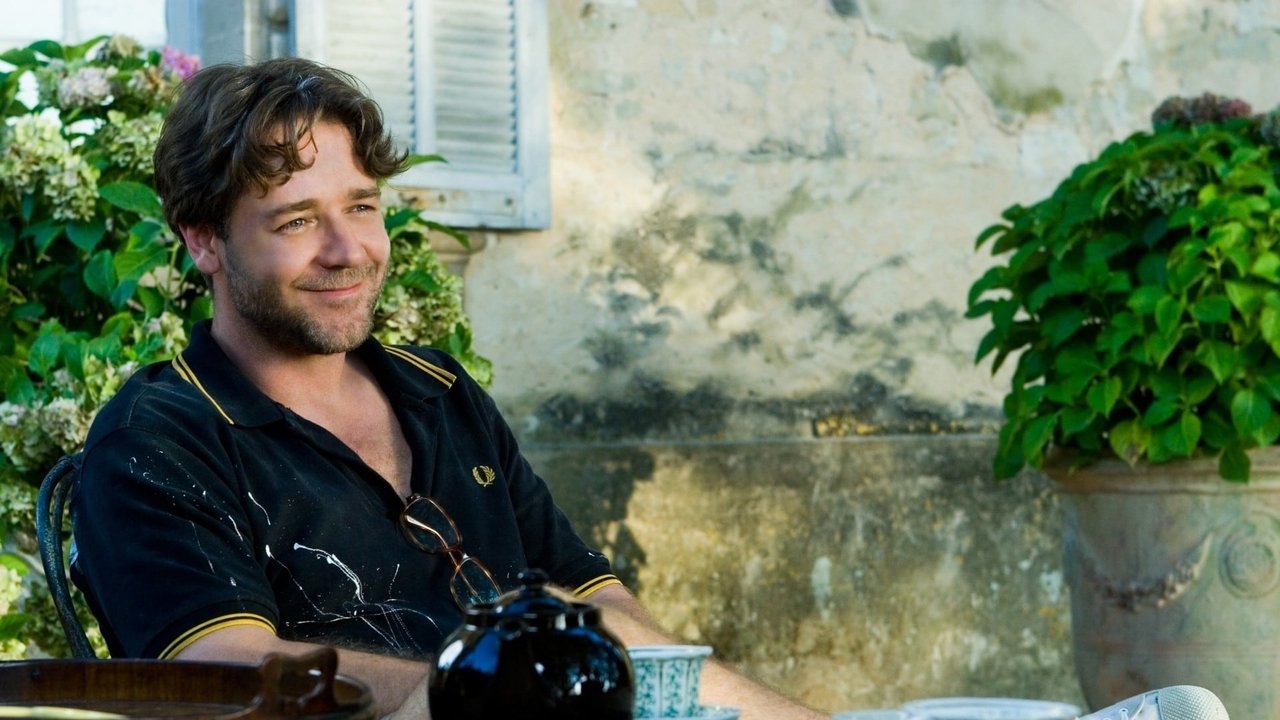
The film follows Max Skinner (Russell Crowe), a sociopathic London bond trader who treats the stock market like a blood sport. Max is the kind of guy who "short-sells" his own grandmother if the margins are right. When his eccentric Uncle Henry (Albert Finney) passes away, Max inherits a sprawling, dilapidated estate in Provence. His plan is simple: fly in, polish the place up, sell it for a massive profit, and get back to screaming at computer monitors in London.
Naturally, the South of France has other plans. Between the stubborn local vigneron Francis Duflot (Didier Bourdon) and the fiery café owner Fanny Chenal (Marion Cotillard), Max finds himself pulled into a world where the pace of life is dictated by the harvest, not the opening bell.
I watched this on a Tuesday night while wearing one wool sock because I couldn’t find the other one, and honestly, the sheer luxury of the French estate made my laundry situation feel even more pathetic. But that’s the magic of this movie; it invites you into a sensory experience that feels expensive but accessible.
A Post-9/11 Palette Cleanser
To understand why A Good Year exists, you have to look at the era. By 2006, the "Modern Cinema" landscape was becoming increasingly obsessed with grit. We were in the middle of the Bourne trilogy’s shaky-cam revolution and the "dark and gritty" reboots of Batman Begins and Casino Royale. Ridley Scott himself had just come off Kingdom of Heaven and Black Hawk Down.
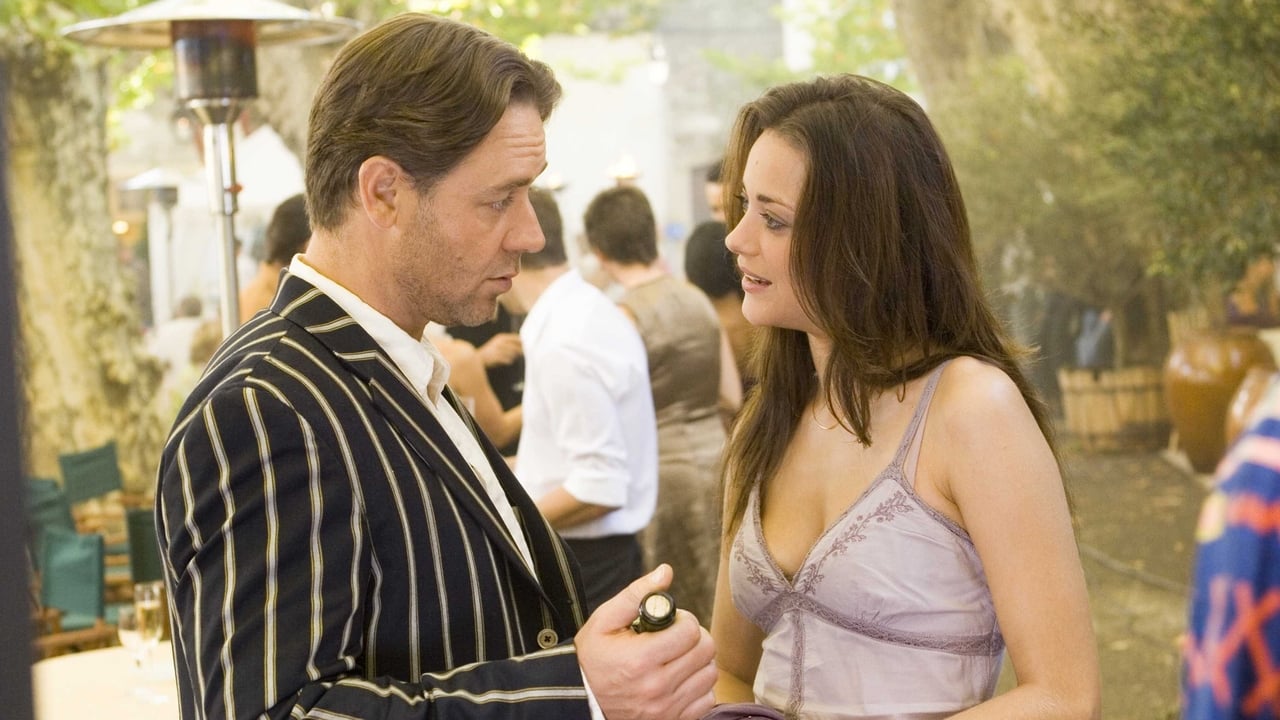
This is Ridley Scott’s version of a vacation video, and he just happened to bring a $35 million budget and an Oscar-winning cast along for the ride. It feels like a reaction to the anxiety of the mid-2000s—a desperate need to prove that life could still be beautiful, slow, and uncomplicated.
The cinematography by Philippe Le Sourd is arguably the real star here. He captures Provence with a golden, honey-thick light that makes you want to lick the screen. There’s a distinct visual contrast between the "blue" of London—all steel, glass, and cold digital efficiency—and the "amber" of France. It’s an old trick, but Scott executes it with the precision of a master. Even when the script gets cheesy, the movie looks like a million bucks (or 42 million, if we’re looking at the box office).
The Crowe Complication
The biggest hurdle for most viewers in 2006 was Russell Crowe. Fresh off a string of intensely serious roles, his attempt at being a charming, slightly bumbling romantic lead was a hard sell. Max Skinner is essentially a romantic-comedy version of Patrick Bateman, just with fewer chainsaws and more spreadsheets.
Crowe leans into the physical comedy with an unexpected energy. There’s a scene involving a Smart Car and a very confused GPS that is genuinely funny, mostly because Crowe plays it with such frantic, high-strung intensity. However, the heart of the film lies in the flashbacks. Albert Finney is magnificent as Uncle Henry, delivering lines about wine and women with a raspy, wizened charm that grounds the more ridiculous plot points.
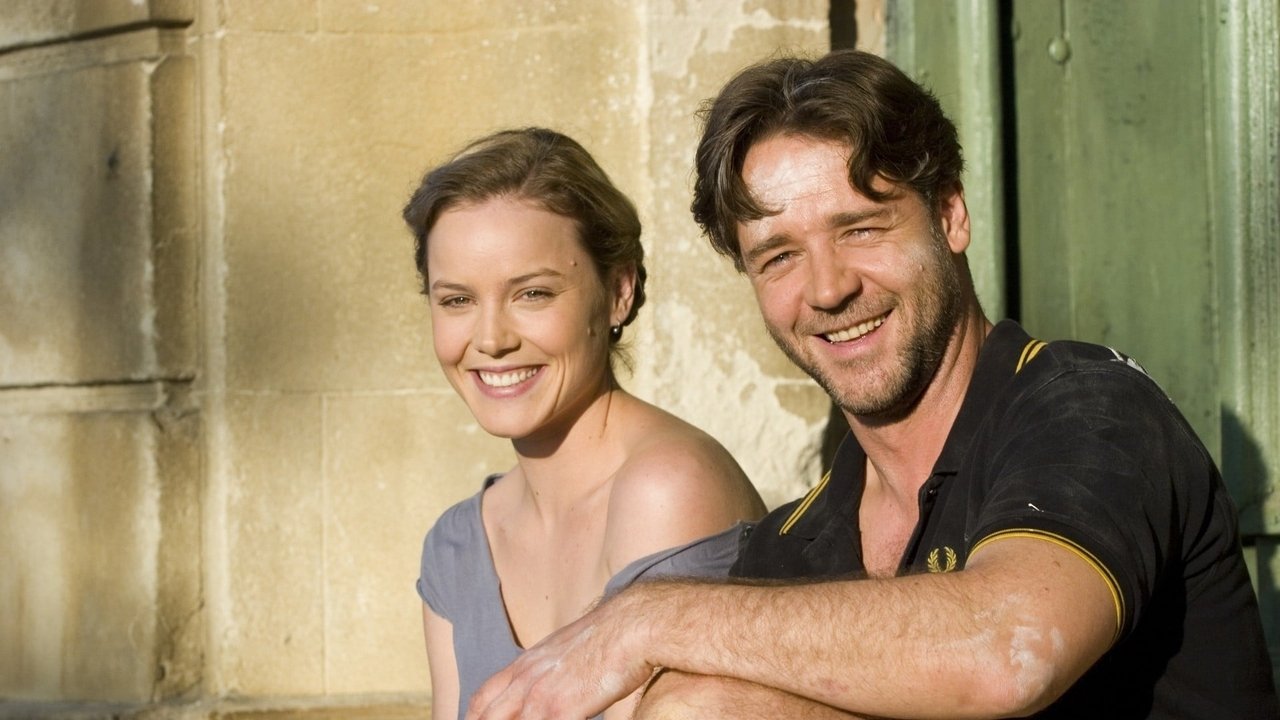
Then there’s Marion Cotillard. This was just a year before her Oscar-winning turn in La Vie en Rose, and she radiates a screen presence that almost makes you believe she’d actually fall for a jerk like Max. The chemistry is... okay. It’s not "fireworks and violins" chemistry; it’s more "we both look great in linen shirts" chemistry. Abbie Cornish also shows up as a long-lost cousin from California, providing a sub-plot about inheritance that feels a bit like a leftover from a 1990s legal thriller, but she handles it with grace.

Why It Vanished (and Why to Revisit)
So, why did A Good Year disappear from the cultural conversation? It was a victim of expectations. People wanted Gladiator in a vineyard; instead, they got a movie where Tom Hollander plays a neurotic best friend and people argue about the acidity of grapes.
But as a piece of "comfort cinema," it’s aged surprisingly well. It captures that mid-2000s transition where digital tech was starting to take over our lives, but we still felt like we could escape to a place where the internet didn't reach. It’s a film about "maturing," as the tagline suggests, and perhaps it took eighteen years for us to mature enough to appreciate its low-stakes charms.
A Good Year isn't a masterpiece, and it’s certainly not Ridley Scott’s best work. It’s occasionally clunky, often predictable, and Crowe’s attempt at physical comedy in a swimming pool is like watching a grizzly bear try to do ballet. Yet, there is a genuine warmth here that is hard to find in today’s hyper-saturated franchise landscape. It’s a beautifully shot, well-acted escape that reminds us that sometimes, the best thing you can do for your career is to quit.
Keep Exploring...
-
Matchstick Men
2003
-
Confessions of a Dangerous Mind
2002
-
S1m0ne
2002
-
What a Girl Wants
2003
-
First Daughter
2004
-
Jersey Girl
2004
-

A Lot Like Love
2005
-
Broken Flowers
2005
-
Casanova
2005
-
The Family Stone
2005
-
The Sisterhood of the Traveling Pants
2005
-
Just My Luck
2006
-
Dan in Real Life
2007
-
Lars and the Real Girl
2007
-
The Nanny Diaries
2007
-
Ghost Town
2008
-

Nick and Norah's Infinite Playlist
2008
-
Wild Child
2008
-
Youth in Revolt
2009
-
I Love You Phillip Morris
2010