A Scanner Darkly
"Your identity is the ultimate undercover assignment."
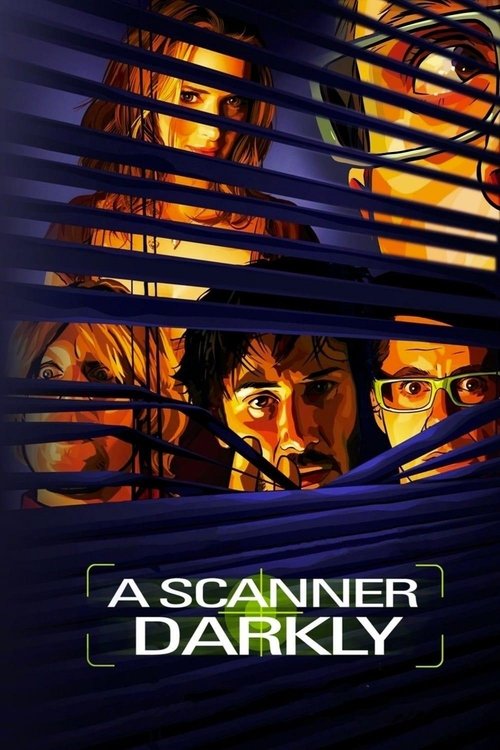
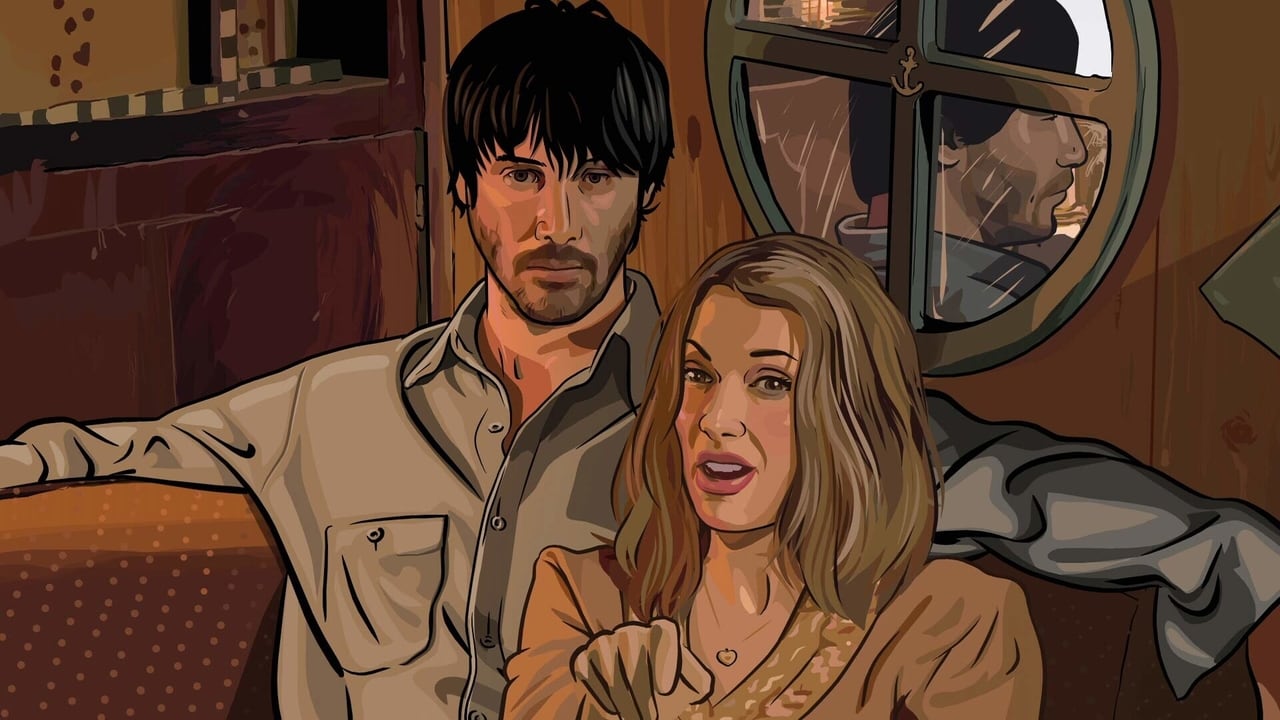
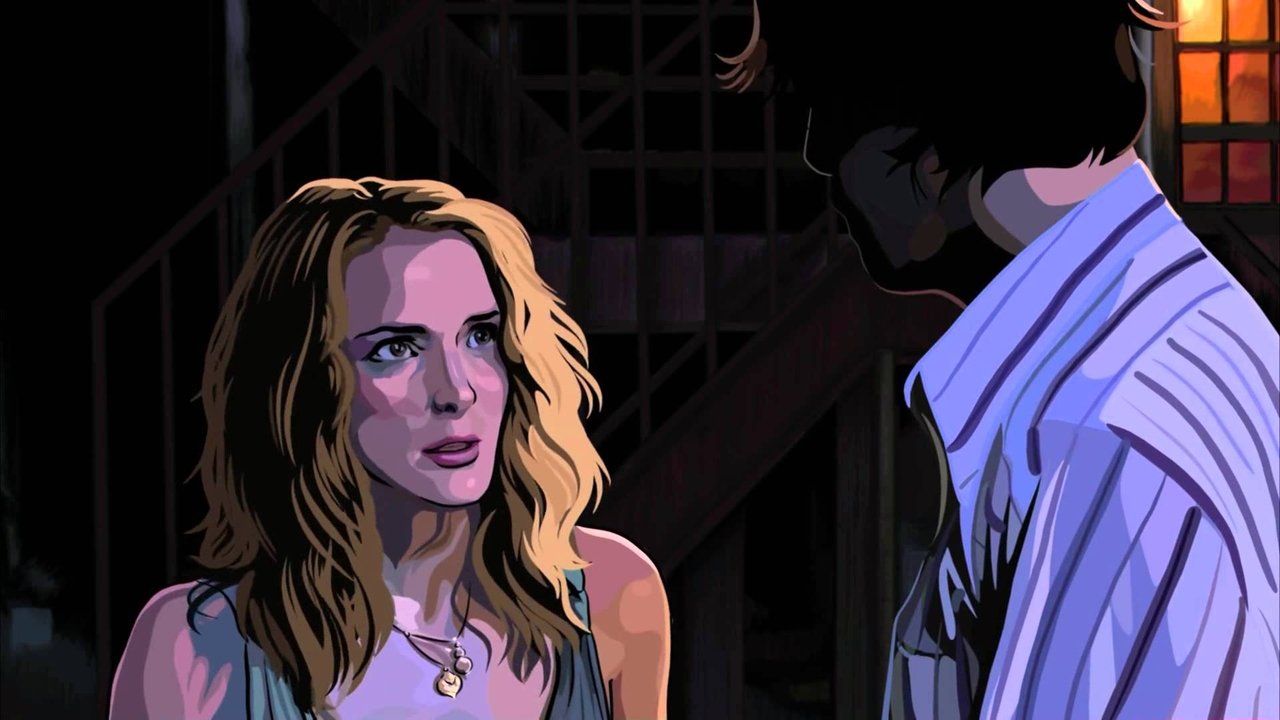
There is a specific kind of ocular vibrating headache you get from staring at a screen for too long, but watching A Scanner Darkly feels like that headache was curated by a high-end art gallery. It is a movie that looks like a graphic novel vibrating at a frequency just slightly off from our own reality. In the mid-2000s, while big studios were obsessed with making CGI look as "real" as possible, director Richard Linklater decided to go the opposite direction. He took reality and painted over it until it looked like a hallucinatory nightmare, proving that sometimes the best way to see the truth is to distort the image.
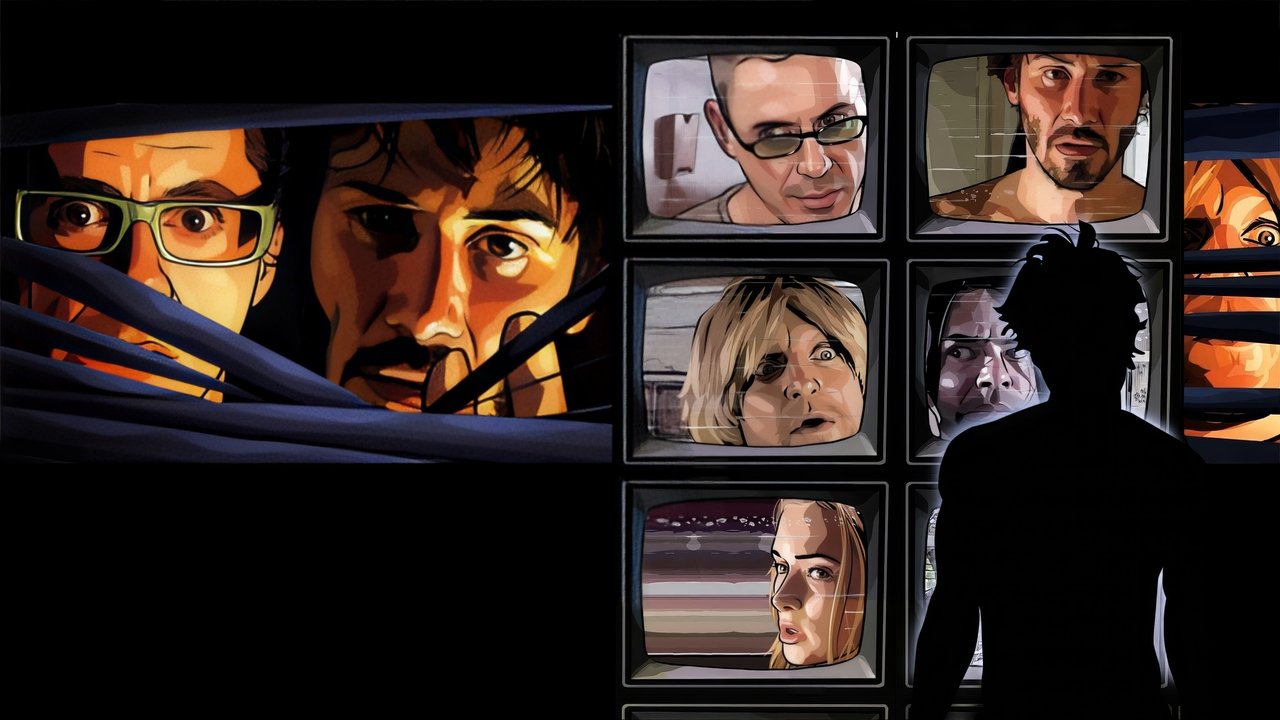
I first encountered this film on a flickering portable DVD player while eating a box of cold, leftover lo mein in a dorm room. The "wobbly" nature of the rotoscoped animation—where artists trace over live-action footage frame by frame—actually made me check the expiration date on my shrimp. It’s an unsettling, twitchy experience that perfectly mirrors the fried synapses of its protagonists.
The Beauty of the "Scramble Suit"
The story, adapted from Philip K. Dick’s semi-autobiographical novel, follows Bob Arctor (Keanu Reeves), an undercover narcotics cop in a near-future California. Arctor is tasked with infiltrating a group of house-sitting drug addicts to find the source of "Substance D," a brain-melting narcotic. To keep his identity secret from his own police force, he wears a "scramble suit"—a flickering shroud that constantly rotates the physical features of millions of different people.
It’s a brilliant sci-fi conceit that feels even more prescient today in our era of deepfakes and digital anonymity. Visually, the suit is a triumph of the era's technical ambition. While the movie’s budget was relatively small, the animation process took eighteen months of painstaking work after the actors had finished their twenty-three-day shoot. Linklater used "interpolated rotoscoping," a digital version of an old technique, which allows the characters to retain the soulful micro-expressions of the actors while existing in a neon, liquid world. Keanu Reeves’ famously stoic acting style is actually a perfect feature, not a bug, for a man whose personality is being erased by a machine.
A Masterclass in Chaotic Chemistry
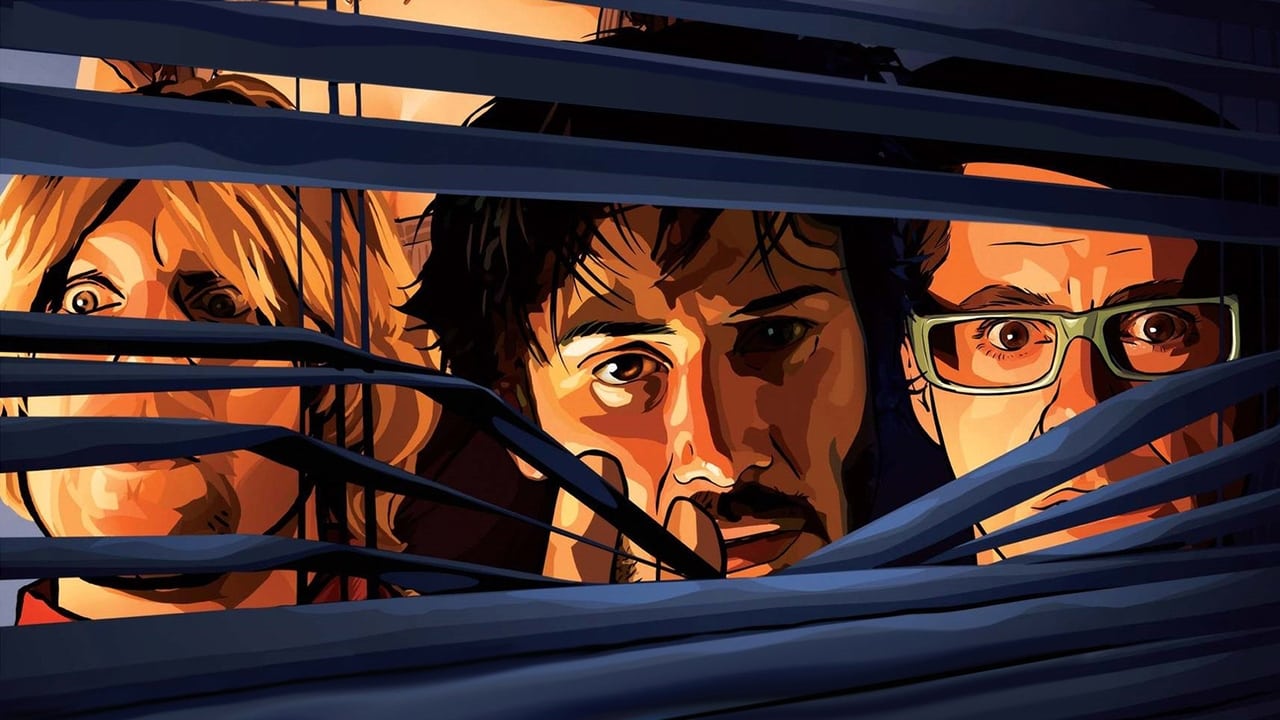
The film’s greatest strength isn't just the "What If?" of its technology, but the "Who Are These People?" of its cast. This might be the most inspired group of neurotics ever assembled on screen. Robert Downey Jr. as James Barris is a revelation; he’s essentially playing a more sinister, unmedicated version of his 90s persona, delivering lightning-fast, pseudo-intellectual monologues that are as hilarious as they are terrifying.
Watching him spar with Woody Harrelson (as the dim-witted Ernie Luckman) and Rory Cochrane (as the utterly fried Charles Freck) provides a darkly comedic energy that keeps the film from sinking into pure depression. There’s a scene involving a multi-speed bicycle that is a masterclass in "druggie logic," where the characters argue over gear ratios with the intensity of nuclear physicists. It’s funny until you realize these people are circling the drain. Winona Ryder also delivers a haunting, guarded performance as Donna, Arctor’s love interest/dealer, whose relationship with him is defined by a tragic inability to actually touch one another.
Why This Gem Disappeared
Despite the star power and the unique look, A Scanner Darkly basically vanished into the "cult classic" ether the moment it left theaters. It grossed less than its $8.7 million budget, largely because it’s a difficult film to market. Is it a cartoon? Is it a thriller? Is it a PSA? It came out during a period when indie cinema was experimenting heavily with digital formats, and mainstream audiences weren't quite ready for a "cartoon" that dealt with suicide, brain damage, and the creeping dread of the Patriot Act-era surveillance state.
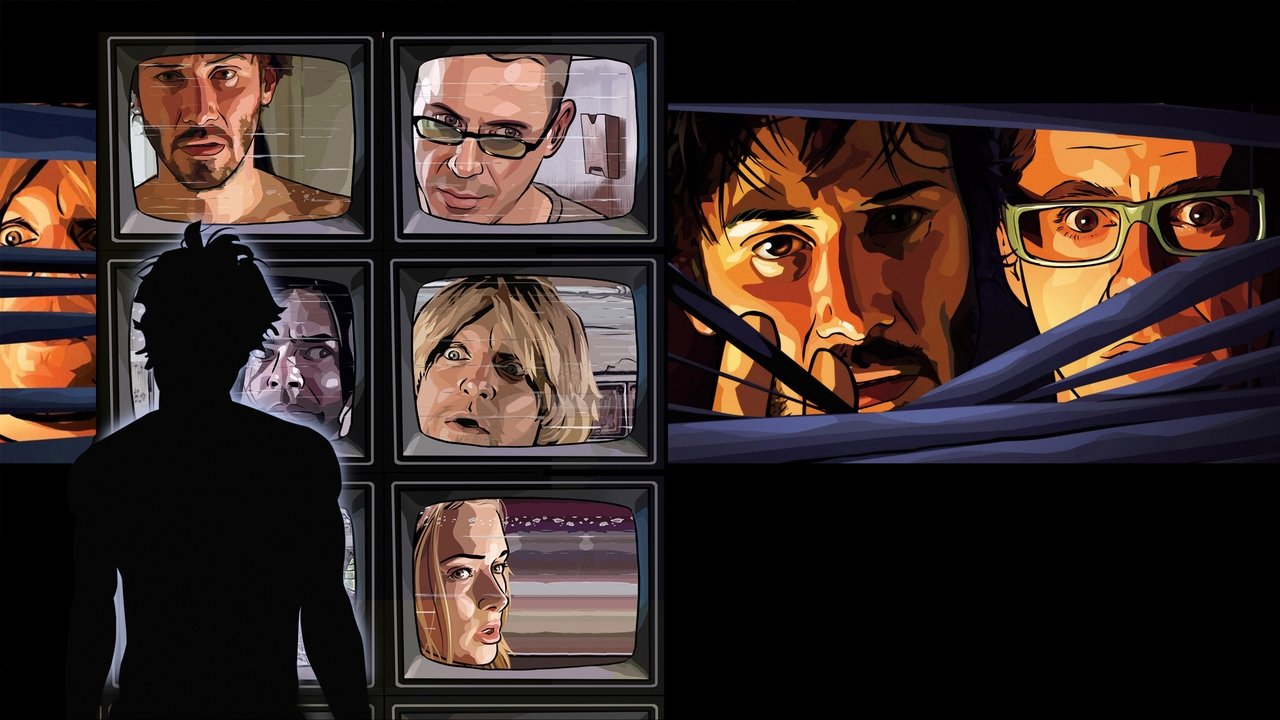
The film captures a very specific post-9/11 anxiety—the feeling that someone is watching you, but they’re too incompetent to understand what they’re seeing. Arctor eventually reaches a point where he is assigned to surveillance his own house, literally watching himself on a monitor and reporting on his own movements. It’s the ultimate expression of identity loss, and Linklater handles the tragedy with a surprisingly light touch until the final, crushing act.
Looking back, the animation has aged remarkably well because it doesn't strive for realism; it strives for a feeling. While the CGI of 2006 blockbusters often looks like plastic today, the hand-painted aesthetic of A Scanner Darkly remains timelessly trippy. It’s a "lost" movie that deserves to be found, preferably with a clear head and a high-definition screen.
Richard Linklater managed to take a "unfilmable" book and turn it into a visual poem about the people we lose to addiction and the parts of ourselves we surrender to society. It’s paranoid, funny, and deeply human. If you can handle the wiggly lines and the mounting sense of dread, it’s one of the most rewarding science fiction experiences of the 21st century. Just maybe skip the lo mein while you watch.
Keep Exploring...
-
The Animatrix
2003
-
Final Fantasy: The Spirits Within
2001
-

Waking Life
2001
-
Batman Beyond: Return of the Joker
2000
-
9
2009
-
Jimmy Neutron: Boy Genius
2001
-
The One
2001
-
The Forgotten
2004
-

The Jacket
2005
-
Doomsday
2008
-

The X Files: I Want to Believe
2008
-

Astro Boy
2009
-

The Fourth Kind
2009
-

Death Race 2
2010
-

The Matrix Reloaded
2003
-
The Matrix Revolutions
2003
-

Bernie
2012
-

Street Kings
2008
-
Osmosis Jones
2001
-
District B13
2004